
Yazılar

Lenovo Teases SteamOS-Powered Legion Go S Gaming Handheld Ahead of CES 2025 Event

Lenovo Prepares to Unveil New Gaming Handhelds at CES 2025

Lenovo is gearing up for a major reveal at CES 2025, showcasing its latest developments in the portable gaming space. Reports suggest the company is working on a refreshed lineup of Legion Go devices, including the anticipated Legion Go S—a compact version of its original Windows-based gaming handheld—and a second-generation Legion Go with enhanced features. Leaks have hinted at a SteamOS-based variant for the Legion Go S, further fueling speculation ahead of the event.

Event Details and Key Partnerships

Scheduled for January 7, Lenovo’s CES event is titled “Lenovo Legion x AMD: The Future of Gaming Handhelds.” According to reports, the presentation will feature key industry players, including AMD and Valve. Notably, Steam Deck co-designer Pierre-Loup Griffais is expected to join the discussion, reinforcing the possibility of a SteamOS collaboration. Lenovo’s invitation teases an exploration of “what lies ahead in the gaming handheld space,” alongside a showcase of their latest innovations powered by AMD technology.

Hints of SteamOS Integration

The rumored SteamOS variant of the Legion Go S could mark a significant shift in Lenovo’s strategy for gaming handhelds. SteamOS, developed by Valve, is widely recognized for its seamless integration with the Steam platform, offering optimized performance and an expansive gaming library. If confirmed, this collaboration could position Lenovo as a strong competitor to Valve’s Steam Deck, expanding choices for portable gaming enthusiasts.

Expectations for the Legion Go Lineup

While Lenovo has yet to confirm the specifics, the refreshed Legion Go series is expected to feature advanced hardware and software upgrades tailored to diverse gaming needs. The inclusion of AMD’s cutting-edge processors could provide a significant performance boost, while a potential SteamOS integration may streamline user experience and compatibility. With CES 2025 serving as the launchpad, the event promises to set the tone for the future of gaming handhelds.
Apple’s Intelligence Writing Tools Now Available for Windows Apps via Parallels Desktop

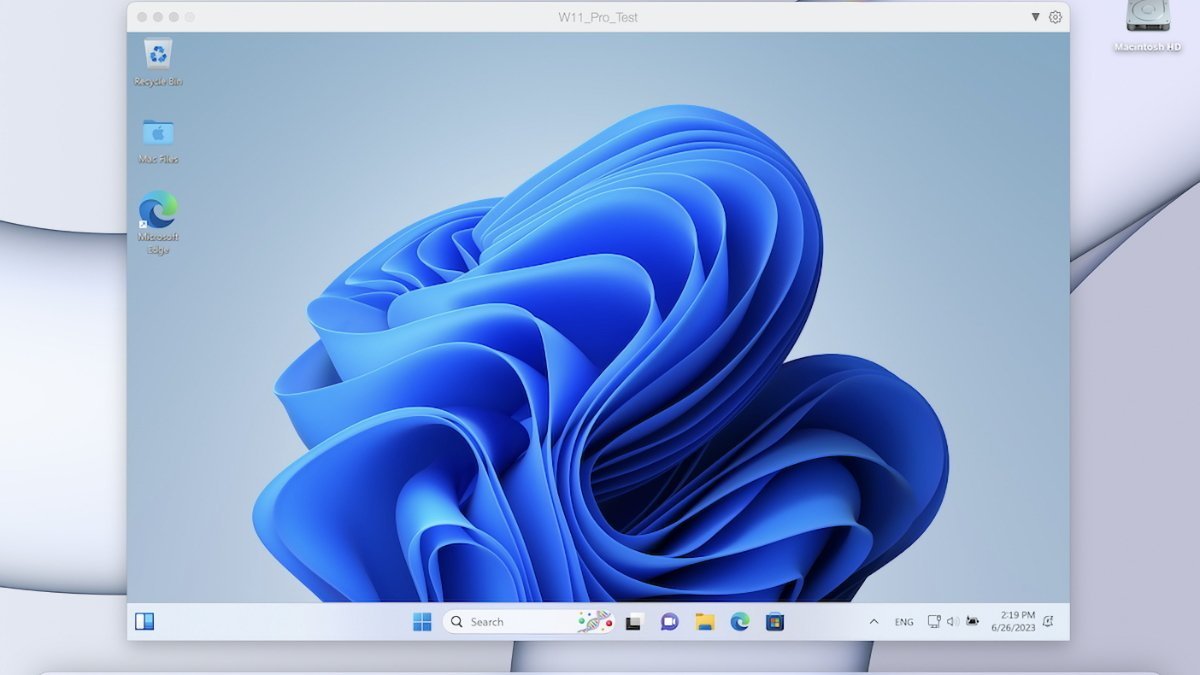
Apple has begun rolling out its new Apple Intelligence suite of tools to users in the US as part of the recent iOS 18.1 and macOS 15.1 updates. One of the most notable additions in this rollout is the Apple Writing Tools, a feature that allows users to proofread, summarize, adjust tone, modify the length, or even rewrite text across compatible devices. This new functionality works seamlessly with most macOS apps, enabling users to enhance their writing experience across the Apple ecosystem. However, the latest update also extends its reach to Windows applications running within a virtual machine on macOS.

Apple Intelligence Writing Tools Support for Windows Apps Introduced

In a significant development for Mac users who rely on Windows apps, Apple Writing Tools now supports applications running inside virtual machines through Parallels Desktop. Users with a Mac running macOS Sequoia, the latest version, can access the new writing tools while using Windows-based programs such as Microsoft Word or PowerPoint. This capability marks a major step in integrating Apple’s advanced writing features across different platforms, making it easier for users to work across both macOS and Windows environments without losing access to AI-powered assistance.

The ability to use Apple’s writing tools in Windows applications via a virtual machine offers a more flexible and streamlined experience for users who regularly switch between macOS and Windows. According to a support document from Parallels, after updating to macOS 15.1, users simply need to activate Apple Intelligence on their Mac to start utilizing the writing tools with their Windows apps. This is a crucial enhancement for those who rely on Windows-specific software but want to take advantage of Apple’s powerful new AI-driven text-editing capabilities.

For users with Parallels Desktop set up on their Mac, the integration of Apple Writing Tools represents a convenient way to improve productivity across both operating systems. Whether it’s rewriting a business document or adjusting the tone of an email, users now have access to advanced AI writing features even when working within the Windows ecosystem. This move highlights Apple’s growing focus on AI tools and their cross-platform utility, making writing tasks more efficient, regardless of the underlying operating system.

Microsoft Postpones AI-Powered Recall Feature Again, Testing Planned for Later This Year

Microsoft Announces October Release for Recall Feature Testing with Windows Insiders Devamını Oku