Yazılar

Brazil’s Lula Criticizes Meta’s Fact-Checking Changes as ‘Extremely Serious’

Brazilian President Luiz Inacio Lula da Silva expressed strong concern on Thursday over Meta’s decision to overhaul its fact-checking program in the United States, calling it “extremely serious.” Lula, who was speaking to reporters in Brasilia, emphasized the importance of holding digital platforms accountable in the same way as traditional media outlets. He added that the issue would be discussed in a meeting with government officials later that day.

Meta’s decision to alter its fact-checking approach in the U.S. has drawn attention from Brazilian authorities, particularly amid an ongoing investigation into social media platforms’ handling of misinformation and online violence in Brazil. Following Meta’s announcement, Brazilian prosecutors demanded clarity on whether the changes would also apply to the South American country. Meta has yet to respond to the request through its office in Brazil, and the company was given 30 days to provide further details.

Brazil’s legal authorities, including Supreme Court Justice Alexandre de Moraes, have made it clear that tech companies must comply with local laws if they wish to continue operating in Brazil. In 2023, de Moraes oversaw a ruling that temporarily suspended the social media platform X in Brazil, a decision underscoring the country’s stance on enforcing accountability among digital platforms.
 

Elon Musk’s X Increases Premium-Plus Subscription Pricing to Boost Creator Payments

Elon Musk’s social media platform X, formerly known as Twitter, has increased the cost of its premium-plus subscription tier in several markets starting December 21, aiming to enhance payouts for content creators. The price for this top-tier plan has risen from $16 to $22 per month in the United States, as announced in a recent blog post. Meanwhile, the pricing for the basic tier and premium subscriptions remains unchanged at $3 and $8, respectively.

In October, X revised its revenue-sharing practices to ensure that subscription fees more effectively benefit creators. The updated model emphasizes content quality and user engagement, rather than relying primarily on ad views, to determine creator compensation.

The new pricing applies only to new subscribers, while existing members will continue to pay the previous rate until January 20. Premium-plus subscribers gain benefits such as ad-free browsing, enhanced access to the Grok AI chatbot, and Radar—a feature offering real-time analytics on trending topics through keyword tracking.

This move underscores Musk’s broader strategy to diversify X’s revenue streams. The platform, historically dependent on advertising revenue, is now focusing on subscriptions as a key growth driver. Since acquiring Twitter and rebranding it to X, Musk has been working to reshape the platform’s business model to better align with the demands of both creators and subscribers.


Brazil Orders Suspension of Elon Musk’s X Platform Amid Legal Feud

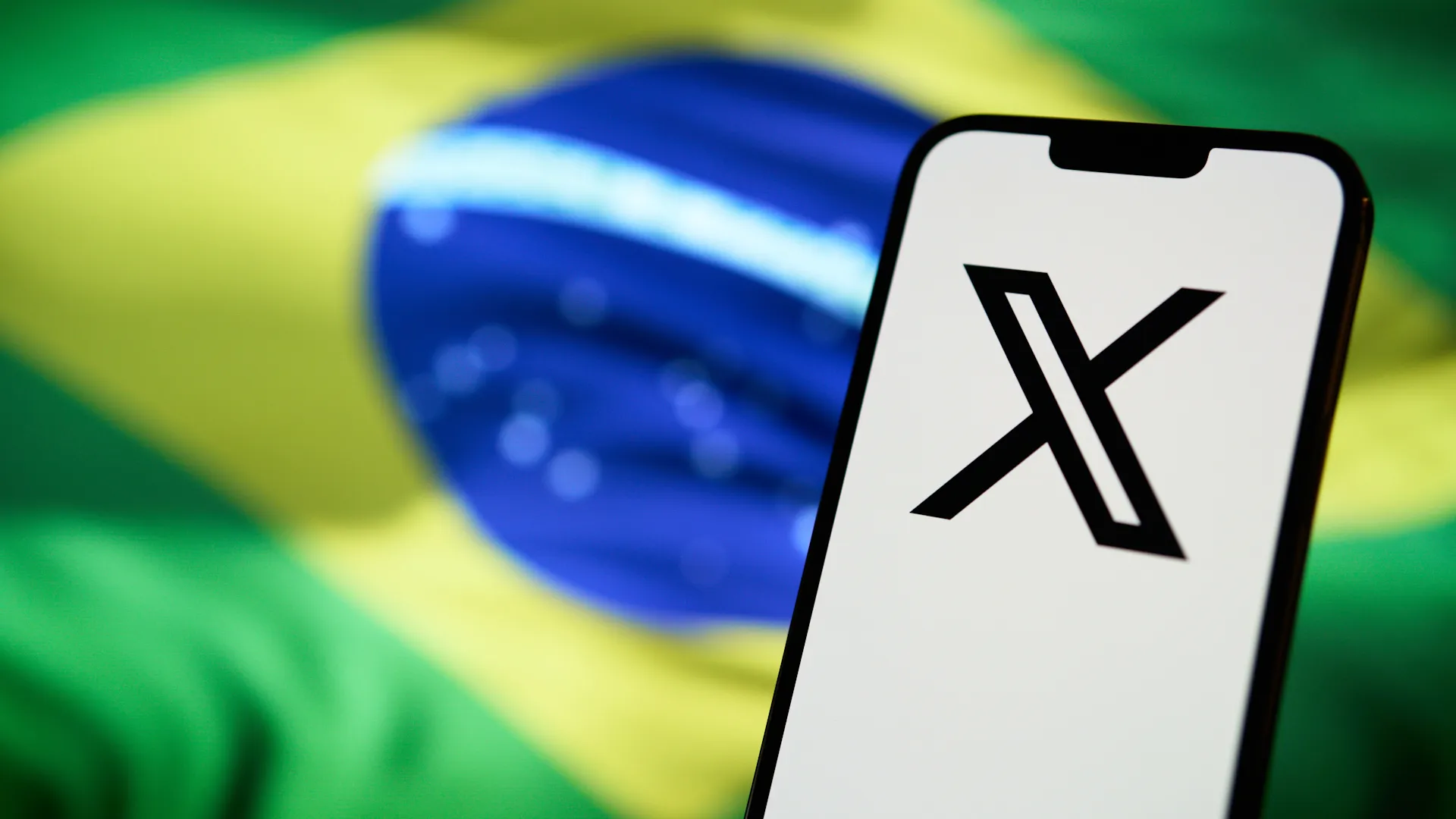
Brazil’s telecommunications regulator announced on Friday that it is moving to suspend access to Elon Musk’s X platform, formerly known as Twitter, following a court order from Supreme Court Justice Alexandre de Moraes. This suspension was triggered after X missed a deadline to appoint a legal representative in Brazil, as required by law.

Musk has fiercely opposed the court’s ruling, accusing Justice Moraes of attempting to enforce unjustified censorship. Moraes, however, has maintained that regulation is necessary to curb hate speech on social media platforms. The judge’s decision is the latest development in a prolonged dispute with Musk, which has now escalated to the point of a potential shutdown of X in one of its largest markets.

Despite the court order, X remained accessible in Brazil late on Friday. Some users, however, reported that their access had already been blocked by local telecommunications carriers, which planned to fully enforce the suspension by midnight.

In addition to the suspension, the court also froze the bank accounts of Musk’s satellite internet provider, Starlink, in Brazil. The judge has ordered X to pay more than $3 million in fines and to comply with other legal mandates before service can be restored in the country. Telecommunications regulator Anatel has been tasked with implementing the suspension, which will require telecommunication companies to block X’s traffic and prevent users from bypassing the ban using virtual private networks (VPNs). Moraes warned that those who continued to access X via VPNs could face daily fines of up to 50,000 reais (around $9,000).

Picture background

While Apple and Google were initially ordered to remove X from their app stores and implement anti-VPN measures, Justice Moraes later reversed this part of the order. Both companies declined to comment.

Brazil’s Supreme Court judges wield considerable power to make unilateral decisions, and in this case, Moraes’ stance has been supported by a majority of the 11-member court. The roots of the conflict trace back to a previous Moraes order demanding X block accounts accused of spreading misinformation and hate speech, which Musk criticized as censorship. Although Musk closed X’s offices in Brazil in response, he has continued to make the platform available to users in the country.

Musk, who also owns 40% of SpaceX and leads electric vehicle giant Tesla, derided Brazil’s President Luiz Inacio Lula da Silva as Moraes’ “lapdog,” further heightening tensions. President Lula responded firmly, stating that all companies, regardless of their wealth or influence, must comply with Brazilian law.

The situation remains tense as Brazil pushes for compliance from Musk’s ventures, with no signs of backing down from the court or government.