Yazılar

Xiaomi 15 and Xiaomi 15 Pro Unveiled with Snapdragon 8 Elite SoC, Triple Rear Cameras: Pricing and Features Revealed

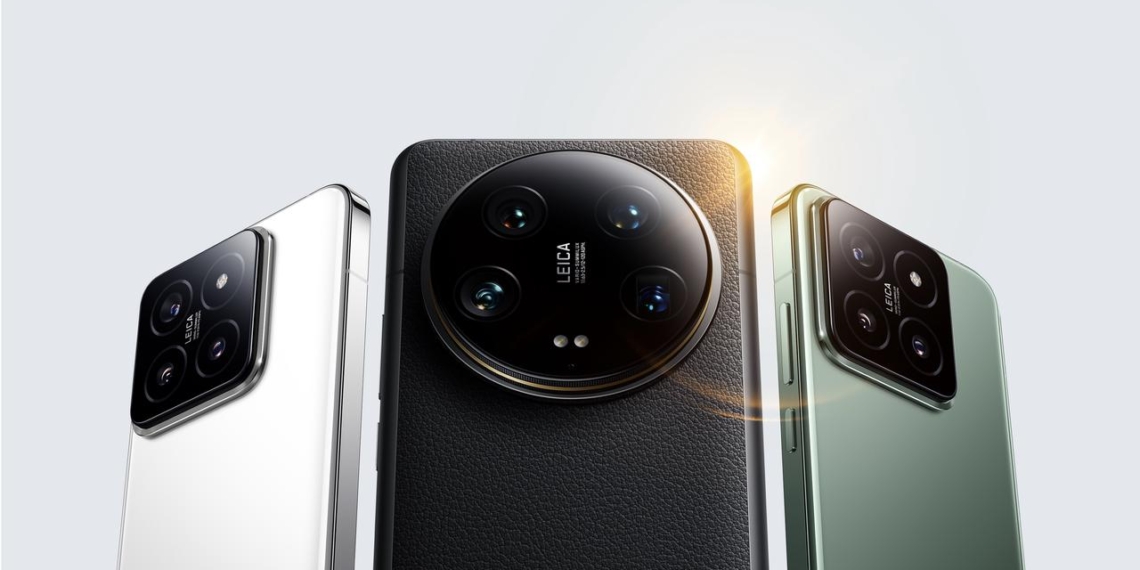
The Xiaomi 15 and Xiaomi 15 Pro were officially launched in China on October 29, marking the debut of the latest additions to the Xiaomi smartphone lineup. These devices serve as successors to last year’s Xiaomi 14 series, offering significant upgrades in both design and performance. Powered by the latest Snapdragon 8 Elite SoC, the Xiaomi 15 series promises impressive speed and efficiency. The standard Xiaomi 15 comes with a 6.36-inch 1.5K OLED display that supports a peak brightness of 3,200 nits, while the Pro model upgrades to a 2K resolution for even sharper visuals. Both models run on Xiaomi’s HyperOS 2, bringing enhanced software features and improved user experience.

One of the standout features of the Xiaomi 15 series is its Leica-tuned triple rear camera setup. The primary sensor is a 50-megapixel shooter, designed to capture stunning detail in a variety of lighting conditions. In addition to its impressive camera array, the Xiaomi 15 and Xiaomi 15 Pro maintain an IP68 rating, making them resistant to both dust and water. This makes them durable options for users who demand top-tier specifications along with reliable protection against the elements, similar to their predecessors.

As for pricing, the Xiaomi 15 offers a range of configurations to suit different needs and budgets. The base model, with 12GB of RAM and 256GB of storage, is priced at CNY 4,499 (approximately Rs. 52,000). For those requiring more storage, the 12GB + 512GB version is priced at CNY 4,799 (around Rs. 56,000), while the 16GB + 512GB model costs CNY 4,999 (about Rs. 58,000). The high-end version, featuring 16GB of RAM and 1TB of storage, is priced at CNY 5,499 (approximately Rs. 65,000). The Xiaomi 15 comes in several color options, including Asakusa Green, Bright Silver Edition, Black, Lilac, and White.

Additionally, Xiaomi has released a limited edition of the Xiaomi 15, priced at CNY 5,999 for the 16GB + 1TB model. With its premium features and sleek design, the Xiaomi 15 series is set to appeal to both tech enthusiasts and casual users alike. Its powerful performance, stunning display, and high-quality camera system make it a strong contender in the competitive smartphone market, especially in its price range
Internal Builds of HyperOS 2.0 Surface on Xiaomi 15 Series and Other Devices: Report

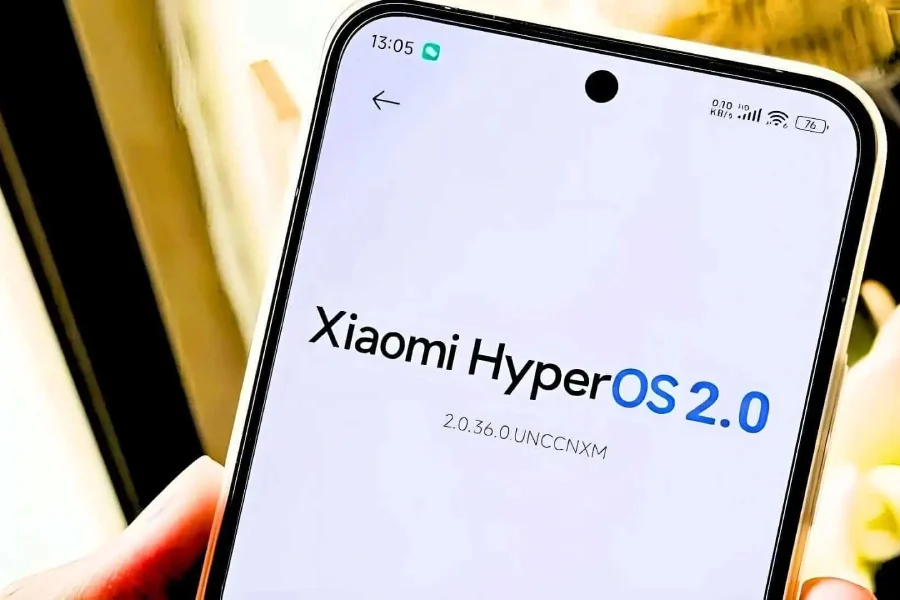
Xiaomi introduced HyperOS last October with the Xiaomi 14 series, replacing its MIUI skin. Now, the company is reportedly testing its next iteration, HyperOS 2.0, on several devices, including the highly anticipated Xiaomi 15 and Xiaomi 15 Pro. Although Xiaomi has not officially revealed the release date for HyperOS 2.0, it is expected to be based on Android 15. Internal builds of the operating system have surfaced, giving an early glimpse into the potential features and performance improvements users might expect.

According to a report from GizmoChina, internal builds of HyperOS 2.0 were spotted on the Xiaomi 15 and Xiaomi 15 Pro, featuring firmware versions OS2.0.1.5.VOCCNXM and OS2.0.1.2.VOBCNXM, respectively. The publication also shared an image showing the testing version running on a Xiaomi device. This discovery suggests that Xiaomi is already in the advanced stages of testing the software for its next flagship smartphones.

In addition to the Xiaomi 15 series, internal builds of HyperOS 2.0 have also been found on other devices from the Xiaomi 14 lineup. The Xiaomi 14, Xiaomi 14 Pro, and Xiaomi 14 Ultra were reportedly running firmware versions OS2.0.0.24.VNCCNXM, OS2.0.0.22.VNBCNXM, and OS2.0.0.16.VNACNXM, respectively. These builds indicate that Xiaomi may soon roll out the new version to its current flagship devices as well.

While the internal builds hint at HyperOS 2.0’s imminent arrival, details about the specific features and enhancements remain under wraps. Xiaomi’s transition from MIUI to HyperOS marks a significant shift in its software development, and users are eagerly awaiting to see how HyperOS 2.0 improves the Android experience on Xiaomi’s latest devices.

Xiaomi 15 Series Set to Debut on October

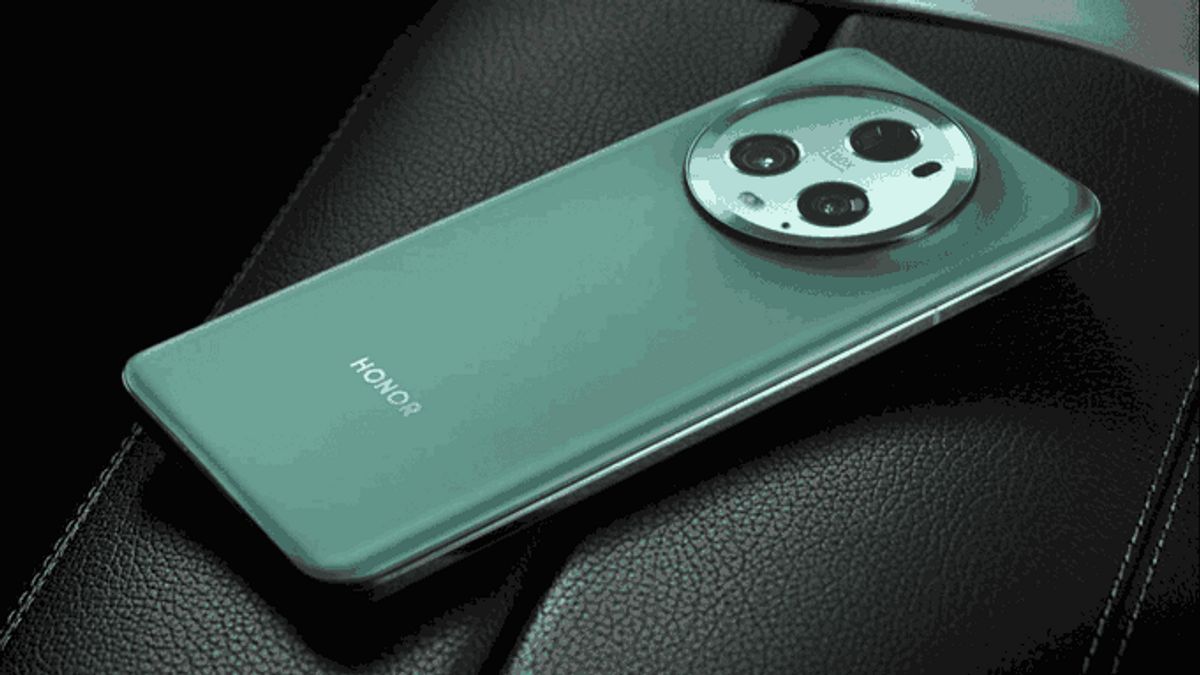
The Xiaomi 15 series and Honor Magic 7 lineup have been generating significant buzz in the tech community, with rumors swirling about their specifications and launch dates. Both smartphone series are expected to be powered by the latest Snapdragon 8 Gen 4 chipsets, marking a notable advancement in performance and capabilities. As the excitement builds, a recent leak has provided insights into their potential launch timelines, which are anticipated to occur shortly after the Vivo X200 series, set to debut in China this October.

According to tipster Fixed Digital Focus, who shared details on Weibo, the Xiaomi 15 series is rumored to launch in China on October 20. This would position Xiaomi to capture attention in the competitive smartphone market shortly after Vivo’s unveiling. Following closely behind, the Honor Magic 7 series is expected to make its appearance on October 30. The timing of these launches suggests a strategic move by both brands to capitalize on consumer interest and demand for high-performance smartphones.

In terms of specifications, both the Xiaomi 15 series and Honor Magic 7 lineup are anticipated to feature either Snapdragon 8 Gen 4 or MediaTek Dimensity 9400 chipsets, indicating a push towards high-end performance and enhanced gaming capabilities. This shift towards more powerful processors aligns with industry trends as manufacturers strive to meet the growing demands of consumers for faster, more efficient devices that can handle intensive applications and multitasking.

As the launch dates approach, consumers and enthusiasts alike are eager to see how these new devices will perform in real-world scenarios. With the smartphone market becoming increasingly competitive, both Xiaomi and Honor will need to deliver impressive features and performance to capture the attention of tech-savvy users. The upcoming launches of the Xiaomi 15 series and Honor Magic 7 lineup are poised to set the stage for exciting developments in the mobile industry, further pushing the boundaries of smartphone technology.