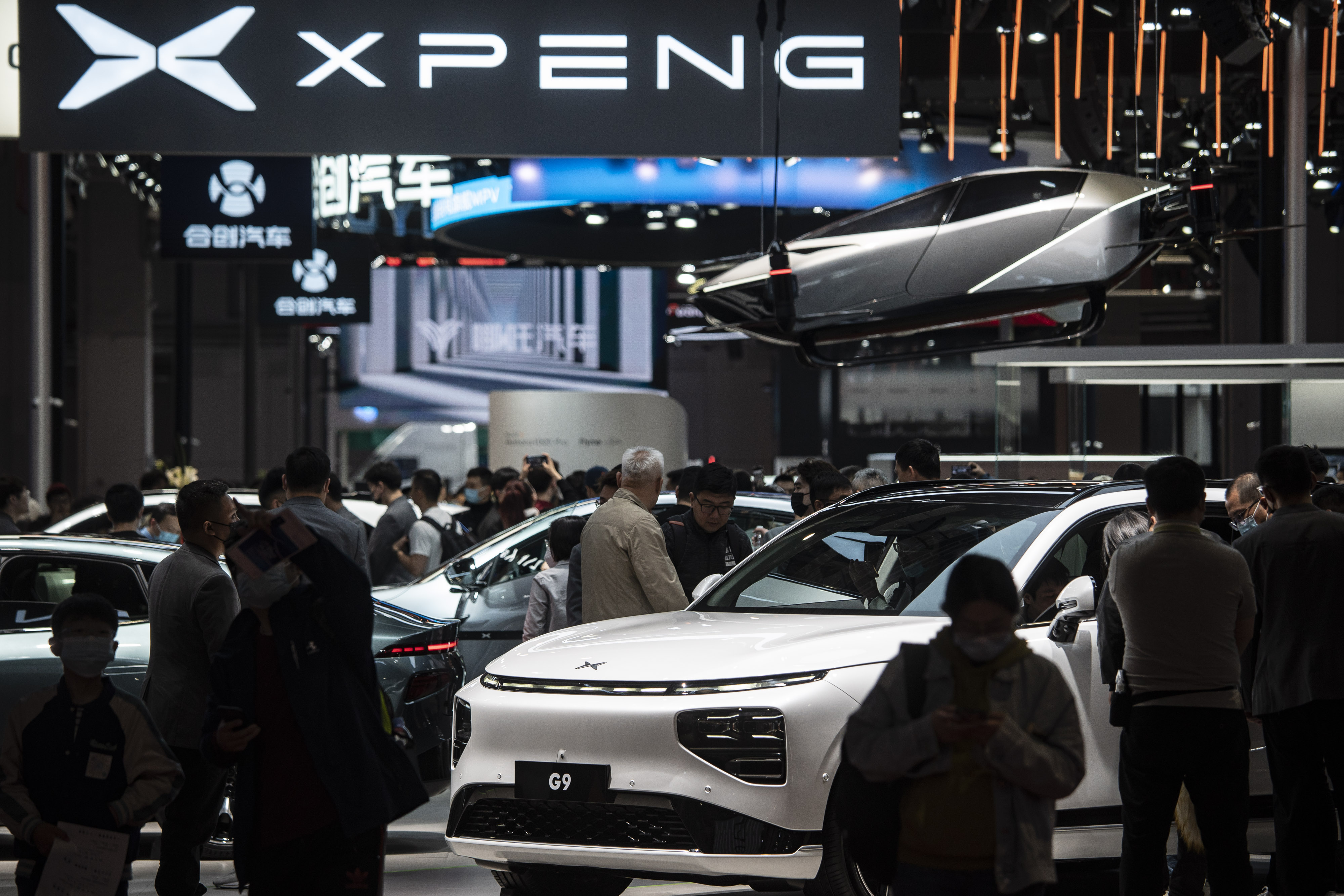
After five consecutive months of decline, China’s passenger vehicle sales rebounded in September, posting a 4.3% year-on-year increase. The uptick was largely fueled by a government subsidy program aimed at encouraging the trade-in of older vehicles, part of a broader economic stimulus package. The world’s largest automotive market saw sales rise to 2.13 million vehicles, up from 2.04 million in the same period last year, with electric vehicles (EVs) and plug-in hybrids driving the growth.
Surge in Electric Vehicle Sales
While sales of gasoline-powered cars continued to decline, the rise in new energy vehicles (NEVs)—which include both electric and plug-in hybrid models—was striking. NEV sales jumped 50.9%, accounting for 52.8% of total car sales in China. September marked the third consecutive month where sales of battery-powered cars outpaced traditional gasoline vehicles. In total, 1.12 million EVs and plug-in hybrids were sold in September alone, bringing the total for the first nine months of the year to 7.13 million.
Tesla, a major player in China’s EV market, saw its sales surge by 66% year-on-year, selling over 72,000 vehicles in China during September. Chinese EV makers, such as BYD and Xpeng, also experienced record-breaking sales, further solidifying their position in the market.
Government Subsidies: A Key Driver
China’s government played a significant role in boosting NEV sales through the expansion of its subsidy program in July 2024. Under the program, consumers who scrap older vehicles and replace them with EVs can receive a subsidy of over $2,800, double the amount introduced in April. For those opting for more fuel-efficient combustion vehicles, the subsidy is $2,100. By late September, 1.1 million consumers had already registered to take advantage of the trade-in incentives.
Cui Dongshu, the secretary-general of the China Passenger Car Association (CPCA), anticipates a strong fourth quarter for the auto market, spurred by these subsidies and increased support from local governments.
Challenges in the Broader Market
Despite the rise in passenger vehicle sales, data from the Chinese Association of Automobile Manufacturers (CAAM) painted a more mixed picture. Overall vehicle sales in China, including commercial vehicles, dropped by 1.7% in September compared to the previous year. The commercial vehicle segment, in particular, saw a sharp decline, with wholesale exports plunging by 23.5%.
This downturn in commercial vehicle sales highlights ongoing challenges in China’s automotive sector, as well as the broader economic struggles the country is facing. In response, the Chinese government has introduced a series of economic measures, including interest rate cuts and liquidity injections, in an effort to reignite growth.
Export Growth Amid Global Backlash
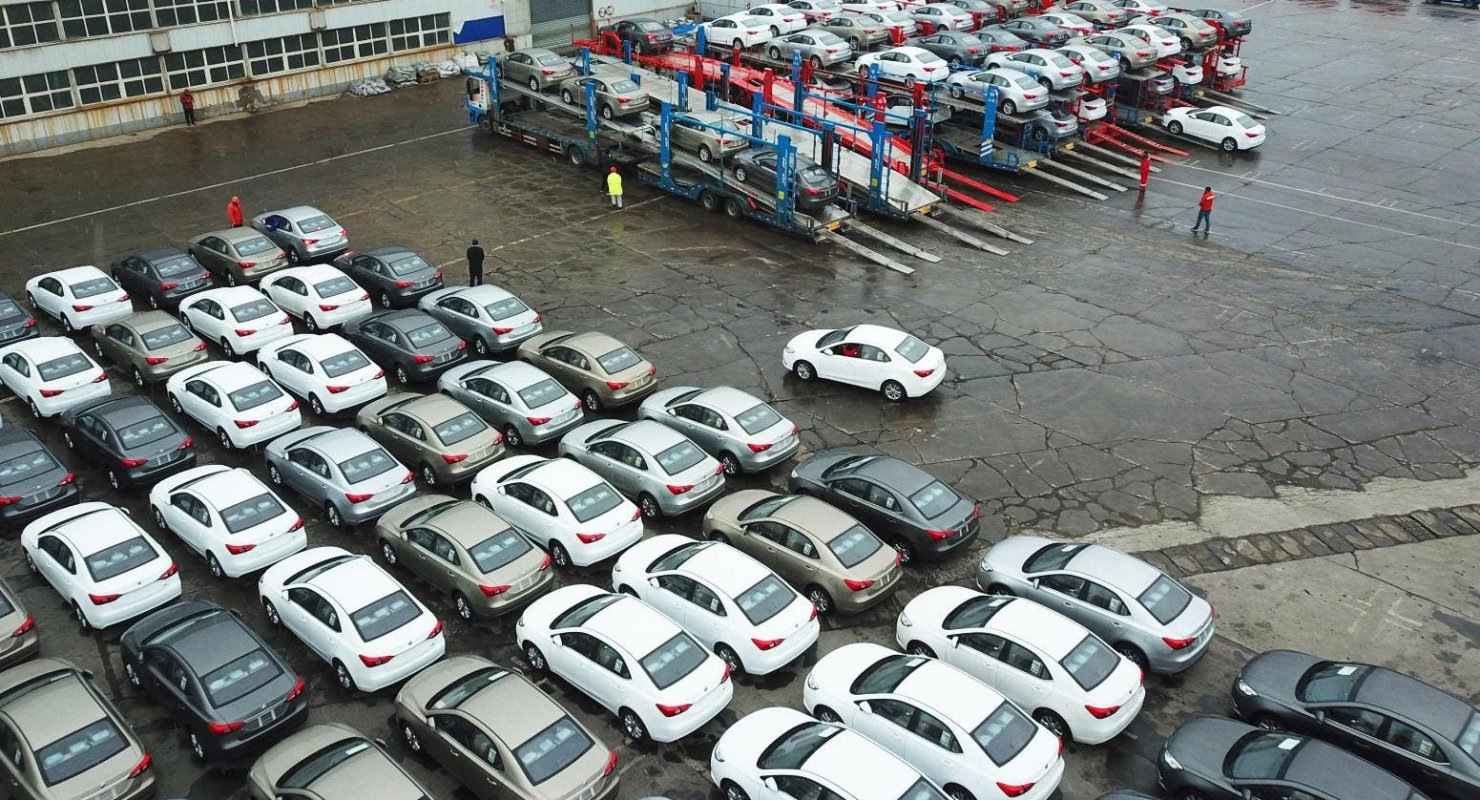
China’s car exports remain a bright spot for the industry, growing by 22% in September and bringing the total number of vehicles exported in the first nine months of the year to 3.55 million. This growth comes despite rising political opposition in key export markets. Last year, China overtook Japan to become the world’s largest vehicle exporter.
However, international scrutiny of China’s automotive dominance is intensifying. In September, the European Union (EU) voted to impose tariffs of up to 45% on Chinese-made EVs, citing concerns over past subsidies that have allegedly given Chinese automakers an unfair advantage. Germany, an EU member with strong ties to the automotive industry, opposed the move, while China has expressed its hope to resolve the dispute through negotiations that would establish minimum sales prices for Chinese EVs in Europe.
The United States and Canada have already taken more drastic measures, imposing tariffs of 100% on Chinese-made EVs, effectively blocking them from these markets.
Looking Ahead
As China moves into the final quarter of 2024, its automotive market is poised for further growth, thanks to ongoing government support and consumer demand for EVs. The country’s focus on bolstering its EV industry—seen as a critical element of its economic strategy—has reshaped the global automotive landscape. However, the long-term outlook for China’s auto industry remains uncertain, particularly as international trade tensions and questions about the sustainability of stimulus measures persist.