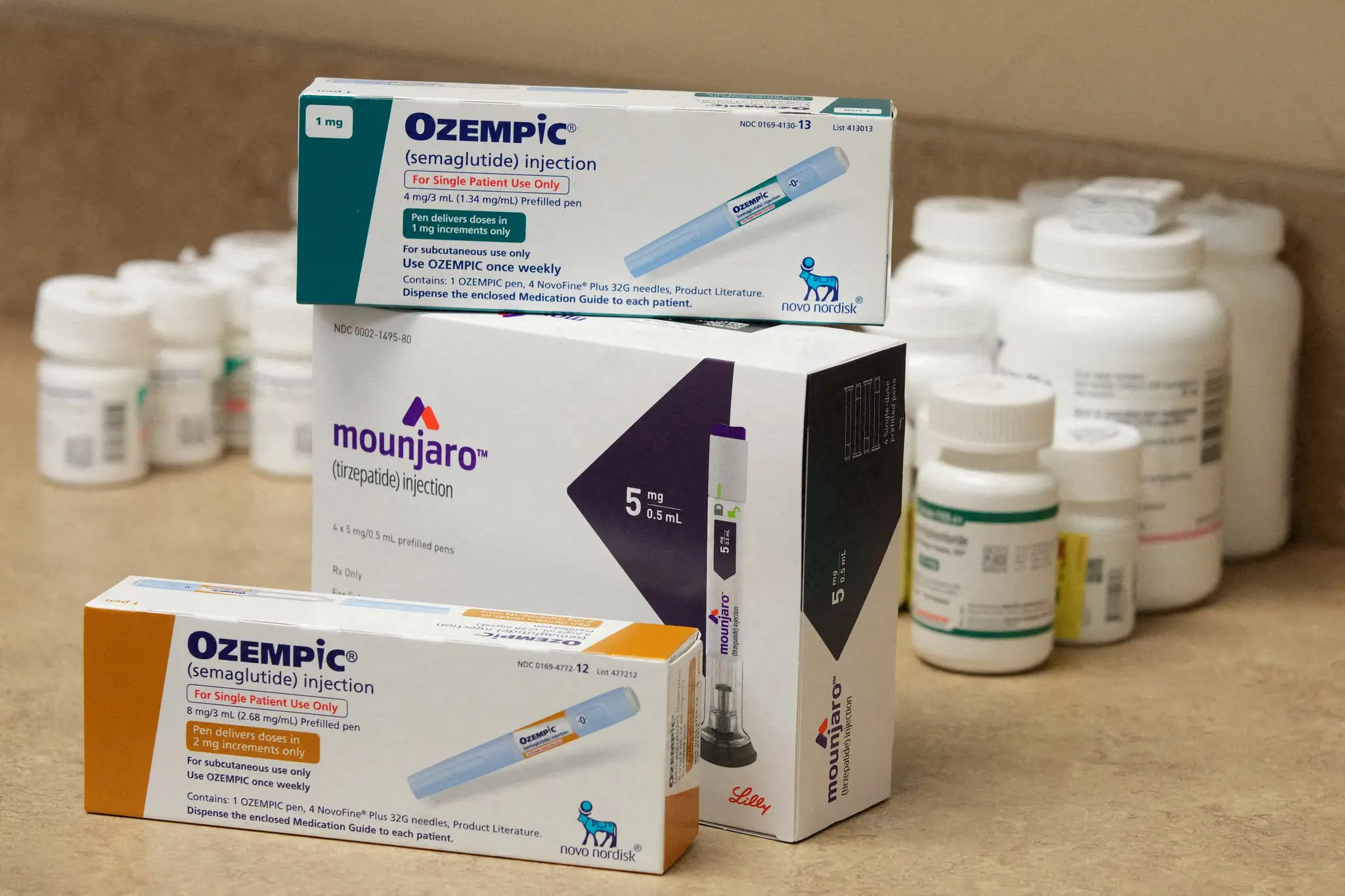
Medicaid Dominates U.S. Coverage for Novo Nordisk and Eli Lilly Weight-Loss Drugs
Government Programs Drive Access to GLP-1 Drugs
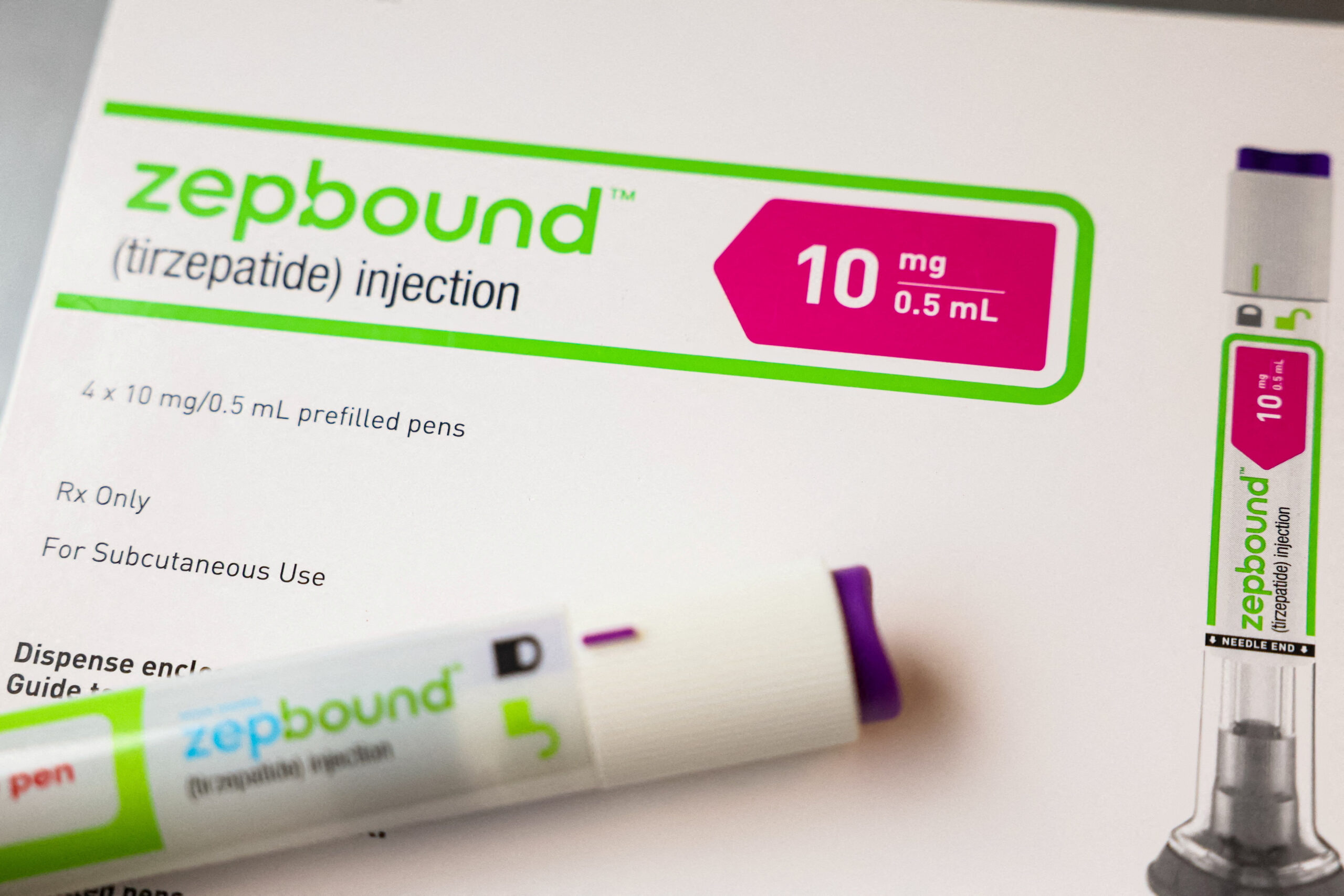
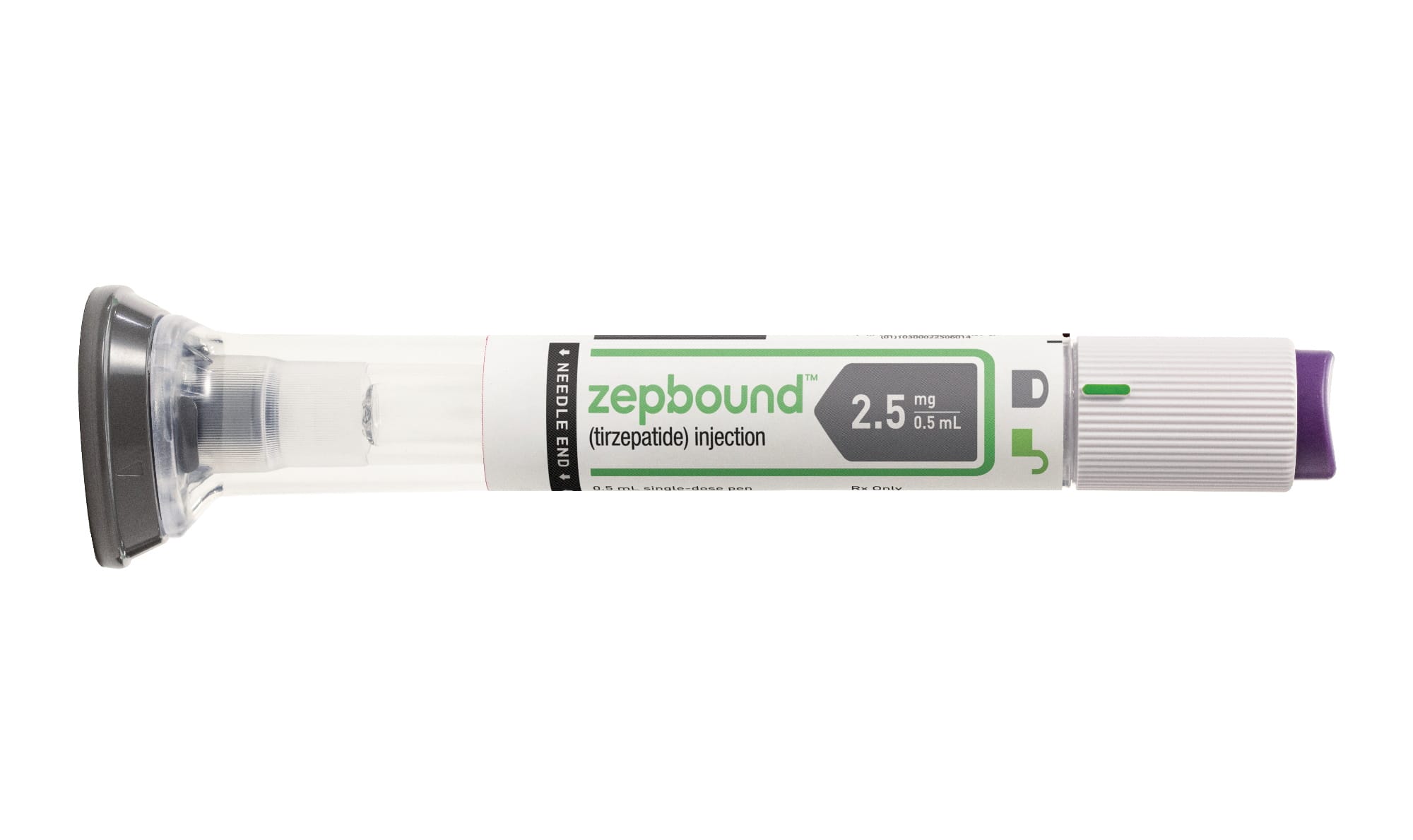
State Medicaid programs and federal employee health plans are the leading sources of coverage for popular new weight-loss drugs, including Novo Nordisk’s Wegovy and Eli Lilly’s Zepbound. According to data from the AXIACI Obesity Coverage Nexus, government-funded plans provide access to these treatments for over 52 million Americans, significantly outpacing private employer and commercial insurance coverage.
Coverage Breakdown:
- Medicaid Programs: Cover 31.6 million low-income individuals.
- Federal Employee Plans: Provide access to 14.6 million federal workers and dependents.
- State and Local Employee Plans: Cover an additional 6 million individuals.
In contrast, approximately 13.7 million Americans under commercial health plans have coverage for these drugs. An additional estimated 10.7 million privately insured individuals may also have coverage, bringing the total private sector figure to a potential 24.4 million—still less than half of government-backed coverage.
Barriers to Broader Coverage
The discrepancy between public and private plans highlights employer hesitancy to absorb the costs of GLP-1 drugs, which carry list prices exceeding $1,000 per month. Kathy Hempstead of the Robert Wood Johnson Foundation attributes this to rising health insurance premiums, which make funding weight-loss treatments an added challenge for private employers.
Many private insurers impose stringent prerequisites, such as dietary consultations or lifestyle programs, before approving coverage. Additionally, patients often face limited drug availability and may turn to cheaper alternatives from compounding pharmacies.
Impact on Drugmakers and Patients
While Medicaid’s steep drug price discounts may affect Novo Nordisk and Eli Lilly’s profit margins, higher obesity rates among Medicaid recipients present a significant market opportunity. For many patients, insurance coverage is the only feasible way to access these expensive medications, which can be required for long-term use.
Both companies are lobbying for broader insurance coverage, emphasizing the societal cost savings from reducing obesity-related conditions like heart disease and diabetes. Novo estimates that about half of U.S. adults with obesity now have access to weight-loss medications. However, Lilly acknowledges gaps in commercial insurance coverage, citing ongoing stigma and mismanagement of obesity as barriers to treatment.
State-by-State Medicaid Approaches
Currently, 14 state Medicaid programs, including California, Pennsylvania, and North Carolina, offer coverage for GLP-1 drugs to treat obesity. Seventeen states extend coverage to public employees and their dependents, with five—Connecticut, Delaware, Kansas, Massachusetts, and Michigan—offering both.
Medicare, the federal program for individuals 65 and older, does not cover GLP-1 drugs for weight loss, limiting its use to managing type 2 diabetes and cardiovascular disease.
Christine Ferguson, a healthcare policy expert, noted the fragmented nature of state decisions on coverage, saying, “Everyone is being very cautious here,” with no clear national pattern emerging yet.
Future of GLP-1 Coverage
As the use of GLP-1 receptor agonists continues to reshape obesity treatment in the U.S., the divide between public and private insurance coverage underscores ongoing challenges in integrating weight-loss drugs into broader healthcare frameworks. Drugmakers are likely to intensify advocacy efforts for expanded insurance support, seeking to address both financial and cultural barriers to care.