
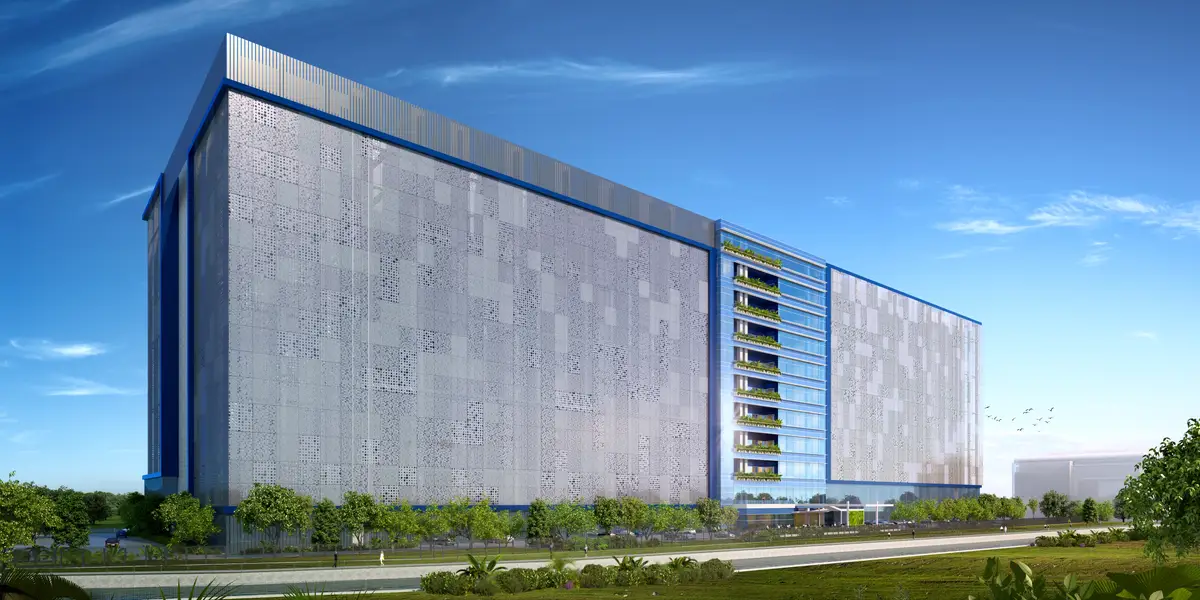
The rapid expansion of AI data centers is raising concerns about the resilience of the U.S. electrical grid, with experts warning that the surge in energy demand could overwhelm the nation’s aging infrastructure. The rapid build-out of massive data centers, which can consume as much power as a mid-sized U.S. city at a single site, is driving electricity consumption to record highs. Government projections estimate that data center demand will triple in the next three years, accounting for 12% of the entire U.S. power supply.
“We are witnessing unprecedented growth, and the challenges the grid is facing are becoming more pronounced,” said Samir Vora, a senior executive at Mitsubishi Power Americas, during an interview at the CERAWeek conference in Houston.
As the demand for electricity rises, traditional fossil fuel-powered generators are being retired, and new generation and power lines are often delayed in interconnection queues, exacerbating the delicate balance required to avoid blackouts.
Mark Christie, who leads the Federal Energy Regulatory Commission (FERC), highlighted the issue at the conference, stressing that the situation has become particularly critical in the PJM Interconnection grid, which serves 13 states and the District of Columbia. This area, home to the world’s largest concentration of data centers, is also crucial for internet traffic, with Virginia alone routing 70% of global internet traffic.
In its latest capacity auction, PJM reported that prices had surged by more than 800% compared to the previous year, citing rising demand and shrinking supply. Manu Asthana, CEO of PJM, expressed cautious optimism, acknowledging that the problem is solvable, though not trivial.
PJM’s peak demand is expected to rise from 152 gigawatts to 184 gigawatts by 2030, with nearly all of the growth driven by data centers. Without substantial investments in new power supply, experts warn that these supply-demand imbalances could spread to other regions across the country, making the situation even more dire.
“It’s going to become more pronounced in other multi-state regions as well,” warned FERC’s Mark Christie, signaling growing concerns about the stability of the grid.