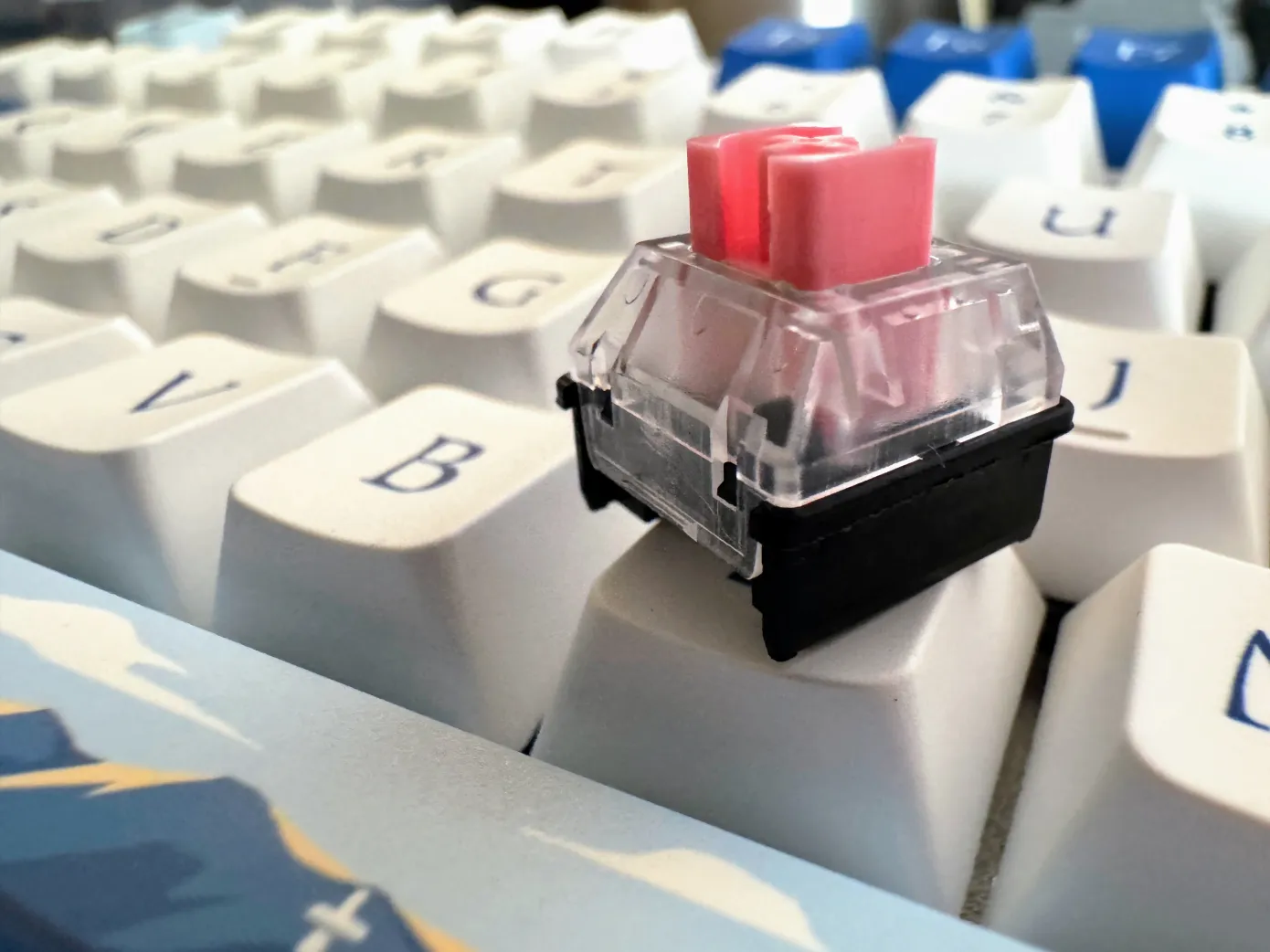
The next evolution in mechanical keyboards appears to be magnetic switches.
During the pandemic, mechanical keyboards transitioned from a niche item to a household essential as individuals sought to enhance their home offices and explore new hobbies. Brands such as Akko, Drop, Ducky, Epomaker, and Keychron gained widespread recognition, offering enthusiasts a plethora of layouts and parts from various vendors.
However, the market has reached a point of stagnation, with once-exclusive features becoming commonplace even in budget keyboards. RGB lighting, once a luxury, is now ubiquitous, with innovative uses continually emerging. The range of available switches seems limitless, catering to gamers with the lightest switches and providing heavy options for the most vigorous typists, all in linear, tactile, and clicky varieties and a myriad of colors. Previously reserved for high-end keyboards, gasket-mounted designs, offering a softer typing experience, have become commonplace.
While this democratization of features has improved overall build quality and lowered prices, the mechanical keyboard scene has lost some of its excitement. This is where magnetic switches shine, offering the ability to swiftly adjust the actuation point during keypresses.
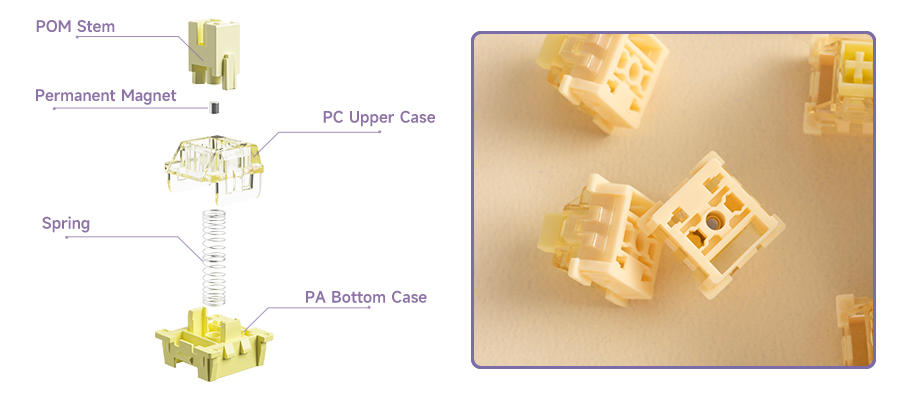
On a typical mechanical keyboard switch, registering a key press involves physically closing an electrical circuit. As you press down, the two legs on the stem (the moving part to which the keycap is attached) make contact with two metal leaves, effectively closing the circuit.
The design of the stem and its legs distinguishes between linear switches (such as Gateron Red switches commonly found on gaming keyboards) and tactile switches (like Cherry Brown switches). Linear switches feature smooth stems, while tactile switches have a bump on the stem that provides a slight resistance when pressed. The stem’s design, along with its legs, the spring it rests on, and the switch housing, can significantly alter how a switch feels and sounds, as well as when the keyboard registers the keypress. For instance, with a standard Gateron Red switch, the keypress is typically registered after depressing the key by about two millimeters, and the total travel distance before the stem reaches the bottom of the switch is four millimeters.