DevRev Joins the AI Unicorn Club with $100.8 Million Series A Funding

DevRev, a customer relationship software firm based in Palo Alto, has successfully raised $100.8 million in its Series A funding round, led by Khosla Ventures and other investors. This significant investment has propelled the company’s valuation to $1.15 billion, marking its entry into the prestigious unicorn club amid a booming interest in artificial intelligence (AI).

Why It Matters

The surge in AI-driven innovation has reignited venture capital interest, with investments in AI startups reaching a staggering $24 billion between April and June 2024—more than doubling the previous quarter’s figures. This influx of capital reflects investor confidence in the transformative potential of AI across various industries. DevRev’s success highlights the growing demand for AI-powered solutions that streamline customer relationship management by integrating end users, sellers, support teams, product developers, and engineers on a unified platform.
Company Background

Founded in October 2020 by Dheeraj Pandey, former CEO of Nutanix, DevRev focuses on creating an AI-driven platform that enhances the customer experience by bridging the gap between product teams and end users. The company leverages AI to facilitate smoother interactions and improve product development cycles, ultimately helping businesses build more robust relationships with their customers.

Investor Confidence

Khosla Ventures, a key backer of DevRev since 2021, is known for its investments in high-profile tech companies like Instacart, DoorDash, and Stripe. Their continued support underscores the confidence in DevRev’s innovative approach to customer relationship management and its potential for long-term growth in the AI sector.

CEO’s Vision

Dheeraj Pandey emphasized the importance of design in building trust with end users, especially as the AI landscape is rife with overhyped solutions and unstable prototypes. He noted that DevRev’s focus on secure, maintainable AI-driven software is crucial in delivering reliable and effective solutions to its clients.


 

Ola Electric’s IPO: A Strong Debut Driven by EV Optimism

Ola Electric Mobility’s shares surged 20% on their trading debut in Mumbai, reflecting strong investor optimism in India’s rapidly growing electric vehicle (EV) market. The company’s IPO, valued at $734 million, is the largest in India so far in 2024, pushing Ola Electric’s market capitalization to $4.8 billion.

Initially listing flat at its IPO price of 76 rupees, the stock quickly rose to 91.20 rupees, outpacing the broader market, which saw a 1% rise. This positive momentum was attributed to improving market sentiment and investor confidence in the EV sector’s potential growth in India, the world’s largest two-wheeler market.

Ola Electric, which holds a 39% market share in the electric scooter segment, is expanding its product lineup to include electric motorcycles, expected to launch soon. This expansion has fueled investor enthusiasm, particularly among those who missed out on the IPO allocation.

Despite its rapid revenue growth—up 90% year-on-year—Ola Electric is not yet profitable, with losses widening by 8% in the last fiscal year. Founder Bhavish Aggarwal emphasized the company’s focus on achieving profitable growth, particularly through its investment in battery cell manufacturing. Ola Electric aims to start commercial production of its battery cells by early 2025, a move expected to lower costs and enhance profitability.


Japan’s Megaquake Alert: A Prelude to the “Big One”?

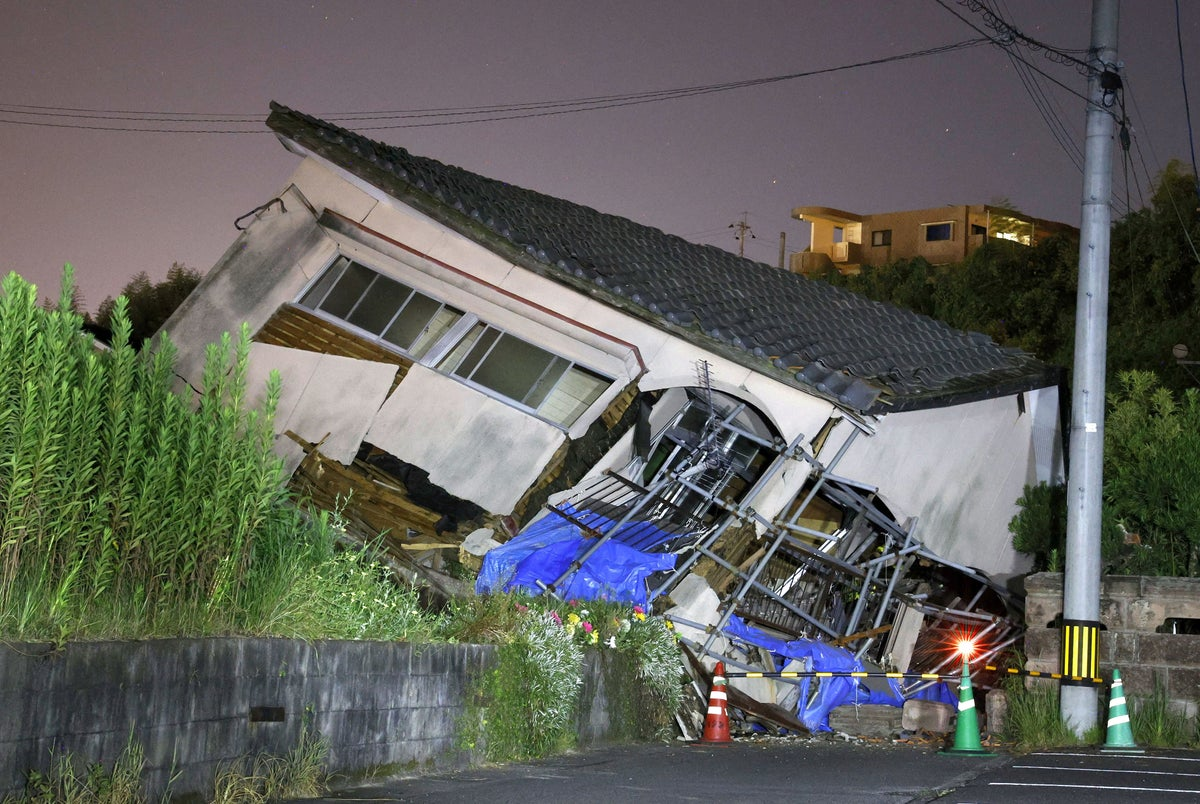
The recent magnitude 7.1 earthquake that struck southern Japan may not have caused significant damage, but it was followed by an unprecedented warning from Japan’s meteorological agency. This alert indicated an increased risk of a “major earthquake,” raising concerns about the long-feared “Big One,” a catastrophic event that could lead to massive casualties and devastation.

Japan, situated on the seismically active Ring of Fire, experiences around 1,500 earthquakes annually. While most are minor, the possibility of a megaquake along the Nankai Trough—a region notorious for its seismic activity—looms large. Historical records indicate that “megathrust” earthquakes in this region occur roughly every 100 years, with the last significant ones in 1944 and 1946. Experts predict a 70-80% chance of a magnitude 8 or 9 quake within the next 30 years, potentially resulting in trillions of dollars in damage and hundreds of thousands of deaths.

Despite the ominous warning, experts remain skeptical about the ability to predict such events accurately. Robert Geller, Professor Emeritus of Seismology at the University of Tokyo, argues that while earthquakes can cluster, it is impossible to predict whether a quake is a foreshock or an aftershock. The Japan Meteorological Agency’s alert, the first of its kind, was designed to encourage preparedness rather than signal an imminent disaster.

Prime Minister Fumio Kishida canceled international travel plans to oversee preparations, reflecting the government’s cautious approach. While some citizens, like Masayo Oshio from Yokohama, feel the alert may be overstated, others are taking the opportunity to ensure they are prepared.

This alert has prompted action across the affected regions, with evacuation shelters being inspected, and residents advised to prepare for potential emergencies. Even in a country accustomed to frequent earthquakes, the specter of the “Big One” ensures that such warnings are taken seriously.