FDA Rejects MDMA as PTSD Treatment Due to Insufficient Data

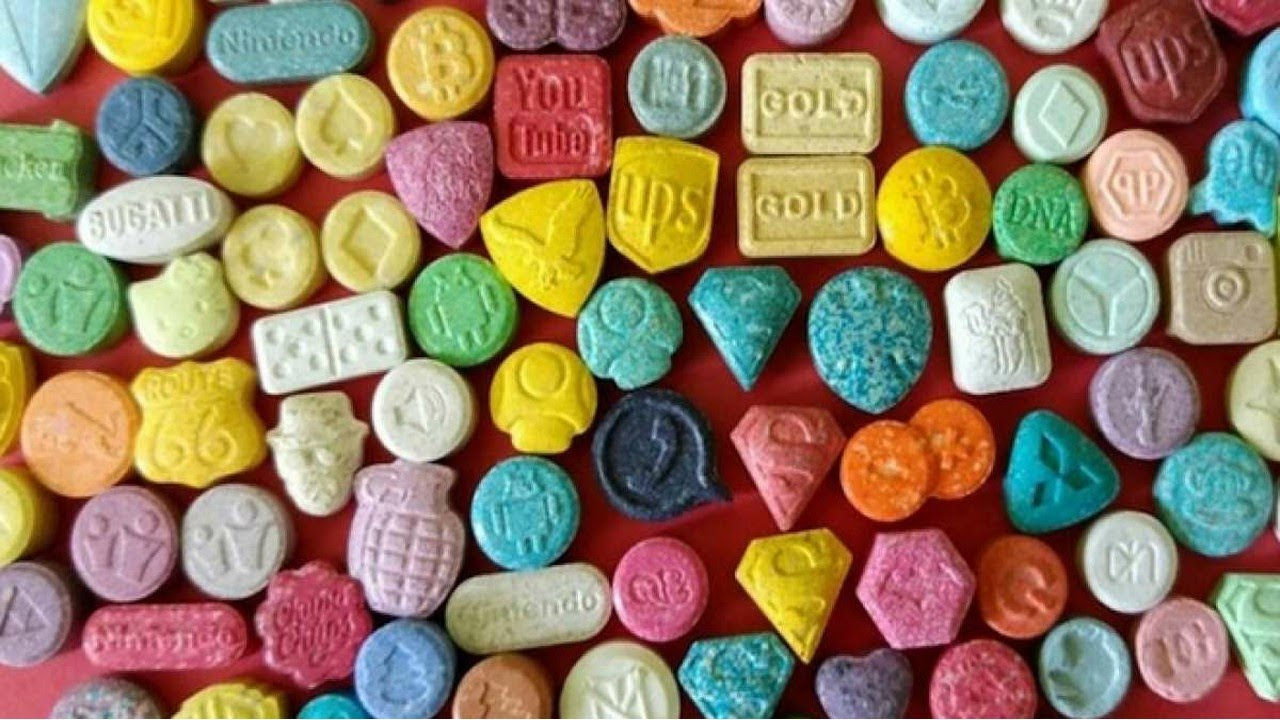
The U.S. Food and Drug Administration (FDA) has denied approval for the use of MDMA, a psychedelic drug commonly known as ecstasy or molly, for treating post-traumatic stress disorder (PTSD). The drug, developed by Lykos Therapeutics, was intended to be used in combination with talk therapy to help individuals suffering from PTSD. However, the FDA raised concerns about the limited clinical data provided, particularly questioning whether psychotherapy contributes to the drug’s effectiveness and whether it is necessary.

The FDA emphasized that the lack of sufficient data prevented them from determining that the drug is both safe and effective for its proposed use. The agency’s decision was influenced by an earlier vote from an expert panel, where the majority expressed doubts about the drug’s overall benefits. In a June panel, 10 out of 11 FDA advisers voted against the effectiveness of MDMA in treating PTSD, citing issues such as the potential lack of long-term benefits, the design of the studies, and the risks associated with heart problems, injury, and abuse.

Lykos Therapeutics expressed disappointment over the FDA’s decision, noting that additional research could take years to complete. The company highlighted the frustration of millions of Americans with PTSD who have seen few new treatment options in over two decades. Despite the setback, Lykos Therapeutics plans to continue working with the FDA to address the agency’s concerns.

This is the first time the FDA has considered a psychedelic drug for medical use. Currently, MDMA remains classified as a Schedule I drug under the Controlled Substances Act, alongside substances like cocaine, heroin, and cannabis, which are defined as having no accepted medical use and a high potential for abuse.

 

How to Sleep Like an Olympic Athlete

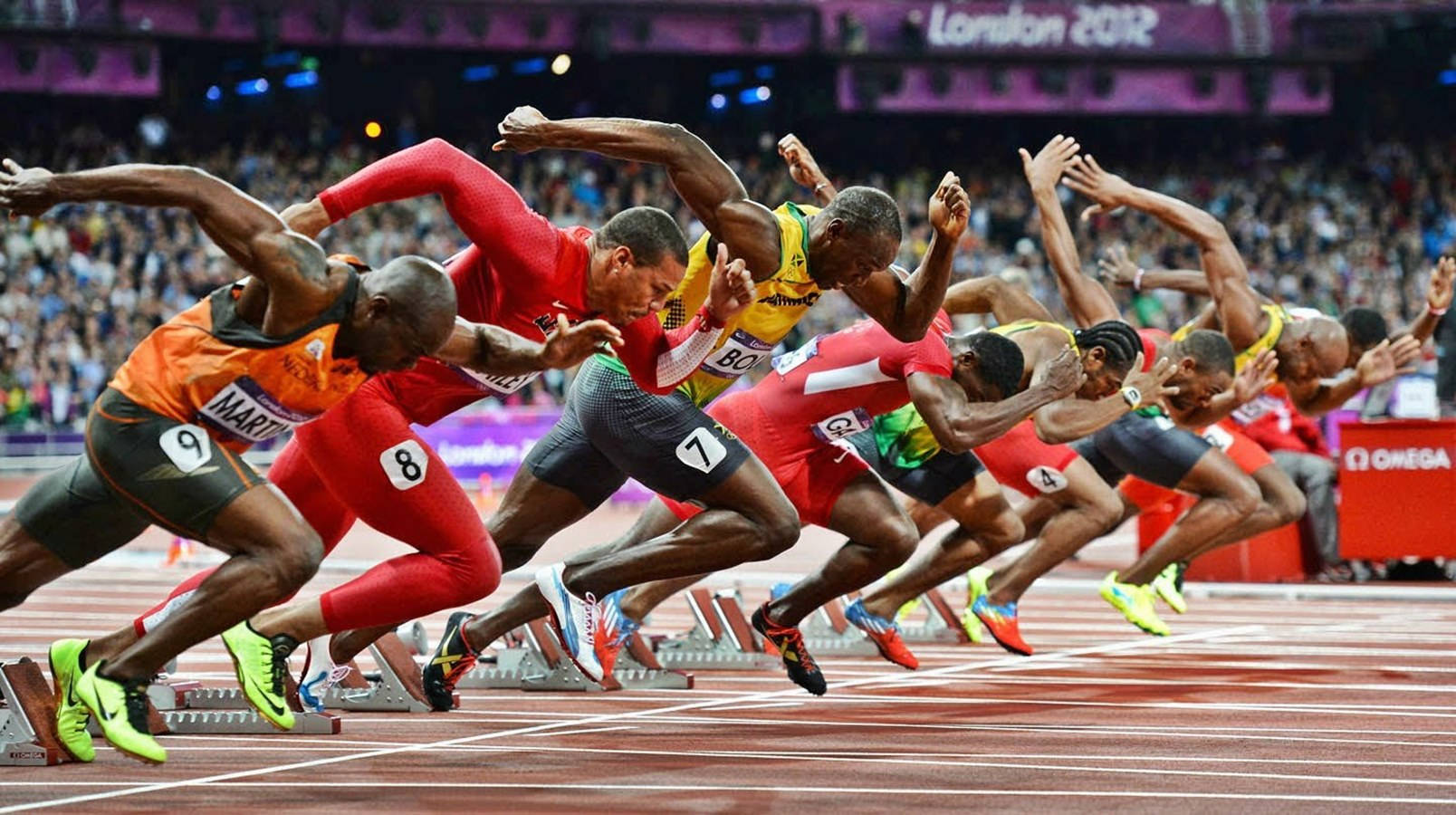
The incredible achievements of Olympic athletes result from years of rigorous training, but one crucial aspect often overlooked is sleep. Despite its importance, many athletes struggle to get the rest they need, especially before competitions. Sleep is vital for both mental and physical health, and in the world of elite sports, it can make the difference between victory and defeat. For instance, studies show that a mere 1% improvement in performance at the 2008 Beijing Olympics would have turned fourth-place finishes into medal-winning performances.

Sleep’s impact on athletic performance is profound. Research from Stanford University revealed that extending sleep to at least 10 hours per night improved sprint times and reduced fatigue in college basketball players. Conversely, sleep deprivation can harm coordination, strength, and decision-making, with effects varying by sport. Despite this, many Olympic athletes get less than the recommended eight hours of sleep, especially before competitions. Factors like early training sessions, travel, and stress contribute to poor sleep quality.

Some athletes and teams have taken sleep to the next level. The British Cycling team, for example, brought their own pillows and mattresses to the 2008 Beijing Olympics to ensure consistent sleep quality, contributing to their impressive medal haul. Elite athletes also use sleep tracking technology to monitor sleep quality and identify areas for improvement.

Improving sleep hygiene is key for athletes, including establishing regular sleep routines, limiting caffeine, and avoiding blue light before bed. The concept of “banking sleep,” or sleeping longer before a night of poor sleep, is also gaining traction. Napping, too, has proven beneficial in boosting alertness and reducing fatigue. As technology and sleep science advance, personalized sleep strategies could become a game-changer in athletic training.


JPMorgan Chase Seeks Dismissal of Lawsuit Against Russia’s VTB Bank Amid Legal Pressures

JPMorgan Chase has requested the dismissal of its lawsuit against Russia’s VTB Bank, citing coercion by the Russian state-owned bank. The legal battle began when JPMorgan froze $439.5 million of VTB’s funds following U.S. sanctions imposed after Russia’s invasion of Ukraine. VTB retaliated by suing JPMorgan in a Russian court, which subsequently ordered the U.S. bank to drop its Manhattan lawsuit.

JPMorgan argued that the Russian court’s injunction forced its hand, leaving the bank vulnerable to legal and financial risks in Russia if it did not comply. Although both banks seek to end the Manhattan litigation, they have not reached an agreement on how to phrase the dismissal order. U.S. District Judge Lorna Schofield will decide on the appropriate course of action.

The situation underscores the complexities and pressures faced by global financial institutions navigating sanctions and legal disputes across jurisdictions. VTB, sanctioned by the U.S. Treasury in February 2022, continues to challenge JPMorgan’s actions, complicating the resolution of the frozen assets. Meanwhile, JPMorgan’s assets in Russia have also been frozen, adding to the financial uncertainties the bank faces in the region.