Abu Dhabi Aims to Become a Climate Tech Hub

Abu Dhabi is leveraging its oil wealth to support startups focused on climate solutions, despite not reducing its oil dependency. In April, Abu Dhabi’s Hub71 launched its first decarbonization technology program, supporting five startups in sectors like energy and aquaculture. Hub71 CEO Ahmad Ali Alwan highlighted the UAE’s commitment to the climate agenda, aiming to enable and commercialize innovative solutions.

The UAE, committed to net zero carbon emissions by 2050, has invested heavily in renewable energy and carbon reduction technologies, restoring 6,400 hectares of carbon-absorbing mangroves. Hub71 now hosts around 20 climate tech startups, with applications for its programs doubling. A new cohort will be announced later this year.
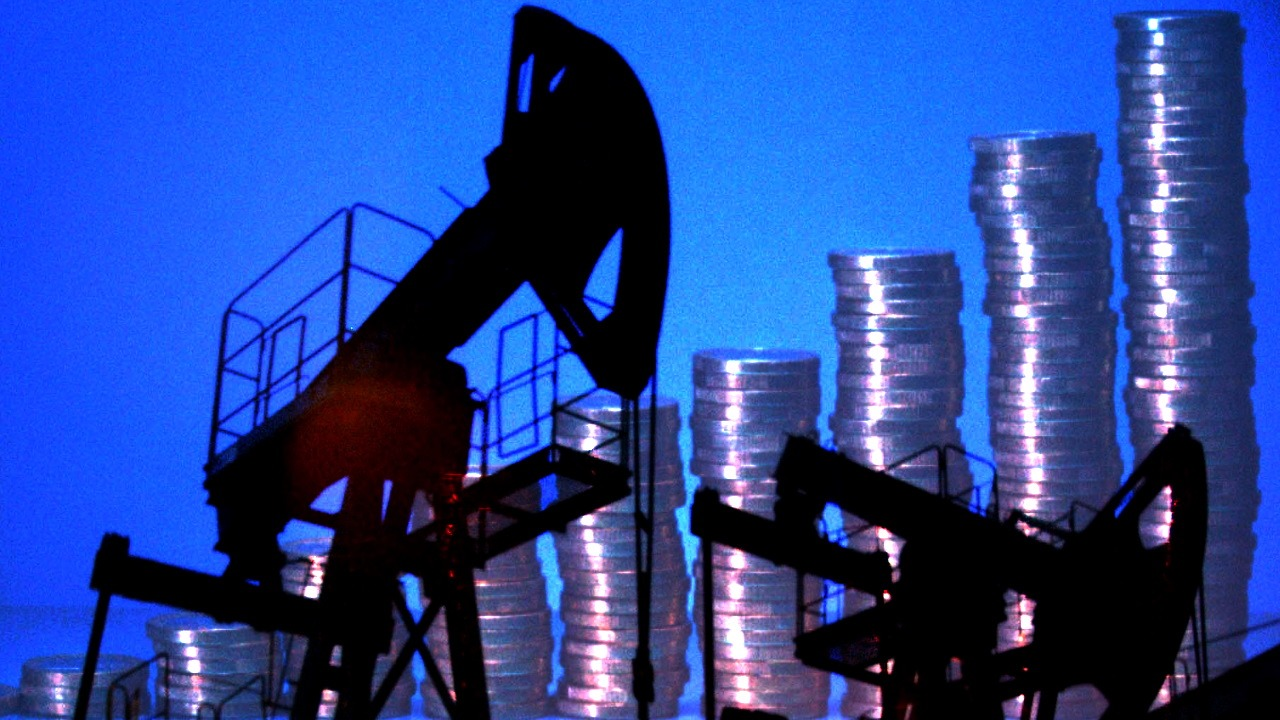
Despite oil production comprising 46% of Abu Dhabi’s economy, the UAE is pushing for higher production quotas within OPEC. State-owned Adnoc aims to increase oil output to five million barrels per day by 2027, investing $150 billion to meet this goal.

Critics question Abu Dhabi’s commitment to decarbonization due to its oil dependence. However, experts like Patricia Keating from PwC Middle East believe the city is planning for a sustainable, diversified economy, positioning itself as a leading climate tech cluster in the region. Abu Dhabi’s ecosystem includes venture capitalists, investment funds, and corporates needing to decarbonize, providing an edge in the climate tech space.

The latest Hub71 cohort includes startups focusing on reducing emissions in oil and gas plants and mitigating gas flaring. Swedish spin-off Graphmatech, using graphene technology to enhance hydrogen sustainability, has been attracted by Abu Dhabi’s financial support. Green hydrogen, produced using renewable energy, is seen as crucial for decarbonizing sectors like heavy industry and transport.

The UAE aims to be a top hydrogen producer by 2031, using renewable, nuclear, and fossil fuel sources with carbon capture. Projects like Masdar and Emirates Steel Arkan’s green hydrogen steel production pilot are underway. Graphmatech’s technology, reducing hydrogen leakage by up to 85%, is being discussed with key stakeholders in Abu Dhabi.

Companies like Adnoc, Siemens Energy, and TAQA are backing the Hub71 program, offering funding and pilot program commitments, making Abu Dhabi a test bed for climate technologies.
Disney Increases Prices for Disney+, Hulu, and ESPN+ Subscription Services

Disney has announced price hikes for its streaming services, including Disney+, Hulu, and ESPN+. Starting October 17, U.S. subscribers will face increased monthly fees amid a challenging environment for media companies dealing with shifting consumer behavior, rising operational costs, and regulatory scrutiny.

For Disney+, the ad-supported plan will rise from $7.99 to $9.99, while the ad-free plan will increase from $13.99 to $15.99. Hulu’s ad-supported plan will also jump from $7.99 to $9.99, and the ad-free plan will go up by one dollar to $18.99. ESPN+, Disney’s sports streaming service, will see a $1 increase to $11.99 per month.

Along with the price increases, Disney+ will introduce new features, including access to ABC News Live and a continuous playlist of content for preschool-aged children, ahead of the 2024 Presidential Election.

This latest round of price hikes follows previous increases aimed at making Disney’s streaming services profitable. Despite the financial challenges, Disney’s direct-to-consumer business, which includes Disney+ and Hulu, managed to turn a profit for the first time in May.

Elon Musk’s X Sues Ad Industry Group Over Alleged Advertising ‘Boycott’

Elon Musk’s X has filed a lawsuit against the Global Alliance for Responsible Media (GARM) and four prominent companies — CVS, Unilever, Mars, and Ørsted — alleging antitrust violations and accusing the group of orchestrating an advertising “boycott” against the platform. The lawsuit claims that GARM, an ad-industry initiative run by the World Federation of Advertisers, conspired to collectively withhold billions of dollars in advertising from Twitter, now rebranded as X, due to concerns over brand safety standards post-Musk’s acquisition in late 2022.

GARM aims to help brands avoid placing advertisements alongside illegal or harmful content. It comprises over 100 member companies who agree to adhere to GARM’s brand safety standards. The lawsuit alleges that after GARM publicly urged X to comply with these standards, many affiliated companies abruptly reduced or halted their advertising on the platform. This action, according to X, has significantly harmed its core ad business, which has struggled since Musk’s takeover due to fears of ads running alongside misinformation or hate speech.

X’s CEO, Linda Yaccarino, highlighted the dire situation in a video, stating that the alleged boycott threatens the company’s long-term viability. The lawsuit seeks to prevent GARM from continuing to make recommendations about advertising on X and requests unspecified monetary damages.

This lawsuit is part of a broader pattern of legal actions by X to address its declining ad revenue. Previously, X sued the Center for Countering Digital Hate (CCDH) and Media Matters, both watchdog groups, accusing them of distorting information about hate speech and extremist content on the platform, which they claim drove advertisers away. A federal judge dismissed the suit against CCDH, and the case against Media Matters is set for trial next year.