Long-term Benefits of Alzheimer’s Drug Leqembi Demonstrated in New Study

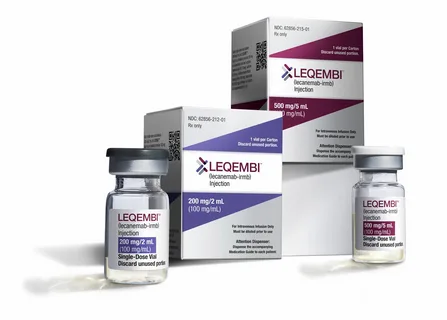
The Alzheimer’s drug Leqembi has shown promising long-term benefits in slowing disease progression, according to new data released by Eisai, a Japanese drugmaker. The study, presented at the Alzheimer’s Association International Conference, highlights the importance of continued treatment for sustained cognitive and functional benefits.

Key Findings from the Study

  1. Disease Progression Slowed Over Three Years:
    • Patients on Leqembi experienced a slower progression of Alzheimer’s disease over three years.
    • Stopping treatment led to a worsening of the disease, reinforcing the need for ongoing therapy.
  2. Reduced Adverse Side Effects:
    • Side effects such as brain bleeding and swelling decreased after six months of treatment, addressing major concerns that have hindered the drug’s approval in Europe.
  3. Efficacy and Safety Data:
    • This study provides the longest available efficacy and safety data on Leqembi, adding to the 24-month data released previously.
  4. Mechanism of Action:
    • Leqembi is a monoclonal antibody targeting amyloid plaques in the brain, a hallmark of Alzheimer’s disease. It also clears protofibrils, the building blocks of amyloid plaque.
  5. Importance of Early and Sustained Treatment:
    • Early and continuous treatment with Leqembi is crucial for maintaining cognitive function and slowing disease progression.
  6. Potential for Maintenance Dose:
    • Eisai suggests that patients may eventually switch to a maintenance dose after 18-24 months of initial treatment, possibly reducing the frequency of infusions.
  7. Regulatory Approval for New Administration Methods:
    • Eisai and Biogen are seeking approval for a once-monthly infusion of Leqembi and an injectable form that can be administered at home, potentially improving patient convenience and adherence.

Detailed Study Insights

  • Phase Three Trial (Clarity AD):
    • Examined three groups: continuous Leqembi treatment for three years, a placebo group for 18 months followed by Leqembi, and a group with no treatment.
    • The continuous treatment group showed the slowest cognitive decline.
    • Those who switched from placebo to Leqembi also benefited, but their disease progression was worse compared to those who started Leqembi earlier.
  • Sub-study on Tau Protein:
    • Patients with low levels of tau protein (indicative of early-stage Alzheimer’s) showed significant benefits.
    • 59% of these patients did not see their disease progress after three years, and over half saw an improvement.
  • Phase Two Trial (Study 201):
    • Patients who stopped Leqembi reverted to the cognitive decline rate of the placebo group during a gap period.
    • This underscores the necessity of continuous treatment even after initial plaque removal.

Implications for the Future

Leqembi’s long-term benefits highlight its potential as a critical treatment in managing Alzheimer’s disease. The study suggests that early intervention and sustained treatment are key to maximizing its benefits. The move towards more convenient administration methods could further enhance patient adherence and outcomes. As the prevalence of Alzheimer’s continues to rise, these findings offer hope for improved management of this challenging condition.


GLP-1s Beyond Weight Loss and Diabetes: Exploring New Therapeutic Frontiers

The potential health benefits of GLP-1 (glucagon-like peptide-1) drugs, known for their use in weight loss and diabetes management, are expanding. Novo Nordisk recently revealed that its GLP-1 drug liraglutide may slow Alzheimer’s disease progression by protecting the brain, according to new mid-stage trial data. Additionally, another study indicated that semaglutide, found in Novo Nordisk’s Wegovy and Ozempic, could aid smoking cessation. These GLP-1 treatments mimic gut hormones to suppress appetite and regulate blood sugar, and researchers believe they might also reduce inflammation and treat other conditions.

However, more extensive research and longer trials are necessary before regulators can approve these drugs for additional uses. The FDA took a significant step in March by approving Wegovy to reduce the risk of serious heart complications. This could increase pressure on insurers to cover these treatments, which often cost around $1,000 per month. Here are other conditions GLP-1s are being tested for:

1. Cardiovascular Health:
• Wegovy has been shown to reduce the risk of heart attack, stroke, and death from cardiovascular causes by 20% in obese patients with heart disease.
• It also alleviated cardiovascular symptoms in patients with obesity, diabetes, and heart failure.
• Eli Lilly’s tirzepatide (in Zepbound and Mounjaro) is being tested in a late-stage trial for obesity and heart failure, expected to conclude this month.

2. Chronic Kidney Disease:
• Novo Nordisk’s Ozempic slowed chronic kidney disease progression in diabetes patients, reducing the risk of death and major cardiac events by 24%.
• Eli Lilly is also studying tirzepatide for obesity and chronic kidney disease in a trial ending in 2026.

3. Fatty Liver Disease:
• Eli Lilly’s Zepbound significantly improved fatty liver disease outcomes in a mid-stage trial.
• Novo Nordisk and other companies like Zealand Pharma, Viking Therapeutics, and Altimmune are also studying GLP-1 treatments for fatty liver disease.

4. Sleep Apnea:
• Zepbound has shown promise in resolving moderate to severe obstructive sleep apnea, and the FDA is reviewing it for this use.

5. Alzheimer’s Disease:
• Novo Nordisk is investigating semaglutide in late-stage trials for Alzheimer’s disease.

6. Addiction:
• Studies are exploring GLP-1s’ potential to curb addictive behaviors, including nicotine and alcohol use. Novo Nordisk is planning a study to see if semaglutide can reduce alcohol consumption.

The broadening scope of GLP-1 applications underscores their potential as versatile treatments for various conditions beyond weight loss and diabetes.

23andMe CEO Anne Wojcicki Proposes to Take Company Private as Stock Plummets

Anne Wojcicki, CEO of 23andMe, has submitted a proposal to take the genetic testing company private, as its stock price remains below $1. In a filing with the U.S. Securities and Exchange Commission on Wednesday, Wojcicki offered to buy all outstanding shares of 23andMe’s common stock for 40 cents per share in cash. This proposed price represents an 11% premium to the company’s closing stock price in April.

Wojcicki, who co-founded 23andMe in 2006, initially expressed interest in acquiring the company in April, stating that she would not support any alternative transaction. She aims to complete the transaction “as promptly as possible,” according to the filing. On Wednesday, shares of 23andMe closed at 40 cents.

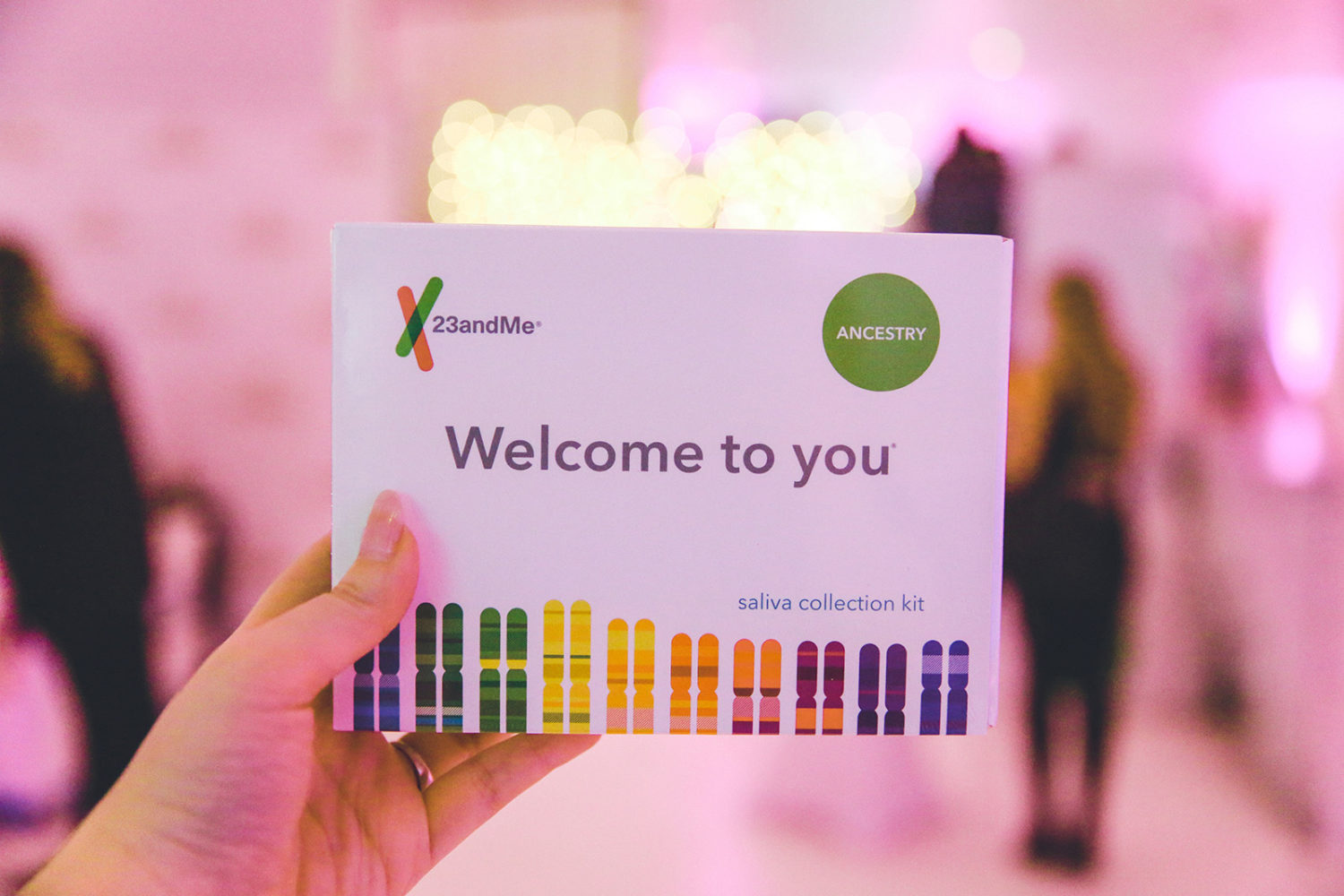
23andMe, known for its at-home DNA testing kits that provide customers with insights into their ancestry and genetic profiles, went public in 2021 through a merger with a special purpose acquisition company (SPAC), valuing it at approximately $3.5 billion. However, the company has struggled to maintain steady revenue, as customers only need to use its DNA testing product once. Since its public debut, the stock has declined by over 95%.

Wojcicki believes that taking 23andMe private will better equip the company to focus on its long-term mission without the short-term pressures of the public markets. In November, the company received a deficiency letter from the Nasdaq Listing Qualifications Department, giving it 180 days to bring its share price back above $1. In response, 23andMe’s board formed a “Special Committee” in late March to explore options to improve the stock price.

The Special Committee will need to approve or reject Wojcicki’s proposal to take the company private.