Biogen Surpasses Q2 Expectations and Raises Outlook as Alzheimer’s Drug Leqembi and New Products Drive Growth

Biogen reported second-quarter earnings and revenue that exceeded estimates, leading to an increase in the company’s full-year guidance. The improved outlook is attributed to the successful implementation of cost-cutting measures and stronger-than-expected sales of the Alzheimer’s drug Leqembi and other new products. Biogen now projects full-year adjusted earnings to be between $15.75 and $16.25 per share, up from the previous forecast of $15 to $16 per share.

Despite expecting a slight decline in 2024 sales, Biogen is optimistic about its growth prospects. Leqembi, developed in partnership with Eisai, has shown promising sales figures, generating approximately $40 million in Q2, surpassing the $31 million expected by analysts. This is a significant increase from the $10 million in sales reported last year. However, Leqembi faces regulatory challenges in Europe due to concerns about brain swelling and bleeding risks, which Biogen is currently addressing.
CEO Chris Viehbacher expressed confidence in the company’s new product launches, noting that all are performing in line with or ahead of expectations. Biogen aims to achieve $1 billion in gross cost savings by 2025, with $800 million in net savings. These savings will allow the company to reinvest in new product launches and essential research and development projects.

In addition to Leqembi, Biogen’s acquisition of Reata Pharmaceuticals has brought Skyclarys into its portfolio, which reported $100 million in Q2 sales, exceeding the $92.3 million anticipated by analysts. Skyclarys, approved by the FDA last year, is the first treatment for Friedreich’s ataxia. The company plans to market Skyclarys in 20 countries by the end of the year.

Zurzuvae, the first oral treatment for postpartum depression, also performed well, with Q2 sales of $14.9 million, beating the expected $11 million. However, Biogen’s multiple sclerosis treatments saw a 5% decline in sales, totaling $1.15 billion, due to competition from generics. Despite this, some treatments, like Tecfidera, managed to generate higher-than-expected revenue.
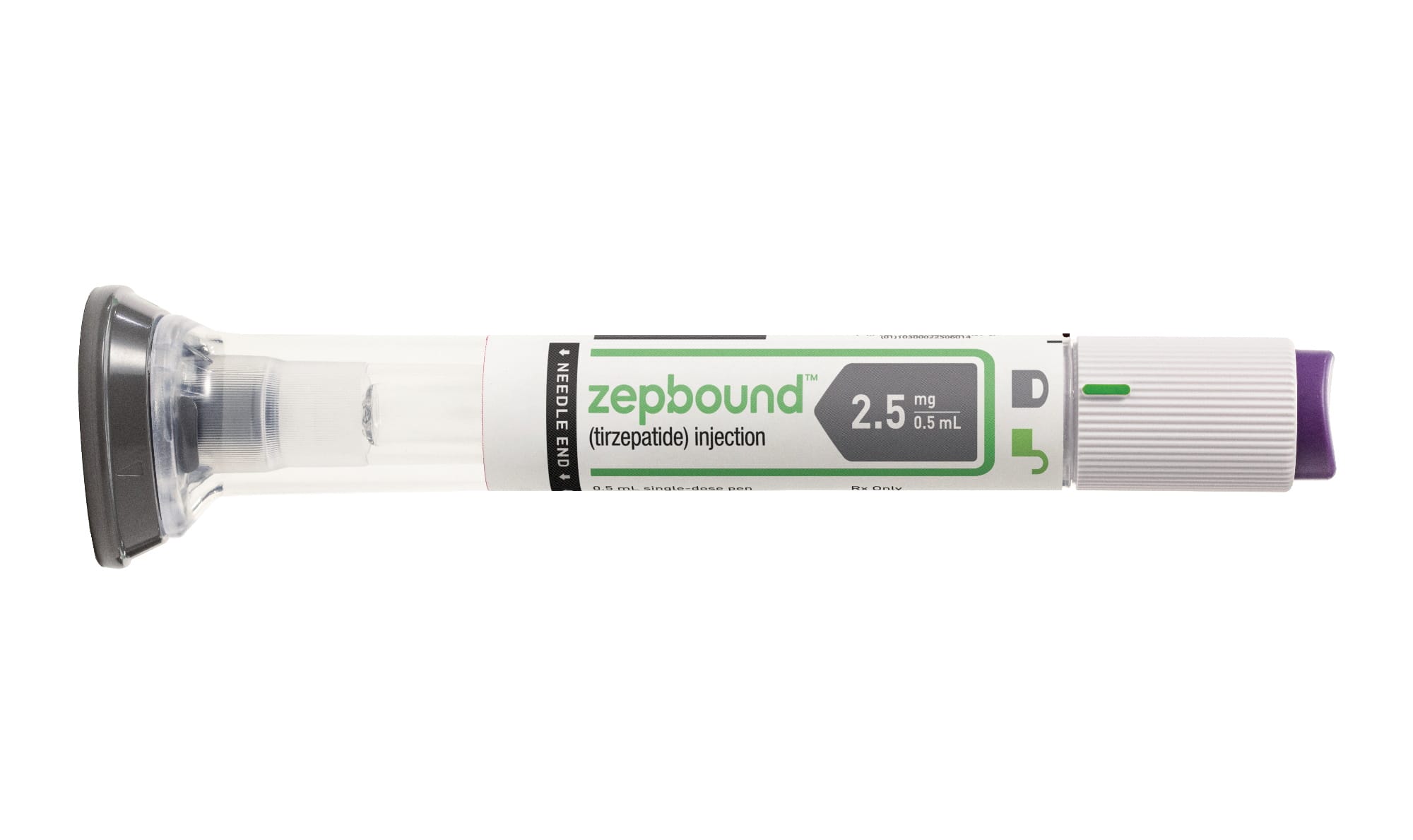
 

Eli Lilly’s Zepbound and Mounjaro Now Available in U.S. After Shortages, FDA Says

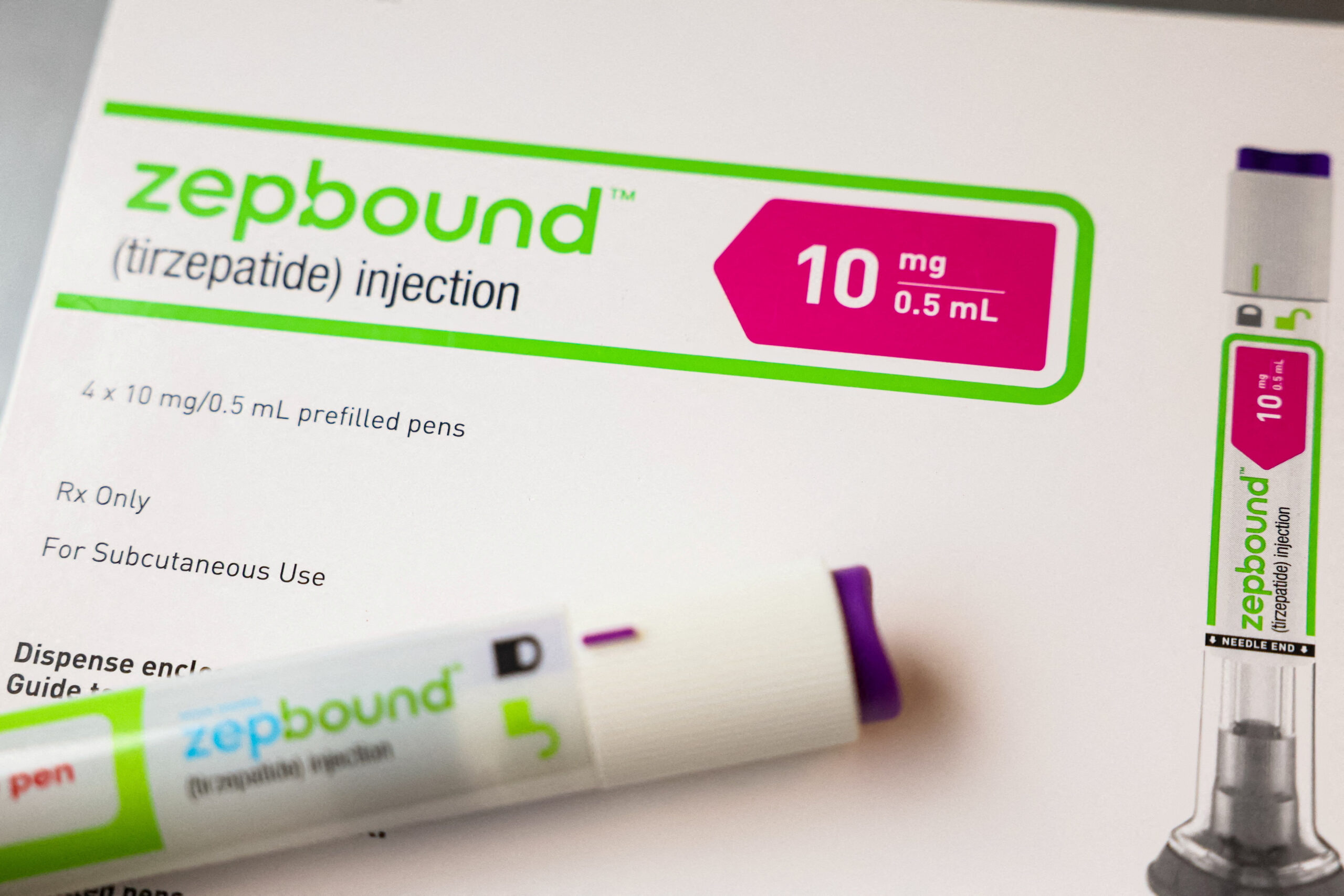
All doses of Eli Lilly’s highly popular weight loss injection Zepbound and diabetes drug Mounjaro are now available in the U.S., according to the latest update on the U.S. Food and Drug Administration’s (FDA) drug shortage database. This follows a period where some doses of these treatments were still in short supply.

Some doses of Mounjaro have been in shortage since early 2022, while Zepbound joined the FDA’s shortage list earlier this year following its U.S. approval in November. The surge in demand for weight loss and diabetes medications has significantly outpaced supply, prompting Eli Lilly and its competitor Novo Nordisk to invest billions in ramping up manufacturing capacities.


The FDA’s update was issued just one day after Eli Lilly CEO David Ricks indicated in an interview with Bloomberg that the shortages of Mounjaro and Zepbound would end “very soon.” “I think actually today or tomorrow we plan to exit that process,” Ricks stated.

The resolution of these shortages is expected to be a significant relief for patients who rely on these medications for managing their weight and diabetes. Both Zepbound and Mounjaro have garnered substantial attention for their efficacy, contributing to the heightened demand.


Abrdn Finance Chief Jason Windsor to Replace Stephen Bird as CEO, Financial Times Reports

Abrdn’s finance chief, Jason Windsor, is poised to become the next chief executive of the British fund manager following the departure of Stephen Bird, according to a report by the Financial Times. Windsor is expected to be officially appointed to the role as soon as Tuesday, coinciding with the company’s half-year results announcement, the newspaper reported, citing sources close to the process.

Despite the anticipation, Abrdn has stated, “No decision has been made on the appointment of a new CEO. When a decision is taken by the board, we will update the market in line with regulatory requirements.”

Stephen Bird stepped down in May after a challenging four-year tenure characterized by significant client cash outflows and a controversial rebranding effort. Windsor has been serving as interim chief executive while the company conducted a search for Bird’s permanent successor.

Abrdn has faced considerable challenges in reversing its fortunes, with persistent client withdrawals exacerbating its troubles. The company’s struggles were highlighted last year when it was demoted from Britain’s blue-chip FTSE 100 index.

During his tenure, Bird attempted to rejuvenate the business by cutting jobs, streamlining the range of funds, and expanding into the mass-market investing sector through the acquisition of the online platform interactive investor in 2022. He also explored the possibility of selling Abrdn’s underperforming investments arm, though he emphasized in January that the company had explored all scenarios and remained focused on retaining and revitalizing that segment.

The financial community will be watching closely to see how Windsor’s leadership will influence Abrdn’s strategic direction and whether he can succeed where his predecessor faced significant challenges.