Gaza’s First Polio Case in 25 Years: A Heartbreaking Story Amid War and Vaccination Struggles

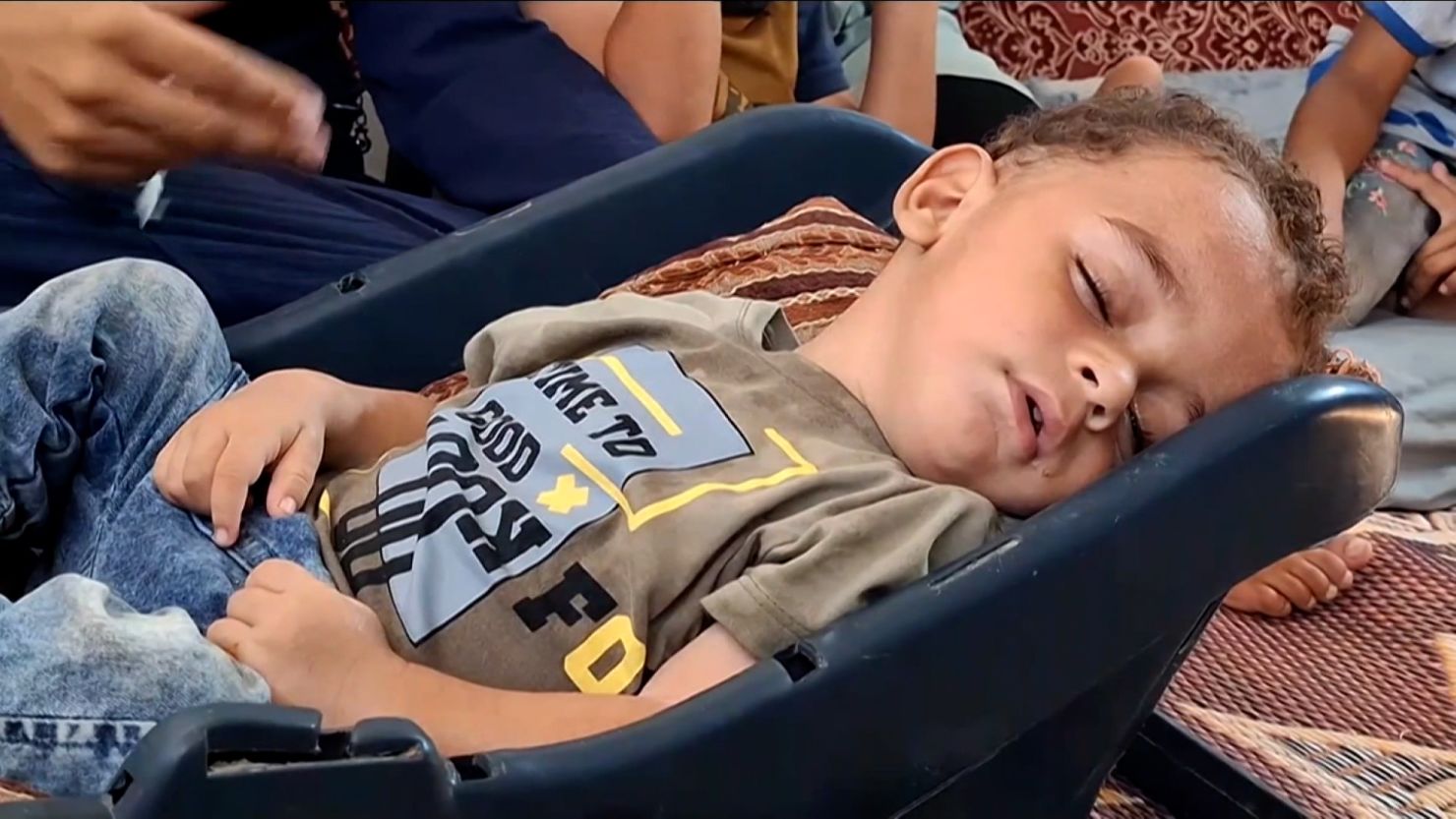
In the war-ravaged Gaza Strip, one-year-old Abdul Rahman lies in a battered car seat, too young to understand the drones circling above or the gravity of the incurable disease now paralyzing his small body. His mother, Niveen Abu al-Jidyan, watches over him in a makeshift tent at Al-Mawasi refugee camp, deeply distressed by her son’s condition. “He can’t stand, sit, or move like before. He is very weak,” she says, helpless as Abdul Rahman battles polio, the first case Gaza has seen in 25 years.

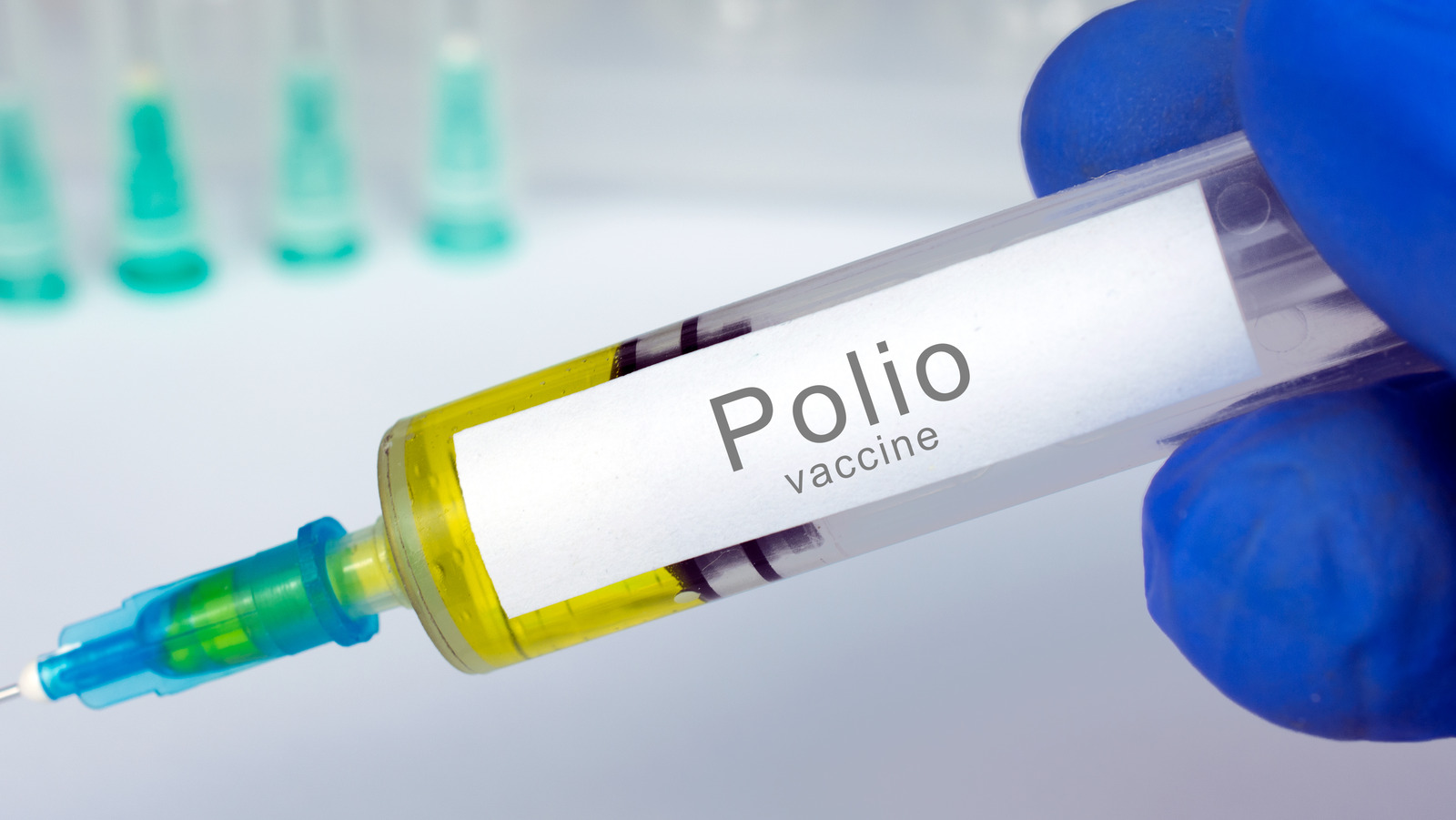
Polio, a once-feared disease that mostly affects children under five, can cause irreversible paralysis and even death, but it is easily preventable with a vaccine. However, amid the ongoing war, Abdul Rahman never received the vaccinations that could have protected him. Once boasting near-universal immunization coverage, Gaza’s rates have plummeted to just over 80%, leaving children like Abdul Rahman vulnerable to preventable diseases.

The World Health Organization (WHO) and UNICEF are working together to roll out a mass vaccination campaign aimed at inoculating 640,000 children under the age of 10 in Gaza, a vital step to prevent the outbreak from spreading. According to WHO, around 95% of the population needs to be vaccinated to halt the virus in its tracks. If this level of coverage isn’t achieved, WHO warns that thousands of children could soon fall victim to the disease.
Picture background

Despite the urgency, the logistics of conducting such a large-scale vaccination drive in a war zone present monumental challenges. Ongoing Israeli bombardments have displaced up to 90% of Gaza’s population, destroyed infrastructure, and severely hampered access to food, water, and medical care. Most of Gaza’s health facilities have been destroyed, leaving only five of the original 22 health centers operational. As Sam Rose, director of planning at UNRWA, explains, “The administration of the vaccine is the easy part. The difficult part is everything else.” Repeated evacuations and the destruction of essential infrastructure continue to hinder aid efforts.

COGAT, the Israeli government agency responsible for coordinating movement into and out of Gaza, has allowed over 25,000 vials of polio vaccine into the strip, along with necessary cooling equipment to maintain the vaccine’s effectiveness. If conditions allow, the vaccination drive is set to begin on August 31. However, for Abdul Rahman, this comes too late.

With Gaza’s healthcare system devastated by war, the Abu al-Jidyan family faces an uncertain future. Polio may have no cure, but there are treatments that can help alleviate its symptoms. Unfortunately, even these limited treatments are likely out of reach for Abdul Rahman due to the lack of medical supplies and facilities in the strip. Desperate, Niveen Abu al-Jidyan pleads for help: “Take him abroad for treatment or find a solution so my son can start walking and start moving again.”

As Gaza struggles to combat both the war and a resurgence of polio, Abdul Rahman’s story is a tragic reminder of the toll that conflict takes on the most vulnerable. The urgency of the vaccination campaign is now more critical than ever, with the future health of thousands of children hanging in the balance.
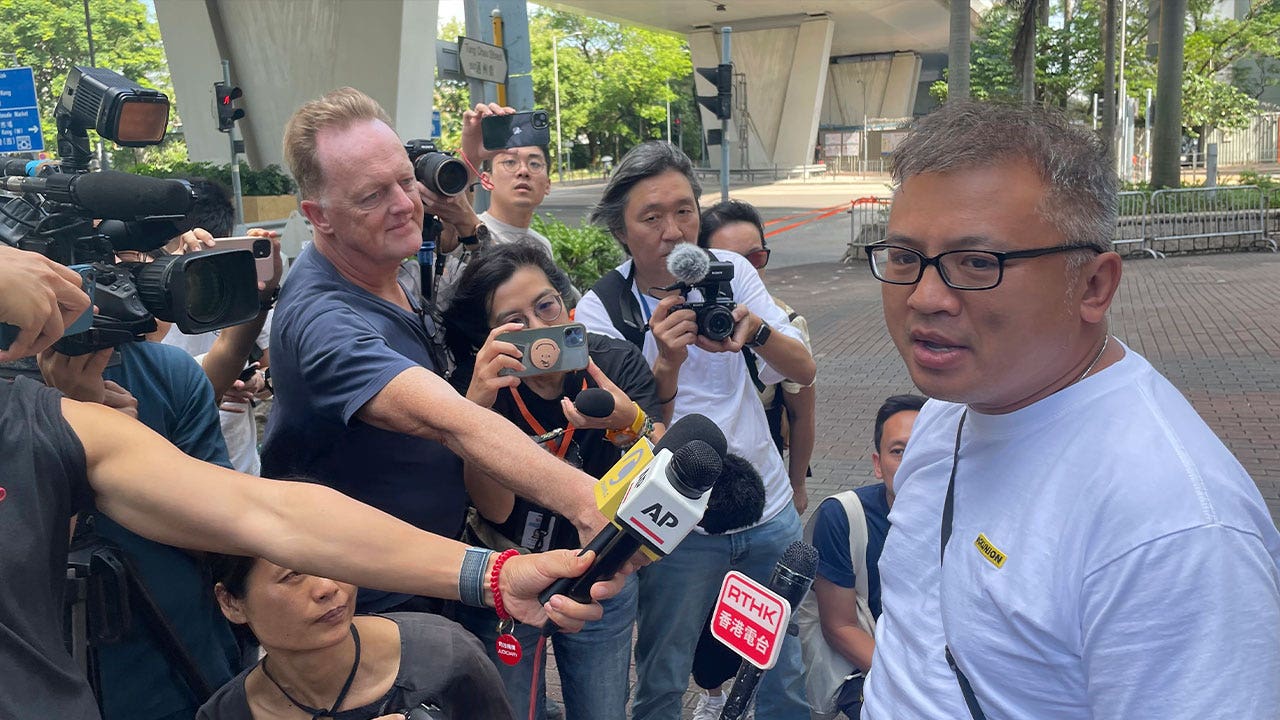
Hong Kong Journalists Convicted of Sedition, Sparking Concerns Over Press Freedom Amid Beijing’s Crackdown

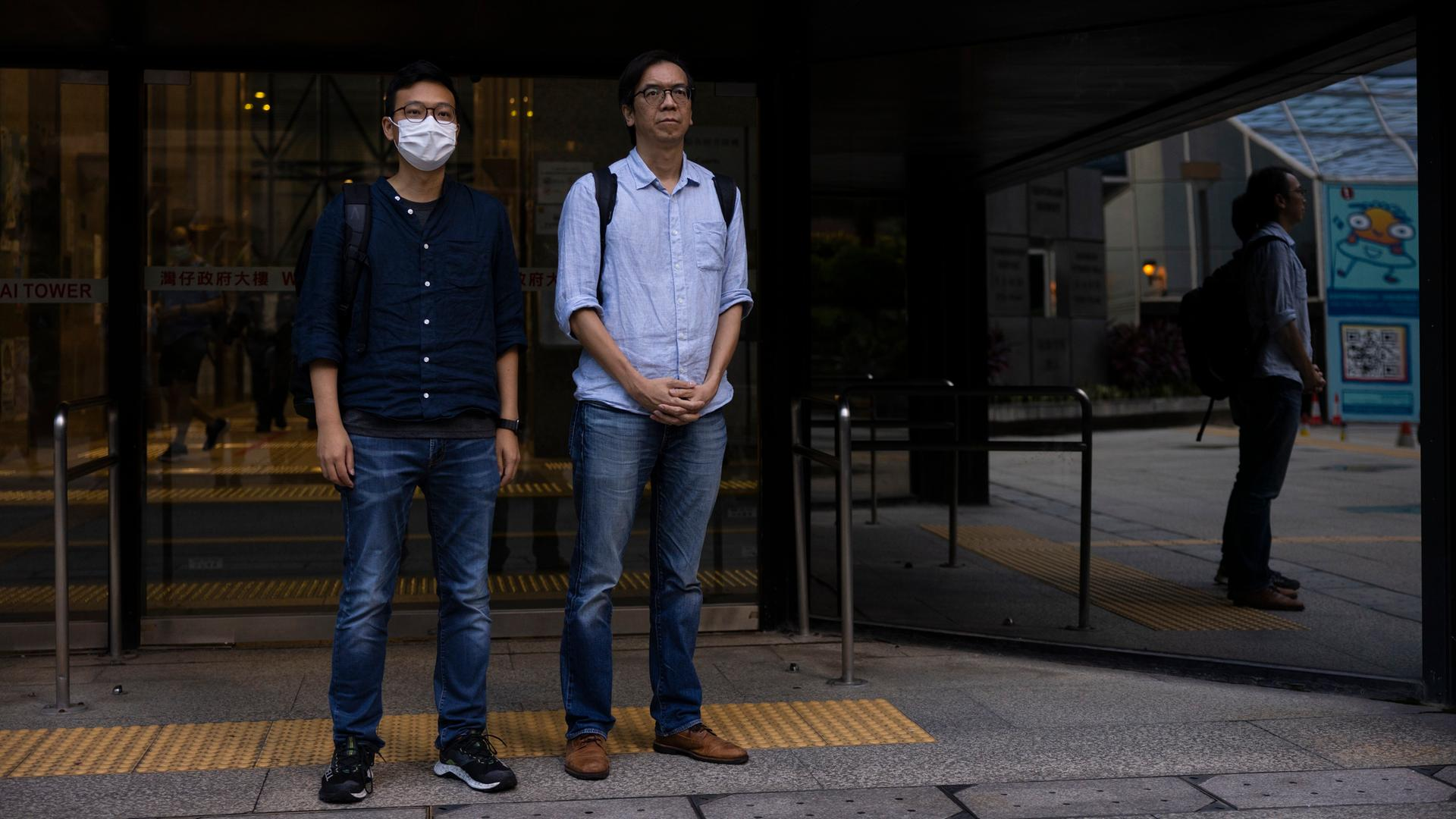
Two former editors of the now-defunct pro-democracy publication Stand News in Hong Kong were found guilty of sedition by a local court, a verdict that has deepened global concerns over press freedom in the semi-autonomous city. Chung Pui-kuen, former editor-in-chief, and Patrick Lam Shiu-tung, former acting editor, were convicted under a colonial-era law that has resurfaced as a powerful tool to suppress dissent, following the 2019 anti-government protests. Critics argue the ruling is a stark reminder of the erosion of press liberties under Beijing’s expanding influence over Hong Kong.

The sedition charges against Chung and Lam arose from the publication of 17 articles between July 2020 and December 2021, which prosecutors claimed incited hatred against both the Hong Kong government and China’s central authorities. The articles included interviews with former opposition lawmakers and pro-democracy activists, many of whom are currently imprisoned or in self-imposed exile. Despite the defense’s argument that the publication maintained balanced journalism by featuring a variety of voices, the court ruled that 11 of the 17 articles were seditious.

Judge Kwok Wai-kin asserted that the articles in question were published during a highly charged political environment and had the intent to incite public hatred and illegal actions against the government. The court emphasized that both Chung and Lam bore responsibility for providing Stand News as a platform to stir unrest. The sentencing for the two journalists will be announced at a later date, with a maximum penalty of two years in prison.

The case marks the first time journalists have been prosecuted for sedition in Hong Kong since its return to Chinese rule in 1997, underscoring the city’s stark transformation from a once-thriving hub of press freedom to a place where critical voices are systematically silenced. Hong Kong’s media landscape has shrunk dramatically since the introduction of the national security law in 2020, with several independent outlets, including Apple Daily and Stand News, being forced to shut down.

Picture background

While authorities in both Hong Kong and Beijing argue that the national security law has restored order following the unrest of 2019, critics see the legislation as a sweeping measure to quash any form of political dissent. The law’s broad reach has left many journalists and activists either jailed or fleeing the city. The recent conviction also coincides with the ongoing trial of media tycoon Jimmy Lai, who faces charges of colluding with foreign forces and sedition, potentially facing life imprisonment if found guilty.

Further compounding fears of censorship, Hong Kong’s government recently passed a second national security law known as Article 23, which increased penalties for sedition-related offences, extending potential prison sentences to 10 years. Media workers have expressed growing concern over these developments, as highlighted in a recent report by the Hong Kong Journalists Association (HKJA). The HKJA’s latest annual survey revealed that press freedom in the city has reached its lowest point since the organization began tracking it in 2013, with journalists increasingly worried about potential repercussions for their work.

Hong Kong leader John Lee, a former police chief, has dismissed concerns about the decline in press freedom, insisting that the city remains a vibrant media hub. However, international watchdogs like Reporters Without Borders (RSF) have offered a grimmer assessment, ranking Hong Kong 135th out of 180 countries in its 2023 World Press Freedom Index—an alarming drop from 18th place in 2002. The steep decline reflects the growing pressure on journalists in the city as Beijing tightens its grip, bringing Hong Kong’s once vaunted media freedoms closer in line with mainland China’s highly controlled press environment, which ranks near the bottom of RSF’s index at 179th.

As the court proceedings continue, the convictions of Chung and Lam serve as a chilling message to those who dare to question or criticize authorities in Hong Kong. The international community will be closely watching how this case, along with others like that of Jimmy Lai, unfolds, as it reflects the ongoing struggle for freedom of expression in the face of authoritarian rule.

Son of Spanish Actor Rodolfo Sancho Sentenced to Life in Thai Prison for Murder

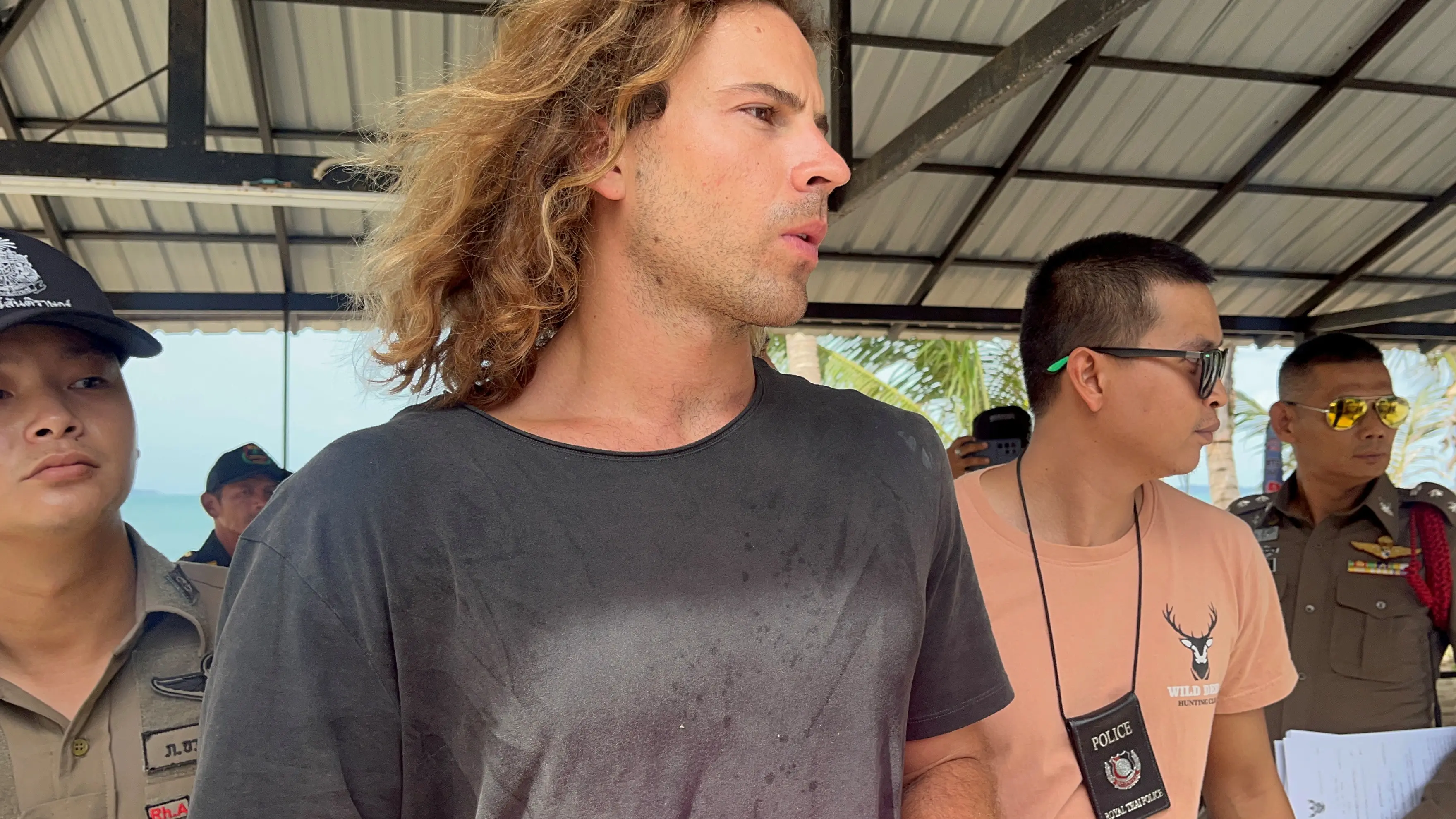
Daniel Sancho, the son of well-known Spanish actor Rodolfo Sancho, has been sentenced to life imprisonment by a Thai court for the murder and dismemberment of Colombian plastic surgeon Edwin Arrieta Arteaga. Sancho, a chef and YouTube content creator, committed the crime last year at a resort on the island of Koh Phangan.

Sancho admitted to killing Arrieta following a dispute in a hotel room, dismembering his body, and disposing of the remains in plastic bags around the island. Despite facing the possibility of the death penalty, the court reduced his sentence to life in prison, recognizing his cooperation during the trial.

Sancho’s legal team plans to appeal the sentence, while the court found him guilty of premeditated murder, concealment of a body, and destruction of documents. Evidence presented in court showed that Sancho had made preparations for the crime, buying items such as knives, gloves, and plastic bags before the murder.