
Kamala Harris Widens Lead Over Trump in Latest Poll as Voter Enthusiasm Rises

In a significant development ahead of the 2024 U.S. presidential election, a Reuters/Ipsos poll shows that Democratic Vice President Kamala Harris has widened her lead over former President Donald Trump. Harris now leads Trump 45% to 41% among registered voters, an increase from the narrow 1-point lead she held in late July. The poll, conducted over eight days ending Wednesday, reflects growing voter enthusiasm for Harris, particularly among women and Hispanic voters, where she now leads Trump by a substantial 13 percentage points.

The shift in polling comes after President Joe Biden withdrew from the race following a challenging debate performance against Trump in July, leading to growing support for Harris. While Trump continues to hold strong leads among white voters and men, his advantage among voters without a college degree has notably shrunk.

Despite Harris’ national lead, the race remains competitive in critical swing states. Trump leads Harris 45% to 43% in seven key states that decided the 2020 election. However, Harris’ rise in national polls and increased enthusiasm from Democratic voters—73% of whom are now more excited about voting in November—suggest a potential shift in the electoral landscape.

While Harris enjoys strong support on issues such as abortion policy, Trump remains favored on economic management. With the election still months away, both candidates face challenges as they navigate shifting voter dynamics in a closely watched race.
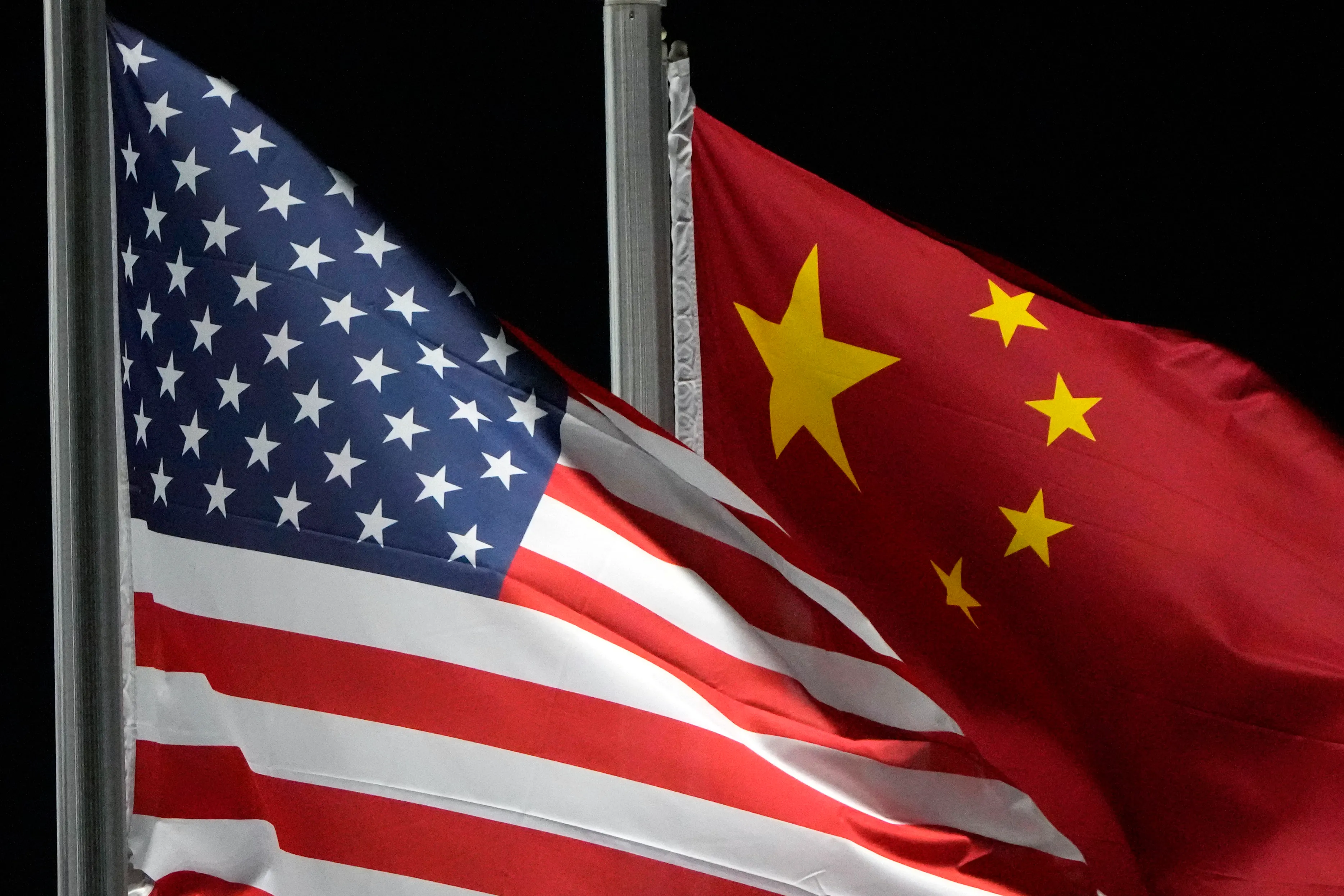

U.S. Government Funding Supports Over 1,000 Patents for China-Based Researchers, Sparking National Security Concerns

A recent review of U.S. patent data has revealed that more than 1,000 U.S. patents have been granted to China-based inventors since 2010, with many of these patents funded by U.S. government agencies such as the Department of Defense, NASA, and the Department of Energy. These patents span crucial fields including biotechnology and semiconductors, raising alarms about the potential national security risks posed by U.S. taxpayers inadvertently supporting technological advancements that may benefit China.

The revelation has sparked increased scrutiny of the U.S.-China Science and Technology Agreement, a cooperation pact dating back to 1979. Critics argue that this agreement disproportionately benefits China, amplifying calls for its renegotiation or cancellation. The agreement, which expired in August 2023, is currently under review, with lawmakers divided on whether to extend it. While opponents fear the accord enables China’s growing military power and intellectual property theft, proponents caution that ending it could stifle valuable academic and commercial collaboration between the two nations.

The data from the U.S. Patent and Trademark Office indicates that from 2010 through the first quarter of 2024, the U.S. government funded research that led to 1,020 patents involving China-based inventors. Of these, 197 patents were related to pharmaceuticals, while 154 were tied to biotechnology. Notably, funding from the Department of Defense supported 92 of these patents, despite concerns that technological advancements in these areas could strengthen China’s strategic industries.

The drop in patents from a high of 99 in 2019 to 61 in 2023, along with concerns over China’s global leadership in patent filings, underscores the shifting dynamics in global innovation. As debates continue over the future of the U.S.-China science agreement, the patent data serves as a stark reminder of the complex balance between collaboration and competition in the realm of technological advancement.

Typhoon Shanshan Wreaks Havoc in Japan, Millions Ordered to Evacuate Amidst Severe Storm

Typhoon Shanshan has caused widespread chaos across southwestern Japan, prompting the evacuation of millions as the storm battered the region with violent winds and torrential rainfall. The typhoon, one of the most powerful storms to hit the area in recent history, has resulted in at least three deaths and left dozens injured. Authorities warned that the worst might not be over as the storm continues its path northward, with the potential to affect central and eastern regions, including Tokyo, over the weekend.

The storm’s impact was severe, with gusts reaching up to 180 km/h (112 mph), causing power outages in over 200,000 households across seven prefectures. In Miyazaki city, southern Kyushu, strong winds shattered windows and downed power lines, leaving destruction in their wake. Funeral parlor worker Tomoki Maeda, who was caught in the storm, described it as the strongest wind he had ever experienced in his life.

Industries were hit hard by the typhoon, with major automakers such as Toyota, Nissan, and Honda suspending operations at their domestic plants due to safety concerns. The storm also disrupted production at semiconductor companies like Renesas and Tokyo Electron. The closures come as Japan grapples with increasing natural disasters, causing significant economic disruption.

More than 5.2 million people have been told to evacuate, mainly in Kyushu, but evacuation orders have also been issued in central regions affected by heavy rain and landslides. Elderly evacuees have been housed in emergency shelters, including a hotel in Hitoyoshi city, where all prior reservations were canceled to accommodate displaced residents.

Transportation across the affected regions has been paralyzed, with almost 800 flights canceled by airlines such as ANA Holdings and Japan Airlines. Train services in Kyushu have also been suspended, alongside hundreds of halted bus and ferry routes.

Typhoon Shanshan is part of a series of severe weather events that have struck Japan recently, following Typhoon Ampil earlier in the month, which similarly led to widespread power outages and evacuations. Authorities continue to monitor the storm’s progress, urging caution as the storm advances toward more populated regions.