Latino Voting Group Demands DOJ Investigation into Controversial Election Fraud Raids in Texas

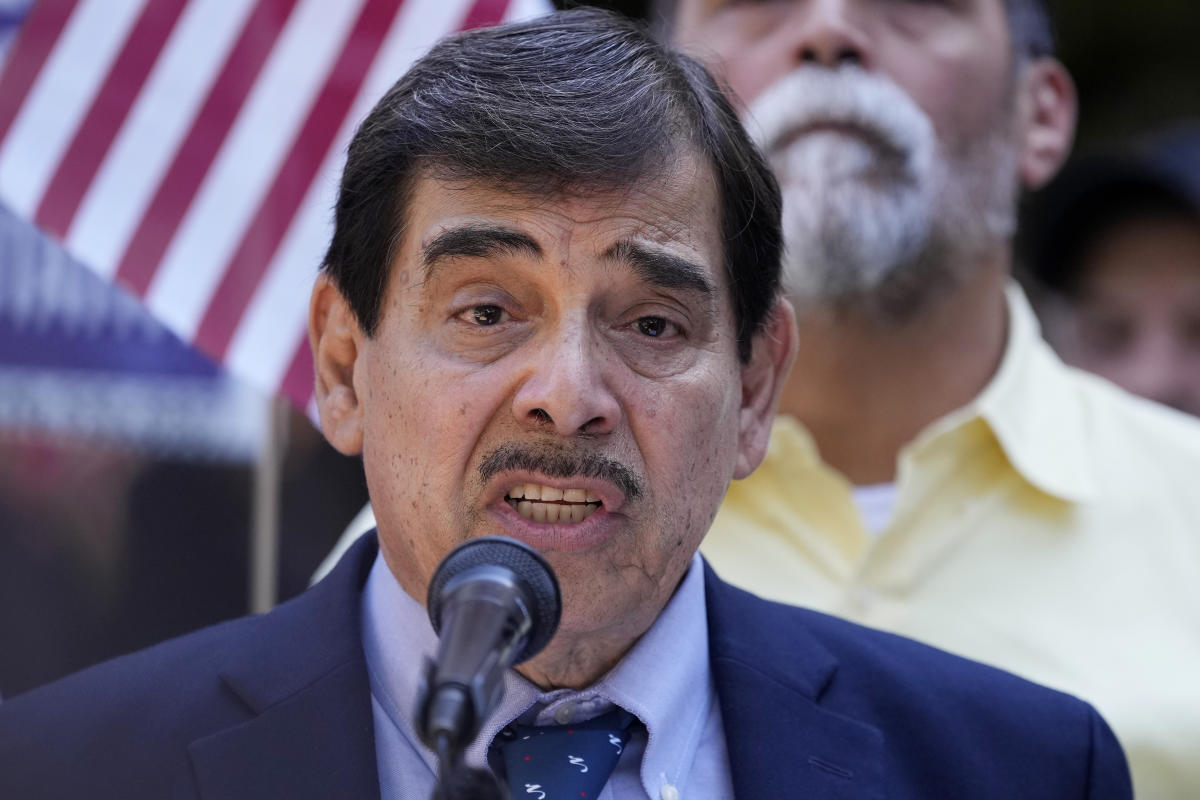
A leading Latino voting organization has called for a federal investigation into recent election fraud raids conducted across Texas under the direction of Attorney General Ken Paxton. The League of United Latin American Citizens (LULAC) has raised concerns about the raids, which targeted notable Democrats and elderly election volunteers. According to LULAC, investigators seized personal devices, including cell phones and computers, and subjected individuals to undue distress.

LULAC’s Lupe Torres has urged the Justice Department to launch a thorough and transparent probe into the circumstances leading to these armed raids. The raids reportedly included the detention of Lydia Martinez, an 80-year-old retired teacher, who was reportedly removed from her home in her nightgown, facing public humiliation. Martinez’s personal belongings and voter registration materials were confiscated, and she was allegedly pressured to reveal her passwords.

LULAC’s CEO, Juan Proaño, condemned the raids as unfounded, asserting that no substantial evidence of voter fraud or harvesting was presented to support the warrants. He highlighted that such allegations are not supported by evidence and criticized the basis of these raids as baseless.

In contrast, Attorney General Paxton defended the raids, citing “sufficient evidence” of election fraud as justification for the search warrants. The investigation stemmed from a county prosecutor’s referral of alleged election fraud and vote harvesting cases to Paxton’s office.

The timing of the raids coincided with Governor Greg Abbott’s announcement regarding the removal of over a million names from the state’s voter rolls since 2021, which included nearly half a million deceased individuals and over 6,500 non-citizens. While Abbott’s office stated that these updates are routine, Proaño argues that the small number of non-citizens among the removed registrants indicates that voter fraud is not widespread.

The Justice Department has acknowledged receipt of LULAC’s letter but has not yet indicated whether it will take further action regarding the matter.
Biden Administration Dismisses Prospects for Renewed Iran Nuclear Talks Amidst Tensions

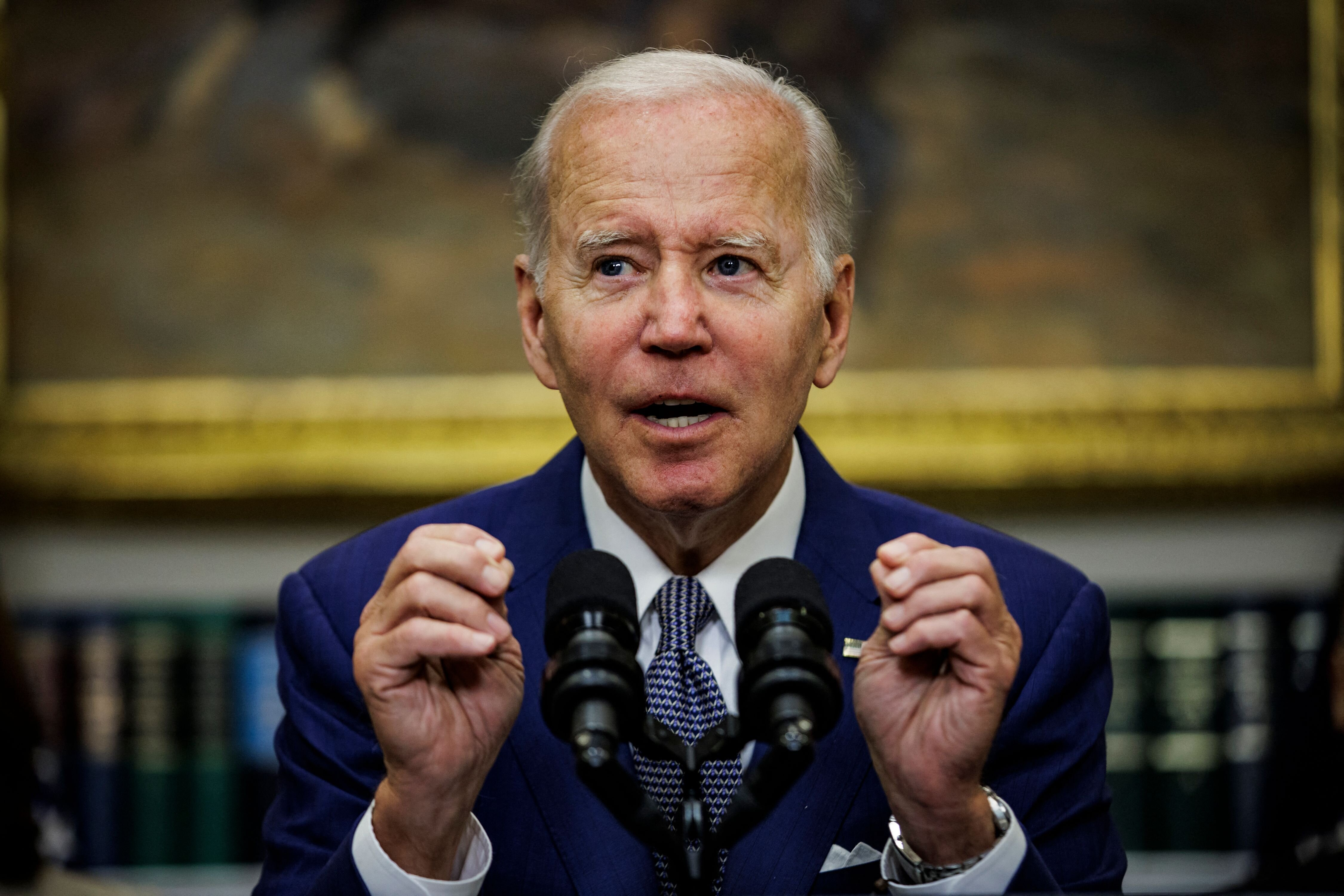
The Biden administration has cast serious doubt on the likelihood of resuming nuclear negotiations with Iran, despite a recent signal from Iran’s supreme leader indicating a willingness to reengage in talks with the United States. The State Department has emphasized that any potential dialogue will be contingent on Iran demonstrating concrete actions rather than merely verbal assurances.

Ayatollah Ali Khamenei’s recent comments authorized Iran’s newly appointed president, Masoud Pezeshkian, to explore discussions with the U.S., but he cautioned against placing undue trust in Washington. The State Department responded by highlighting Iran’s ongoing nuclear escalations and its lack of cooperation with the International Atomic Energy Agency (IAEA) as significant barriers to effective diplomacy.

The administration remains committed to a negotiated solution as the preferred method to address Iran’s nuclear ambitions. However, officials acknowledge that the current lack of meaningful engagement from Tehran and the complexities of the upcoming U.S. presidential election are major obstacles to restarting negotiations. The political climate, particularly the potential impact on Vice President Kamala Harris’ and other Democrats’ election prospects, further complicates the situation.

Former President Donald Trump’s withdrawal from the 2015 Joint Comprehensive Plan of Action (JCPOA) and subsequent reimposition of sanctions on Iran has left the nuclear agreement in limbo. The current administration’s attempts to revive talks have faced significant setbacks, with initial optimism fading as discussions failed to advance.

In recent developments, Secretary of State Antony Blinken warned that Iran is nearing the capability to produce fissile material for a nuclear weapon. The administration continues to monitor the situation closely, amid broader regional tensions, including recent Israeli military actions in Lebanon.

The prospects for a new nuclear deal before President Biden’s term ends appear increasingly slim, casting doubt on his administration’s ability to fulfill its commitment to a “longer and stronger” agreement with Iran.


Missouri Death Row Inmate Granted New Hearing After DNA Evidence Complicates Case

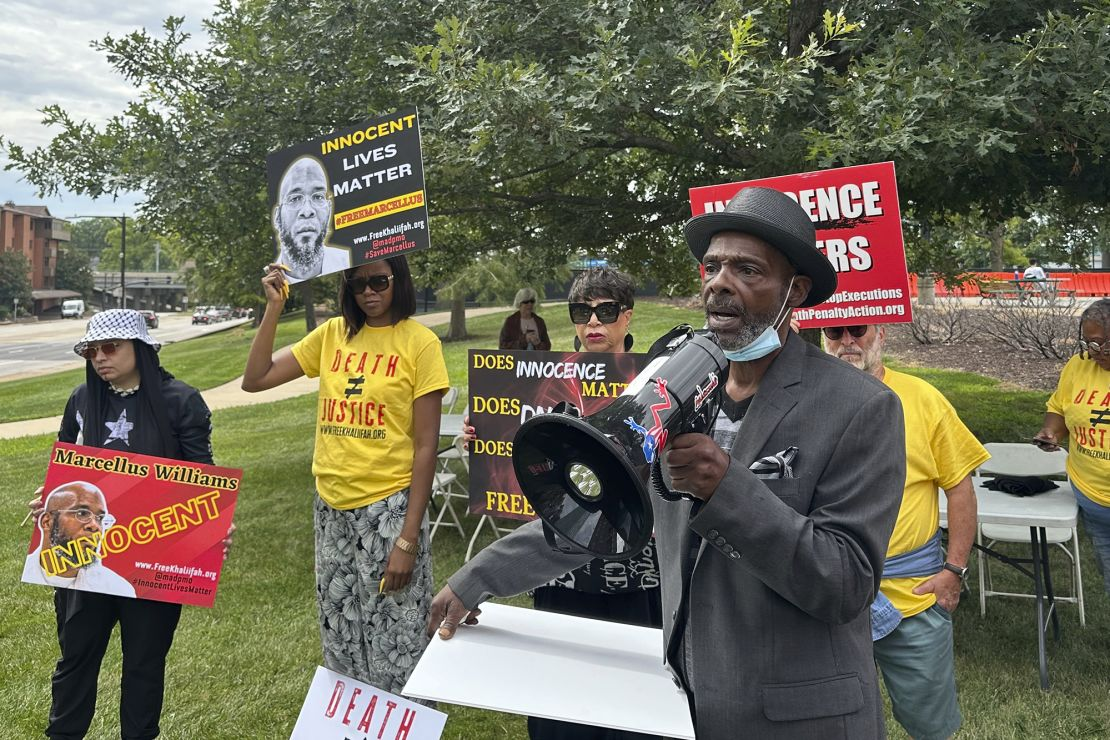
Missouri death row inmate Marcellus Williams receives a new opportunity for a hearing that might save his life, following revelations of mishandled DNA evidence and a recent law allowing for the reassessment of convictions.

Williams, 55, is set to be executed on September 24 for the 1998 stabbing of Lisha Gayle in University City, a suburb of St. Louis. However, a recent evidentiary hearing, overseen by Judge Bruce Hilton, aims to challenge his conviction. A crucial element of Williams’ case involves DNA evidence that was compromised, casting doubt on his guilt.

Missouri’s 2021 law permits prosecutors to request the dismissal of convictions they believe were wrongful. Following this, St. Louis County Prosecuting Attorney Wesley Bell sought to overturn Williams’ conviction after new DNA tests revealed Williams’ DNA was not present on the murder weapon. Despite this, contamination of the evidence has complicated the case, leading to a closed-door negotiation resulting in Williams agreeing to a no-contest plea for a new life sentence without parole.

This agreement, endorsed by Hilton and Gayle’s family, was later blocked by Missouri Attorney General Andrew Bailey, prompting the Missouri Supreme Court to mandate the continuation of the evidentiary hearing. As the execution date looms, Hilton is expected to make a ruling by mid-September.

Williams’ situation echoes past cases where new evidence led to the exoneration of wrongfully convicted individuals, like Christopher Dunn, Lamar Johnson, and Kevin Strickland, who were freed under the 2021 law. Previously, Williams had been close to execution in August 2017 when new DNA evidence linked the knife used in the crime to an unidentified individual, leading to a stay of execution.

The prosecution’s case against Williams included claims of a break-in, a violent assault on Gayle, and testimony from a cellmate and Williams’ girlfriend, both of whom were convicted felons. Williams’ defense contends that these witnesses were motivated by a reward.

The final decision on Williams’ fate remains pending, highlighting ongoing issues in the justice system regarding the handling and integrity of evidence.