Climate Change Behind Mass Disappearance of Alaskan Snow Crabs, Scientists Reveal

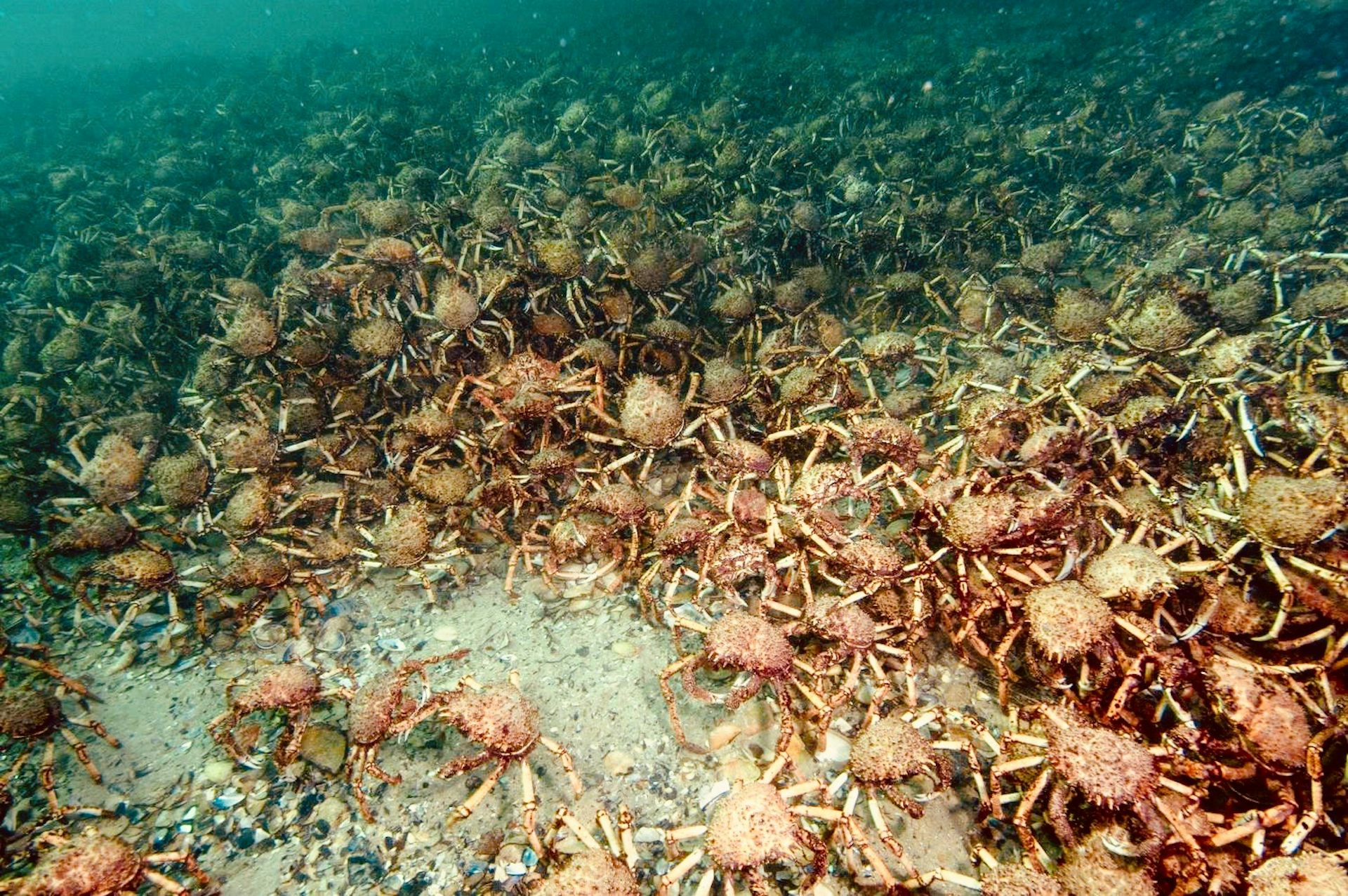
Scientists have uncovered more evidence explaining the mysterious disappearance of billions of snow crabs from the Bering Sea in 2022. According to new research from the National Oceanic and Atmospheric Administration (NOAA), the sudden collapse of the population wasn’t due to overfishing, but to the region’s rapidly warming waters. These temperature shifts pushed the crabs’ metabolism into overdrive, leading to mass starvation.

A new study highlights that parts of the Bering Sea are transforming from Arctic to sub-Arctic conditions, an event now 200 times more likely due to human-induced climate change. This marks a drastic shift for the ecosystem, which has long been dependent on the frigid temperatures and icy waters that species like the snow crab require to thrive.

Snow crabs are an Arctic species that prefer waters below 2°C but can tolerate up to 12°C. However, a marine heat wave in 2018-2019 raised temperatures significantly, accelerating the crabs’ metabolism without providing enough food to sustain them. This caused the devastating population collapse, a blow to Alaska’s snow crab fishery, which once generated up to $227 million annually.

Beyond the crabs, the study signals a broader transformation of the region’s ecosystem. Warming waters and receding sea ice have begun to push traditional Arctic species out, while enabling new, warmer-water species like Pacific cod to move in, exacerbating the decline of snow crabs by preying on them.

This drastic change reflects the Arctic’s rapid warming, which scientists note is happening four times faster than the global average. Fisheries, once dependent on cold-water species, now face new challenges. NOAA’s researchers stress that the industry must quickly adapt to these ongoing environmental changes, incorporating new technologies such as drones and artificial intelligence to monitor shifting ecosystems.

The collapse of the snow crab population serves as a bellwether for what’s to come, underscoring the profound and wide-ranging impacts of climate change on both the environment and livelihoods in the region.
Canadian Freight Railroads Shutdown Threatens North American Economy Amid Labor Dispute

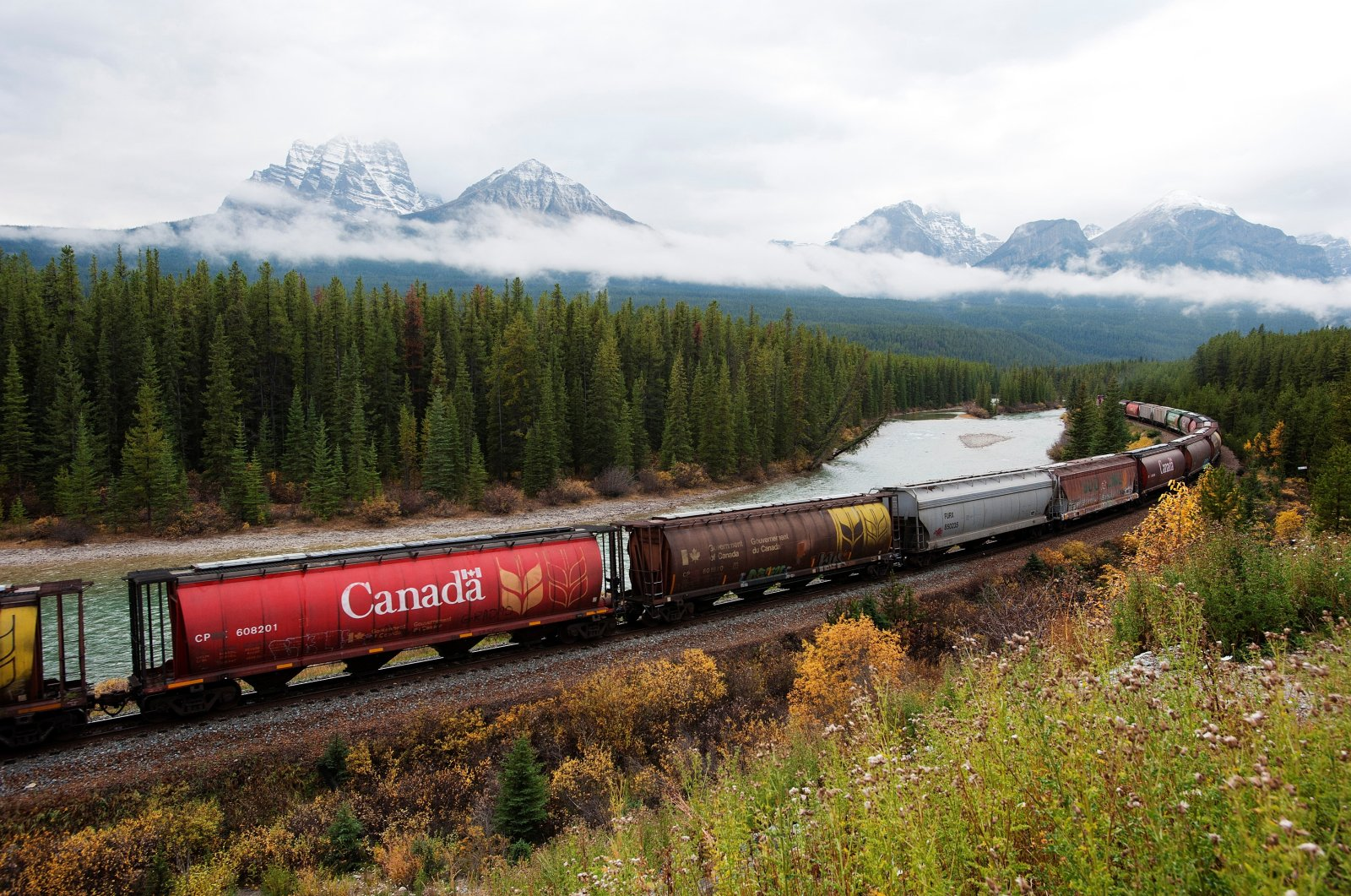
Canada’s two major freight railroads, Canadian National (CN) and Canadian Pacific Kansas City Southern (CPKC), have locked out nearly 9,000 Teamsters union workers, halting operations and sparking concerns of severe economic disruption across Canada and the United States. This unprecedented shutdown could have widespread effects on various industries, including agriculture, autos, home building, and energy, especially considering that nearly one-third of the freight handled by these railroads crosses the U.S.-Canadian border.

The timing of the lockout, right before the fall peak shipping season, adds further urgency to the situation. Essential goods, from Canadian grain and U.S. fertilizer to Christmas gifts arriving at ports, may face delays. Economists warn that a multi-day shutdown could inflict economic damage running into the billions of dollars. The lockout underscores the interconnected nature of the U.S. and Canadian economies, where a stoppage of rail services could lead to temporary shutdowns in manufacturing plants and shortages in critical supplies.

The railroads justify the lockout as a preventive measure against a potential strike during the peak shipping season, citing the importance of protecting supply chains. Meanwhile, the Teamsters argue that the railroads’ demands compromise worker safety and disrupt family lives, with the union pushing for a contract that prioritizes safety and reasonable working conditions.

Efforts by Canada’s Labor Minister Steve MacKinnon to mediate the situation have so far failed to yield a resolution. The railroads have called for the government to refer the dispute to binding arbitration, while the union opposes such a measure. The lack of an agreement threatens to deepen economic woes, with both the U.S. and Canadian Chambers of Commerce urging immediate action to avert further damage to integrated supply chains.

The railroads have already taken steps to prevent hazardous materials from being stranded on halted trains, further contributing to supply chain disruptions. Experts warn that even a short-lived shutdown could take weeks to fully unwind, with shipments ending up far from their intended destinations and businesses already experiencing delays. The situation remains tense as pressure mounts on Canadian Prime Minister Justin Trudeau’s administration to step in and broker a solution to avoid further economic fallout.

Taiwan’s President Lai Warns of Global Challenge Posed by China’s Growing Authoritarianism

Taiwan’s President Lai Ching-te has issued a stark warning about China’s “growing authoritarianism,” stating that it presents not just a regional but a global challenge. Speaking at the annual Ketagalan Forum on Indo-Pacific security issues, Lai emphasized that China’s authoritarianism, which has become increasingly aggressive, extends beyond Taiwan and threatens the broader international community.

Lai’s remarks come as China continues to assert its dominance in the South China Sea and escalate military pressure around Taiwan, conducting patrols in the Taiwan Strait under the pretext of enhancing traffic management and emergency rescue operations. The Taiwanese leader also noted that democratic countries must unite to resist China’s attempts to reshape the international order to its advantage.

His call to action comes at a time of rising tensions in the Indo-Pacific, particularly after Chinese and Philippine vessels collided near the disputed Sabina Shoal, intensifying friction in the Spratly Islands. The incident drew international condemnation, with the U.S. reaffirming its defense commitments to the Philippines.

Lai’s comments underscore Taiwan’s concerns over Beijing’s growing assertiveness, as China refuses to recognize the island’s government and continues to view it as part of its territory. Despite China’s dismissive stance toward Taiwan’s January elections, which brought Lai to power, Taiwan remains firm in its efforts to rally global democracies against authoritarian threats.

With Taiwan’s defense budget on the rise, Lai’s leadership is focused on strengthening alliances with democratic nations to safeguard regional peace and stability in the face of mounting Chinese pressure.