China Denounces U.S. Over Biden’s New Nuclear Strategy Focus on Beijing

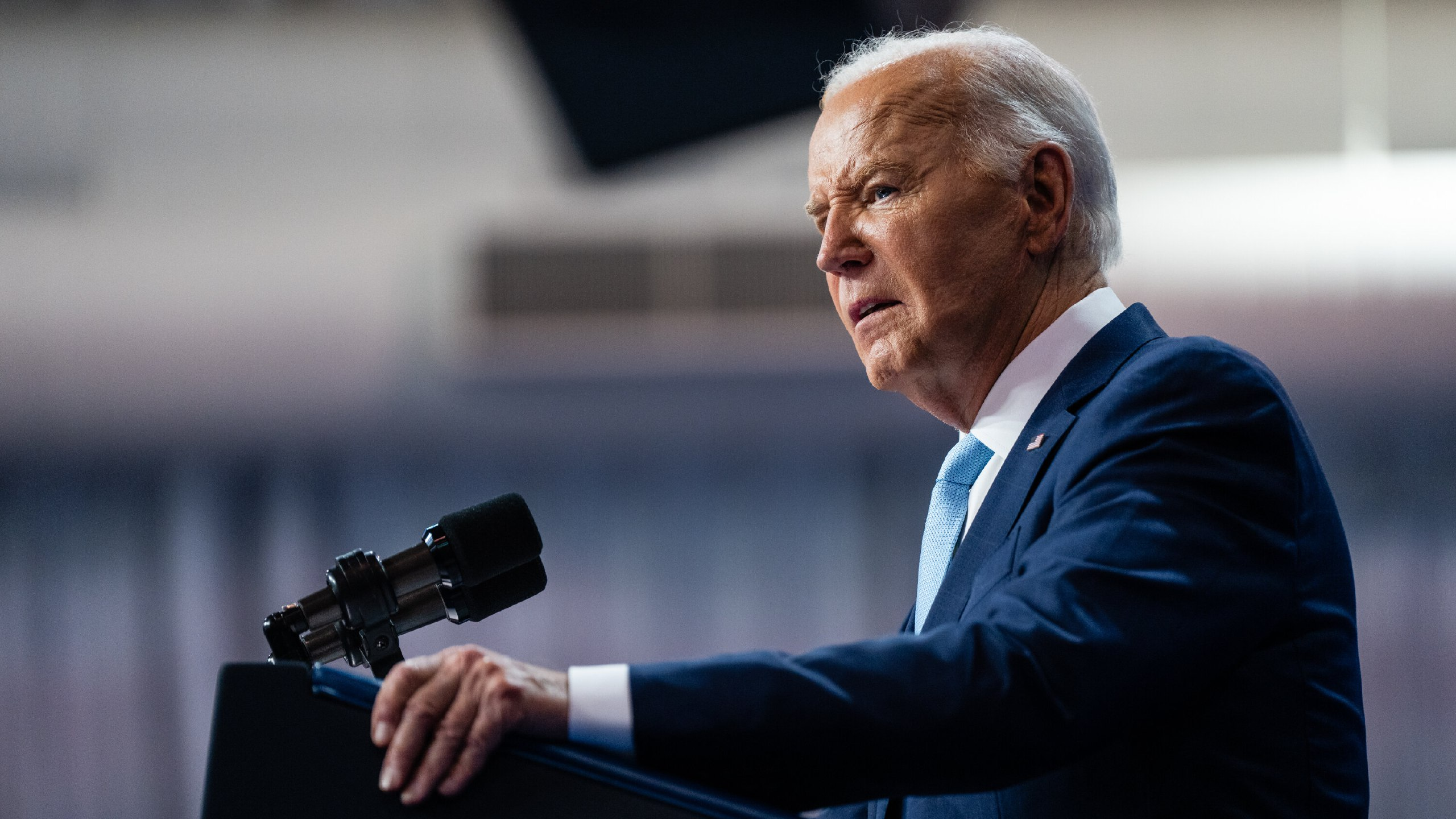
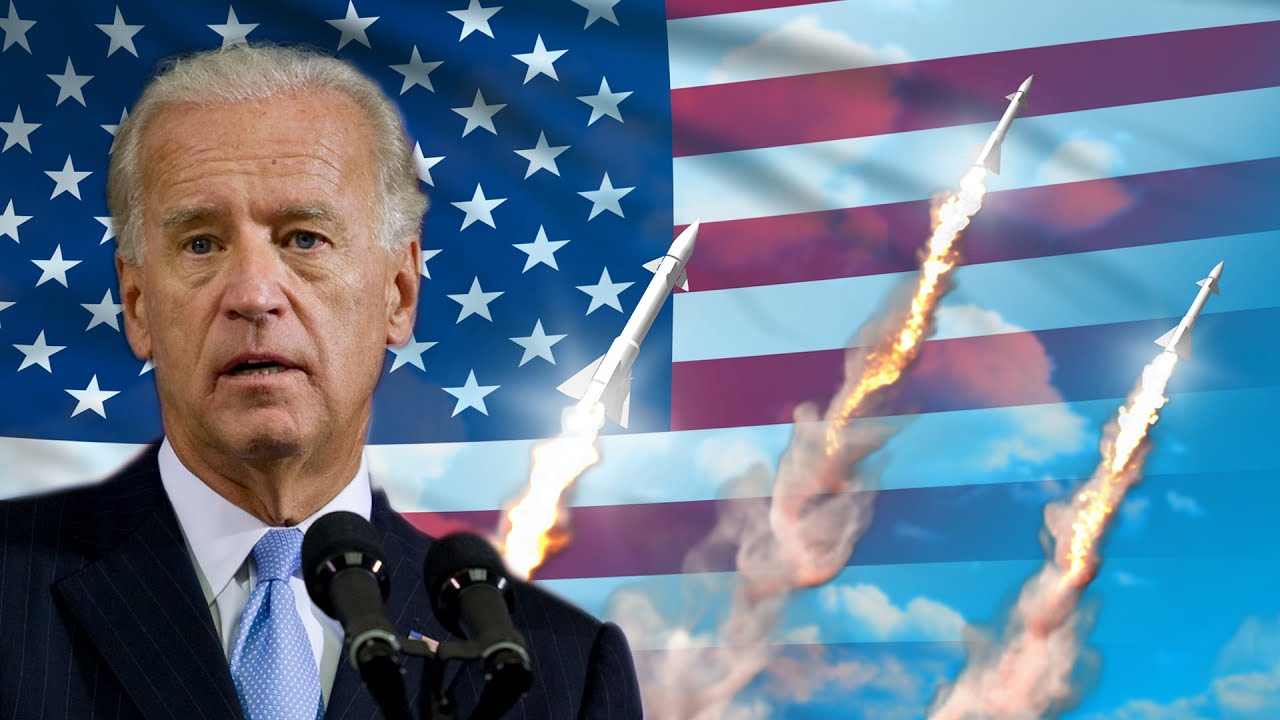
China has sharply criticized the United States following reports that President Joe Biden approved a shift in U.S. nuclear strategy aimed at addressing Beijing’s growing nuclear capabilities. The New York Times revealed that Biden’s revised nuclear strategy, known as the “Nuclear Employment Guidance,” was approved in March amidst concerns from the Pentagon about China’s rapid nuclear expansion, which is expected to rival the U.S. and Russia in the coming decade.

China’s state media and foreign ministry responded swiftly, accusing the U.S. of using China’s nuclear development as a pretext for maintaining its own large arsenal. The editor of the Global Times, a prominent government-affiliated publication, accused the U.S. of hyping up the “China nuclear threat narrative” to justify its post-Cold War nuclear posture. The editor further called on Washington to rebuild trust with China through dialogue rather than confrontation.

China’s foreign ministry echoed these sentiments, with spokeswoman Mao Ning reaffirming that Beijing has no interest in engaging in a nuclear arms race. Mao accused the U.S. of seeking strategic advantage by exaggerating China’s nuclear developments. She called for a more diplomatic approach to managing tensions between the two superpowers.
Picture background

The criticism from Beijing comes amid a backdrop of increasing concerns within Washington over China’s military ambitions. A Pentagon report published last year projected that China’s nuclear warhead inventory would exceed 1,000 by 2030, while the number of operational nuclear warheads had already surpassed 500 by May 2023—higher than previous estimates.

The Biden administration’s revised strategy not only focuses on China but also prepares for potential nuclear threats from Russia and North Korea. Despite China’s objections, the White House has maintained that the nuclear strategy was not specifically targeted at any one country, but rather designed to address multiple evolving global threats.

Tensions between the U.S. and China over nuclear issues have been escalating, with both nations exchanging sharp rhetoric in recent years. Informal talks between the two resumed in March 2023, with Chinese officials assuring the U.S. that China would not use nuclear weapons in the Taiwan dispute.

As geopolitical competition between the world’s two largest economies intensifies, nuclear capabilities have become a key point of contention. Beijing sees U.S. policies as a threat to regional stability, while Washington remains concerned about China’s growing military power, especially as it extends its influence in Asia and beyond.

The ongoing friction between the U.S. and China underscores the complexities of global security in a multipolar world where traditional Cold War-era nuclear dynamics are being reshaped by emerging powers. Both nations will need to navigate these challenges carefully to avoid escalating tensions into a full-blown arms race.
India’s Diplomatic Balancing Act: Strengthening Ties with Ukraine While Maintaining Russian Relations

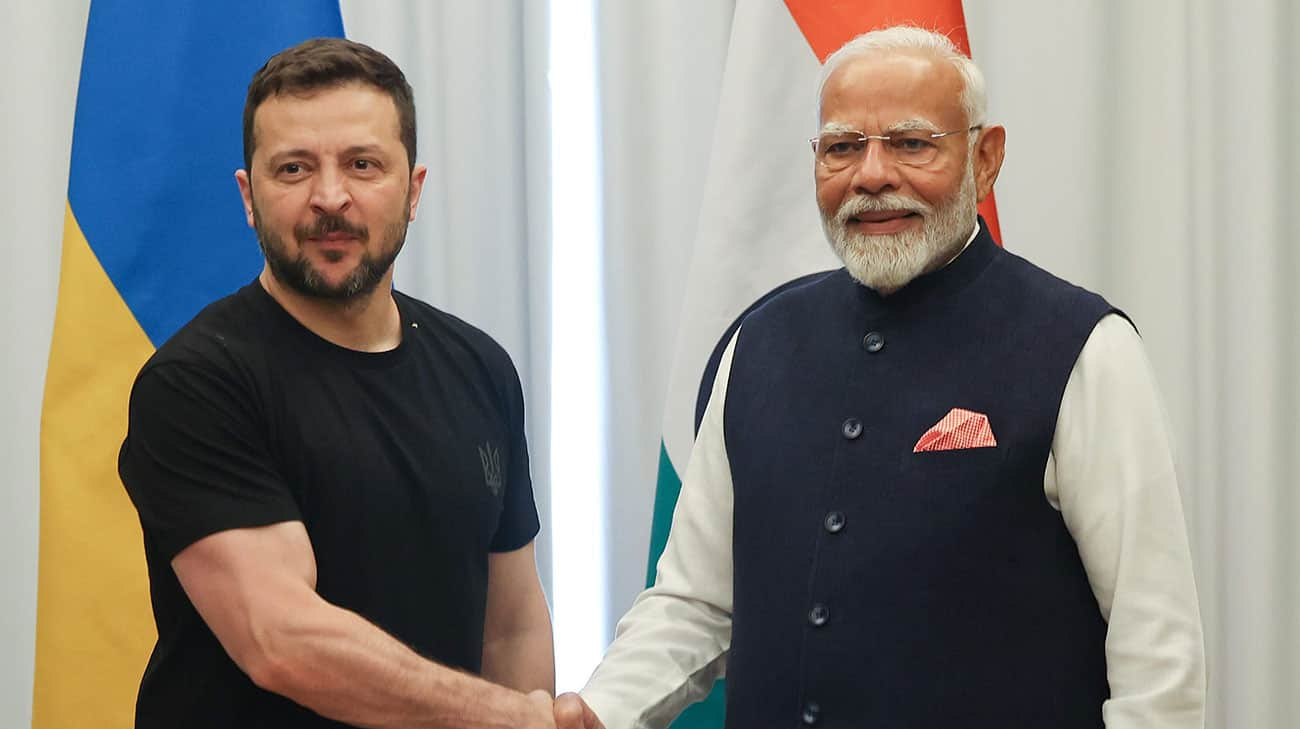
India’s diplomatic balancing act has come under the spotlight as Prime Minister Narendra Modi embarks on a visit to Ukraine, a move that will be closely watched by Russia, India’s long-time ally. As one of the few nations maintaining strong relationships with both Russia and the West, India has found itself navigating a complex web of alliances, particularly since Russia’s invasion of Ukraine in 2022, which has dramatically reshaped global geopolitical dynamics.

Modi’s government has maintained a neutral stance in the ongoing conflict, avoiding condemnation of Russia and continuing to import discounted Russian oil despite widespread Western boycotts. This strategy has drawn criticism from Western nations, which see such trade as indirectly funding Russia’s war efforts. However, India has also signaled an interest in strengthening its relationship with Ukraine, evidenced by Modi’s visit to Kyiv at the invitation of Ukrainian President Volodymyr Zelenskyy. This visit, the first by an Indian leader since Ukraine gained independence in 1991, marks a significant moment in India-Ukraine relations.

While India’s trade relationship with Ukraine is far smaller compared to its extensive economic and defense ties with Russia, the visit suggests that India is seeking to broaden its diplomatic engagements amid the ongoing conflict. India has historically imported defense equipment from Ukraine, and the two countries share educational ties, with many Indian students studying in Ukraine.

Picture background

The timing of the visit, following Modi’s recent meeting with Russian President Vladimir Putin, adds another layer of complexity to India’s foreign policy. During that meeting, which coincided with a deadly attack on a children’s hospital in Kyiv, Modi expressed sorrow over the loss of innocent lives, yet emphasized India’s commitment to its “mutual trust” and “mutual respect” with Russia. Despite the controversial optics of the visit, both leaders pledged to deepen bilateral cooperation across various sectors, from agriculture to energy.

India’s reluctance to directly criticize Russia stems from pragmatic considerations. As a major importer of Russian defense supplies, with over 60% of its defense equipment sourced from Russia, India is keen to maintain stable relations with Moscow. Furthermore, India views Russia as a counterbalance to China, its regional rival in Asia. For these reasons, New Delhi has refrained from aligning itself with the West in labeling Russia as an aggressor, choosing instead to chart a more independent course.

India is also seen as a potential mediator in future peace talks between Russia and Ukraine, although Indian officials have expressed hesitance about playing such a role while the conflict remains active. Nevertheless, experts suggest that India is interested in facilitating a stable European security architecture and ensuring that Russia remains engaged in the global order rather than becoming overly dependent on China.

Ultimately, Modi’s visit to Ukraine highlights India’s desire to see an end to the conflict and underscores its broader strategy of maintaining diplomatic flexibility while preserving its key alliances. India’s approach reflects its global ambitions and its efforts to maintain influence in a rapidly changing geopolitical landscape.

FBI Raids Homes of Americans with Russian State Media Ties Amid Election Interference Probe

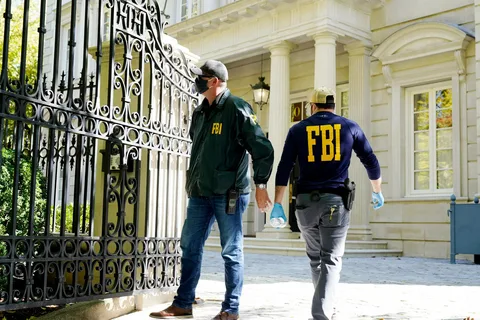
The FBI recently conducted searches at the homes of two U.S. citizens linked to Russian state media as part of a broader investigation into foreign influence in the upcoming U.S. presidential election. The searches targeted Scott Ritter, a former UN weapons inspector and vocal critic of U.S. foreign policy, and Dimitri K. Simes, an advisor to Donald Trump’s 2016 campaign and host on Russian state television.

The FBI’s actions come amid heightened concerns about Russia’s attempts to interfere in U.S. elections, with intelligence officials identifying Moscow as the predominant threat. Ritter and Simes confirmed the searches and suggested they were politically motivated, denying any illegal activity. Although no charges have been filed, the probe highlights the ongoing tension over foreign influence and national security in the U.S.