
How to Witness August’s Rare Super Blue Moon

August 2024 has proven to be a thrilling month for astronomy enthusiasts. Following the peak of the Perseid meteor shower, the month brings another celestial event—a rare super blue moon. This unique lunar phenomenon, a combination of a supermoon and a blue moon, will reach its peak on August 19 at 2:26 p.m. ET.

Supermoons are already an extraordinary sight, as they appear significantly larger and brighter than regular full moons due to their proximity to Earth. The moon’s elliptical orbit means that at certain times it is closer to Earth, at a point known as perigee, which averages about 226,000 miles (363,300 kilometers) from our planet. When a full moon occurs within 90% of this perigee, it is classified as a supermoon. As a result, the moon can appear up to 14% larger and 30% brighter than when it is at its farthest point, or apogee, about 251,000 miles (405,500 kilometers) away.

This August’s super blue moon is particularly special because blue moons themselves are quite rare. A blue moon can be defined in two ways: a monthly blue moon, which is the second full moon in a calendar month, or a seasonal blue moon, which is the third full moon in a season that has four full moons. This particular blue moon is of the seasonal variety. Despite its name, a blue moon doesn’t actually appear blue unless there’s a lunar eclipse, which can give the moon a reddish or bluish tint depending on atmospheric conditions.

Observing the super blue moon is easy and does not require any special equipment. The moon will be visible to the naked eye and can be seen from virtually anywhere, provided the skies are clear. It will rise in the evening and remain visible until just before sunrise. The best viewing conditions are during a clear night without cloud cover. If clouds do obstruct the view on the peak night, the supermoon will still be visible for a couple of days before and after its peak, offering multiple opportunities to catch a glimpse.

In addition to the supermoon, sky-watchers can look out for Jupiter and Mars, which are expected to be visible near the moon. These planets were recently in close conjunction, meaning they appeared very close together in the sky, and they will still be relatively close during the supermoon.

For those looking ahead, 2024 has more celestial events in store. The remaining supermoons of the year are scheduled for September 18, October 17, and November 15. The September supermoon will also feature a partial lunar eclipse, where part of the Earth’s shadow will cover the moon. However, the October supermoon will be the largest of the year, with the moon being just 62 miles closer to Earth than during the August event.

This rare super blue moon offers a perfect reason to step outside and enjoy the beauty of the night sky. Whether you’re a seasoned astronomer or just enjoy the occasional stargazing, this event is sure to be a memorable one.
Singapore Unveils Unemployment Support Scheme in Landmark Policy Shift

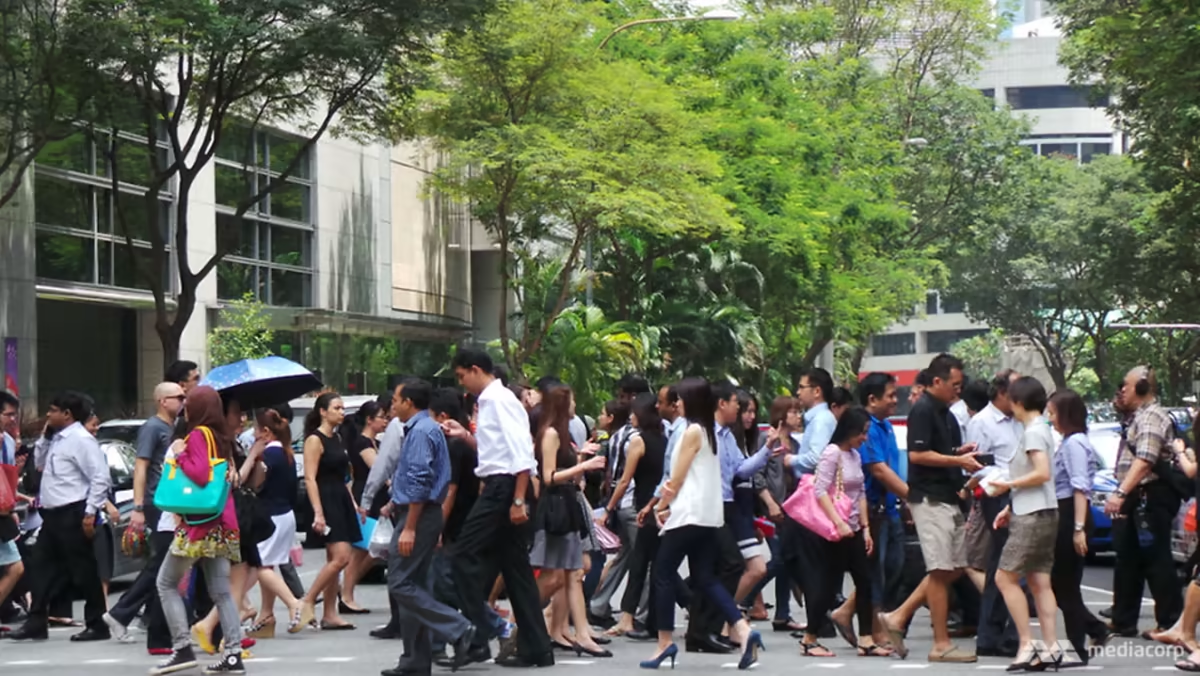
In a significant policy shift, Singapore has announced the introduction of an unemployment support scheme, marking a departure from its long-standing resistance to welfare policies. The scheme, named the SkillsFuture Jobseeker Support, was unveiled by Prime Minister Lawrence Wong during his National Day Rally speech. It aims to assist lower- and middle-income workers who are involuntarily unemployed, offering financial support of up to SG$6,000 (approximately $4,561) over a six-month period.

To qualify for the scheme, workers must actively participate in job training, career coaching, and job matching services, as part of the government’s emphasis on self-reliance and continuous skill development. The initiative is managed by Workforce Singapore, the workforce development agency under the Ministry of Manpower, and is specifically targeted at Singapore citizens who previously earned an average monthly income below SG$5,000.

This policy represents a notable shift for Singapore, which has historically avoided unemployment benefits due to concerns that such schemes might discourage work and foster dependency. The city-state has instead focused on policies like Workfare, introduced in 2005, which provides income top-ups for low-wage workers who remain employed. Wong emphasized that the new unemployment support scheme is designed to avoid the pitfalls seen in other countries where generous benefits have led to prolonged unemployment.

Singapore’s approach under this new scheme reflects a balance between providing necessary financial support and ensuring that beneficiaries remain proactive in their job search efforts. The government has yet to announce the exact date when the scheme will come into effect, but it signals a significant evolution in Singapore’s social policy framework, as it seeks to adapt to changing economic realities while maintaining its core principles of self-reliance and personal responsibility.

China Blames Philippines for Coast Guard Collision Near Escoda Shoal, Warns Against Further “Provocation”

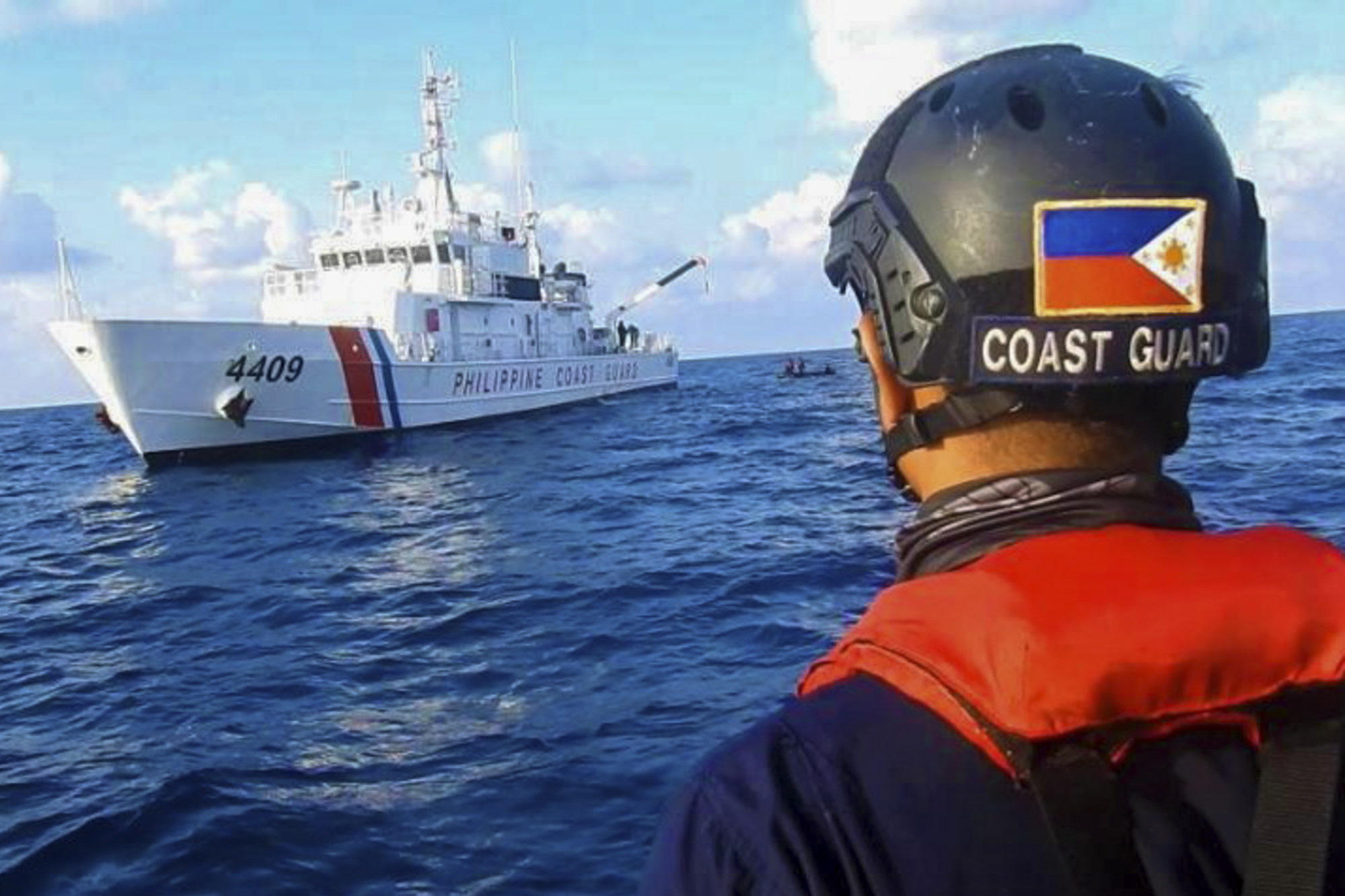
China has accused the Philippines of illegally intruding and deliberately colliding with a Chinese vessel in the disputed waters near Escoda Shoal in the South China Sea, further intensifying tensions between the two nations. The Chinese Coast Guard issued a statement on Monday, describing the actions of the Philippine vessel as “unprofessional and dangerous” and warned the Philippines to cease what it called “infringement and provocation.” The incident, captured in videos released by the Chinese Coast Guard, marks the latest in a series of maritime confrontations between China and the Philippines over the strategically important and resource-rich Spratly Islands.

The Escoda Shoal, known in the Philippines as Sabina Shoal and referred to by China as Xianbin Reef, has been a focal point of tension since April, when the Philippine Coast Guard deployed one of its largest vessels, the BRP Teresa Magbanua, to the area. China’s foreign ministry reiterated its demand last Friday for the Philippines to withdraw its vessel, while Philippine Coast Guard spokesperson Jay Tarriela countered on social media, asserting the Philippines’ sovereign rights over the waters, based on the United Nations Convention on the Law of the Sea (UNCLOS) and the 2016 arbitral ruling that rejected China’s expansive claims in the South China Sea.

Tarriela emphasized that the Philippine Coast Guard’s presence at Escoda Shoal is not intended to provoke or escalate tensions but to protect the country’s sovereign rights. The ongoing standoff adds to a broader pattern of confrontations between China and the Philippines in the Spratly Islands, including incidents at the Second Thomas Shoal and Scarborough Shoal, where Philippine vessels have been rammed and sprayed with water cannons by Chinese forces.

China’s actions in the region have drawn international criticism, particularly from the United States, which has a mutual defense treaty with the Philippines. The U.S. recently pledged $500 million in military aid to the Philippines, and the two countries have deepened their military cooperation, with Japan also playing a growing role in the region. In response, China’s defense ministry warned that such defense partnerships should not target any third party or disrupt regional peace, accusing the Philippines of “inviting wolves into the house” by aligning closely with the U.S. and Japan.

The situation remains volatile, with both sides continuing to assert their claims over the disputed territories, raising concerns about the potential for further escalation in the South China Sea.