Venezuelan Opposition Protests Intensify Amid Disputed Election Results

In Venezuela, the political opposition and its supporters have taken to the streets across the country, demanding recognition of their candidate Edmundo Gonzalez’s alleged victory in the presidential election held nearly three weeks ago. Despite the electoral authority’s declaration that President Nicolas Maduro secured a third term with just under 52% of the vote, the opposition, led by former lawmaker Maria Corina Machado, claims to have evidence showing Gonzalez won with 67% of the votes, based on tallies from 83% of voting machines.

The disputed election has plunged the economically struggling nation into a deep political crisis, exacerbated by a government crackdown on protests that has resulted in at least 2,400 arrests and 23 deaths. The international community has proposed various solutions, including a new election, but both the ruling party and the opposition have largely rejected these suggestions.

In Caracas, thousands of opposition supporters gathered in the eastern part of the city, where Machado called for international verification of the election results and urged her followers to continue their protests. Similar demonstrations took place in cities across Venezuela, including Maracaibo, Valencia, San Cristobal, and Barquisimeto, with many protesters carrying Venezuelan flags and copies of voting tallies as symbols of their demand for electoral transparency.

The protests have also resonated with the Venezuelan diaspora, with gatherings reported in cities like Mexico City, where nearly 1,000 people rallied in support of a free Venezuela. Many of these expatriates, driven out by the country’s severe economic and political turmoil, expressed hope for an end to Maduro’s rule and the possibility of returning to their homeland.

Maduro, in response, addressed his supporters at Miraflores Palace, dismissing international criticism and asserting Venezuela’s sovereignty. He promised economic growth despite the country’s severe downturn, which has seen a loss of over 73% of its GDP since 2013. While some countries like Russia and China have congratulated Maduro on his victory, others, including many Western nations, have called for the full publication of election results.

As the opposition continues to press for recognition of its candidate’s victory, their options appear to be narrowing, with international focus gradually shifting away from the crisis. However, Latin American leaders are expected to discuss the situation during a gathering in the Dominican Republic, where the crisis in Venezuela will likely be a key topic of conversation.

Indian Junior Doctors Continue Protests After Colleague’s Rape and Murder, Demand Stronger Protections

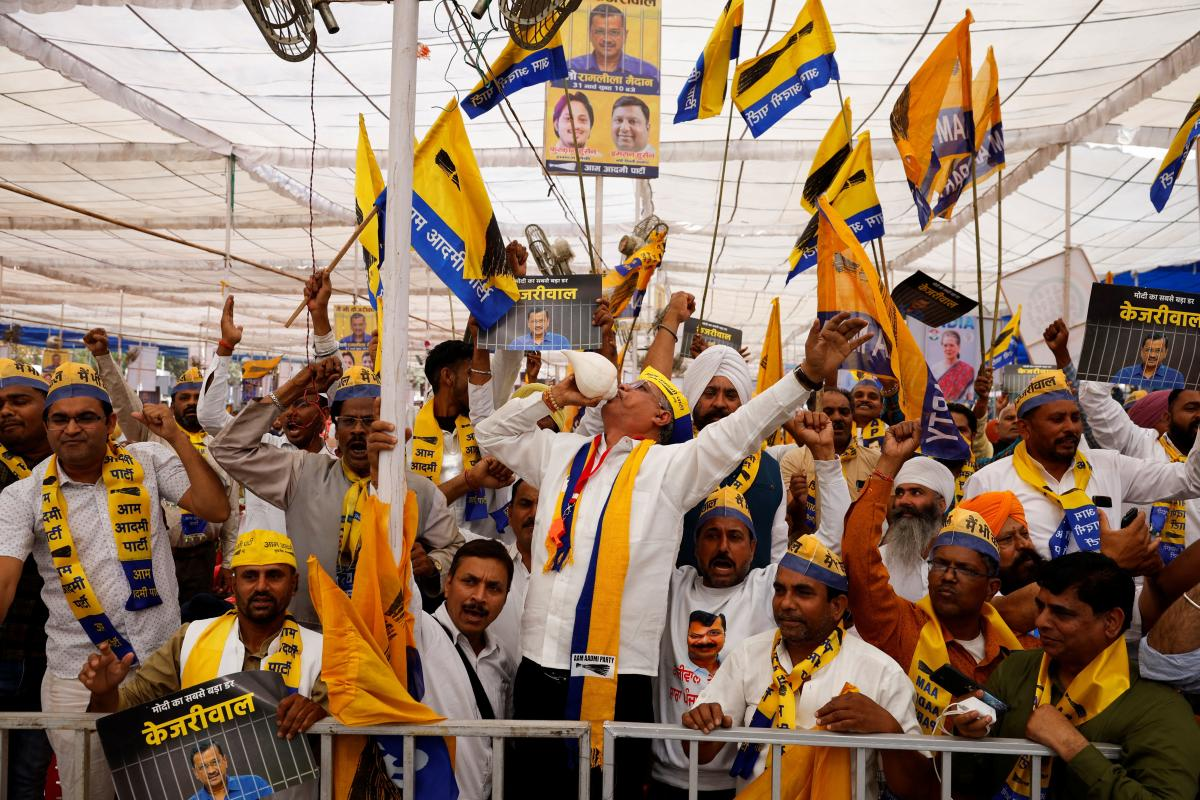
Junior doctors in India are continuing their protests and refraining from non-emergency work after the brutal rape and murder of a 31-year-old postgraduate medical student in Kolkata. The incident, which occurred in the early hours of August 9 at the R.G. Kar Medical College and Hospital, has sparked outrage across the country, leading to a series of strikes, candlelight marches, and demands for justice from the medical community and women’s rights activists.

The Indian Medical Association (IMA), the country’s largest association of doctors, called for a 24-hour strike that ended on Sunday morning, yet many junior doctors are still off the job, particularly in Modi’s home state of Gujarat, where over 6,000 trainee doctors have continued their protest. These doctors are providing emergency services but have withdrawn from routine outpatient and ward work, pushing for increased security measures in hospitals to protect healthcare workers, particularly women, who make up 60% of India’s medical workforce.

The victim’s father expressed his sorrow but found solace in the widespread support from the medical community, which has united in the face of this tragedy. The incident has reignited discussions about the safety of women in India, despite the introduction of tougher laws following the infamous 2012 Delhi gang-rape and murder case. Activists argue that while laws have changed, the underlying culture of violence against women persists, and more needs to be done to ensure their safety.

The IMA has urged Prime Minister Narendra Modi to intervene, emphasizing the need for hospital security protocols similar to those in airports to protect medical professionals. The government’s response has been to urge doctors to return to duty, particularly in light of rising cases of dengue and malaria, and to set up a committee to explore enhanced protection measures for healthcare workers.

Despite this, the All India Residents and Junior Doctors’ Joint Action Forum has vowed to continue its “nationwide cease-work” until a thorough investigation is conducted and arrests are made. The protests have put significant strain on medical facilities, especially in Kolkata, where the R.G. Kar hospital has been the epicenter of the agitation. Authorities have responded by banning gatherings around the hospital and deploying police in riot gear to maintain order.

As the protests continue, the medical community remains steadfast in its demands for justice and safer working conditions, underscoring the urgent need for systemic changes to protect those who care for the nation’s health.

Legendary French Actor Alain Delon Dies at 88, Leaving Behind a Controversial Legacy

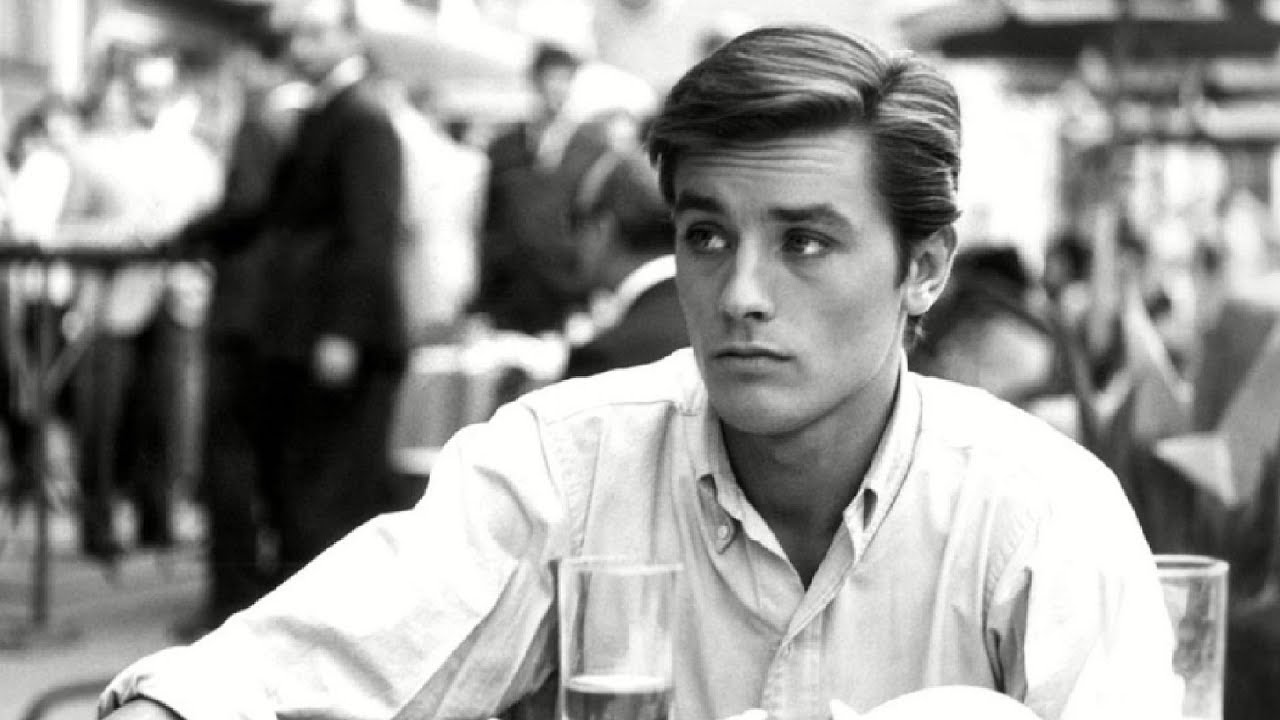
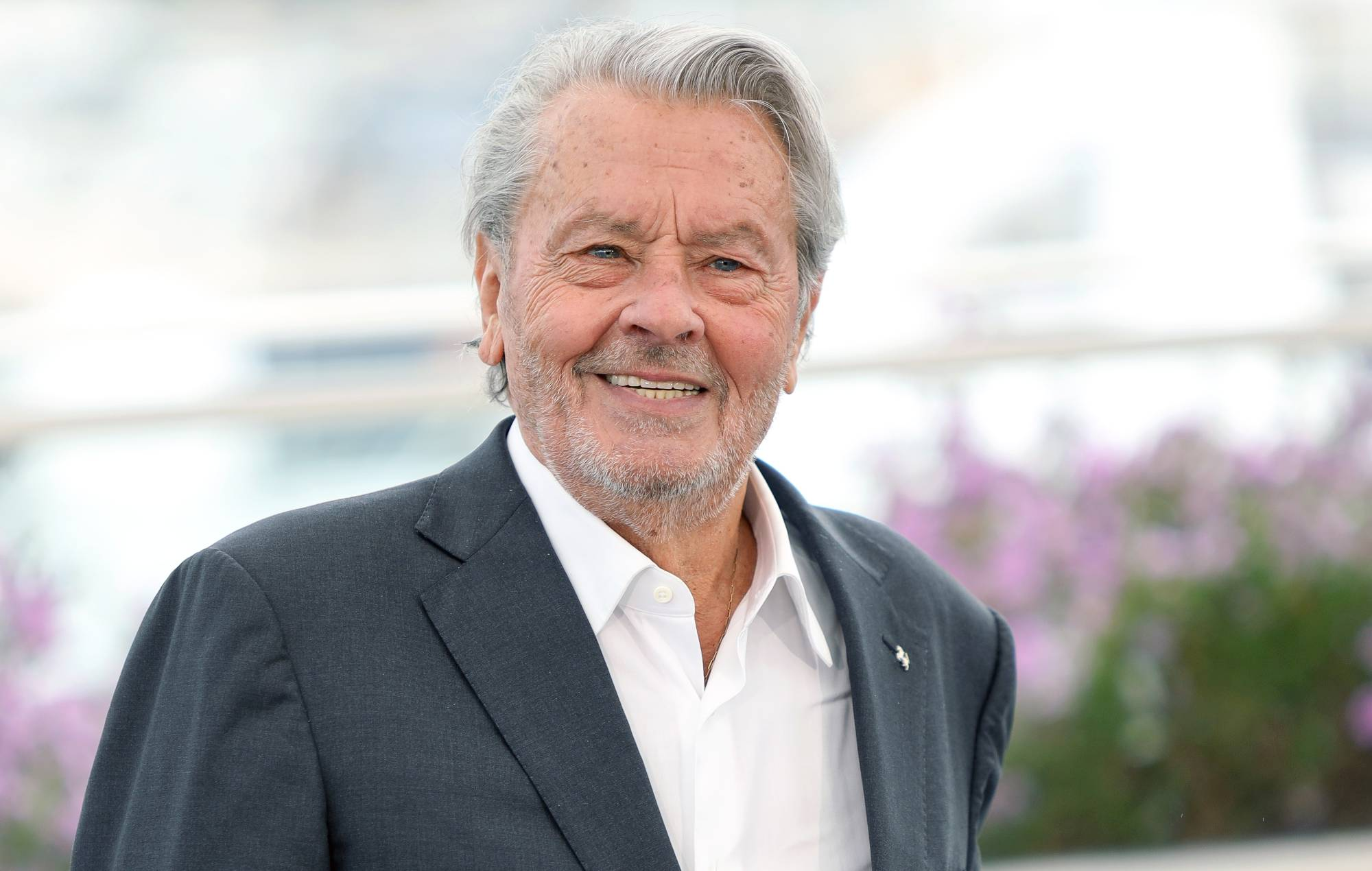
Alain Delon, a legendary French actor whose striking looks and enigmatic performances captivated audiences worldwide, passed away at the age of 88, as announced by his three children. Delon, who had been in declining health since suffering a stroke in 2019, died at his estate in Douchy, France. President Emmanuel Macron paid tribute to Delon, calling him a “giant of French culture” and noting that the actor’s “unforgettable face” left an indelible mark on cinema.

Delon rose to fame in the 1960s with iconic roles in films like Luchino Visconti’s Rocco and His Brothers and The Leopard. His portrayal of complex characters—ranging from hitmen to troubled romantics—cemented his status as one of France’s most celebrated actors. Among his most notable works was Jean-Pierre Melville’s Le Samouraï, where Delon played a stoic contract killer, a role that became synonymous with his on-screen persona.

Picture background

Despite his success in Europe and Japan, Delon never achieved the same level of fame in Hollywood, though he did share the screen with American stars like Burt Lancaster in Scorpio. His collaborations with fellow French actor Jean-Paul Belmondo, especially in films like Borsalino, further solidified his reputation in French cinema.

Delon’s personal life, however, was as dramatic as his film roles. Born in 1935 near Paris, he had a tumultuous childhood, marked by his parents’ divorce and his time in foster care. His rebellious nature led him to join the French Marines, where he continued to find trouble. His early experiences in Paris’s bohemian and criminal underworld later colored both his acting and personal associations, leading to long-lasting connections with notorious figures.

In the 1970s, Delon found himself embroiled in the “Markovic Affair,” a scandal involving the murder of his former bodyguard, Stefan Markovic. Although Delon was cleared of any involvement, the incident highlighted his ties to the underworld, casting a shadow over his public image.

Delon’s outspoken views often sparked controversy, particularly his support for the death penalty and his opposition to gay marriage. He was also known for his connections to the far-right National Front in France, further polarizing public opinion about him.

In his later years, Delon became increasingly disillusioned with modern life, expressing a desire for solitude. He spent his final years under legal protection due to health concerns, and a family feud over his care made headlines in French media. His last major public appearance was in 2019, when he received an honorary Palme d’Or at the Cannes Film Festival.

Delon’s death marks the end of an era in French cinema, leaving behind a legacy as one of the country’s most iconic yet controversial figures. As his fans and critics alike reflect on his life and work, Alain Delon remains a symbol of the complex interplay between talent, fame, and infamy.