Couple’s World Tour with Their Dog Ends in Tragedy, but Journey Continues

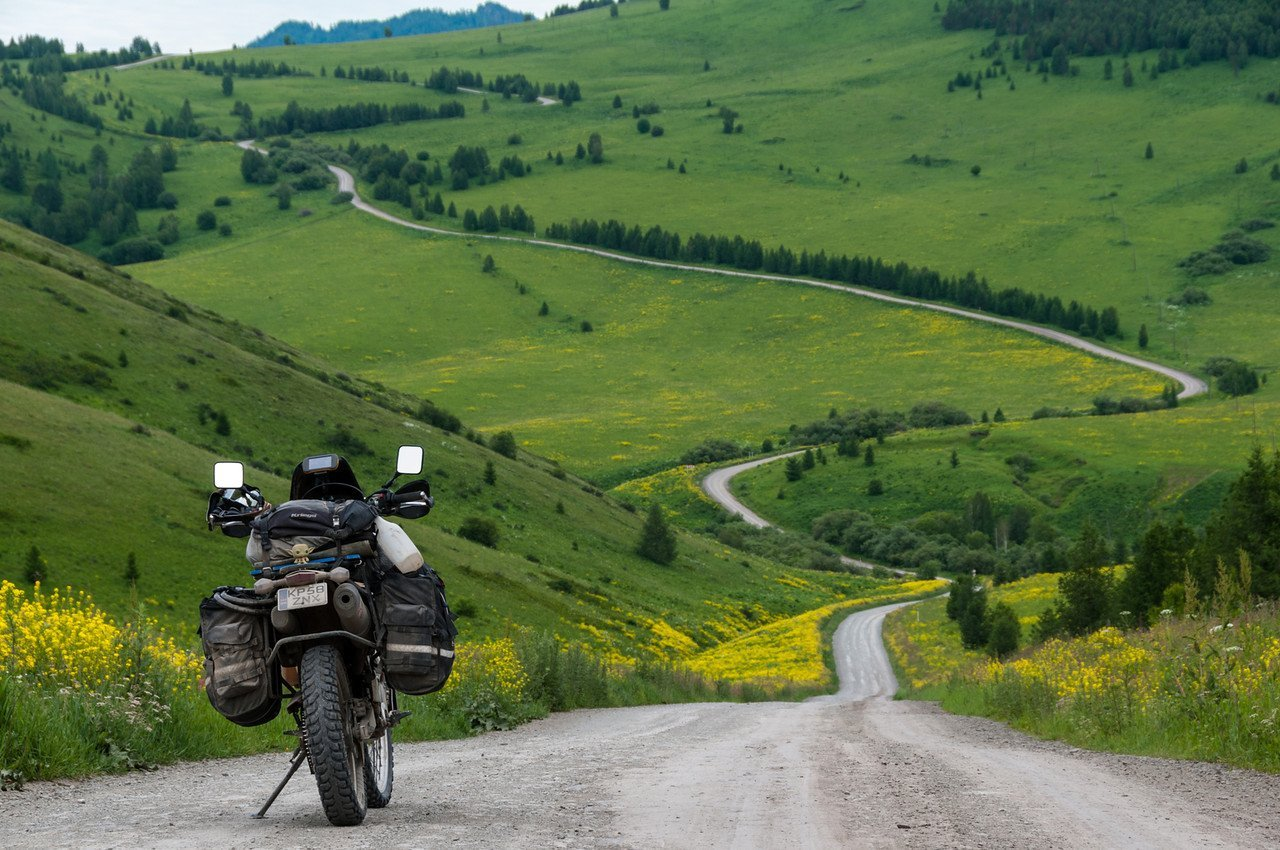
Janell and Stu Clarke, an Australian couple who shared a passion for travel, embarked on an epic motorcycle world tour in 2014, bringing their beloved dog Skyla along. Their love for exploration had been a key topic on their first date in 2004, and after a decade of limited travel, they decided to see the world in one extended trip, driven partly by the high cost of flights from Australia.

In 2009, after Janell obtained her motorbike license, the couple began exploring Australia with their dog Skyla. The dream of a global adventure solidified when Stu, a former Royal Australian Navy engineer, retired in 2014. They initially planned a six-month journey, but this was extended as they prepared for a grand tour that would ultimately last several years.


Picture background

Skyla, however, was diagnosed with cancer just before their departure. Despite this setback, with Skyla undergoing chemotherapy and a bone marrow transplant, the couple was determined to proceed with their journey. They set off from Dallas, Texas, in March 2014, with Skyla comfortably accommodated in a custom dog carrier.

As they traveled through Mexico and Central America, Skyla’s condition worsened. The couple faced the painful reality of Skyla’s declining health as they reached South America. She passed away in Venezuela on September 10, 2014, leaving Janell and Stu devastated. They considered returning to Australia but decided instead to take time to grieve and reflect, hiking in Venezuela as a form of solace.

Determined to continue, they adjusted their travel approach, focusing more on their relationship and taking their journey at a slower pace. They adopted Weeti, a disabled and epileptic mixed breed, in Venezuela, and later rescued Shadow, a miniature pinscher, in Colombia. In Turkey, they took in a third rescue dog, Azra, a puppy with a contagious virus.

Traveling with three dogs brought its own challenges, from finding pet-friendly accommodations to adjusting their pace. Despite the difficulties, the presence of Weeti, Shadow, and Azra provided comfort and joy. The couple continued their journey through South America, Africa, and Europe, encountering various obstacles, including the Covid-19 pandemic which significantly slowed their progress.

Returning to Australia proved to be a complex process involving extended delays, paperwork, and quarantine requirements. They opted to travel through New Zealand to facilitate the dogs’ entry into Australia, spending several months there before finally arriving in the Gold Coast on July 31, 2023.

Since their return, Janell and Stu have enjoyed reconnecting with family and introducing their rescue dogs. They are now waiting to bring their motorbikes back to Australia, ready to share their remarkable journey with others.


 

Putin’s Broken Promise: Conscripts Unprepared for the Front Line

Russian President Vladimir Putin once assured the nation that conscripts would not be involved in combat during his war on Ukraine. However, as Ukrainian forces advance deeper into Russian territory, it has become evident that this promise has not been kept. Families of young conscripts are increasingly alarmed, sharing their concerns on Russian social media platforms like Telegram. Reports have surfaced that poorly trained conscripts were left to defend the border region of Kursk, which was recently breached by Ukrainian forces.

A message from a mother of a conscript soldier revealed the dire situation: her son and others found themselves under attack at 3 a.m., with no professional soldiers to support them. The conscripts, unprepared and ill-equipped, were left to defend themselves against a coordinated Ukrainian incursion. This has sparked outrage among families, especially considering Putin’s repeated promises that conscripts would not be sent to the front lines. The Russian Defense Ministry has not responded to requests for comment.

Picture background

The issue of conscription is particularly sensitive in Russia. Historically, the mothers and wives of conscripts have been a powerful voice, especially during conflicts like the Soviet-Afghan War and the Chechen Wars. Today, despite a crackdown on dissent, the anger over the treatment of conscripts is palpable. One grandmother of a missing conscript described how her grandson was stationed just 500 meters from the border without any weapons, questioning how the young men could possibly defend themselves.

The use of conscripts to defend the border appears to have contributed to Ukraine’s successful incursion into Russian territory. Ukrainian military officials reported significant gains, including control of over 1,150 square kilometers of territory. This success is likely due, in part, to the inadequate preparation and equipment of the Russian conscripts.

Conscripts in Russia receive only limited training, as they are not supposed to be involved in combat operations. However, the recent events have shown that they are being placed in harm’s way, much to the dismay of their families. The situation has been further criticized by Russian opposition groups, who accuse Putin of lying about protecting Russia and using conscripts as cannon fodder.

In response to the Ukrainian advance, Russia has reportedly redirected thousands of troops from occupied territories in Ukraine to reinforce the Kursk region. This includes personnel from the Leningrad military district and Kaliningrad, indicating the severity of the situation. Despite these efforts, reports suggest that some conscripts have been captured by Ukrainian forces, further highlighting the vulnerability of these young soldiers.

The use of conscripts in Putin’s war raises serious ethical and political questions. The broken promise not to involve them in combat has not only endangered their lives but also sparked outrage among their families and the broader Russian public. As the conflict continues, the plight of these conscripts is likely to remain a contentious issue within Russia.


Rebuilding Antakya: A Vision for a Disaster-Resilient Future

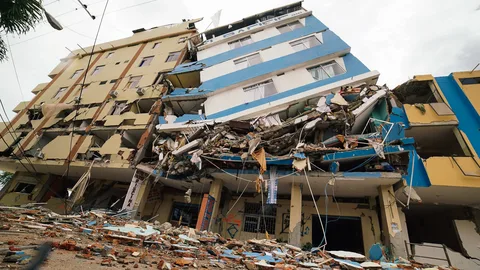
In the aftermath of the catastrophic earthquakes that struck southern Turkey and northern Syria in February 2023, Antakya, a city with a rich history dating back to the fourth century BC, faced unimaginable devastation. With more than 50,000 lives lost and millions displaced, the city was left in ruins, with 80% of its buildings damaged beyond repair. The challenge of rebuilding such a disaster-prone area is formidable, but a new masterplan aims to transform Antakya into a model of resilience against natural disasters.

Foster + Partners, an architectural firm, was commissioned by the Türkiye Design Council to lead the effort to not only rebuild but also future-proof the city against earthquakes, flooding, and other environmental threats. Given Antakya’s location at the foot of Mount Habib Neccar and along the Asi River, the city is particularly vulnerable to soil liquefaction and flooding. The masterplan addresses these vulnerabilities with a multifaceted approach that integrates architectural innovation, urban design, and sustainability.

Picture background

Key elements of the plan include the construction of compact, earthquake-resistant buildings and the creation of “superblocks” that prioritize pedestrian and emergency routes over vehicular traffic. This design not only enhances safety but also improves the quality of life by reducing traffic and increasing green spaces. Green spaces play a crucial role in the plan, serving as natural buffer zones to absorb floodwaters and acting as green corridors that support local biodiversity. The goal is to double the amount of green space per capita, making access to nature more equitable for all residents.

The plan also emphasizes the importance of community involvement in the rebuilding process. Older residents, who have deep connections to the city, were consulted to ensure that the revitalization efforts preserve Antakya’s unique spirit. This focus on community and trust is central to the project’s success. As one elderly resident expressed, the destruction caused by the earthquake has left them with a profound sense of betrayal by the very buildings they once trusted. Rebuilding that trust, along with the physical structures, is at the heart of the masterplan.

While the full revitalization of Antakya is expected to take a decade, the lessons learned from this ambitious project could set a global precedent for rebuilding disaster-stricken cities. The approach taken in Antakya highlights the necessity of prioritizing resilience and sustainability in urban planning, particularly in regions prone to natural disasters. As the world faces increasing environmental challenges, the Antakya masterplan serves as a blueprint for how cities can not only recover but thrive in the face of adversity.