Paetongtarn Shinawatra Becomes Thailand’s Youngest Prime Minister Amid Political Turmoil

Paetongtarn Shinawatra, the 37-year-old daughter of Thailand’s former Prime Minister Thaksin Shinawatra, was elected as the country’s youngest prime minister, marking a significant moment in the nation’s turbulent political landscape. Her rapid rise comes just days after Srettha Thavisin, an ally, was ousted as premier, highlighting the ongoing power struggles within Thailand’s political elite. Paetongtarn’s election solidifies the influence of the Shinawatra family, known for their populist appeal and controversial past, in Thai politics.

As the third Shinawatra to hold the prime ministerial office, following her father Thaksin and aunt Yingluck, Paetongtarn faces immense pressure to navigate Thailand’s economic challenges and political instability. Her victory, secured with 319 votes in parliament, signifies a gamble by the Pheu Thai Party, which hopes her leadership can revive its dwindling popularity and deliver on promises such as a significant cash handout program.

Picture background

However, her lack of government experience and the recent dismissal of her predecessor underscore the high stakes involved. Paetongtarn’s leadership comes at a time when Thailand remains mired in a cycle of political upheaval, with frequent coups and judicial interventions that have disrupted governance for decades. The Shinawatra family has historically been at the center of these conflicts, often clashing with conservative elites and the military establishment.

The recent dissolution of the opposition Move Forward Party, which was gaining momentum, further complicates the political landscape. As Paetongtarn takes on this challenging role, she must address economic concerns and navigate the complex dynamics of Thai politics, where the Shinawatra name remains both a symbol of populism and a target for opponents. Her success or failure could have lasting implications for the future of the Shinawatra dynasty and Thailand’s political trajectory.
 

Kamala Harris’ Economic Agenda: A Focus on Tax Cuts, Price Control, and Affordable Housing

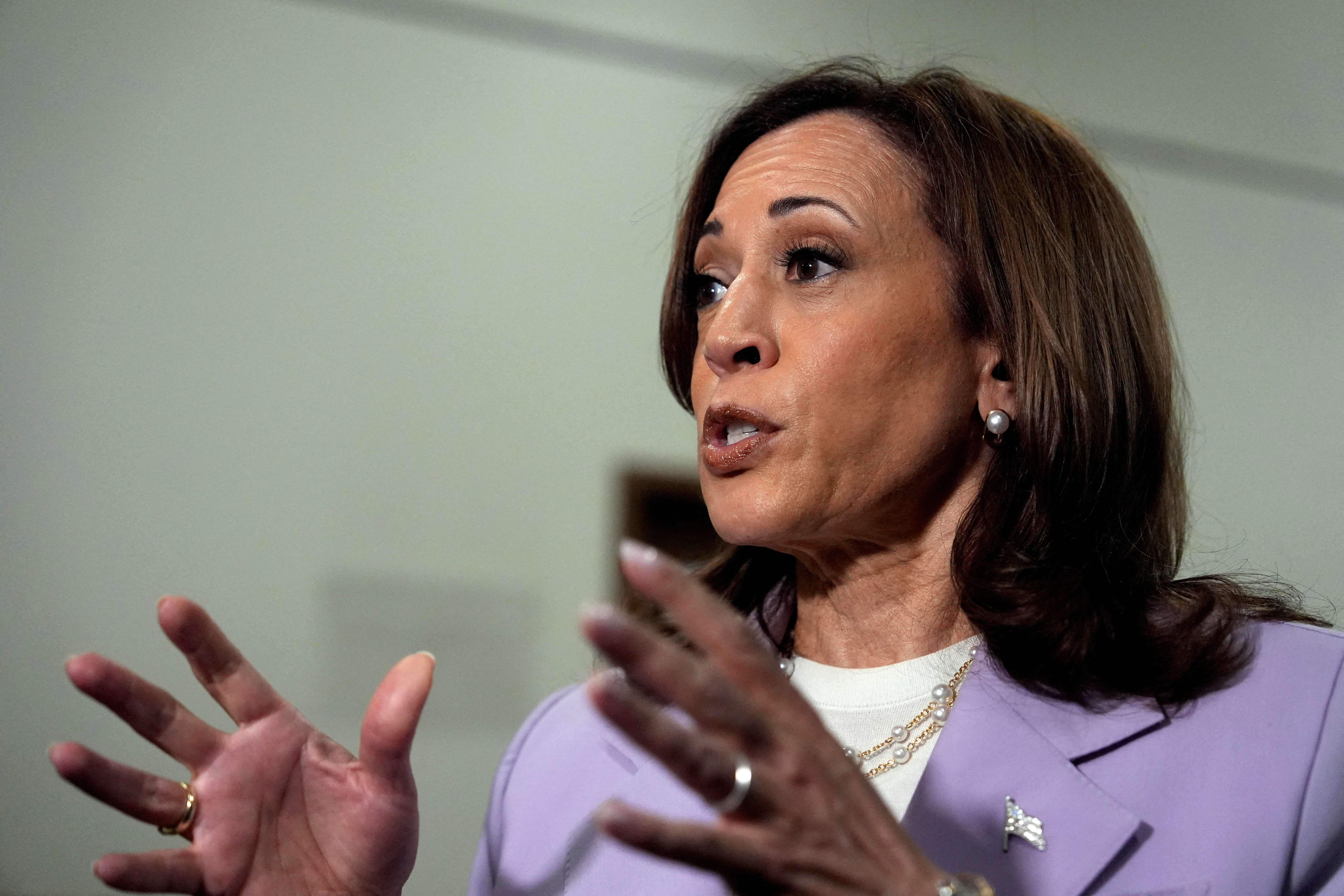
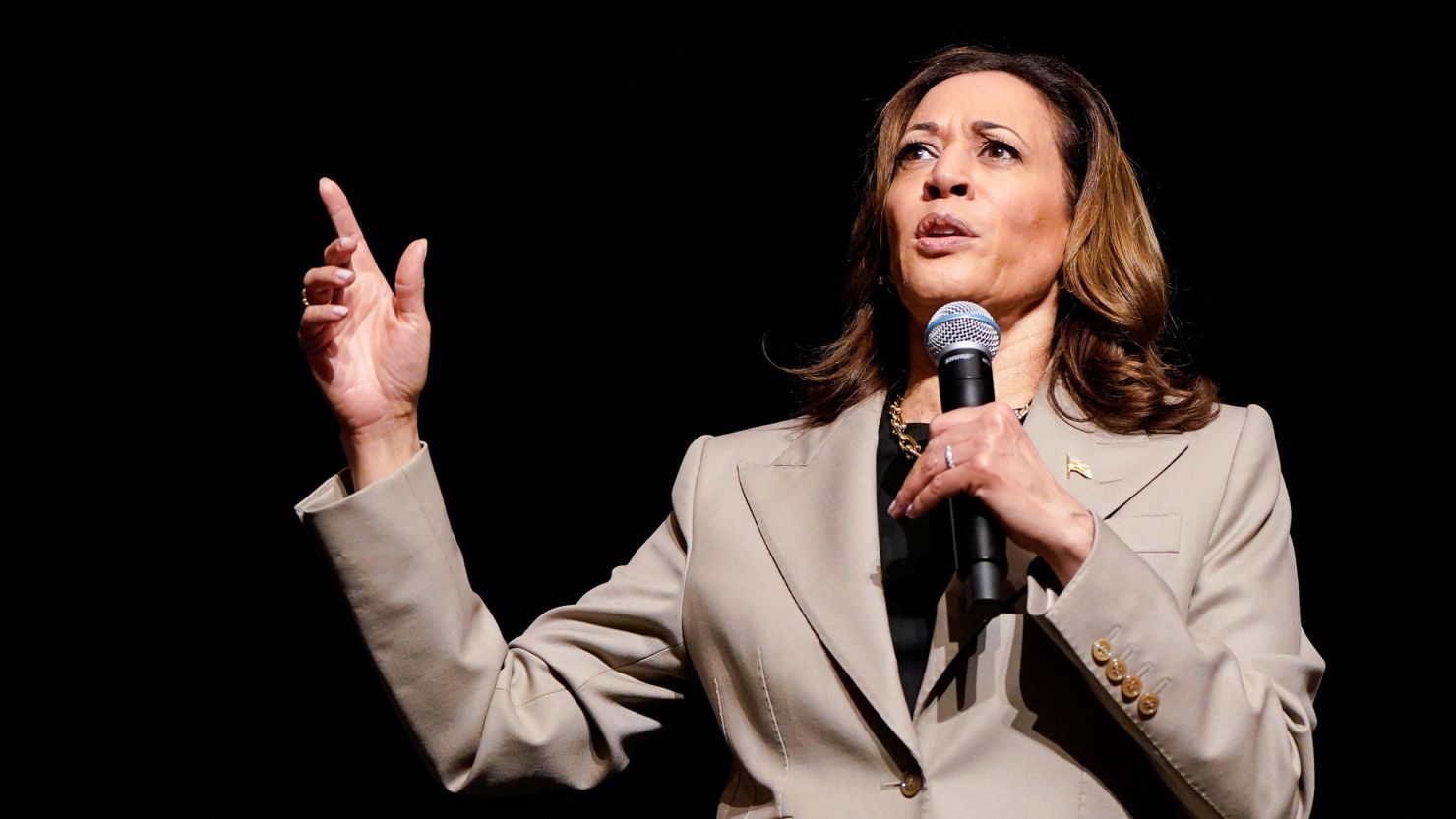
Kamala Harris has unveiled her economic plan, which builds on President Biden’s policies with new initiatives aimed at lowering costs and taxes for Americans. In her first major speech focused on the economy as the Democratic presidential candidate, Harris plans to introduce proposals that include cutting taxes for families, banning grocery price gouging, and boosting affordable housing.

Harris is set to deliver this speech in Raleigh, North Carolina, where she will outline her agenda for the first 100 days in office. Key elements include expanding the child tax credit to $6,000 for families with newborns, reducing taxes for families with children, and lowering prescription drug costs. These proposals are designed to appeal to working-class voters who are concerned about rising costs and economic stability.

Picture background

While Harris’ plan mirrors much of Biden’s economic agenda, it introduces new measures, such as homebuyer credits and penalties for companies engaged in price gouging. For instance, she proposes a $25,000 credit for first-time homebuyers and aims to build 3 million new housing units. Additionally, her plan includes a federal ban on price gouging for food and groceries, with the Federal Trade Commission imposing harsh penalties on violators.

Harris’ agenda also contrasts sharply with her Republican opponent, Donald Trump, particularly on tax policy and tariffs. While Trump has proposed new tax cuts and suggested making the 2017 corporate tax cuts permanent, Harris plans to maintain Biden’s promise not to raise taxes on individuals earning less than $400,000 annually. She also opposes Trump’s idea of imposing new across-the-board tariffs on imports.

Despite the appeal of progressive economic ideas among voters, implementing Harris’ policies will likely face challenges in Congress, where similar proposals from Biden have struggled to gain traction. To navigate potential opposition, Harris’ campaign is expected to be strategically ambiguous on certain issues, focusing on broader goals rather than divisive details.


Trump’s Loyalty-Driven Purge and Its Impact on the Republican Party

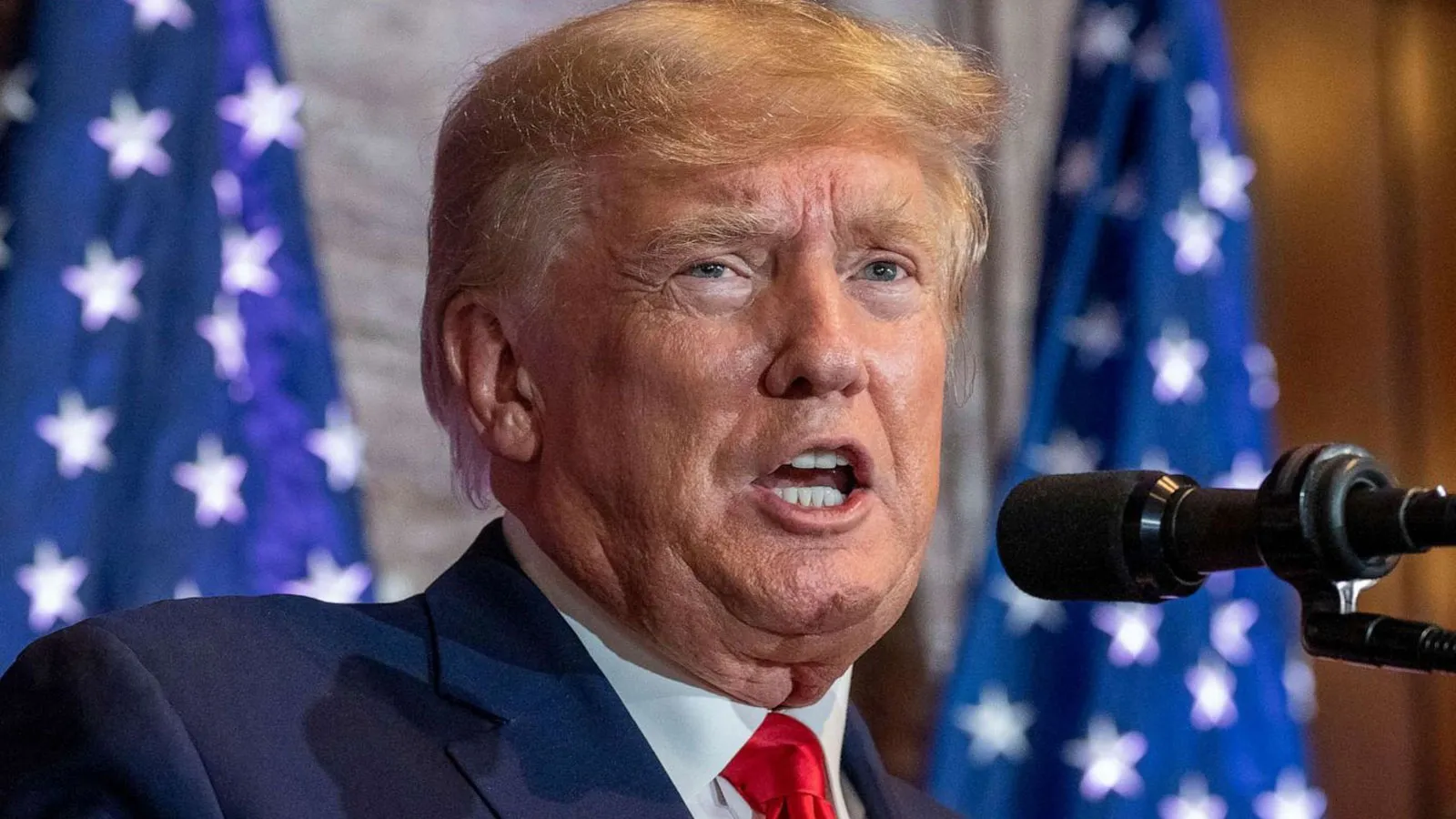
As Donald Trump approaches the final phase of his presidential campaign, his focus on loyalty has dramatically reshaped the Republican Party, pushing out those deemed disloyal and reinforcing his influence across the party. This loyalty-first approach was starkly evident in the case of Congressman Tom Rice, who faced severe backlash, including death threats, after voting to impeach Trump following the January 2021 Capitol riot. Rice’s political downfall in South Carolina’s primary election, fueled by Trump’s public denunciation and support for his opponent, illustrates how Trump has redefined party loyalty. Once a prominent conservative figure, Rice now finds himself alienated by former allies, reflecting a broader trend within the Republican Party, where adherence to Trump’s agenda has become a litmus test for survival.

Picture background

Trump’s tactics extend beyond high-profile figures like Rice, permeating every level of the Republican Party, from local officials to Congress members and presidential rivals. His insistence on loyalty has led to the expulsion or marginalization of those who do not align with his “Make America Great Again” platform. The former president’s influence has reconfigured the party, creating an environment where defiance is met with severe consequences, effectively transforming the GOP into a party that prioritizes allegiance to Trump over traditional conservative values.

However, this strategy carries risks. While it consolidates Trump’s power within the party, it could alienate critical voters, particularly in a close race where broader appeal might be necessary for victory. Trump’s approach, characterized by intimidation and demands for unwavering loyalty, has undoubtedly reshaped the Republican Party, but it remains to be seen whether this transformation will help or hinder his chances in the upcoming election. As the Republican Party continues to evolve under Trump’s influence, the long-term implications of this loyalty-driven purge will likely play a significant role in shaping the party’s future direction.