Smarter AI Thanks to Specialized Human Trainers: A Behind-the-Scenes Look

In the past, training AI models like ChatGPT and its competitors involved vast teams of low-cost workers helping machines learn simple distinctions, such as identifying whether an image was of a car or a carrot. However, as AI models have become more advanced, the need for highly specialized human trainers has grown exponentially. Experts in various fields, from history to medicine, are now integral to shaping the next generation of AI.

Cohere co-founder Ivan Zhang explained that a year ago, undergraduates were enough to teach AI general improvements. But today, licensed professionals such as physicians and financial analysts are needed to ensure the models perform effectively in specialized environments. Cohere, a key rival of OpenAI, works with Invisible Tech, a startup that supplies thousands of trainers to help AI models reduce errors, known in the industry as “hallucinations.”

Invisible Tech, founded in 2015, initially focused on workflow automation but pivoted to AI training after OpenAI approached them in 2022. This partnership came about because OpenAI’s early ChatGPT models were prone to generating incorrect information, and they needed advanced human feedback to address this issue.

Invisible’s founder, Francis Pedraza, highlighted the company’s role in providing specialized human trainers to most of the big players in the generative AI (GenAI) space, including OpenAI, Cohere, and AI21. Invisible’s network now consists of 5,000 experts worldwide, many of whom hold advanced degrees. Depending on the complexity of the task, Invisible pays its trainers up to $40 per hour, with other companies in the space offering even higher rates for niche expertise.

Picture background

The issue of AI “hallucinations” has become a significant challenge for the industry. These occur when AI models generate factually inaccurate information, undermining their reliability, especially for businesses. To address this, companies like OpenAI run constant experiments to improve AI performance, relying heavily on human trainers with deep domain expertise to refine the models.

Invisible’s role extends beyond just providing human labor; they also help manage the increasingly large and complex tasks required to train AI. As Pedraza put it, OpenAI has some of the world’s best computer scientists, but they may not be experts in fields like Swedish history or biology. That’s where specialized trainers come in, filling knowledge gaps and making the models more versatile.

Other companies in this space, such as Scale AI, which was last valued at $14 billion, also supply training data and have ventured into providing AI trainers. However, Invisible remains a key player, having been profitable since 2021 despite only raising $8 million in primary capital. Pedraza noted that Invisible’s unique ownership structure allows them to maintain 70% control within the team, with a secondary market valuation of around half a billion dollars.

The rise of specialized trainers marks a significant shift from earlier days of AI training, which mostly involved low-paid, less-qualified workers from African and Asian countries. Today, demand for trainers with deep knowledge across a range of subjects and languages is creating a well-paid niche, opening doors for experts in various fields to contribute to AI development without needing coding skills.

As AI companies continue to push the boundaries of their technology, the market for specialized trainers is growing. Zhang, from Cohere, mentioned his inbox is flooded with inquiries from new firms offering similar services, underscoring the increasing importance of human expertise in the evolution of AI.
Trump Intensifies Rhetoric Against Immigrants and Harris Amid Close Election Race

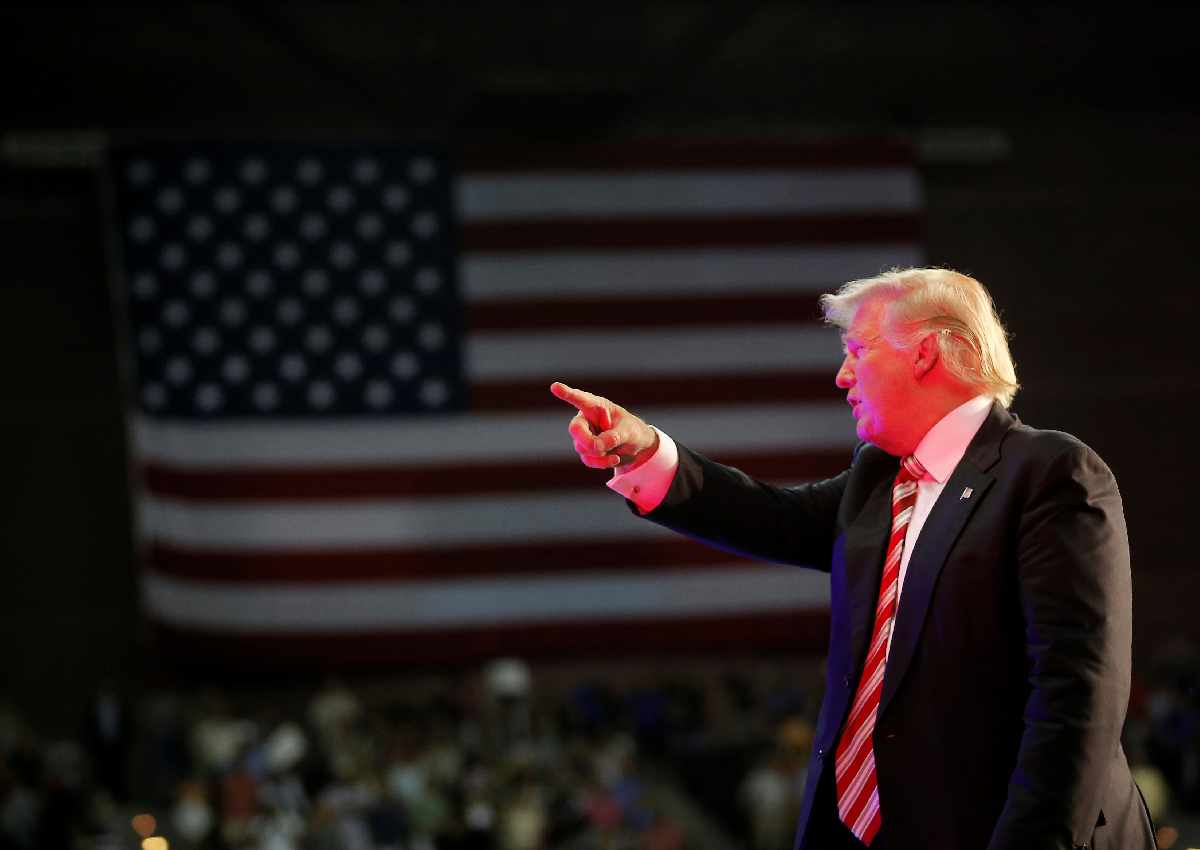
Donald Trump ramped up his inflammatory rhetoric against immigrants and Vice President Kamala Harris during a speech in Wisconsin on Saturday. In one of his most heated addresses, the former president focused heavily on undocumented immigrants who have committed violent crimes, using harsh language to describe them as “monsters” and “vile animals.” Trump’s speech also included escalated personal attacks on Harris, calling her “mentally impaired” and “mentally disabled” after she made her first visit to the U.S.-Mexico border as part of her 2024 presidential campaign.

Speaking in the battleground state, Trump was flanked by posters depicting immigrants arrested for violent crimes and banners calling for the deportation of all undocumented immigrants. His remarks centered almost entirely on the topic of immigration, a key issue for many voters in the upcoming November 5 election. Trump blamed Harris and President Joe Biden for a record number of 7 million migrant arrests under their administration, accusing them of letting criminals into the country who, according to him, aim to “rape, pillage, thieve, plunder, and kill.”

Trump acknowledged the dark tone of his speech, saying, “This is a dark speech,” as he emphasized crimes allegedly committed by immigrants, particularly against women. His remarks were delivered in Prairie du Chien, a small Wisconsin town where a Venezuelan immigrant was recently arrested for allegedly sexually assaulting a woman and attacking her daughter.

In response to Trump’s speech, Sarafina Chitika, a spokesperson for Harris, criticized Trump, stating, “He’s got nothing ‘inspiring’ to offer the American people, just darkness.” Harris had addressed immigration issues during her visit to the border the day before, outlining her plans to fix what she called the “broken immigration system” and accusing Trump of stoking fear and division. She also called for tighter asylum restrictions and prioritized stopping fentanyl smuggling into the U.S., a pressing issue for both parties.

Trump’s speech included his usual claim that the 2020 election, which he lost to Biden, was rigged. He also hinted that if he wins reelection, he would pursue legal action against those he blames for his loss.

While immigration has been a focal point of Trump’s campaigns, critics have accused him of promoting racist stereotypes, especially by focusing on crimes committed by Hispanic immigrants. Studies generally show no evidence that immigrants commit crimes at a higher rate than native-born citizens. Despite this, Trump often highlights cases involving young female victims of Hispanic assailants to support his narrative of a violent immigrant threat. His opponents argue that he exploits grieving families to push this divisive agenda, though some of the families affected by violent crimes or opioid deaths have embraced Trump’s attention to the issue.

Several parents of teenagers who lost their lives to fentanyl or violence committed by undocumented immigrants spoke in support of Trump before his remarks, underscoring the emotional weight of the debate on immigration and crime.

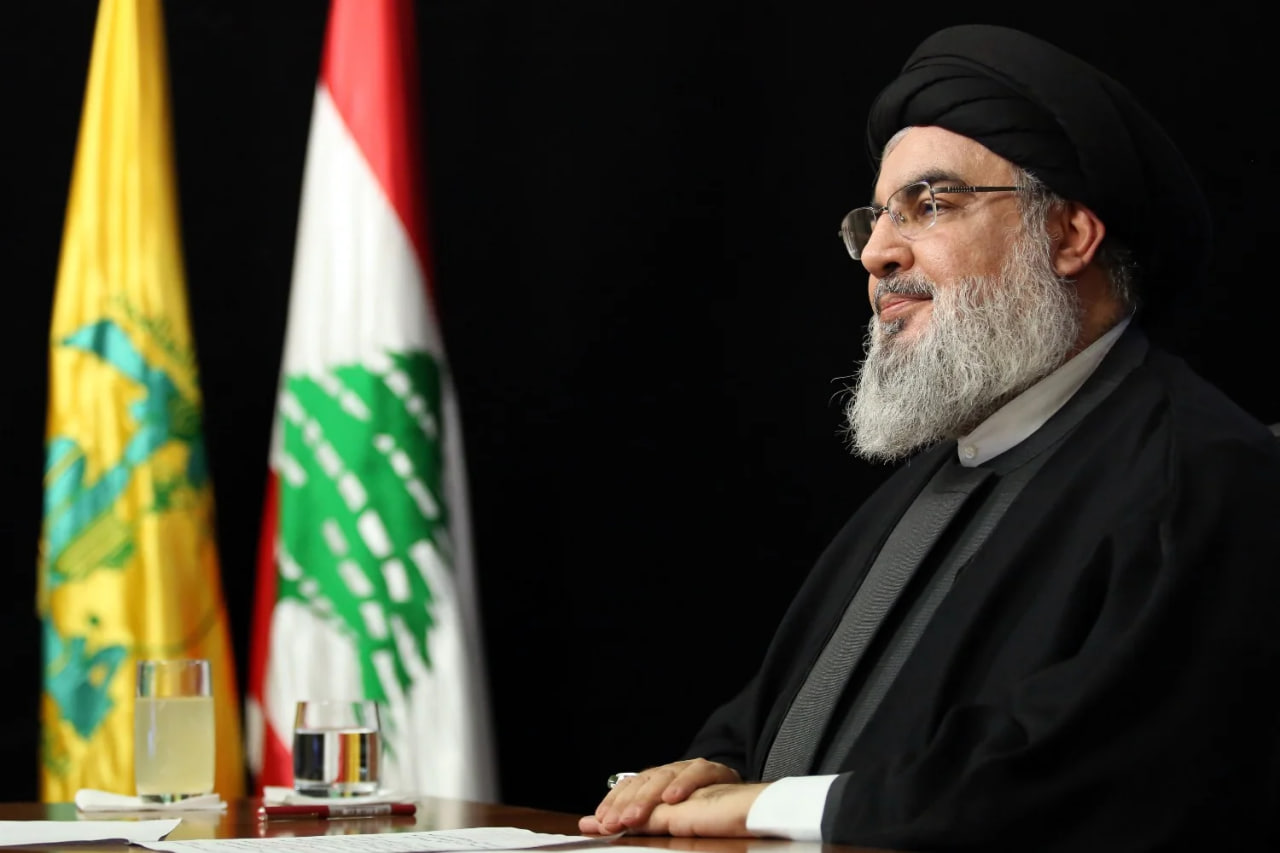
Nasrallah’s Assassination Highlights Israel’s Deep Infiltration of Hezbollah

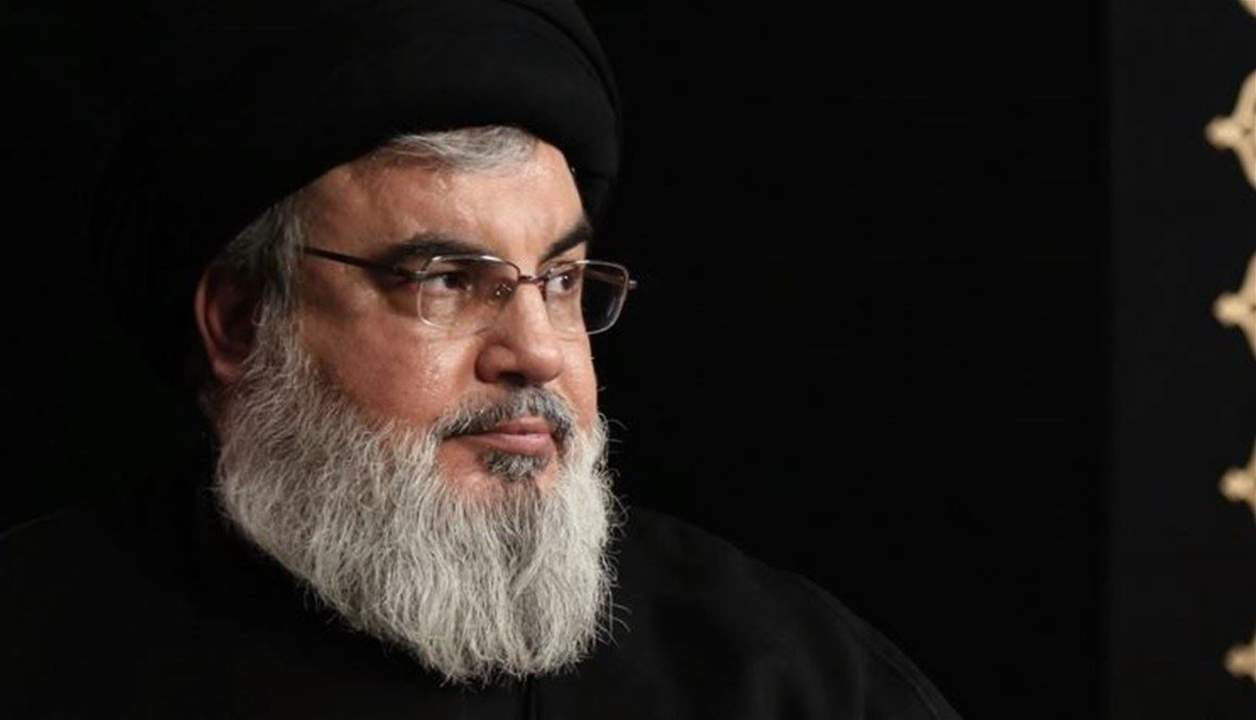
The assassination of Hezbollah leader Sayyed Hassan Nasrallah has exposed the extent of Israel’s infiltration into the ranks of the powerful Shi’ite paramilitary group. Nasrallah, long seen as an untouchable figure, was killed in a command headquarters on Friday, following a series of Israeli strikes targeting Hezbollah’s leadership and military infrastructure. His death marks a significant blow to the group, which has already seen several of its top commanders eliminated in recent weeks.

Israel’s penetration of Hezbollah became glaringly evident with the detonation of booby-trapped pagers and radios just days before Nasrallah’s killing. These strikes have dismantled nearly half of Hezbollah’s leadership council and severely compromised its military command. According to sources in Lebanon, Israel, Iran, and Syria, Israel’s intelligence on Hezbollah has been highly accurate, with one Israeli source stating that the country could have targeted Nasrallah at any time over the past 20 years.

Israeli Prime Minister Benjamin Netanyahu and his inner circle authorized the strike while Netanyahu was attending the U.N. General Assembly in New York. Nasrallah’s movements had long been secretive, and he had taken extraordinary precautions since the detonation of Hezbollah’s communication devices. However, Israeli intelligence, which remains shrouded in secrecy, pinpointed his location in an underground headquarters in southern Beirut. This suggests the presence of informants within Hezbollah’s ranks.

The assassination of Nasrallah, coupled with the destruction of critical weapons sites and Hezbollah’s communications network, has dealt a psychological and operational blow to the group. Magnus Ranstorp, a veteran Hezbollah expert, described it as a massive intelligence failure for Hezbollah, which now faces the daunting task of plugging the infiltration within its ranks.

Picture background

Hezbollah’s response to the assassination remains unclear, but the group has a long history of quickly replacing its leadership. Nasrallah’s cousin, Hashem Safieddine, is widely expected to succeed him. Despite the blow, Hezbollah retains significant military capabilities, including an estimated 40,000 fighters and an arsenal of rockets, missiles, and drones. However, the group has been weakened materially and psychologically by the recent Israeli offensive.

Over the past week, Israel has struck more than 1,000 Hezbollah targets, including its missile stockpiles and supply routes. According to Western diplomats, Hezbollah has lost 20-25% of its missile capacity. Israeli officials claim that Hezbollah’s diminished ability to launch rockets—only a few hundred a day—further proves the success of their offensive.

Iran, Hezbollah’s key backer, had reportedly been planning to send additional missiles to Hezbollah for a prolonged conflict. These weapons were to include ballistic missiles such as the Zelzal and Fateh 110. However, Israel’s intensified airstrikes on supply routes through Syria and Iraq have complicated Iran’s ability to deliver these arms. Iranian Revolutionary Guards’ deputy commander Abbas Nilforoushan was also killed in the same Israeli airstrike that took out Nasrallah.

While Iran remains willing to support Hezbollah militarily, it has refrained from direct involvement in the current conflict, preferring to rely on its proxy groups across the region. Israeli forces continue to target Hezbollah’s infrastructure, including weapons depots and transport routes, in an effort to cripple the group before it can fully mobilize its arsenal.

With Hezbollah weakened and its leadership decimated, the group’s future remains uncertain. While it will undoubtedly regroup and continue its resistance against Israel, Nasrallah’s death marks a turning point in the decades-long conflict between the two adversaries.