Biden Administration Unveils New Evidence of RT’s Role in Russian Intelligence Operations Worldwide

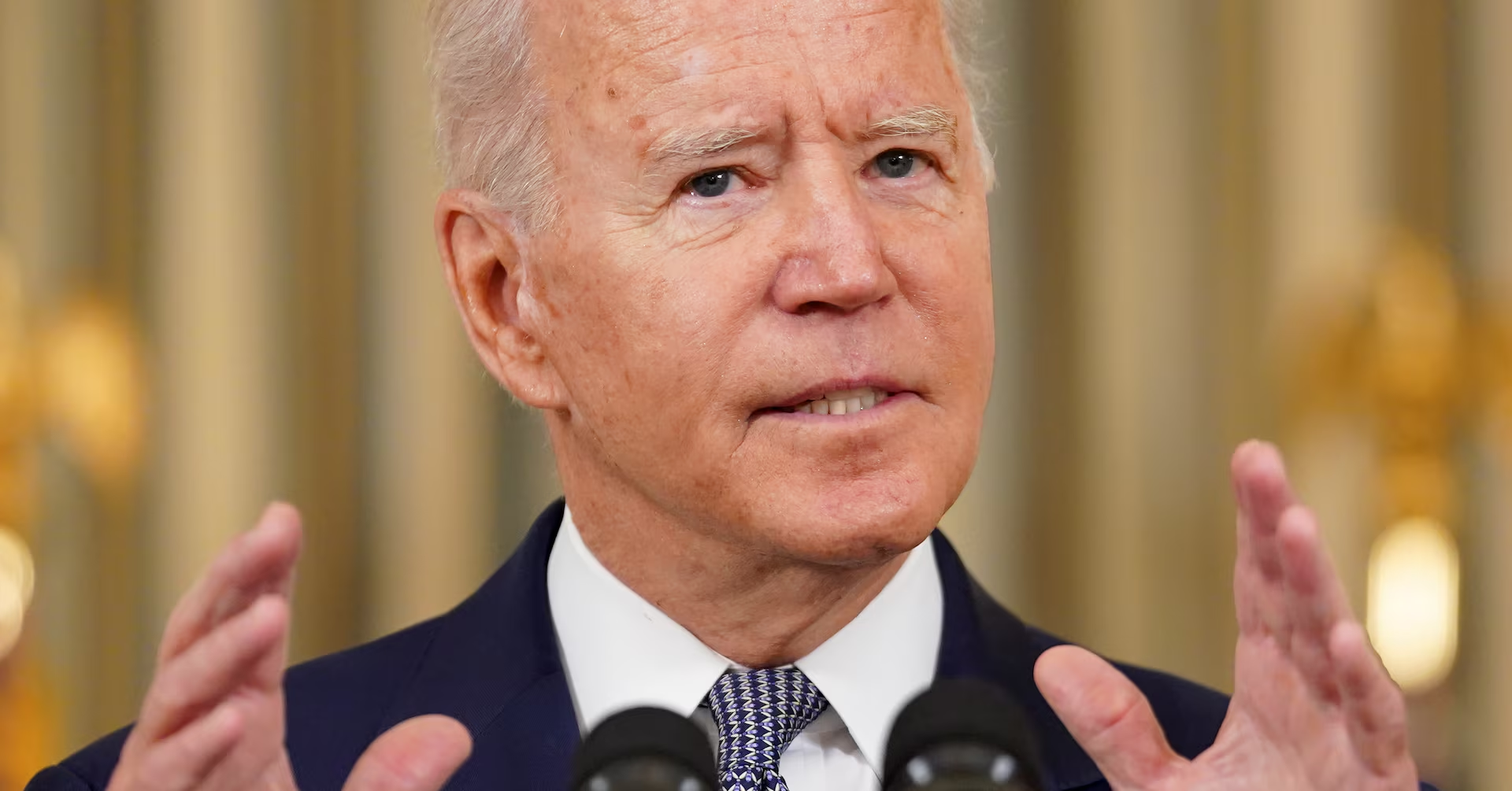
The Biden administration on Friday launched a major diplomatic campaign to curb the global influence of RT (formerly Russia Today), revealing new declassified US intelligence that shows RT’s deep integration with Russian intelligence operations. The US State Department’s findings suggest RT has been engaging in covert influence activities, including cyber operations, military procurement, and disinformation campaigns. The administration aims to provide countries with information about the risks associated with RT’s activities, making it more difficult for the network to operate globally.

Secretary of State Antony Blinken announced that RT possesses cyber capabilities and engages in covert operations, with a specific intelligence unit embedded within RT for over a year, tasked with global influence efforts. These findings show RT’s activities extend beyond propaganda, playing a crucial role in Russia’s broader intelligence and military objectives.

In addition, RT leaders allegedly facilitated a crowdfunding campaign to provide military equipment, such as sniper rifles and drones, to Russian soldiers in Ukraine. The US believes these operations not only spread disinformation but also undermine democratic processes in countries worldwide.

The US diplomatic push follows last week’s federal charges against RT employees involved in covertly funding a US company to produce content aimed at swaying American public opinion ahead of the 2024 elections.


Climate Protesters Face Harsh Prison Sentences as UK Courts Equate Activism with Violent Crime

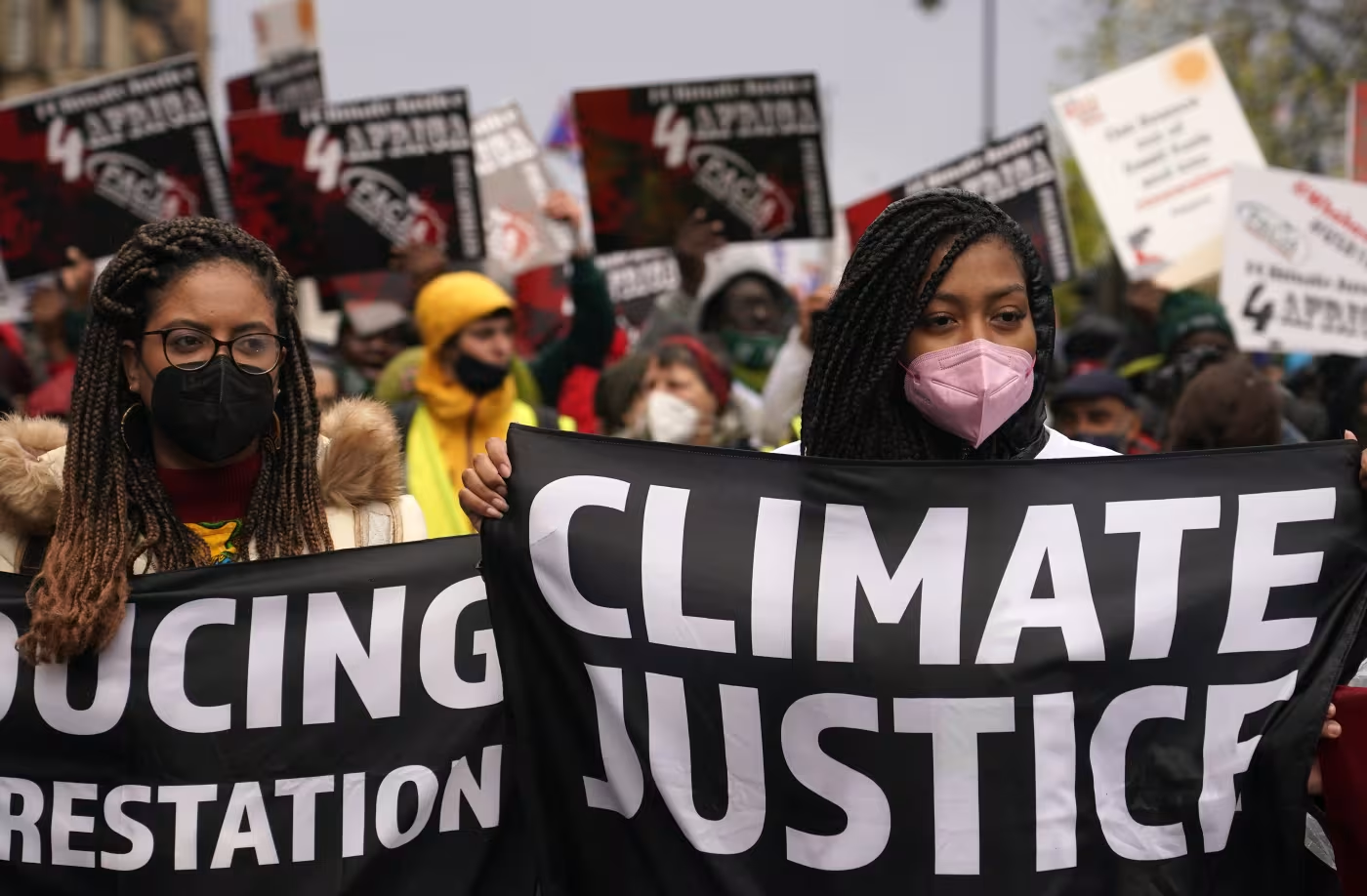
While right-wing rioters recently caused chaos in UK communities, 22-year-old climate activist Cressie Gethin spent time in a prison cell. Her crime? Organizing protests against new oil-drilling licenses in the North Sea, where she and fellow activists disrupted traffic on the M25. Convicted of “conspiring to cause a public nuisance,” Gethin and three other Just Stop Oil members now face four-year prison terms, with co-founder Roger Hallam sentenced to five years.

These sentences, the longest ever for non-violent protests in the UK, were handed down under newly implemented laws aimed at curbing disruptive protests. The laws place organizing such demonstrations on par with violent crimes like robbery, a shift that alarms human rights groups.

The activists argue their actions were necessary to highlight the climate emergency, but the court and government have taken a hard line. Gethin, writing from prison, said, “A harsh sentence like this doesn’t make sense morally or legally, but it does politically.”

Controversial New Laws

The Public Order Act 2023 and the Police, Crime, Sentencing and Courts Act 2022 have expanded police powers, giving authorities more tools to arrest and sentence protesters. These laws were directly influenced by reports from right-wing think tanks like Policy Exchange, which has ties to fossil fuel companies, including ExxonMobil.

Despite pledges to transition to a net-zero economy by 2050, the UK government has continued issuing oil-drilling licenses, contrary to recommendations by climate scientists. This policy has sparked protests like those organized by Just Stop Oil, and now, activists face criminalization on a large scale, with over 3,000 arrested since 2022.

Picture background

Public Reaction and Global Concerns

Amnesty International and other civil rights groups have condemned the new laws, calling them a sign of creeping authoritarianism. Critics argue that peaceful protest is being penalized on par with violent acts, with climate protesters facing sentences similar to those for robbery or rape. The UN’s Michael Forst, special rapporteur on environmental defenders, criticized the sentences, calling them “punitive and repressive.”

Despite the public outcry, the Labour government has yet to review the laws, which were introduced under the Conservative government of Rishi Sunak. Sunak’s ties to Policy Exchange and the fossil fuel industry have raised questions about political influence on climate legislation.

A Global Pattern

The UK is not alone in its crackdown on climate protests. Other wealthy nations, including the US and Australia, have implemented similar policing laws, often with backing from fossil fuel industries. In the US, at least 21 states have criminalized protests near critical infrastructure like oil pipelines, following the Standing Rock protests. These laws often share language drafted by right-wing lobbying groups like ALEC, which has long been funded by oil giants like Chevron.

Climate Protesters: Villains or Heroes?

The judge in Gethin’s trial barred any defense based on the climate crisis, a decision seen as undermining the activists’ motivations. Just Stop Oil’s actions, although disruptive, are aimed at preventing the catastrophic consequences of continued fossil fuel extraction. Despite the harsh sentences, activists like Gethin remain resolute, seeing their actions as part of a larger moral obligation to stop climate disaster.

Gethin’s imprisonment, she says, is just one chapter in the ongoing fight against the ecological and social upheaval caused by climate change. “Standing up for what is right,” she writes from her cell, “is something I can work for, whatever the future brings.”


Same-Sex Marriage Faces Uncertainty in Asia After Initial Progress

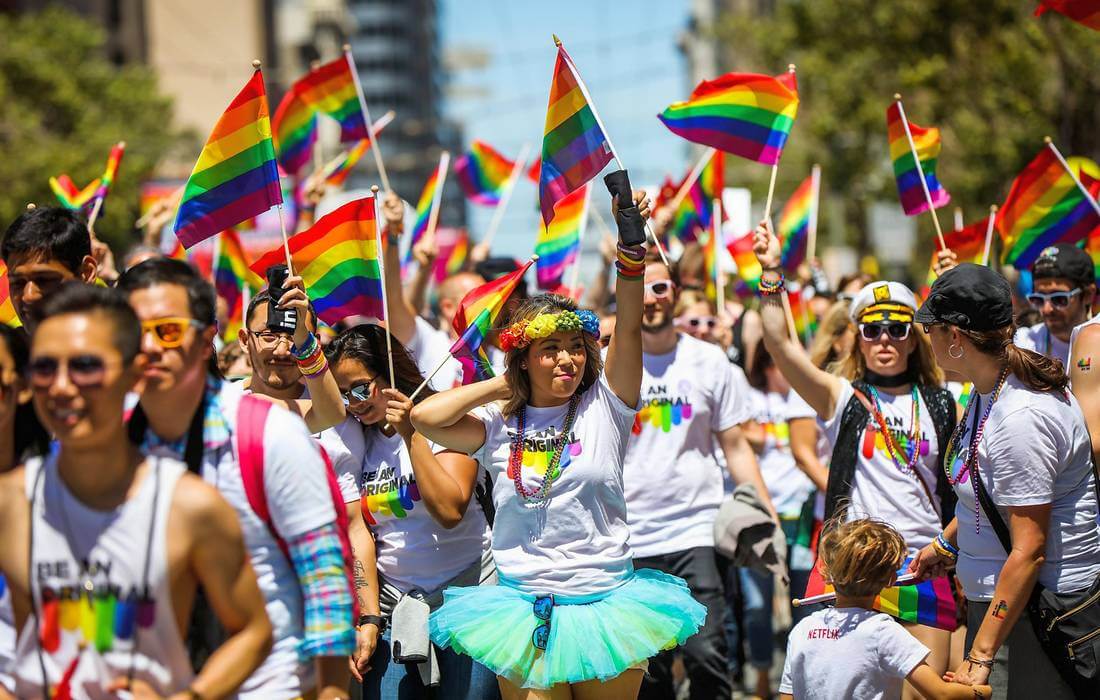
In June, Thailand’s Senate passed a marriage equality bill, putting the country on track to become the first Southeast Asian nation to legalize same-sex marriage. The local LGBTQ+ community celebrated with symbolic wedding ceremonies in Bangkok, hopeful that the real thing could soon follow. Once finalized by royal approval, Thailand would join Taiwan (2019) and Nepal (2023) as the only Asian jurisdictions to legalize same-sex marriage.

However, despite this progress, the momentum for marriage equality in Asia has largely stalled. Few other governments in the region are moving towards similar legislation, according to Suen Yiu-tung, associate professor of gender studies at the Chinese University of Hong Kong.

Regional Disparities

Globally, over 30 jurisdictions have legalized same-sex marriage, with most progress seen in Europe, the Americas, and Australasia. But many Asian countries maintain conservative stances. Homosexuality remains illegal in neighboring Myanmar, Malaysia, Sri Lanka, Brunei, Bangladesh, and Indonesia’s Aceh province, with severe penalties such as jail terms and caning.

Nadia Rahman from Amnesty International highlighted that despite victories in some countries, LGBTQ+ people across Asia still face criminalization, discrimination, and violence.

The recent progress in Thailand, Taiwan, and Nepal stems from unique cultural and political environments. For example, Nepal’s liberal judiciary has historically sided with LGBTQ+ rights, and its culture, including the recognized third-gender “hijras,” laid the groundwork for inclusion. In Taiwan and Thailand, active civil societies and democratic developments have also pushed the movement forward. Scholars like Kangwan Fongkaew from Burapha University attribute Thailand’s progress to its political system, which allows popular demands to be channeled into legislation.
Picture background

Challenges in Other Asian Nations

While Thailand and Taiwan have made strides, LGBTQ+ rights face major challenges elsewhere. In mainland China, activism remains heavily suppressed, and in India, efforts to legalize same-sex marriage have hit a deadlock. Although India’s Supreme Court was petitioned to grant marriage rights, it deferred the matter to the government, which has shown little urgency to act. Activist Anish Gawande noted that India’s government only takes limited actions to appease international pressure without committing to broader reforms.

In Japan, where polls show 68% support for same-sex marriage, progress has been slow. While some local governments recognize same-sex relationships for administrative purposes, national courts have returned conflicting rulings on the issue. Religious conservatism remains a significant barrier in South Korea, where the LGBTQ+ community faces public hostility, as seen in protests against LGBTQ+ events. Nonetheless, South Korea has had some wins, such as a recent Supreme Court ruling granting spousal benefits to same-sex partners in national health insurance.

Economic Considerations and Future Outlook

Experts argue that legalizing same-sex marriage could provide economic benefits, particularly for nations like Singapore and Hong Kong, which aim to attract multinational companies. These firms often require supportive environments for their LGBTQ+ employees. However, despite such pressures, neither government seems poised to enact changes. Singapore recently decriminalized sex between men but constitutionally blocked challenges to same-sex marriage. In Hong Kong, the Court of Final Appeal ordered the government to create a legal framework recognizing same-sex couples, but there has been no substantial progress.

Overall, the situation remains uneven across the region. Peter Newman, from the University of Toronto, emphasized that despite recent advancements, criminalization and discrimination persist in many parts of Asia. Even in countries with legal protections, LGBTQ+ individuals still face challenges like workplace bullying and health care discrimination. However, Suen remains cautiously optimistic, noting that public discussions around LGBTQ+ rights have increased, with Thailand’s move providing an encouraging sign for the future.