
OpenAI’s $150 Billion Valuation Tied to Major Corporate Restructuring

OpenAI is on the verge of a significant transformation as it seeks a $150 billion valuation in its latest financing round. The funding, expected to be around $6.5 billion, may hinge on substantial changes to the company’s corporate structure, including the potential removal of profit caps for investors. This restructuring reflects OpenAI’s evolution from a research-focused non-profit to a high-value enterprise aiming for breakthroughs in artificial general intelligence (AGI).

Funding and Investor Involvement

The new financing round is likely to involve convertible notes and has generated considerable interest from investors. Current backers, including Thrive Capital, Khosla Ventures, and Microsoft, are anticipated to participate, while new investors like Nvidia, Apple, and possibly Sequoia Capital are also expected to contribute. The deal could be finalized within weeks due to OpenAI’s rapid revenue growth.

Structural Changes and Profit Cap Removal

To secure the desired valuation, OpenAI is considering removing the profit cap that currently limits returns for investors in its for-profit subsidiary. This cap, established to balance commercial interests with safety and sustainability in AGI development, would need approval from OpenAI’s non-profit board, which includes CEO Sam Altman, entrepreneur Bret Taylor, and seven other members.

The potential shift to a for-profit benefit corporation, similar to structures used by rivals like Anthropic and xAI, has been discussed but remains uncertain. Such a move could enhance returns for early investors but might also raise concerns about OpenAI’s adherence to its original non-profit mission.

Historical Context and Governance

Founded in 2015 as a non-profit with a mission to advance AI for humanity’s benefit, OpenAI has made a significant shift towards commercialization. It now offers subscription-based services like ChatGPT, which has over 200 million users. The company previously used a capped return model, limiting investor returns to 100 times their investment, with excess profits directed to the non-profit arm.

This model allowed OpenAI to raise over $10 billion, primarily from Microsoft. The company was valued at $80 billion in February following a tender offer deal led by Thrive Capital. The removal of the profit cap and other structural changes are part of OpenAI’s broader strategy to continue its aggressive pursuit of AGI while addressing investor demands and market pressures.

Future Implications

The proposed restructuring could significantly impact OpenAI’s future, potentially influencing its governance, mission alignment, and investor relationships. As the company continues to push the boundaries of AI technology, its ability to balance commercial success with its foundational goals will be closely watched by stakeholders and the broader tech community.
 

Russia Develops Kamikaze Drone Using Chinese Engine for Ukraine War

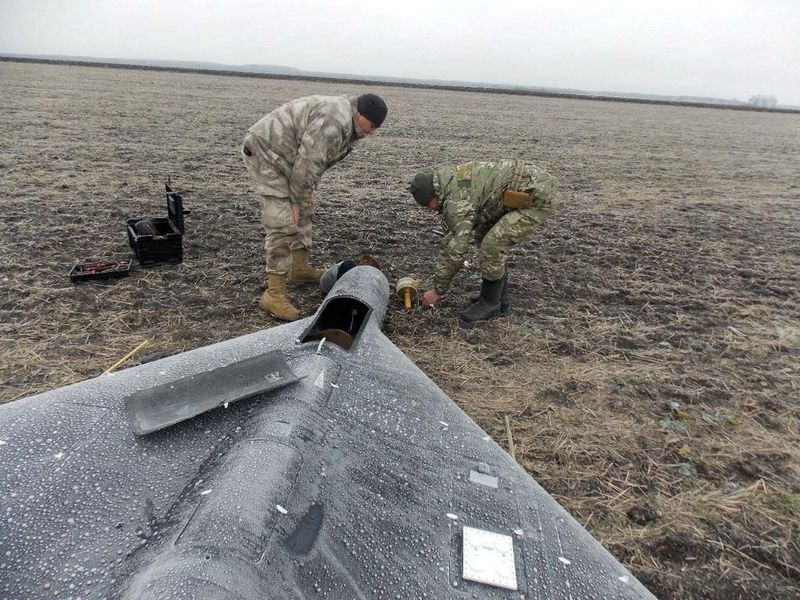
Russia has developed a new long-range kamikaze drone named Garpiya-A1, utilizing Chinese-made engines and components. According to European intelligence sources and documents reviewed by Reuters, the drone has been deployed in the ongoing conflict in Ukraine. The production of over 2,500 Garpiyas from July 2023 to July 2024 marks a shift away from Russia’s previous reliance on Iranian drone designs. The drones have been used to target military and civilian infrastructure, causing significant damage and casualties.

The drone is produced by IEMZ Kupol, a subsidiary of Almaz-Antey, Russia’s state-owned weapons manufacturer, using Chinese engines supplied by Xiamen Limbach. The engine, originally of German design, is now manufactured in China. A former cement factory in Izhevsk, Russia, is being used as the primary production facility, with the plant reportedly churning out thousands of drones in recent months.

China’s Role and International Concerns

The Garpiya-A1 bears similarities to Iran’s Shahed-136 drone but features distinct design elements like bolt-on fins and Chinese-made Limbach L-550 E engines. Although China has officially denied involvement in supporting Russia’s military activities, the export of components with potential military applications, including drones, has drawn international scrutiny. U.S. and European authorities are particularly concerned about Chinese companies continuing to supply critical parts that enable Russia to manufacture these kamikaze drones.

In July 2023, Beijing announced stricter regulations on drone exports, effective from September, while maintaining that its trade with Russia is not restricted under international law. However, NATO Secretary General Jens Stoltenberg and Western officials have urged China to halt its indirect support of Russia’s military efforts, warning that Chinese technology has prolonged the conflict.

Production and Deployment

Production of the Garpiya-A1 began in early 2023, with Kupol securing a contract worth over 1 billion rubles (€10 million) to set up the factory. Initial prototypes were tested in early 2023, with output reaching 2,000 drones in the first half of 2024. Intelligence sources identified several Chinese suppliers, including Juhang Aviation Technology and Redlepus Vector Industries, both based in Shenzhen, for providing essential parts. Juhang has been under British and U.S. sanctions for supplying drone equipment to Russia.

Customs records show that Russia imported over $36 million worth of drone-related components from Chinese suppliers between April 2022 and December 2023, fueling concerns that these imports were marked for civilian use but repurposed for military applications.

Western Reactions and Sanctions

Washington has imposed several sanctions aimed at curbing Moscow’s access to technology for military use, warning Beijing of potential consequences for continuing to support Russia’s defense sector. Despite the sanctions, the Garpiya-A1 drone is the latest example of how Russia has managed to maintain drone production using external support, raising concerns over global arms control.

With a take-off weight under 300 kilos and a range of 1,500 kilometers, the Garpiya-A1 matches the capabilities of Iran’s Shahed-136, a drone that Russia has used extensively in Ukraine. The ability to produce such drones domestically marks a significant advancement in Russia’s drone capabilities, posing new challenges for Ukraine’s defense forces.


Kamala Harris Promises to Cut Degree Requirements for Certain Federal Jobs

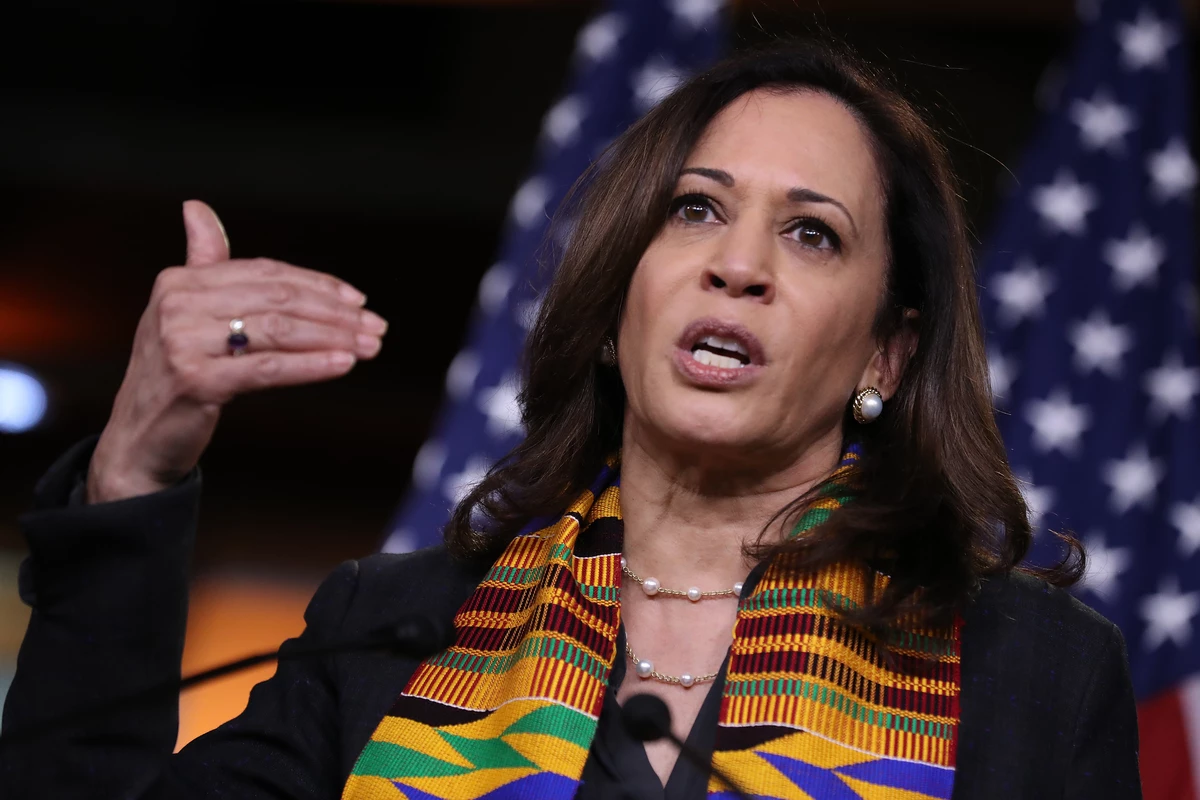
U.S. Vice President Kamala Harris announced her intention to eliminate college degree requirements for certain federal jobs if elected president, in a bid to create more employment opportunities for Americans without four-year degrees. This move comes as part of her broader campaign to appeal to voters alongside Republican rival Donald Trump in the tight race for the November 5 presidential election.

Speaking in Wilkes-Barre, Pennsylvania, Harris emphasized the need to recognize alternative pathways to success, such as apprenticeships and technical programs. “A degree does not necessarily indicate a person’s skills,” she stated, while also challenging the private sector to consider eliminating degree requirements for their positions.

According to data from the U.S. Census Bureau in early 2023, more than 62% of Americans aged 25 or older do not hold a bachelor’s degree. Harris’ plan aims to address the needs of this demographic, which comprised a significant portion of voters in the 2020 elections.

Focus on Economic Policies

Harris’ announcement is part of her broader economic platform, which also includes plans for a middle-class tax cut. This follows her previous advocacy for eliminating taxes on tips, a stance shared by her Republican opponent, Donald Trump, who has also pushed for tax cuts on overtime pay.

A recent survey by Gallup and the Lumina Foundation revealed that many Americans are skeptical about the value and rising cost of college education, with over half of U.S. adults citing financial concerns as a major factor for not pursuing higher education.

Protesters and Foreign Policy Stance

Harris’ speech was interrupted by protesters opposing U.S. support for Israel in its ongoing conflict with Hamas in Gaza. The war, which has claimed tens of thousands of lives and caused a humanitarian crisis, has sparked protests across the U.S. calling for an end to military aid to Israel.

In response, Harris reiterated her support for a ceasefire and a hostage rescue deal, stating, “Now is the time to get a hostage deal and ceasefire.” While maintaining her support for Israel, Harris’ stance on the conflict could influence her standing with pro-Palestinian Americans, including Muslims and Arabs, who overwhelmingly voted for Democrats in the previous election. Observers suggest that if these groups withhold their votes, it could affect Harris’ chances, though they are unlikely to support Trump.

The latest violence in the Israeli-Palestinian conflict was sparked by a Hamas-led attack on Israel on October 7, which resulted in the deaths of 1,200 people and the abduction of 250 hostages, according to Israeli reports. Israel’s military response has led to over 41,000 Palestinian casualties and widespread displacement, according to Gaza’s health ministry, with Israel facing genocide allegations that it denies.