Massive Greenland Landslide Triggered Nine-Day Tsunami, Shaking the Earth

A monumental landslide in Greenland’s Dickson Fjord caused a colossal tsunami that reverberated through the Earth’s crust for nine days. This unprecedented event, which occurred last September, was initially detected as an unusual seismic signal picked up by global sensors, prompting an international scientific investigation.

Tsunami’s Origin and Impact

The landslide involved a massive collapse of a mountainside, dislodging approximately 25 million cubic meters of rock—equivalent to 25 Empire State Buildings. This debris, along with glacial ice, generated a 200-meter-high mega-tsunami. Unlike typical tsunamis, which dissipate quickly in the open ocean, this wave remained trapped within the fjord’s complex, narrow system. The wave’s energy was contained, causing it to oscillate back and forth within the fjord for an extraordinary nine days.

Dr. Stephen Hicks from UCL, who was part of the investigative team, noted that the seismic signals from this event were markedly different from those of an earthquake. “When we first detected the signal, it was unlike anything we had seen before,” Hicks explained. The persistent seismic vibrations, appearing every 90 seconds, led scientists to initially classify them as an “unidentified seismic object.”

Investigation and Findings

The investigation, which involved collaboration between an international team of scientists and the Danish Navy, used a combination of seismic data, satellite imagery, and photographic evidence. The team pinpointed the source of the seismic signals to Dickson Fjord in East Greenland, where a satellite image revealed a cloud of dust in a gully. Subsequent photographs showed that a mountain had collapsed, sending part of a glacier into the fjord.

The researchers’ model demonstrated that the tsunami’s energy did not dissipate but instead created a prolonged series of wave movements within the fjord, an unprecedented phenomenon in the field of tsunami research.

Climate Change and Rising Tsunami Risks

The landslide was attributed to rising temperatures in Greenland, which have caused glaciers to thin and lose their supporting role for surrounding mountains. Dr. Hicks highlighted that this event underscores the impact of climate change on geological stability. “The glacier that supported the mountain had become so thin that it could no longer hold the mountain up,” he said. “This shows how climate change is affecting these areas.”

Although this event occurred in a remote fjord, it serves as a warning about the potential risks associated with climate change. The lead researcher, Dr. Kristian Svennevig from the National Geological Surveys for Denmark and Greenland (GEUS), emphasized that such giant landslides and tsunamis are becoming increasingly common in the Arctic. “While this specific event does not confirm a broader trend, its scale highlights the need for further research into these phenomena,” Svennevig stated.

Conclusion

The Dickson Fjord landslide and its resulting mega-tsunami represent a significant and novel climate change impact, with effects observable in seismic data worldwide. This event underscores the urgent need for continued monitoring and research into the environmental changes driving such dramatic geological occurrences.
 

China’s Secretive Space Plane Returns After Eight-Month Mission

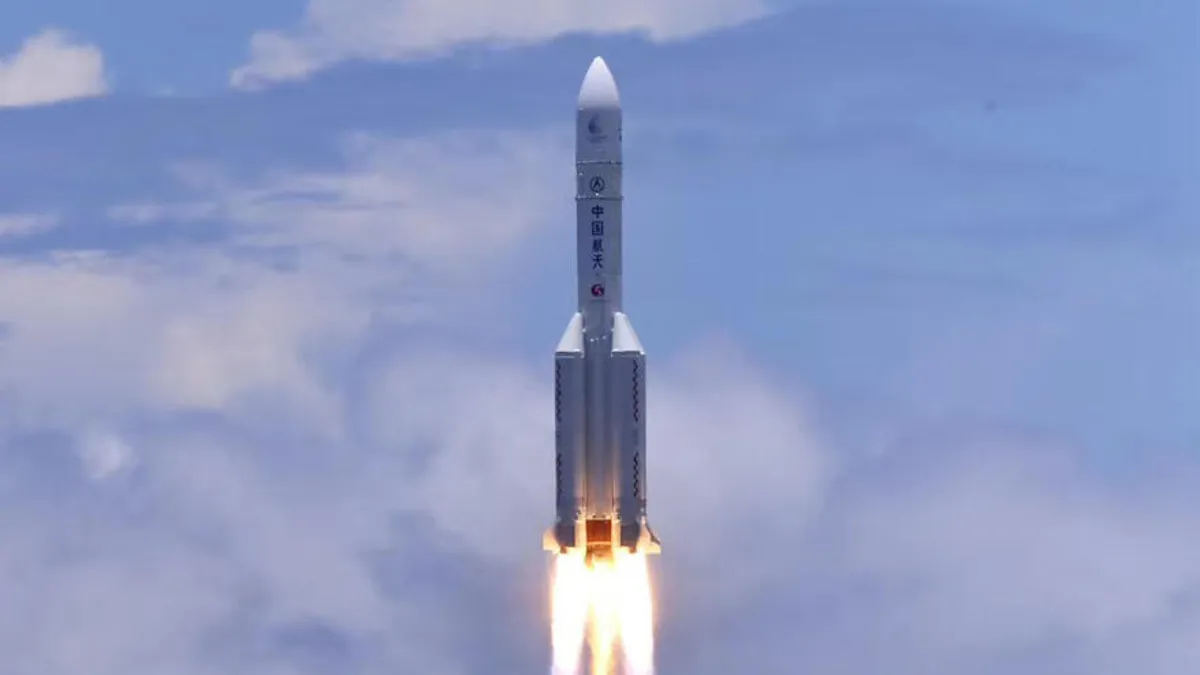
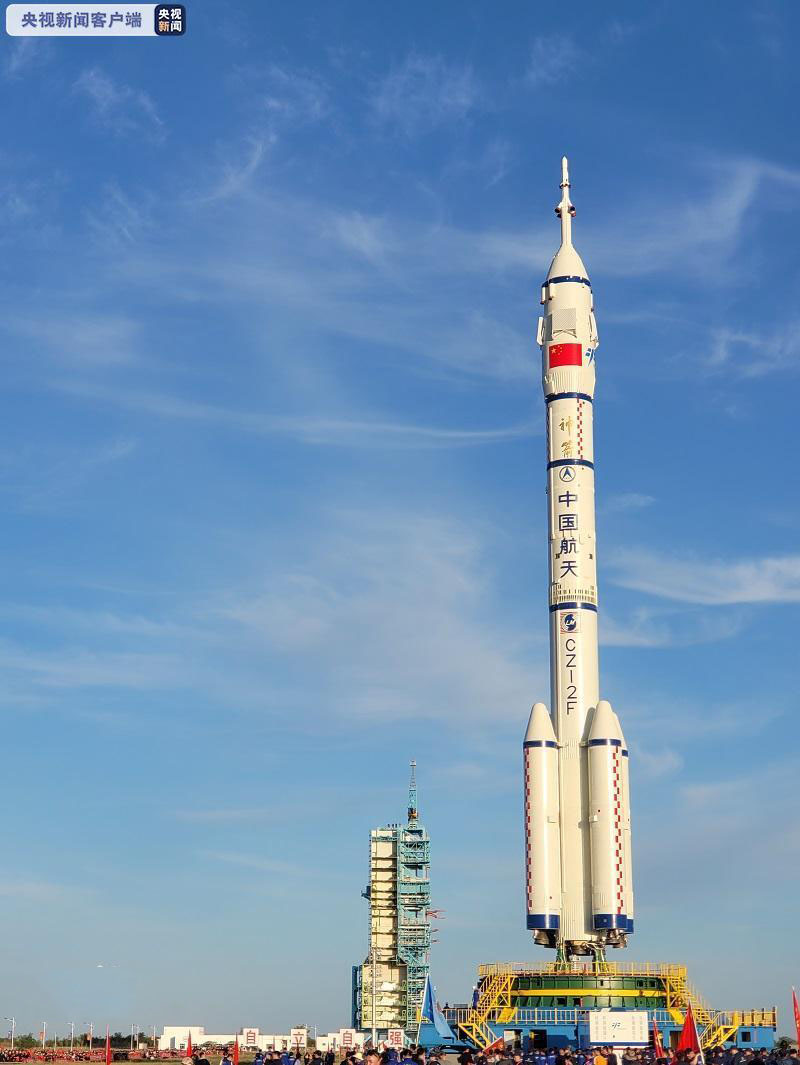
China’s covert space plane, a “reusable experimental spacecraft,” has safely returned to Earth following an eight-month mission in orbit. The spacecraft, which launched last December, is part of China’s ongoing efforts to advance space technology and compete with the United States in the realm of reusable spacecraft.

Mission Details and Significance

The spacecraft’s return was announced by state news agency Xinhua on September 6, describing the mission as a “complete success.” This mission follows the December 2022 launch of the US military’s Boeing X-37B, another uncrewed space plane. The Chinese spacecraft’s mission lasted approximately 268 days, making it one of the longest-duration flights for such a vehicle.

The precise identity and capabilities of the Chinese spacecraft remain classified. Observers suspect it is the “Shenlong” space plane, which has been under development for two decades, though China has not confirmed this or provided detailed information about its functions.

Understanding Space Planes

Space planes, unlike traditional spacecraft, combine features of both airplanes and spacecraft. They can operate in Earth’s atmosphere and in space, offering versatility for a range of missions. Both China’s spacecraft and the US X-37B are launched into space by rockets and land on runways, a design intended to facilitate reuse and operational flexibility.

Space planes are valued for their potential to carry out various missions in orbit and advance reusable spacecraft technology, which could become crucial for regular human space travel in the future. US Space Force chief of operations Gen. Chance Saltzman has highlighted the strategic advantage of being able to put a spacecraft in orbit, conduct missions, and return it to Earth for analysis.

Chinese Space Plane Program

China has maintained a high level of secrecy about its space plane program. Since the spacecraft’s initial launch in 2020, there has been limited public information available. A video announcing the spacecraft’s return featured a banner stating the technology was “too advanced to be shown.”

The purpose of the spacecraft remains unclear, although it is suspected to be the Shenlong space plane. Other Chinese space plane projects have been publicly described as civilian, but the official use of Shenlong remains unconfirmed. Analysts suggest that the spacecraft could have applications for inspecting space assets or clearing space debris, though it could also be used for more controversial purposes.

Picture background

Military and Strategic Implications

The development of space planes is part of a broader trend of nations enhancing their space capabilities, including potential counterspace technologies. While China has officially stated that its space plane is intended for peaceful purposes, analysts believe that the technology could have dual-use applications, including potential military or counterspace uses.

Clayton Swope of the Aerospace Security Project at the Center for Strategic and International Studies points out that any advancements made in space plane technology could benefit China’s counterspace capabilities. The skills and technologies developed for space planes could potentially be adapted for military purposes.

Comparison with US X-37B

Comparing China’s space plane with the US X-37B is challenging due to the secrecy surrounding both programs. The X-37B has been operational for longer and has completed missions lasting up to 908 days. It is described by the US Space Force as a reusable spacecraft conducting technology experiments to advance next-generation capabilities.

The X-37B’s missions include tests in new orbital regions, space domain awareness technologies, and investigating the effects of space on various materials. Like the Chinese spacecraft, the X-37B has been involved in deploying small satellites, which some observers speculate could be related to covert or offensive technologies.

Conclusion

China’s successful return of its space plane underscores its growing capabilities in space technology and its competitive stance with the US. The development and deployment of space planes by both nations highlight the strategic importance of space as a domain for technological advancement and potential military applications.


Four Civilians on SpaceX Mission Complete Historic First Commercial Spacewalk

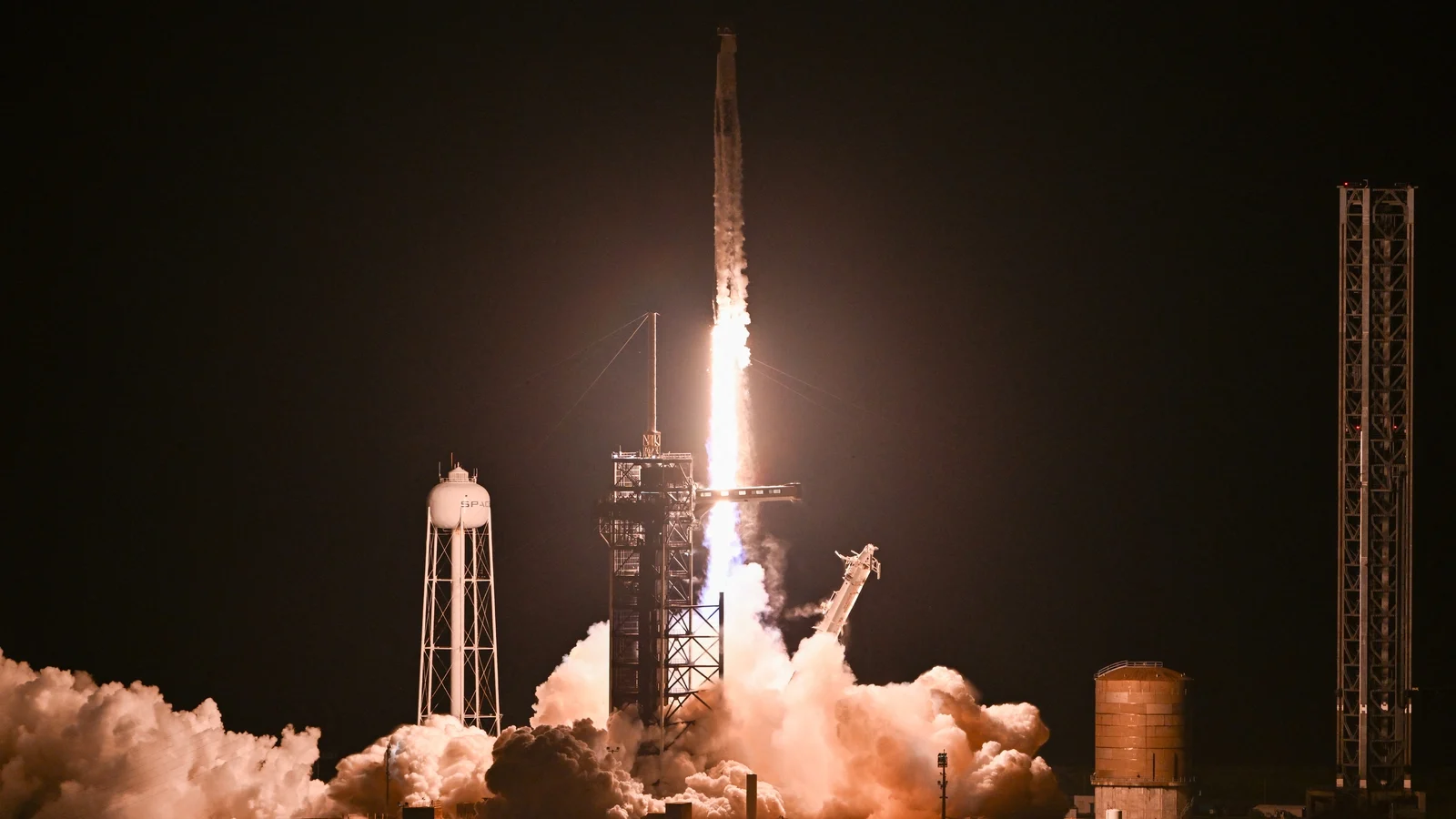
A crew of four civilians aboard SpaceX’s Polaris Dawn mission achieved a groundbreaking milestone by completing the first-ever commercial spacewalk. At 6:12 a.m. ET, the crew unlocked the hatch of their Crew Dragon capsule and exposed themselves to the vacuum of space for the historic event, also known as extravehicular activity (EVA). This event marks a significant step forward in the realm of private space exploration, as it’s the first time non-government astronauts have conducted a spacewalk.

The five-day mission, which had already set records by traveling farther into space than any human has since NASA’s Apollo program, saw the Crew Dragon vehicle depressurized, exposing the entire crew to space. The team included Shift4 Payments CEO Jared Isaacman, who funded the Polaris Dawn mission, former US Air Force pilot Scott “Kidd” Poteet, and SpaceX engineers Anna Menon and Sarah Gillis. They had been training for this moment since their launch at 5:23 a.m. ET on Tuesday.

Before exiting the spacecraft, the crew underwent a “pre-breathe” process to purge their blood of nitrogen, preventing potentially fatal gas bubbles from forming in their bodies. Isaacman was the first to leave the capsule, stepping onto a mobility aid, dubbed “skywalker,” to venture into the vastness of space. “Back at home we all have a lot of work to do, but from here — looks like a perfect world,” Isaacman commented as he took in the breathtaking views.

Historic EVA and Spacesuit Testing

Although the spacewalk was brief, with Isaacman and Gillis spending a combined 20 minutes outside the spacecraft, it was an essential demonstration of SpaceX’s newly designed EVA suits. These suits, developed in just two and a half years, are designed to be more flexible and functional than traditional spacesuits, which are often bulky and expensive. SpaceX’s goal is to create spacesuits that are mass-produced and affordable for the future of space travel, which could one day involve large numbers of people living in space.

The new EVA suits do not include a Primary Life Support System (PLSS) like those used by astronauts on the International Space Station. Instead, life support is provided by long hoses connected to the Crew Dragon capsule. This technology could represent a step toward making space exploration more accessible and cost-effective. SpaceX founder Elon Musk has previously discussed the importance of affordable space suits for large-scale space settlement, and this mission plays a key role in that vision.

Isaacman and Gillis’s spacewalk also tested the mobility of the new suits, with Gillis noting the experience of “wiggling around” to assess their flexibility in the weightlessness of space. While the other crew members remained inside the capsule, they still enjoyed stunning views of Earth from their windows, witnessing sunrises and sunsets every 106 minutes.

Picture background

Scientific Research and Future Space Exploration

In addition to the historic spacewalk, the Polaris Dawn crew is conducting nearly 40 scientific experiments during their time in orbit. These studies focus on various challenges faced by humans in space, including space adaptation syndrome, which affects about half of all astronauts. The crew will also use special contact lenses equipped with pressure sensors to study how the eyeballs respond to pressure changes in microgravity, a project affectionately known as “the cyborg experiment.”

The crew’s mission is expected to last five or six days, with their return to Earth potentially occurring early Sunday morning. They have been communicating with Earth via SpaceX’s Starlink satellite system, sharing breathtaking images of their journey and expressing gratitude for the support they’ve received.

The Future of Commercial Space Travel

This mission represents a significant leap forward for the commercial space industry. As NASA Administrator Bill Nelson remarked after the spacewalk, “Today’s success represents a giant leap forward for the commercial space industry and NASA’s long-term goal to build a vibrant U.S. space economy.”

The mission’s success highlights the growing role of private companies like SpaceX in pushing the boundaries of human space exploration, paving the way for future missions that may involve civilians traveling even deeper into space.