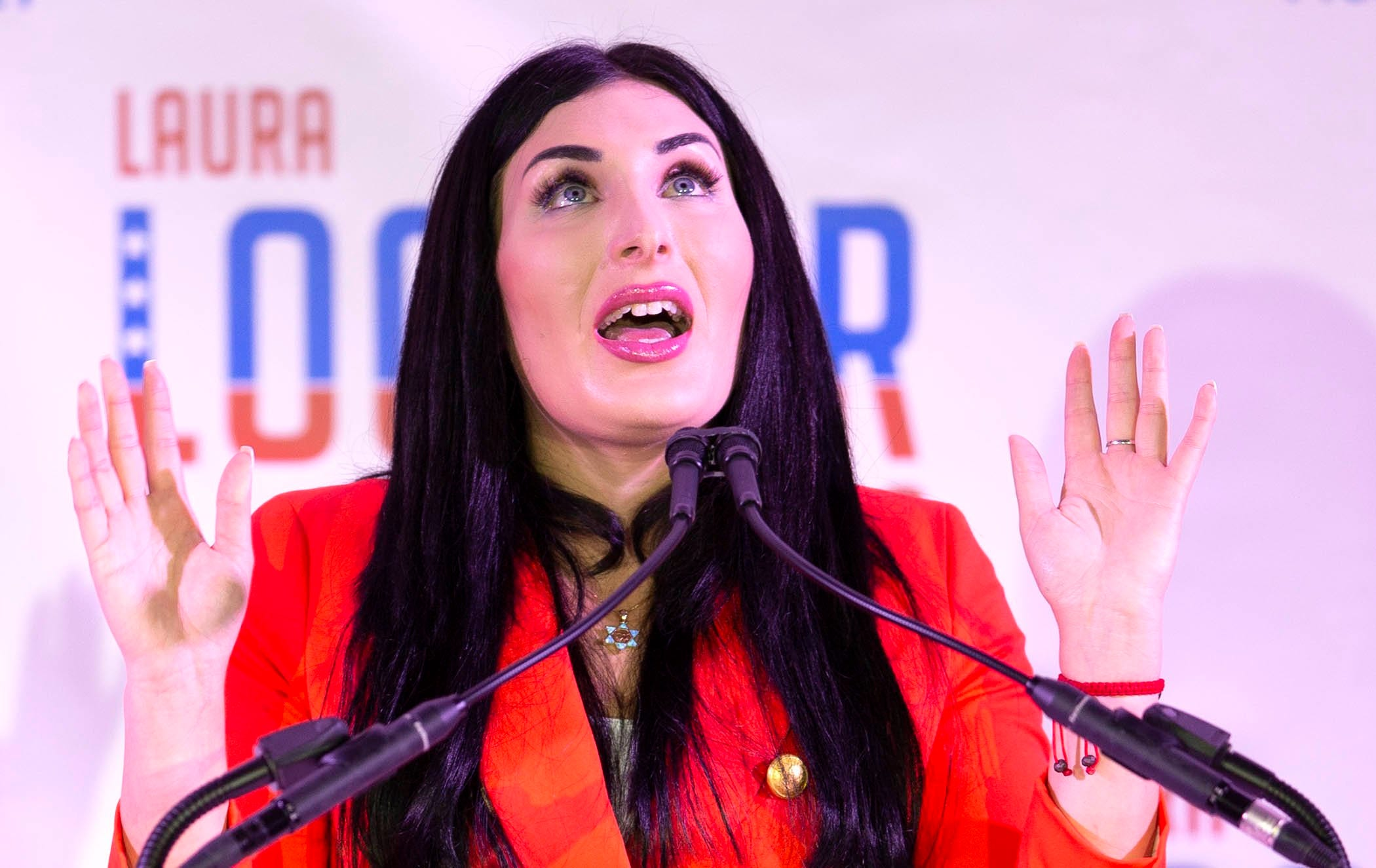
Laura Loomer, Far-Right Provocateur, Influencing Trump’s 2024 Campaign

Laura Loomer, a far-right activist known for spreading conspiracy theories, including claims about the 9/11 attacks being an “inside job,” has recently been seen accompanying former President Donald Trump on several occasions. Notably, she was present during Trump’s visits to 9/11 memorial events in New York and Pennsylvania, reflecting her growing influence in Trump’s inner circle as he prepares for the 2024 presidential election.

Loomer’s presence on such a significant day has drawn attention due to her controversial social media history, where she has been banned for anti-Muslim rhetoric and conspiracy theories. However, despite her polarizing views, she maintains close access to Trump, fueling speculation about her influence on his messaging.

Loomer’s Role in Trump’s Inner Circle

Loomer, a former congressional candidate, has maintained loyalty to Trump and has become a recognizable figure at many of his public events. She is reportedly in frequent contact with Trump and has accompanied him on trips, including on his private plane, “Trump Force One.” Some of her bombastic social media posts have appeared to echo or precede Trump’s political rhetoric, raising questions about how much she shapes his public stance, especially on controversial issues.

While Trump has long embraced conspiracy theorists who support him, Loomer’s involvement has led to tension within his campaign. Several insiders are concerned that her extreme views, such as questioning the ethnic identity of Vice President Kamala Harris or spreading false claims about migrant crime, could damage his chances in the 2024 race. Nonetheless, Loomer remains in Trump’s orbit, with Trump even praising her publicly at a cryptocurrency conference earlier this year.

Controversy Surrounding Loomer

Loomer’s far-right views have led to repeated bans from social media platforms, including Facebook and Twitter (now X). She once described herself as a “proud Islamophobe” and infamously called for a non-Islamic version of ride-sharing services Uber and Lyft. Despite being reinstated on X following Elon Musk’s acquisition, Loomer continues to face backlash for her inflammatory remarks, including recent racist comments about Vice President Harris.

Even among far-right figures, Loomer’s statements can be divisive. Rep. Marjorie Taylor Greene, a firebrand known for promoting conspiracy theories, criticized Loomer for racist comments about Harris, calling them “appalling” and distancing them from the Republican party and the MAGA movement.

Loomer’s Influence on Trump’s 2024 Campaign

Despite efforts by some of Trump’s advisers to keep Loomer at arm’s length, her unwavering loyalty to the former president has helped her secure a place in his campaign. Last year, Trump even suggested hiring her in an official capacity, though this idea was quickly rejected by his inner circle. Loomer herself has downplayed suggestions that she is an official part of Trump’s campaign, insisting she is merely a “loyal advocate.”

Her close relationship with Trump and her ability to travel with him during high-profile events has stirred tension among some of his more traditional political advisers. However, her involvement continues, reflecting the complex dynamics within Trump’s 2024 campaign as he seeks a clear message and support from various factions of his base.
 

Alibaba’s Taobao Launches AI-Powered English Version in Singapore, Topping Apple’s App Store

Alibaba’s Taobao shopping app has launched its first-ever English version, powered by artificial intelligence, to cater to non-Chinese users in Singapore. This update, introduced on Tuesday, quickly propelled the app to first place in Singapore’s Apple App Store, according to market intelligence firm Sensor Tower. The app had been popular in Singapore even before this, consistently ranking in the top ten shopping apps since mid-August.

The update enhances Taobao’s accessibility by offering AI-powered translations, enabling users to navigate the app and make purchases without manual translation, making shopping more convenient for English-speaking users. Singapore is the first market to receive this update, alongside neighboring Malaysia, reflecting Alibaba’s broader strategy to expand its global reach.

Strong Singapore Demand for English Interface

Alibaba highlighted the demand for an English-language interface among Singaporean users, many of whom are proficient in multiple languages. The new version of the app translates product descriptions and reviews into English and converts prices from yuan to the Singapore dollar, although some issues with currency conversion and literal translations remain.

Despite these imperfections, the app’s features have generated significant buzz on social media. A TikTok video showing how to change the app’s display to English garnered nearly a million views in just one day. Users can now more easily purchase a wide range of products, including electronics, fashion, and home goods, with direct shipping available for a small fee.

Global Expansion Strategy

Taobao and Tmall are Alibaba’s primary sources of revenue, contributing 26.55 billion yuan ($3.65 billion) for the quarter ending June 30, a 6% year-on-year increase. Though traditionally focused on the Chinese market, Alibaba has been steadily expanding its overseas presence, particularly through platforms like Alibaba.com and AliExpress. Singapore, home to a large Chinese diaspora, serves as a cultural testbed for Alibaba’s ambitions to reach global markets.

Chinese companies like Alibaba are increasingly eyeing international expansion, leveraging the entrepreneurial spirit and innovation capabilities developed domestically. Consulting firm Bain & Company noted that Chinese companies have an advantage in going global due to their large ethnic Chinese customer base abroad.

Challenges Ahead

While the English version of Taobao has been well-received, the user experience is not without its challenges. Prices in yuan have not always converted correctly to local currency, and translations can be too literal. However, with ongoing improvements, Alibaba’s Taobao is positioning itself to become a more accessible and convenient platform for international users.


Federal Reserve to Adopt Slow Policy Easing Due to Inflation Concerns, Says Fitch

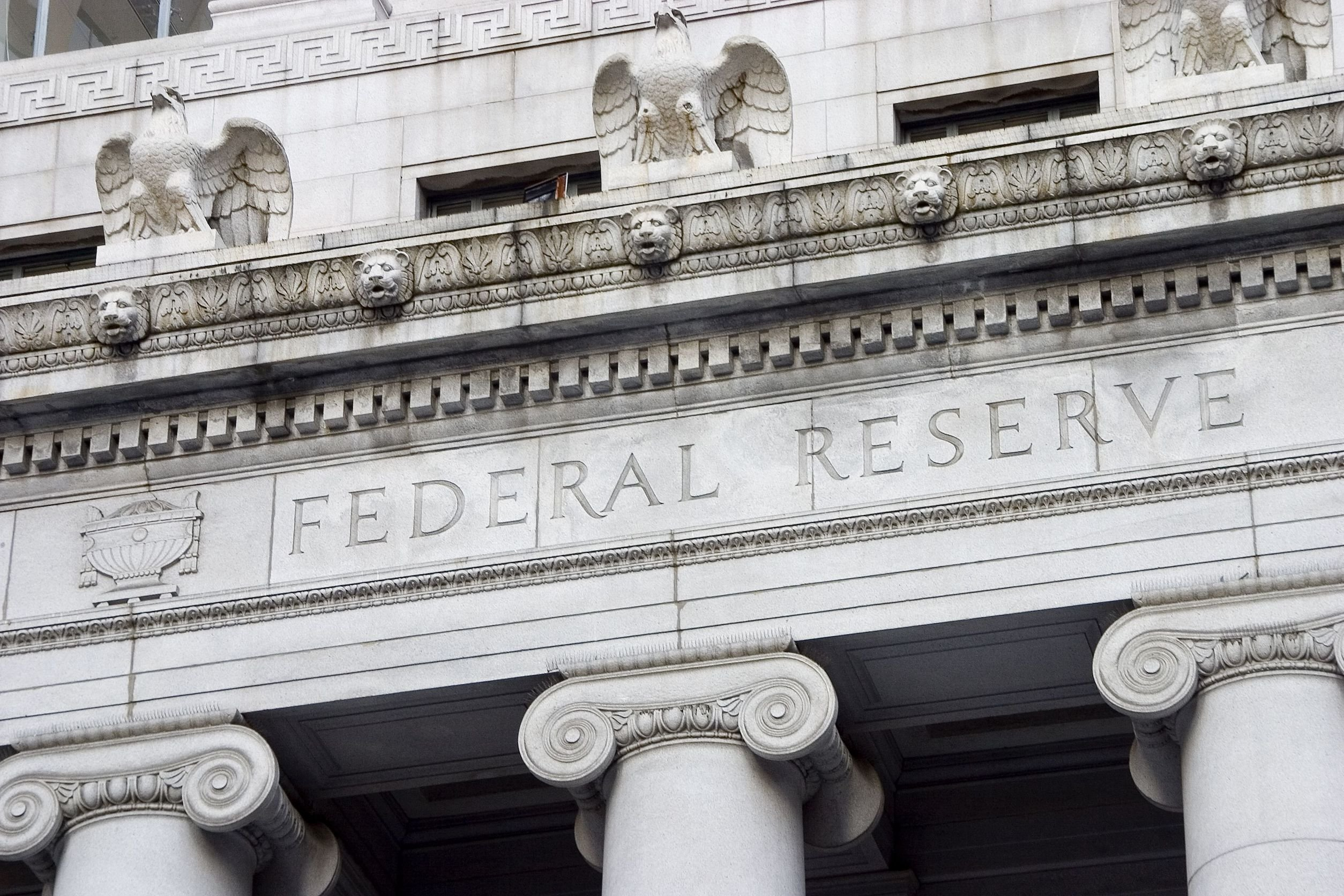
The U.S. Federal Reserve is expected to begin its rate-cutting cycle with a slower approach than in previous decades, according to a recent report by Fitch Ratings. The rating agency projects that the central bank will begin easing at its September policy meeting, starting with a 25-basis-point cut, followed by another in December. Further gradual cuts are expected through 2025 and 2026, totaling 250 basis points over 25 months, much slower than the historical median of 470 basis points over eight months.

Inflation Still a Concern

Fitch emphasized that inflation remains a concern, particularly core inflation, which excludes food and energy prices. While inflation dropped to its lowest since February 2021, standing at 2.5% year-on-year in August, it remains above the Fed’s 2% target. The report points out that the recent decline in core inflation was primarily due to falling automobile prices, which may not be sustainable.

The Fed’s cautious approach is also driven by the inflation challenges it faced over the past few years, highlighting gaps in understanding the drivers of inflation. With core CPI still elevated at 3.2% on an annual basis, Fitch expects the Fed to proceed slowly with rate cuts to avoid reigniting inflationary pressures.

Global Monetary Policy Divergence

While the Fed is expected to proceed with slow easing, other global central banks are taking different approaches. In China, Fitch foresees continued rate cuts by the People’s Bank of China (PBOC) as deflationary pressures deepen. The PBOC’s recent cuts and declining core inflation, now at 0.3%, signal further easing to combat economic challenges. Fitch predicts China’s inflation to drop to 0.5% in 2024, with additional rate cuts through 2025.

Conversely, Japan’s central bank is adopting a more hawkish stance. The Bank of Japan (BOJ) has aggressively raised rates, reflecting its growing confidence that inflation is firmly entrenched. Core inflation in Japan has been above the BOJ’s target for 23 months, supported by ongoing wage growth. Fitch expects the BOJ’s policy rate to reach 0.5% by the end of 2024, rising to 1% by 2026, a shift that could have broader global economic impacts.