Putin Warns of Direct Conflict with the West if Kyiv Is Allowed to Use Long-Range Missiles

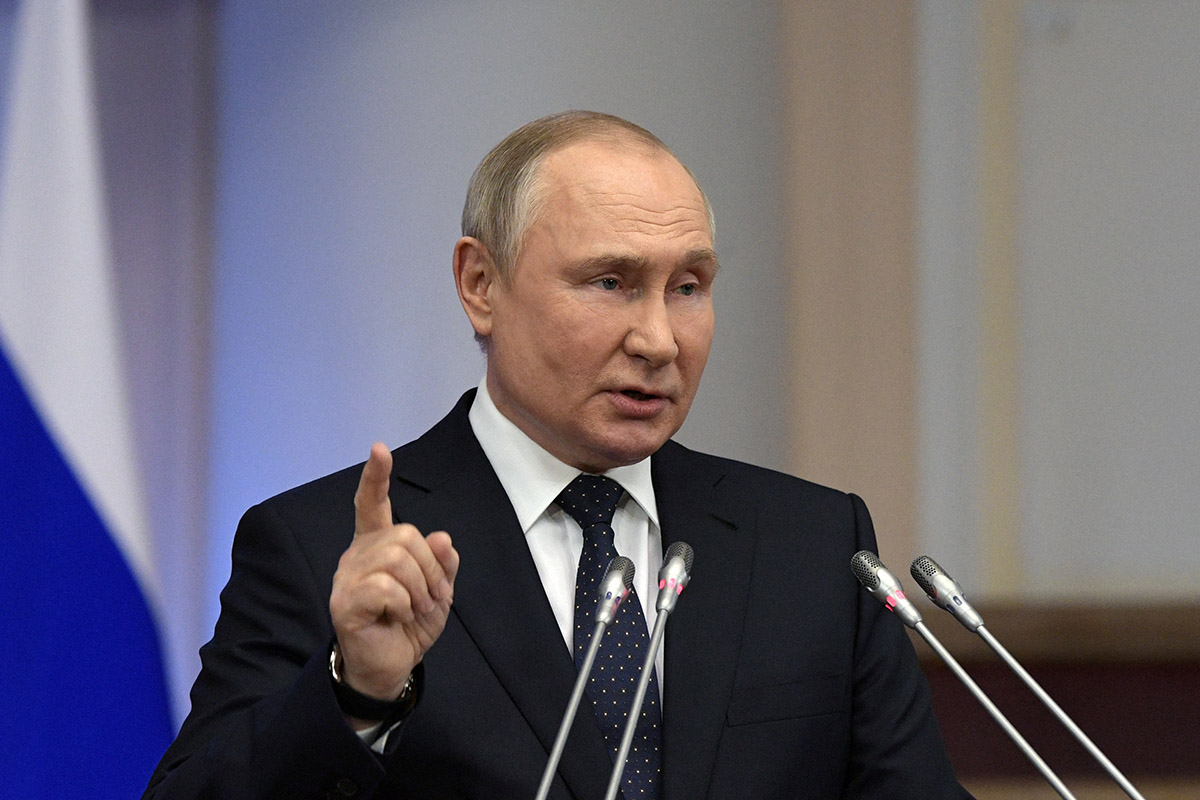
Russian President Vladimir Putin warned on Thursday that if the West permits Ukraine to use long-range Western-made missiles to strike Russian territory, it would amount to a direct military confrontation between NATO countries and Russia. Ukrainian President Volodymyr Zelensky has repeatedly requested long-range weapons, such as U.S. ATACMS and British Storm Shadows, to target deep within Russia and limit Moscow’s ability to launch further attacks.

In one of his most direct warnings yet, Putin emphasized that such a move would drag NATO directly into the conflict, as Kyiv lacks the technical expertise to program and target these missiles without Western military support. “This is not just about allowing the Ukrainian regime to strike Russia,” Putin told Russian state television, “but about NATO’s direct involvement in a military conflict.”

He also hinted that Russia would respond with “appropriate decisions” should NATO countries get involved, though he stopped short of specifying what those measures might be. Previously, Putin has suggested arming the West’s enemies with Russian weapons or deploying conventional missiles close to U.S. and European targets.

The warning comes as Russia continues to revise its nuclear doctrine, with calls from foreign policy hawks to expand the conditions under which Moscow might use nuclear weapons against nations supporting NATO’s involvement in Ukraine. Russia is also conducting naval exercises with China and considering limiting key exports.

The ongoing war, which Russia launched in 2022, is seen by Putin as part of a larger struggle against Western influence, which he claims has undermined Russian sovereignty since the fall of the Berlin Wall. Meanwhile, the West and Ukraine frame the invasion as a land grab, with Ukraine vowing to reclaim the 18% of its territory currently under Russian control.
 

Wildfire Detection Device Wins UK James Dyson Award

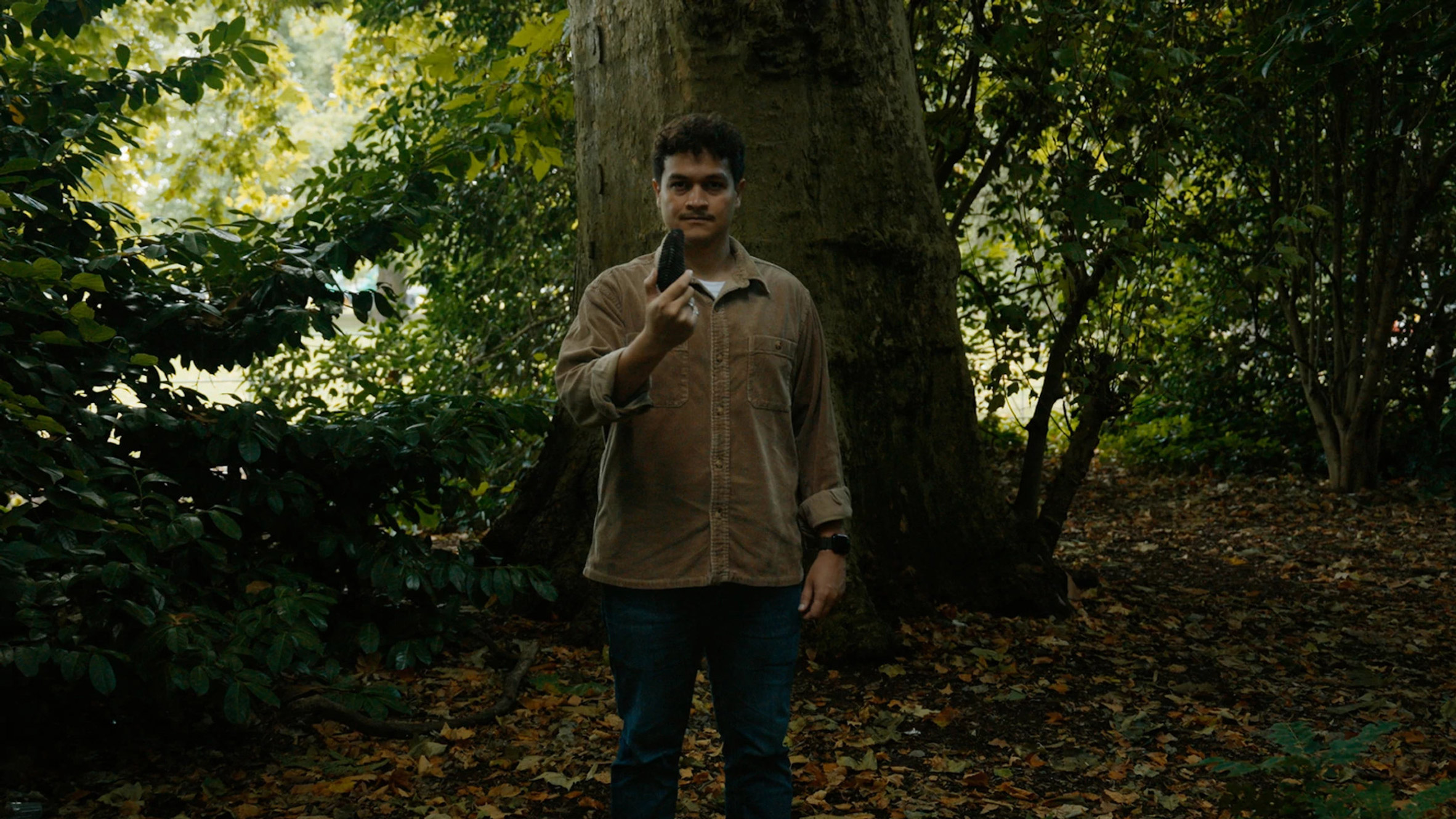
A group of students has won the prestigious UK James Dyson Award for designing Pyri, a device that alerts vulnerable communities to wildfires. The biodegradable detector, made of wax and charcoal, sends radio signals when wildfires are detected. As fire approaches, Pyri’s outer shell melts, activating an electronic system that sends alerts to nearby areas.

The team behind Pyri—Richard Alexandre, Karina Gunadi, Blake Goodwyn, and Tanghao Yu—hopes to help prevent wildfire devastation, a problem Alexandre has witnessed firsthand in his home country of Brazil. He says, “As this devastation continues globally, we hope Pyri can detect fires early enough to protect the earth from catastrophe.”

The James Dyson Award, hosted annually by Dyson to inspire inventors to address global challenges, rewards winners with a £5,000 prize. Dyson Senior Design Engineer Rumyana Dancheva praised Pyri for its innovative approach, combining sustainability with practical technology, and noted its potential to make a positive impact on people and the environment.


New Queen Elizabeth II and Prince Philip Sculpture – Plus Corgis – Sparks Mixed Reactions

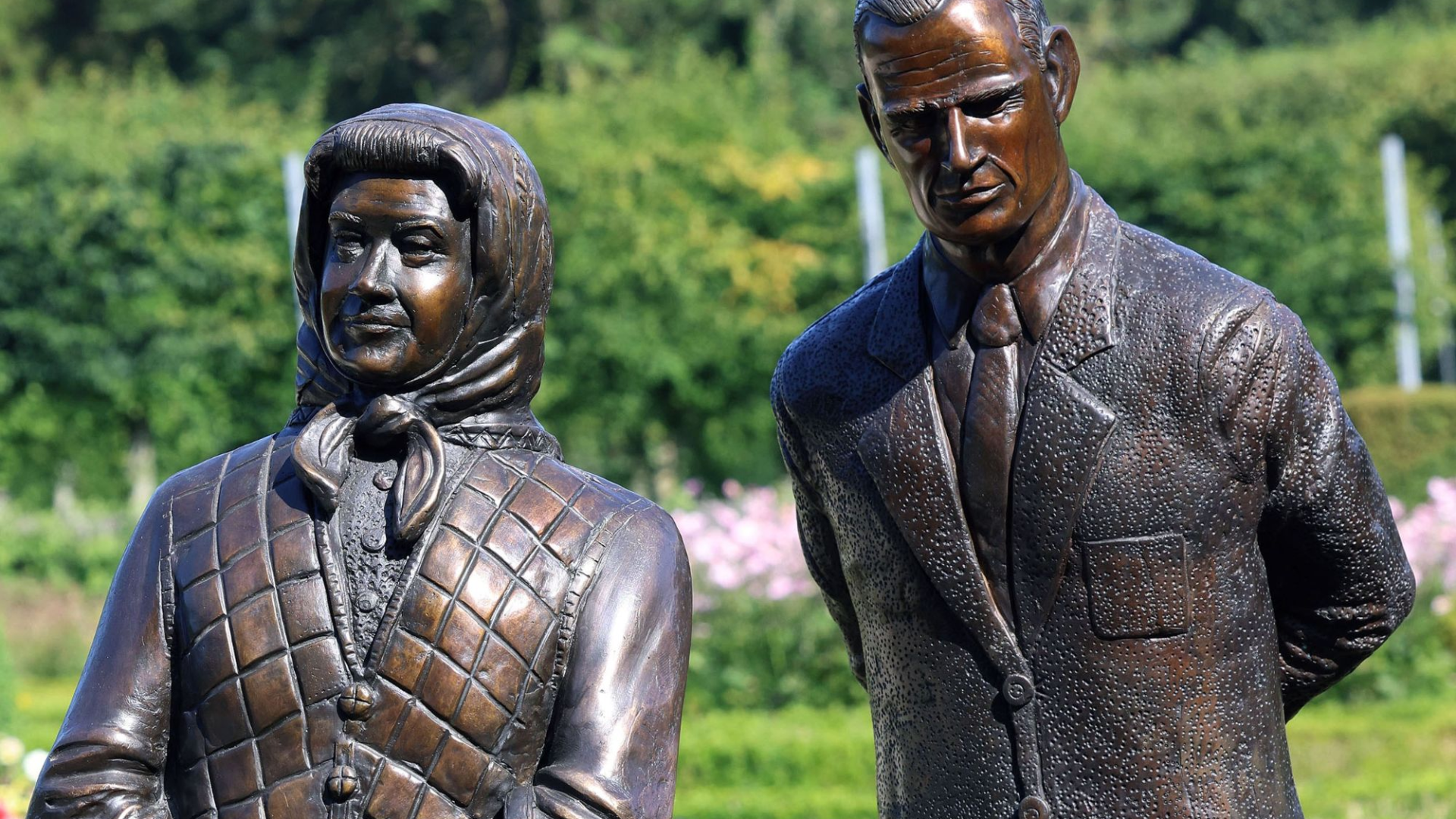
A new bronze sculpture of the late Queen Elizabeth II and Prince Philip, unveiled in Northern Ireland, has stirred divided opinions among the public. Installed in Antrim Castle Gardens, the artwork, created by artist Anto Brennan, shows Queen Elizabeth in a rural outfit alongside two corgis, with Prince Philip standing behind her.

While the Antrim and Newtonabbey Borough Council reported the statue has been “warmly received by most,” social media users have offered a range of reactions. Some praised the piece as “beautiful,” while others criticized the lack of likeness to the Queen, comparing it to other controversial portraits, like the infamous bust of Cristiano Ronaldo.

Despite the critique, the council emphasized the significance of the tribute and noted how it complements the garden setting, standing alongside Prince Philip’s statue and two “lovingly crafted” corgis. The debate over royal depictions is nothing new, as previous portraits of royal figures have also faced similar public division.