Billions Lack 7 Essential Nutrients – Here’s How to Add Them to Your Diet

A recent study published in The Lancet Global Health revealed that more than half of the global population is not getting enough of seven essential nutrients crucial for health, including calcium, iron, iodine, and vitamin E. More than 5 billion people face shortages of calcium, iodine, and vitamin E, while over 4 billion lack sufficient iron, riboflavin, folate, and vitamin C.

These nutrients play critical roles in bodily functions, including bone health, blood oxygen delivery, and cell growth. Inadequate intake can lead to serious health issues, limiting human potential globally. Here’s why these nutrients are vital and how to incorporate them into your daily diet:

1. Calcium

Why it’s important:
Calcium is essential for strong bones and teeth, muscle function, and nerve signaling.

Sources:

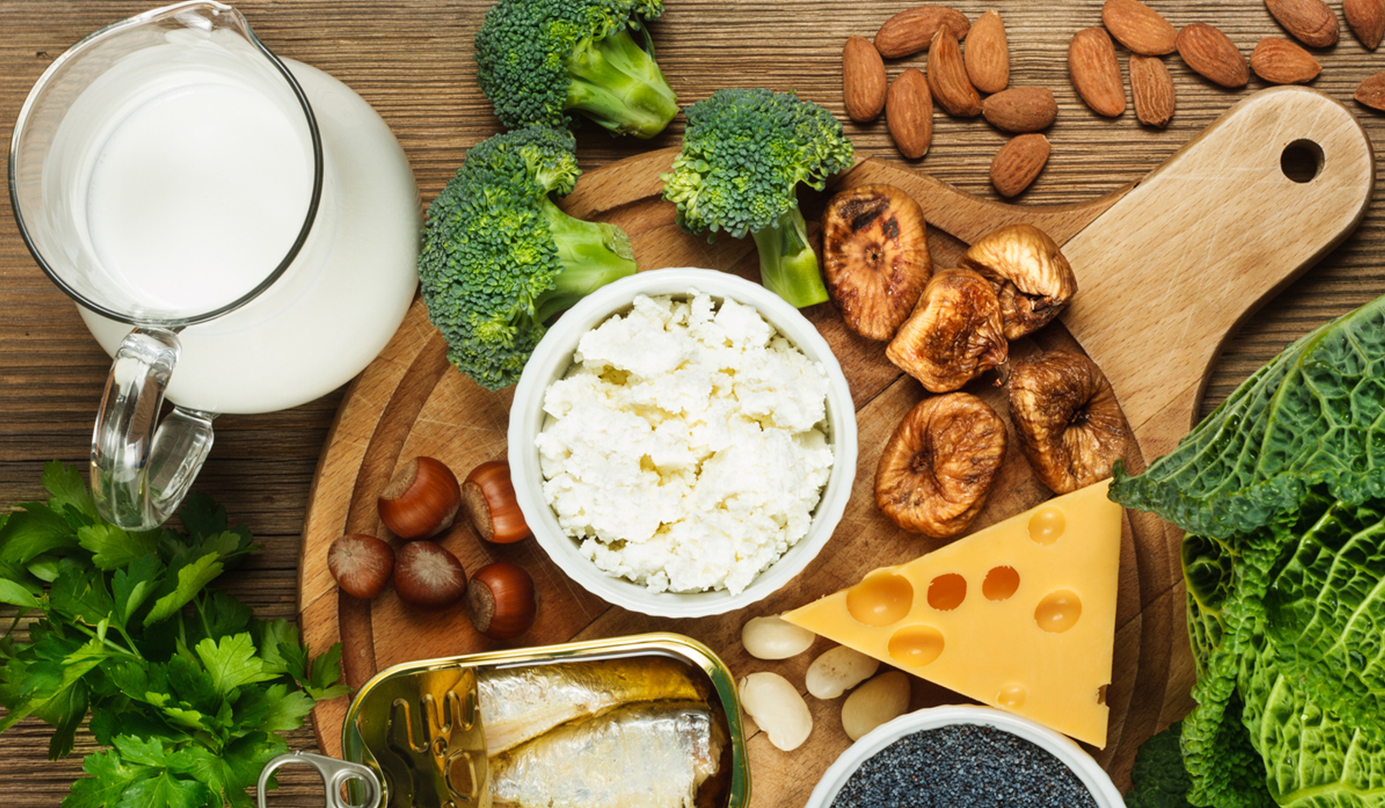
  • Dairy products (milk, yogurt, cheese)
  • Fortified soy, almond, or rice milk
  • Dark leafy greens (spinach, kale)
  • Tofu, sardines, and salmon
  • Fortified orange juice

2. Folate

Why it’s important:
Folate aids in red blood cell formation and proper cell growth, especially important during pregnancy.

Sources:

  • Dark green vegetables (broccoli, spinach)
  • Legumes (beans, peas, lentils)
  • Enriched grains (bread, pasta, rice, cereal)

3. Iodine

Why it’s important:
Iodine supports thyroid function and contributes to bone and brain development.

Sources:

  • Fish (cod, tuna), seaweed
  • Dairy products, eggs
  • Iodized salt

4. Iron

Why it’s important:
Iron is crucial for oxygen transport throughout the body and supports growth and development.

Sources:

  • Red meat, poultry, and seafood (especially oysters, sardines)
  • Fortified cereals
  • Dark leafy greens (spinach, kale)
  • Legumes (lentils, beans)

5. Magnesium

Why it’s important:
Magnesium helps regulate muscle and nerve function, blood sugar, and blood pressure, while contributing to the production of protein and DNA.

Sources:

  • Legumes (beans, lentils)
  • Nuts (almonds, cashews)
  • Whole grains (brown rice, quinoa)
  • Dark leafy greens (spinach, kale)

6. Niacin

Why it’s important:
Niacin aids in maintaining a healthy nervous system and digestive function.

Sources:

  • Poultry (chicken, turkey), beef
  • Fish (salmon, tuna)
  • Brown rice, nuts (pumpkin seeds), and fortified cereals

7. Riboflavin

Why it’s important:
Riboflavin supports the metabolism of food into energy and maintains healthy skin and hair.

Sources:

  • Eggs, dairy products (milk, yogurt)
  • Meats, whole grains
  • Green vegetables (spinach, broccoli)

Why These Nutrients Matter

The study’s findings highlight the alarming gap in global nutrition. Ty Beal, one of the study’s co-authors, expressed concern that inadequate intake of these essential micronutrients compromises health outcomes across all regions and income levels. Micronutrients are key to cellular function, immunity, and metabolism, yet many diets lack sufficient fruits, vegetables, whole grains, and other nutrient-rich foods.

How to Improve Nutrient Intake

Following a diet rich in whole foods, especially fruits, vegetables, nuts, seeds, and grains, can help you meet your nutritional needs. The American Heart Association encourages people to “eat the rainbow” — consume a variety of colorful fruits and vegetables daily to maximize your intake of these essential nutrients.

Russian Ship Suspected of Transporting Iranian Missiles as Military Relations Deepen

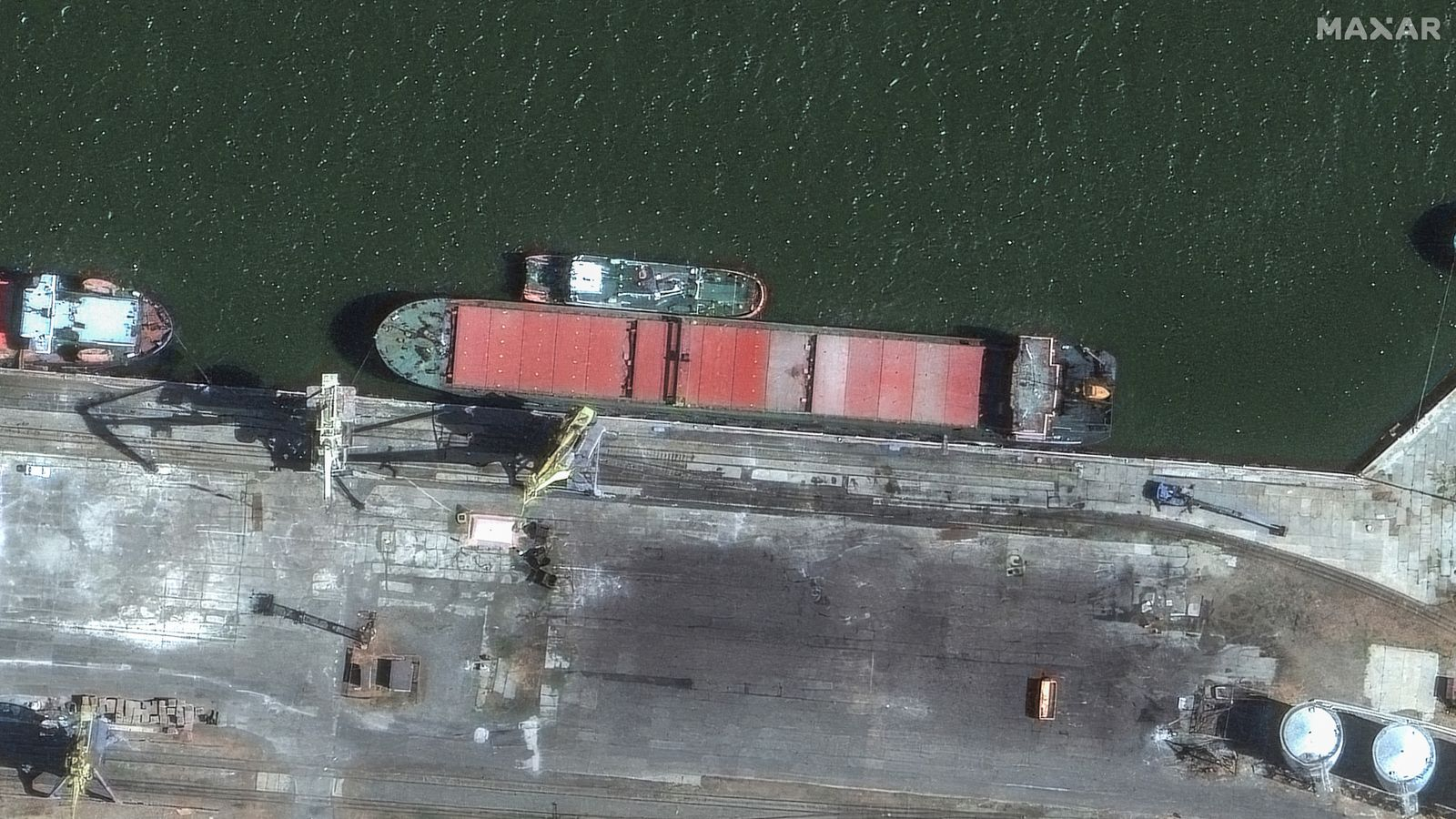
Satellite imagery from Maxar Technologies shows the Russian cargo ship Port Olya 3, suspected of delivering Iranian ballistic missiles to Russia, docked at the Port Olya in Astrakhan on September 4. This comes after the vessel’s prior visit to Iran’s Amirabad port on August 29. The US Treasury has confirmed the ship’s involvement in transporting CRBMs (close-range ballistic missiles) from Iran to Russia for use in the war against Ukraine, imposing sanctions in response.

This alleged missile shipment marks a significant escalation in Iran’s military support for Russia, which has included supplying thousands of Shahed attack drones and building a drone factory in Russia. US Secretary of State Antony Blinken revealed that the Russian military likely received Fateh-360 missiles from Iran, expected to be used in Ukraine within weeks. These missiles have a range of 120 kilometers and can carry a 150-kilogram payload, making them effective for targeting Ukrainian positions at long distances.

Despite Iran’s denial of providing ballistic missiles, US officials and the Institute for the Study of War (ISW) suggest that these missiles will likely target Ukrainian energy, military, and civilian infrastructure. Ukrainian officials summoned Iran’s charge d’affaires, warning of severe consequences if the reports prove true.

As the military partnership between Iran and Russia strengthens, it remains to be seen whether this escalation will push the US and European allies to loosen restrictions on Ukraine’s use of missiles against Russian targets.

Understanding “Economy Class Syndrome” and How to Reduce DVT Risks on Flights

“Economy class syndrome,” a term commonly used to describe deep vein thrombosis (DVT) during flights, can affect anyone, regardless of their seat class or travel frequency. DVT occurs when blood clots form in the veins, often in the legs, and can pose serious health risks. Dr. Pinakin V. Parekh, a consultant cardiologist at Singapore’s Harley Street Heart and Vascular Centre, warns that sitting for extended periods during long-haul flights increases the likelihood of developing DVT.

While larger seating spaces in business and first class offer more room for movement, DVT is not exclusive to economy class. Dr. Parekh notes, “It doesn’t matter where you’re sitting. I’ve had patients in business class who also develop DVT.”

Who is at Risk?

Certain factors make some travelers more susceptible to DVT. These include obesity, age (especially those over 60), smoking, and the use of birth control or hormone replacement therapies. Prolonged immobility during long flights is a key risk factor. Even flights lasting just four hours can increase the risk of DVT.

A former businessman, Alok Tapadia, experienced DVT on a four-hour flight from Singapore to Hong Kong. A regular badminton player, Tapadia was alarmed when he struggled to breathe after taking stairs in Hong Kong. Back in Singapore, he learned that a blood clot had traveled to his pulmonary artery, blocking oxygen flow to his lungs. Immediate medical intervention was required to dissolve the clot, saving his life.

Preventing DVT on Flights

While it’s impossible to completely eliminate the risk of DVT, there are several strategies to reduce it:

  1. Move frequently: Walk around the cabin and stretch your legs regularly.
  2. Stay hydrated: Drinking plenty of water helps prevent blood from thickening.
  3. Wear compression socks: These can improve circulation.
  4. Choose an aisle seat: It allows for easier movement and encourages you to walk during the flight.

Travelers should also pay close attention to symptoms like breathlessness, chest pain, or leg swelling, as these may indicate DVT or a pulmonary embolism, a potentially life-threatening condition. As Tapadia advises, travelers should take proactive measures, such as walking more in airports and during flights, to avoid similar health scares.