
Ticket Pricing Controversy Casts Shadow Over Oasis Reunion Excitement

The highly anticipated Oasis reunion has been marred by controversy as fans grapple with the impact of dynamic pricing on ticket sales. Fans who spent hours in virtual queues were dismayed to find ticket prices more than doubled from their advertised rates. This issue has sparked significant backlash and raised questions about fairness and transparency in ticket pricing.

John, an Oasis fan from Burnley, and his family were among those affected by the surge in ticket prices. Despite spending a total of six hours in the online queue, they were only able to secure tickets at £355 each, far above the initial £135 advertised price. John expressed his frustration, stating that the price increase felt like a betrayal of the band’s working-class roots and criticized the pricing strategy as unfair.

Dynamic pricing, which adjusts ticket costs based on demand, has drawn sharp criticism. Critics argue that it exploits fans by raising prices during high demand, leaving many feeling cheated after long waits. Nicholas from Macclesfield labeled it as “greed” and called for accountability from the band, while others questioned the extent of the Gallaghers’ awareness and involvement in the decision.

Ticketmaster, the platform handling the sales, has defended the system, stating that ticket prices are set by event organizers and not by them. However, the involvement of major promoters like SJM and Live Nation in the decision-making process has been highlighted. The Gallaghers’ level of influence over these decisions remains unclear.

Dynamic pricing has faced criticism before, with past instances involving other major artists like Bruce Springsteen, who defended the approach as a means to ensure artists benefit from higher demand rather than scalpers. Despite this, the practice has been controversial, leading to discussions about potential legislative reforms to regulate such pricing strategies.

The Oasis reunion shows ultimately sold out, driven by high demand for what many fans consider a “once-in-a-lifetime” experience. However, the controversy has led to calls for greater transparency in ticket pricing and a review of existing practices. The British government has responded by considering this issue in its ongoing review of ticket reselling.

Music journalist John Robb and other commentators have criticized the lack of price stability and suggested that dynamic pricing might be outdated. The broader implications for the band’s reputation remain to be seen, but the upcoming reunion could test whether fans are willing to overlook these issues for the sake of the music.
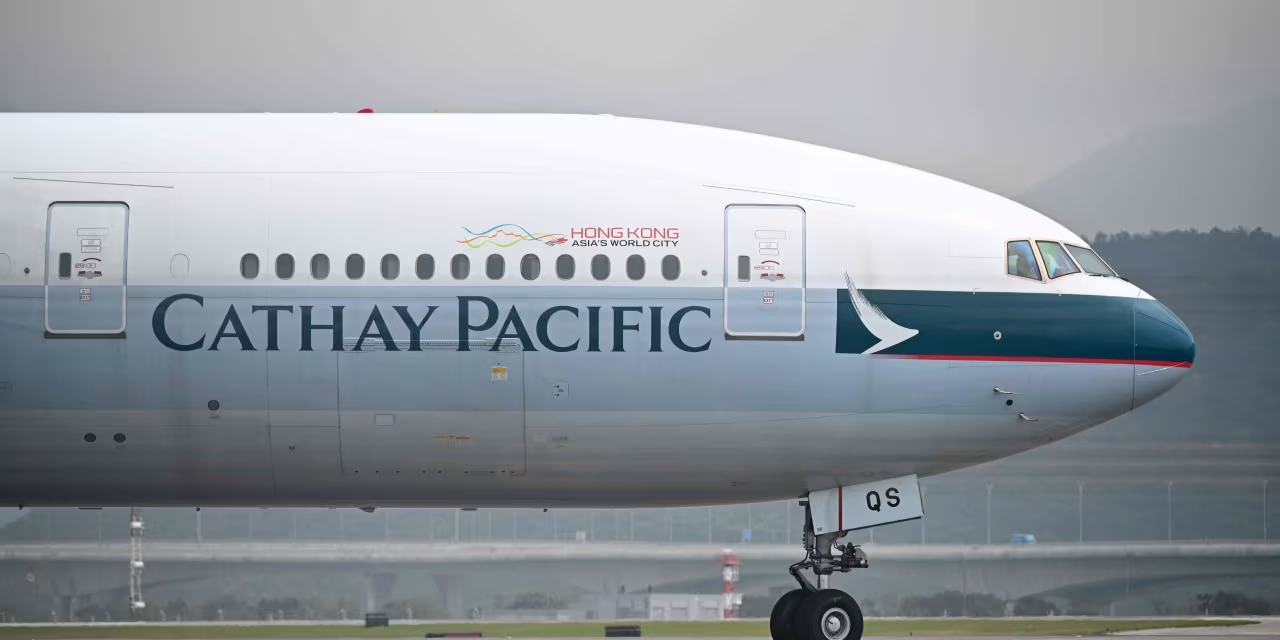

Cathay Pacific Grounds A350 Fleet for Engine Inspections After Failure Incident

Cathay Pacific has grounded its entire fleet of Airbus A350 jets following the discovery of an engine component failure on flight CX383 from Hong Kong to Zurich. The airline has canceled 24 flights over two days to address the issue. The failure, identified as a first-of-its-kind problem affecting a fuel nozzle, prompted a comprehensive inspection of its 48 A350 aircraft.

The failure occurred on a Trent XWB-97 engine, produced by Rolls-Royce, which powers the A350. Cathay Pacific is working with Airbus, Rolls-Royce, and regulators to investigate and resolve the issue. Rolls-Royce has expressed its commitment to support the investigation and improve the engine’s reliability.

The incident follows recent issues faced by Boeing, highlighting ongoing challenges in the aviation industry. Boeing has been dealing with a safety crisis related to its 737 Max and delays in its 777X aircraft. The grounding of Cathay Pacific’s A350 fleet is a significant move, reflecting the broader scrutiny and maintenance challenges currently impacting major aircraft manufacturers.

US Seizes Venezuelan President Nicolas Maduro’s Private Jet Amid Sanctions Violation Investigation

The United States has seized a private jet linked to Venezuelan President Nicolas Maduro, alleging its illegal acquisition violated US sanctions and involved other criminal activities. The Dassault Falcon 900EX, valued at $13 million, was seized in the Dominican Republic while undergoing maintenance and flown to Florida. US authorities, including Homeland Security Investigations and the Department of Justice, led the operation, citing that the jet was used exclusively by Maduro and Venezuelan military officials for international travel.

The seizure signifies a notable escalation in the already strained relations between the US and Venezuela. US officials have long targeted Venezuela’s government over alleged corruption, sanctions violations, and narco-terrorism activities. In response, the Venezuelan government condemned the jet seizure, labeling it “piracy” and accusing the US of aggressive coercion.

The plane, previously used in state visits by Maduro, was found to be registered under an individual’s name rather than the Venezuelan government. Investigations revealed that the jet had been smuggled out of the US through the Caribbean in April 2023. The US authorities believe the jet was part of a network of illicit assets benefitting Maduro’s regime.

Tensions between the US and Venezuela have heightened following Maduro’s disputed reelection in July. The US reimposed sanctions on Venezuela’s oil sector, citing electoral concerns and demanding credible election data. Meanwhile, millions of Venezuelans have fled the country due to economic collapse, further intensifying the humanitarian crisis.

This high-profile seizure marks another chapter in the US’s ongoing efforts to disrupt Maduro’s alleged illegal activities, adding to the over $2 billion in assets already frozen or seized by US agencies.