Couche-Tard’s Bid for 7-Eleven Seen as Strategic Move for ‘Cheap’ Stock, Amid Regulatory Concerns

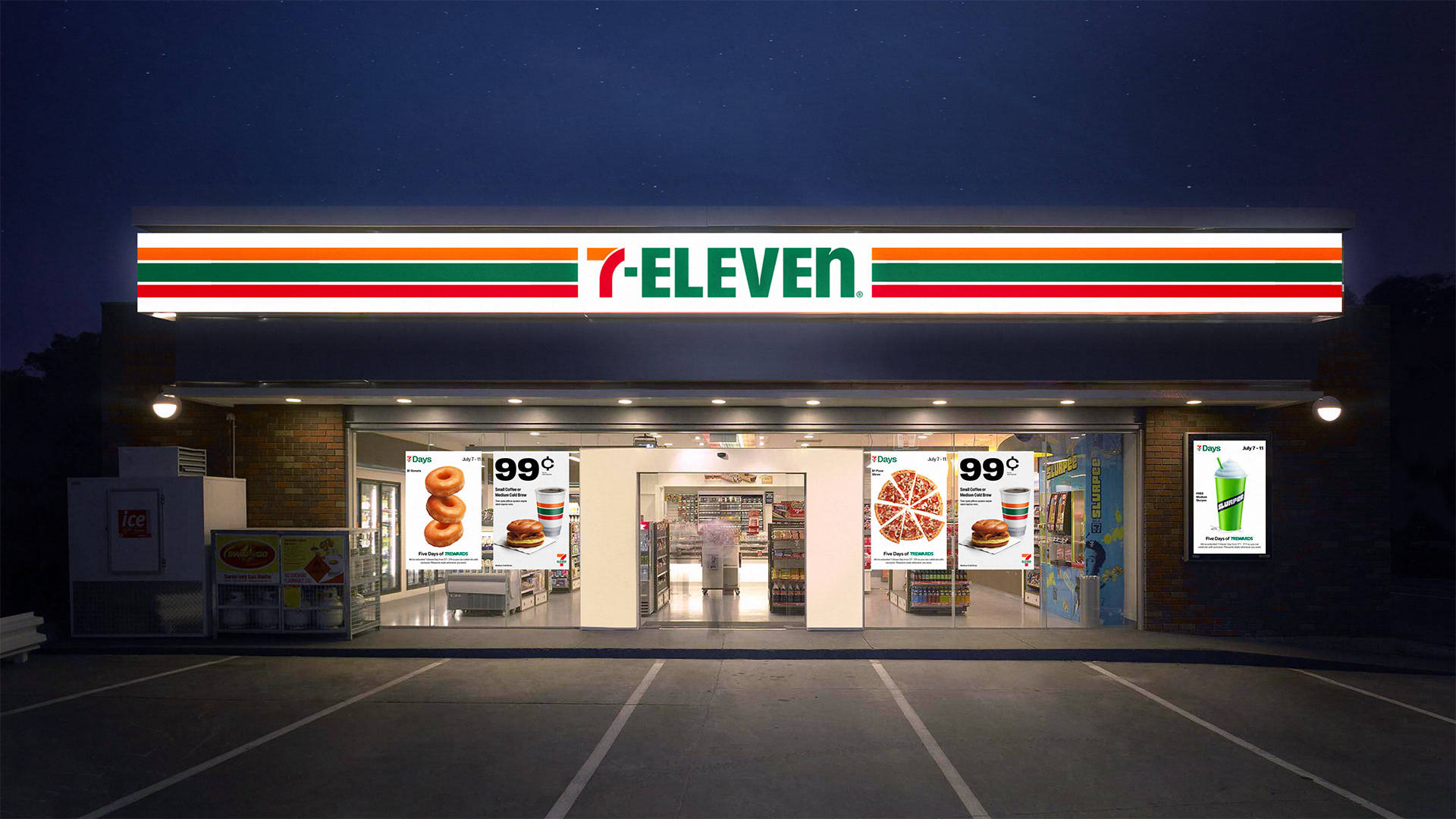
Alimentation Couche-Tard’s recent bid to acquire 7-Eleven’s parent company, Seven & i Holdings, has sparked discussions within the financial world about the strategic motives behind the deal. According to industry analysts, the Canadian retail giant, which operates Circle K, views Seven & i as an undervalued stock, making it an attractive target for acquisition. Richard Kaye, a portfolio manager at Comgest, remarked that despite Seven & i’s robust core business, Couche-Tard likely sees an opportunity for a financially advantageous acquisition.

The acquisition, if successful, would be one of the largest foreign takeovers of a Japanese company. Although the offer amount remains undisclosed, U.S. investment firm Artisan Partners Asset Management has urged Seven & i to seriously consider the buyout offer. The move comes as the Japanese conglomerate is undergoing a restructuring process aimed at expanding 7-Eleven’s global reach and divesting from its underperforming supermarket divisions.

Despite Couche-Tard’s strong financial position, with a valuation of $54 billion compared to Seven & i’s $38.3 billion, the deal faces significant regulatory challenges. Particularly, antitrust scrutiny is anticipated in both the U.S. and Japan, given the size and scope of the companies involved. Retail analyst Bryan Gildenberg commented that regulatory approval may require divestments to address competition concerns, especially in the U.S. market.
Picture background

In Japan, Seven & i is reportedly seeking designation as a “core” company under the country’s Foreign Exchange and Foreign Trade Act, which could complicate the acquisition. This designation would subject the transaction to heightened scrutiny by Japan’s finance ministry, reflecting concerns about potential disruptions to 7-Eleven’s well-established convenience store model, known as “konbini” in Japan.

While Couche-Tard’s interest in Seven & i stems from the Japanese firm’s perceived undervaluation, the deal also highlights a broader trend of global companies seeking undervalued opportunities within Japan’s stock market. Kaye noted that despite the strong operational performance of companies like Seven & i, Fast Retailing, and Pan Pacific International Holdings, they trade at lower valuations than their global counterparts, making them attractive investments for firms like Couche-Tard.

However, the potential regulatory roadblocks and the preservation of Seven & i’s unique business model remain key challenges in completing the deal. If successful, the acquisition could reshape the global convenience store landscape and further expand Couche-Tard’s footprint beyond North America, into one of the world’s largest retail markets.

Harris Courts Union Workers in Key Swing States with Biden’s Support Amid U.S. Steel Controversy

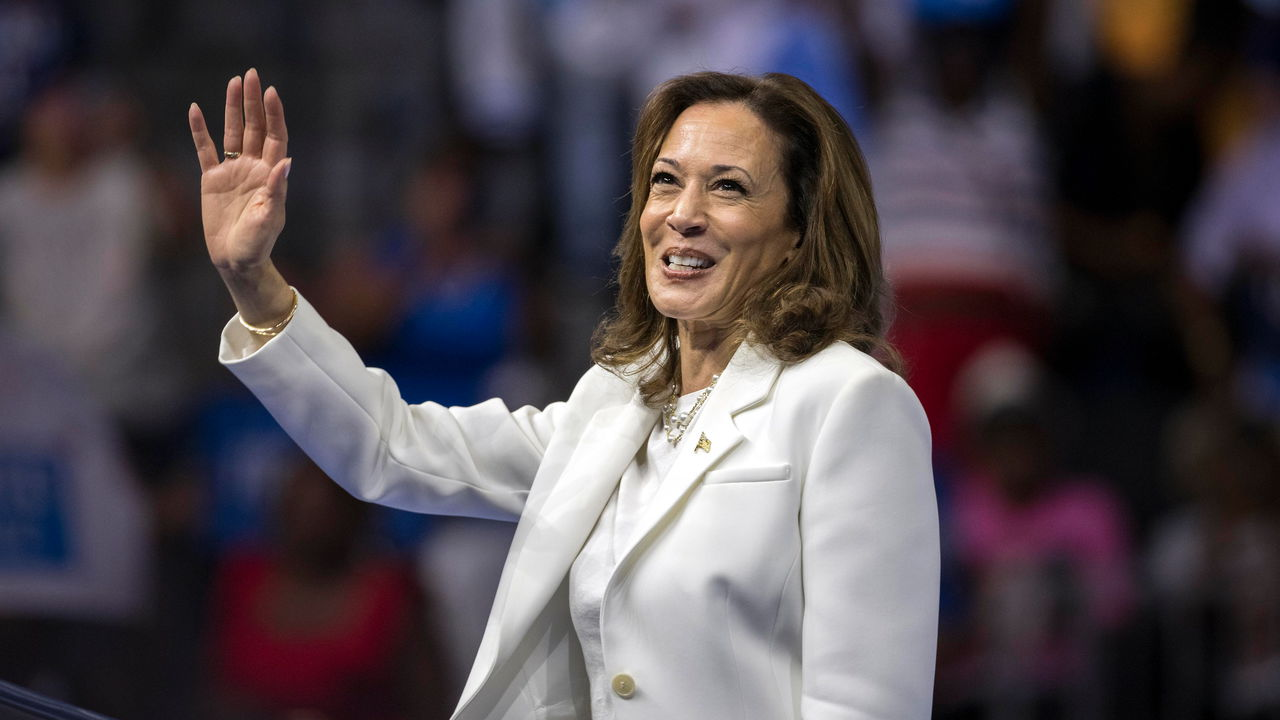
On Labor Day, Kamala Harris joined President Joe Biden at a rally in Pittsburgh, aiming to solidify support from union workers in critical battleground states like Pennsylvania and Michigan. The event marked the first joint appearance of Harris and Biden since she officially became the Democratic presidential nominee, underscoring the importance of courting working-class voters, a key demographic also being targeted by her opponent, Donald Trump.

Harris voiced concerns over the potential acquisition of U.S. Steel by Japan’s Nippon Steel, stressing the importance of keeping the historic American company under domestic ownership. “U.S. Steel should remain American-owned and American-operated,” she said, aligning her stance with Biden’s pro-union agenda, which has been central to his presidency.

The labor vote remains a pivotal focus for both the Harris and Trump campaigns as they vie for support in swing states like Pennsylvania, where unionized workers hold significant influence. Trump, who did not make any public appearances on Labor Day, has similarly opposed the U.S. Steel deal, framing it as a threat to American jobs and security. The Harris campaign, however, seized the opportunity to mock Trump for his absence, posting on X that he was likely “golfing.”

Despite a Reuters/Ipsos poll showing Harris leading Trump by a slim margin nationally, the race remains tight, with both candidates ramping up their outreach efforts. While Harris is leveraging her campaign to maintain the momentum from her nomination, Trump continues to attract blue-collar voters with his promises of economic nationalism and job protection.

The backdrop of the Gaza conflict, however, loomed over campaign activities. As Harris and Biden met with U.S. hostage negotiation teams in Washington, their administration faced criticism for its approach to the Gaza ceasefire negotiations. Pro-Palestinian activists, opposing U.S. support for Israel, staged large protests, raising the potential for more demonstrations along Harris’s campaign trail in the weeks ahead.

With both campaigns seeking to capture the labor vote while navigating the complexities of international conflicts, the election remains fraught with challenges that could sway voters in unexpected ways.

Houthis Launch Missile and Drone Attacks on Two Oil Tankers in Red Sea, US Military Labels Them ‘Terrorist Acts’

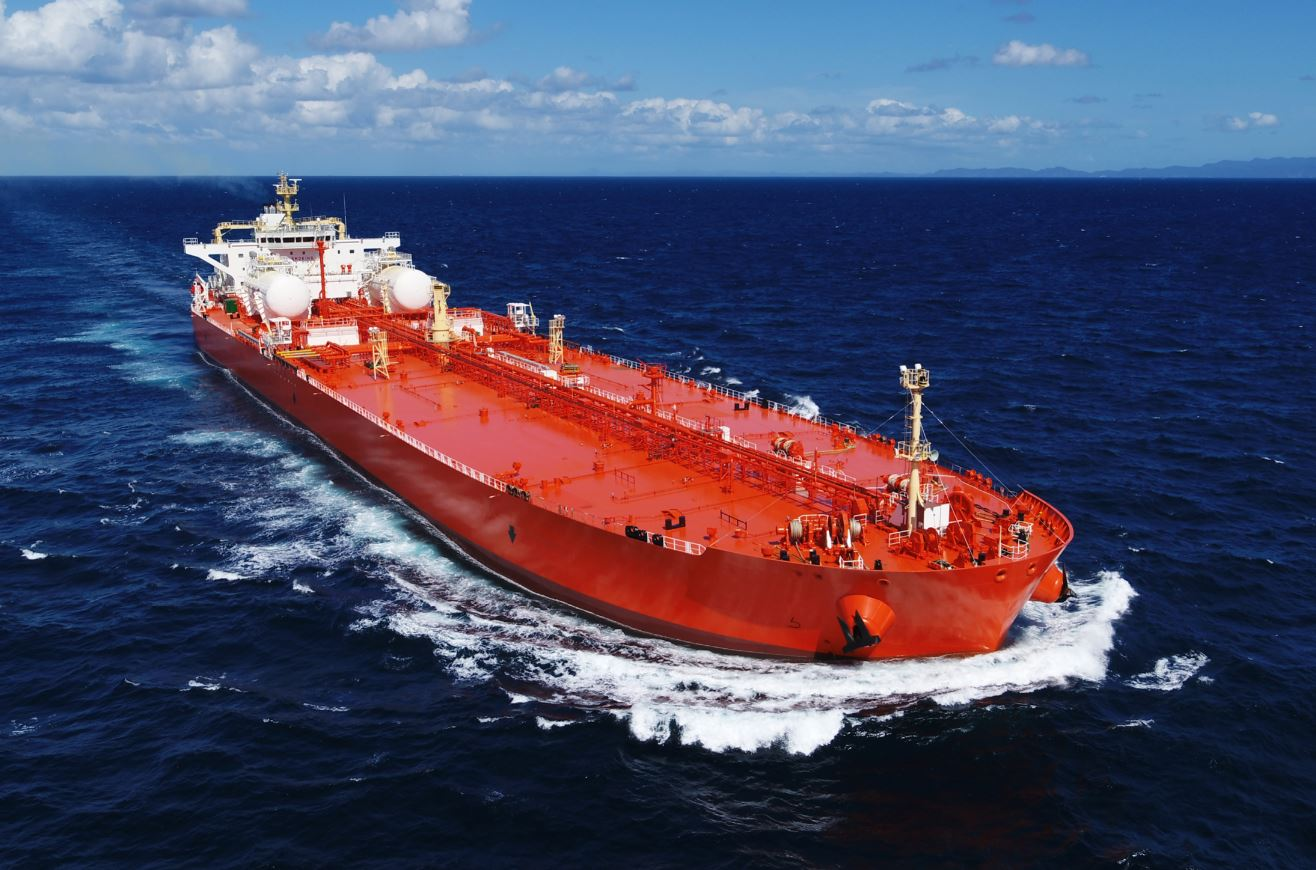
In a dangerous escalation, Yemen’s Houthi rebels targeted two crude oil tankers, the Saudi-flagged Amjad and the Panama-flagged Blue Lagoon I, in the Red Sea on Monday. The attacks, which the U.S. military described as “reckless acts of terrorism,” involved ballistic missiles and drones. The Houthis claimed responsibility for hitting the Blue Lagoon I with multiple missiles and drones, although they did not acknowledge the strike on the Saudi tanker.

The Amjad, laden with two million barrels of oil, and the Blue Lagoon I, carrying up to one million barrels, were attacked as they sailed near each other. Fortunately, neither vessel sustained major damage, and no casualties were reported, allowing both ships to continue their journeys.

The strikes are the latest in a series of Houthi attacks on maritime targets, which have alarmed Saudi Arabia and international maritime forces. Since November, the Houthis have intensified assaults in the region, sinking two vessels, seizing another, and killing three seafarers. The group, backed by Iran, claims to be acting in support of Palestinians amidst the ongoing conflict in Gaza.

The attacks underscore the Houthis’ growing capability to target critical shipping lanes and escalate tensions in the region, further complicating the already fragile security landscape in the Middle East. Despite the damage being minimal this time, the assaults highlight the ongoing threat to international oil shipping and regional stability posed by the conflict in Yemen.

4o