Fridgescaping: A Playful Trend that Brings Interior Design to Your Refrigerator

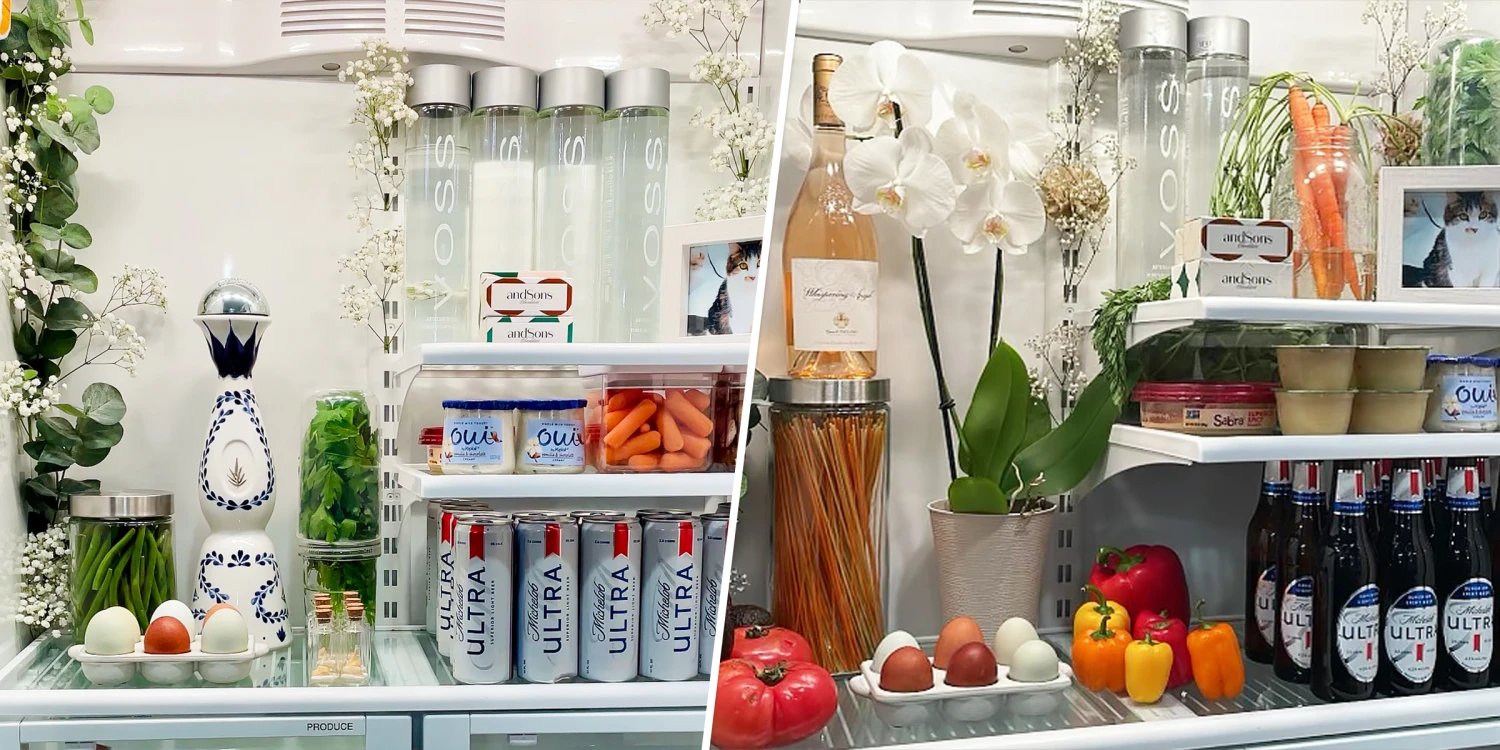
Fridgescaping is a new trend taking over social media, particularly TikTok, where users like Lynzi Judish turn their refrigerators into curated displays of decor and produce. The practice, which involves artfully arranging food, flowers, and even non-food items like picture frames and figurines, is polarizing. Some embrace it as a fun, creative outlet, while others see it as frivolous and impractical.

The trend traces its origins to Kathy Perdue, a retired designer who coined the term in 2011 to describe her approach of making food storage aesthetically pleasing. However, TikTok has taken fridgescaping to new heights, often transforming refrigerators into elaborate, themed displays that feel more like art installations than practical food storage.

While critics argue that fridgescaping prioritizes style over function, proponents like Judish find it motivating and fun, encouraging them to be more mindful of their eating habits. Though divisive, fridgescaping ultimately serves as a playful, whimsical expression of creativity in everyday life.

Nearly 50-Year-Old Mystery of ‘Pinnacle Man’ Solved in Pennsylvania

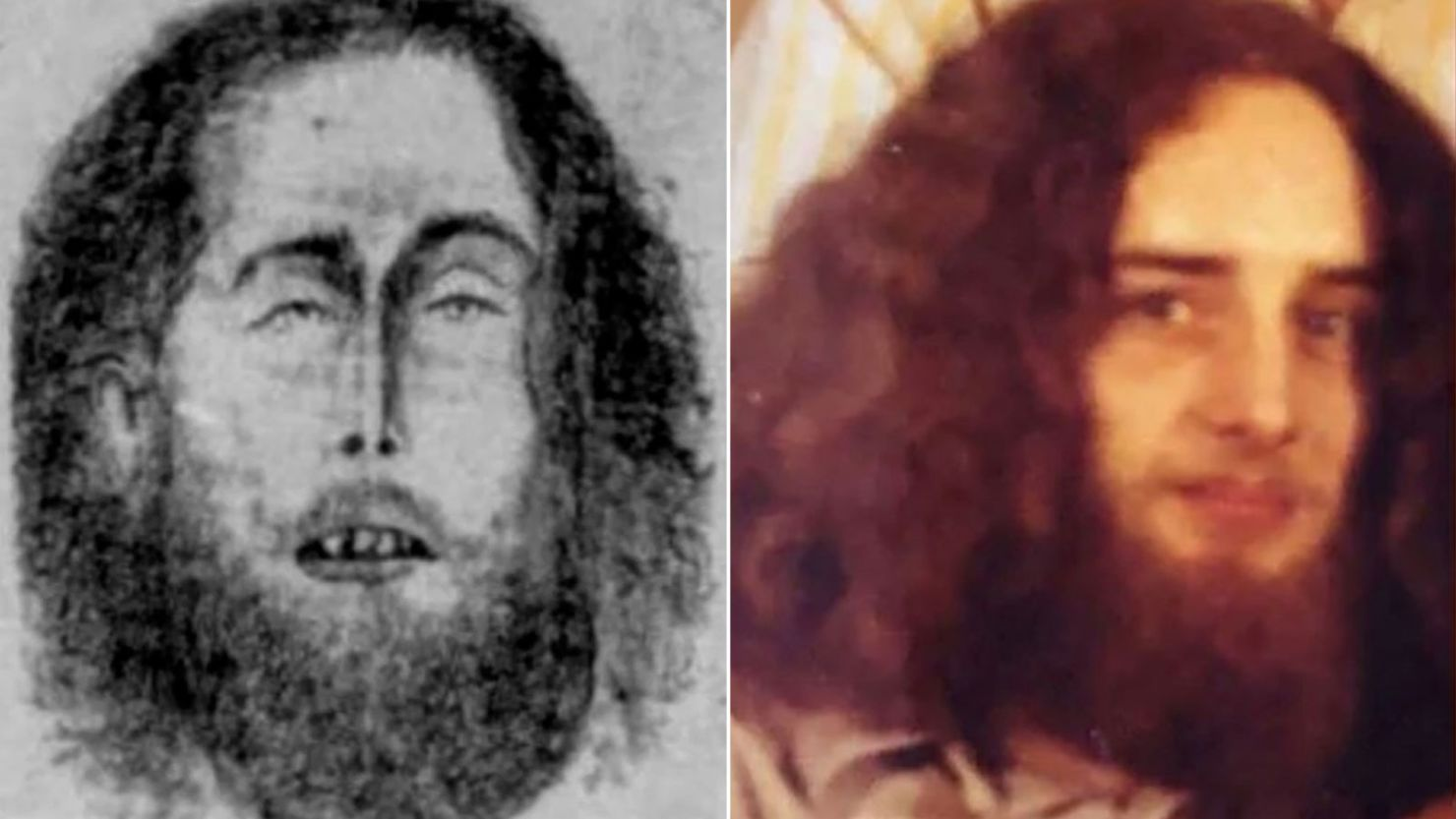
After nearly five decades, the mystery of the “Pinnacle Man,” whose frozen body was discovered in a Pennsylvania cave in 1977, has been solved. The Berks County Coroner’s Office recently identified the man as Nicholas Paul Grubb, a 27-year-old from Fort Washington, Pennsylvania. Remarkably, the breakthrough in this cold case came not from advanced DNA technology but from a detective’s diligent file review.

Hikers discovered Grubb’s frozen remains on January 16, 1977, near the Pinnacle in the Appalachian Mountains. Despite a thorough investigation, including dental records and fingerprint collection, Grubb’s identity remained elusive for over 40 years. His death was determined to be from a drug-induced overdose, with no evidence of foul play. In 2019, his body was exhumed, and DNA samples were taken, but no matches were found in missing person databases.

The key to solving the case came in August when Pennsylvania State Police detective Ian Keck located the lost fingerprint card from Grubb’s original autopsy. This card led to a match in the FBI database, finally identifying Grubb as the Pinnacle Man. His family, grateful for the closure, plans to bury his remains in the family plot.

This resolution underscores the importance of persistence in solving cold cases and the comfort it can bring to families long left without answers.

Camp Humphreys: America’s Mini-Texas on the Korean Peninsula, 60 Miles from North Korea

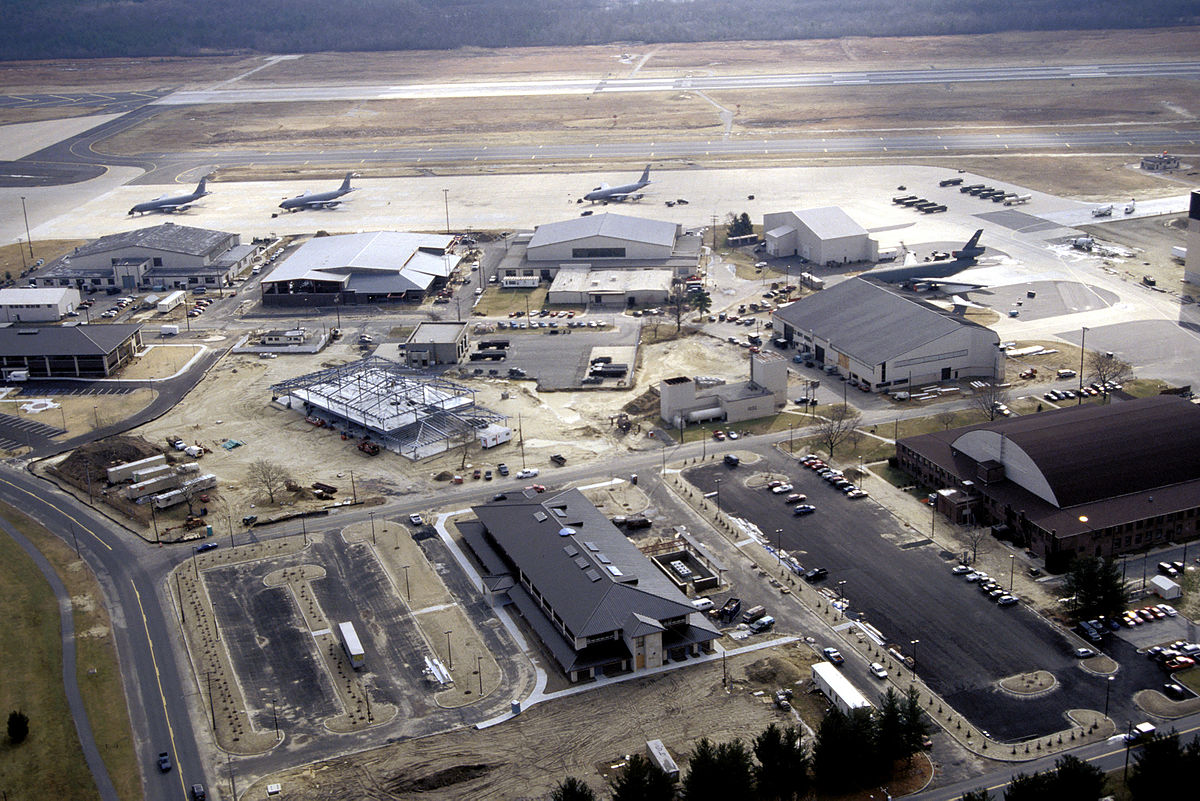
Camp Humphreys, the largest U.S. military base overseas, sits just 60 miles from the North Korean border, yet it feels more like Texas than the Korean Peninsula. This sprawling installation south of Seoul houses 41,000 people and has become the “center of gravity” for the U.S.-South Korea military alliance. With its American-style neighborhoods, barbecue trucks, bowling alleys, and even Krispy Kreme doughnuts, Humphreys provides a taste of home for U.S. military personnel and their families. However, the reality of its strategic importance is never far from mind, especially as tensions with North Korea continue to simmer.

Since the start of Russia’s invasion of Ukraine, Camp Humphreys has grown in prominence, a reflection of North Korea’s expanding nuclear and missile capabilities. The base is the headquarters for U.S. Forces Korea, and home to various key commands, including the Eighth Army and the U.S.-South Korea Combined Forces Command. With its state-of-the-art airfield and military infrastructure, Camp Humphreys stands as a formidable deterrent, but also as a potential target for North Korea.

The constant threat has ingrained a sense of preparedness in the lives of everyone stationed at the base. Families practice evacuation drills, keep emergency “go bags” ready, and maintain cars with enough fuel for a quick retreat. Despite the looming dangers, life goes on with a semblance of normalcy, whether it’s military spouses running home businesses or parents managing the challenges of raising children far from home. For many, like Tyrese “Re” Cook, who juggles life with five young daughters, Humphreys offers “a mini-America” that brings comfort amidst the uncertainty.

The base is more than a military installation; it is a small American town in a foreign land, complete with familiar comforts like Krispy Kreme doughnuts, Wonder Bread, and Popeye’s chicken sandwiches, all baked fresh at the on-site Army Air Force Exchange Service Bakery. Yet, beneath this slice of Americana lies the ever-present reality that Camp Humphreys is one of the most critical—and vulnerable—installations in the U.S. military’s global footprint. Its role in safeguarding both South Korea and U.S. interests in Northeast Asia underscores the delicate balance of power in a region marked by geopolitical tensions.