Kharkiv Missile Strike Injures Dozens Amid Escalating Ukraine-Russia Tensions; Kyiv Calls for Long-Range Weapons

In a continuation of the escalating conflict between Ukraine and Russia, at least 47 people, including five children, were injured on Sunday when Russian missiles struck a shopping mall and events complex in the northeastern Ukrainian city of Kharkiv. This attack came after Russia claimed it had been targeted by one of Ukraine’s largest drone assaults to date, which hit power plants and an oil refinery. The intensification of violence has raised alarm across both nations as the war enters a critical phase.

Ukrainian President Volodymyr Zelenskiy responded to the Kharkiv missile strike by calling on Western allies to provide Kyiv with long-range missiles capable of reaching deeper into Russian territory. He argued that such capabilities are necessary to neutralize Russia’s military threat, particularly as Moscow ramps up its attacks on Ukrainian cities and infrastructure. In a post on Telegram, Zelenskiy urged global leaders to act decisively and supply Ukraine with the weapons needed to defend itself.

The missile strike on Kharkiv comes at a time when Russia is making gains in eastern Ukraine, particularly towards the key military hub of Pokrovsk. Russian forces continue to press their offensive in the region while attempting to push back Ukrainian forces that had recently launched a surprise incursion into Russia’s western border. Despite these efforts, Ukraine’s advance does not appear to have significantly shifted the balance of power in the region.

Picture background

As the war drags on, both sides have increasingly targeted each other’s energy infrastructure. Ukraine, bolstered by its expanding domestic drone industry, has increased its assaults on Russian energy, military, and transport facilities. Russia, meanwhile, has conducted its heaviest airstrikes of the war in recent days, striking numerous Ukrainian energy targets and claiming these are legitimate military objectives. Thousands of civilians have been killed since the conflict began in February 2022, with Russia continuing to deny deliberately targeting non-combatants.

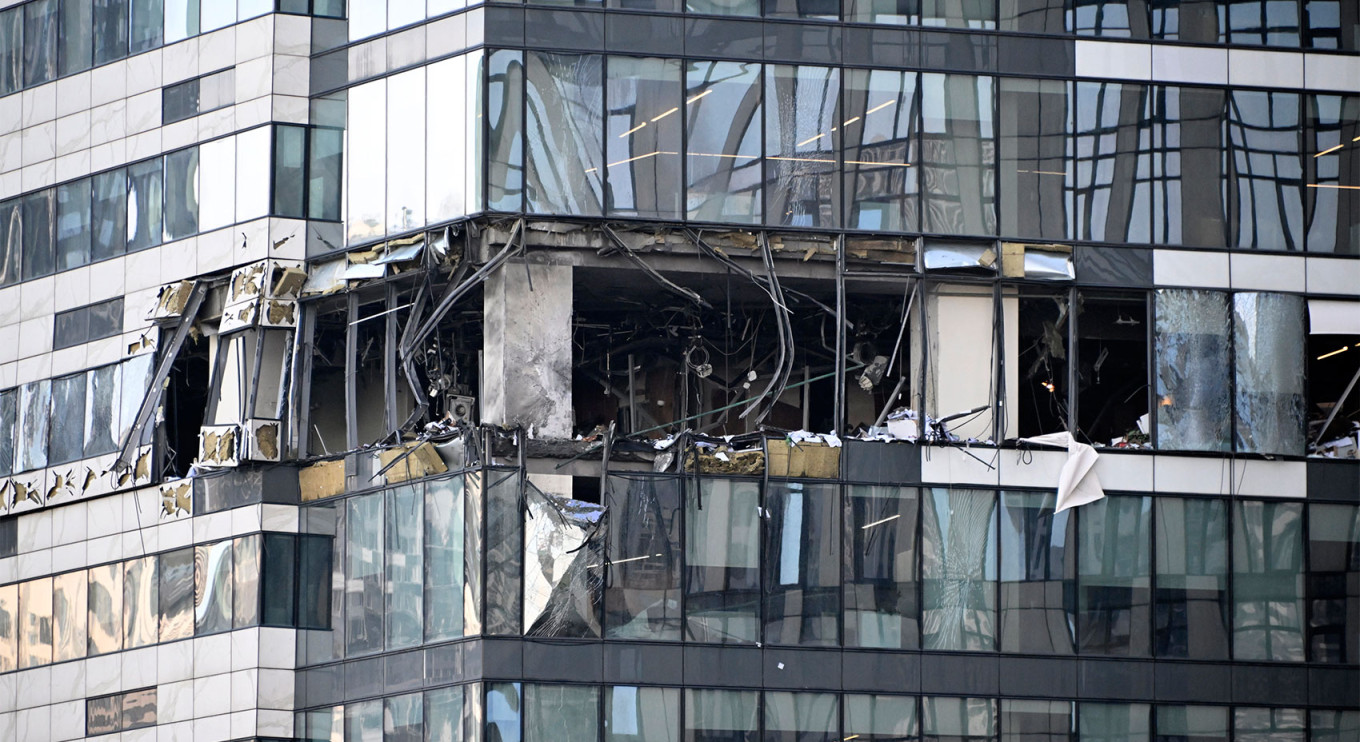
Russia reported that it had shot down 158 drones launched by Ukraine, with some causing fires at the Moscow Oil Refinery and the Konakovo Power Station. While Kyiv has yet to comment on the drone attacks, the damage underscores the growing potency of Ukraine’s aerial capabilities.

In a troubling development, Moscow has hinted at potential revisions to its nuclear doctrine. Russian Deputy Foreign Minister Sergei Ryabkov suggested that changes were underway in response to the West’s involvement in the conflict. Although specifics were not provided, the possibility of lowering the threshold for nuclear use has been floated by some hardliners within Russia’s military establishment. Current Russian doctrine allows for nuclear retaliation in the event of a nuclear or conventional attack that threatens the state’s existence.

The situation in eastern Ukraine remains dire, with Russian forces capturing two more settlements in the Donetsk region and continuing their advance toward Pokrovsk. Despite hopes that Ukraine’s incursion into Russia’s Kursk region might force Moscow to divert troops and ease pressure on the eastern front, Russian forces appear to have maintained their momentum. Ukrainian officials described the situation as “difficult,” with the country’s army chief acknowledging the intense pressure being placed on Ukrainian defenses.

Meanwhile, Ukraine continued to strike back, shelling Russia’s southern Belgorod region, injuring 11 people, including two children. As the conflict grinds on, both sides seem poised for further escalation, with civilian populations increasingly caught in the crossfire.

Scholz Expresses Concern Over Far-Right Gains in German Regional Elections, Mainstream Parties Urged to Unite

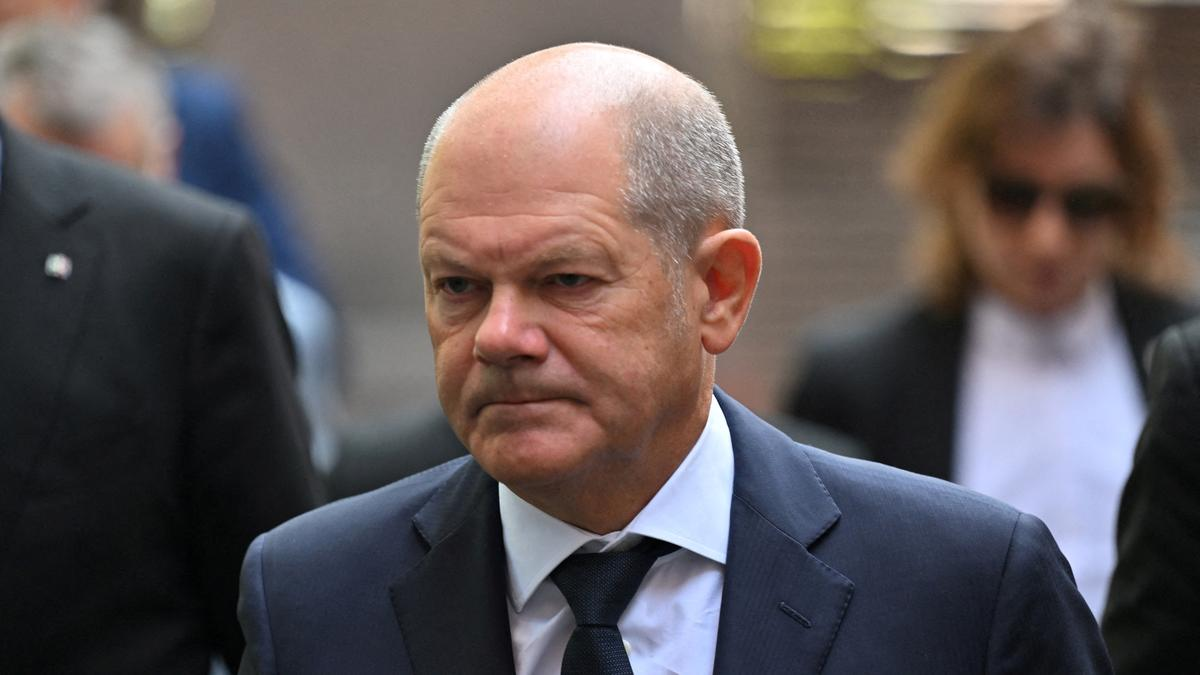
German Chancellor Olaf Scholz has expressed deep concern following significant gains made by the far-right Alternative for Germany (AfD) in recent regional elections. The AfD, known for its nationalist, anti-immigration, and Russia-friendly stance, achieved a historic victory in Thuringia, becoming the first far-right party since World War II to win a state legislature election in Germany. Additionally, the party came in a close second behind the conservatives in Saxony, reflecting a notable shift in the political landscape.

Scholz called the results “bitter” for his ruling coalition, which suffered losses in both states. He urged mainstream political parties to unite in forming governments without collaborating with “right-wing extremists,” underscoring the threat posed by the AfD to Germany’s democracy, economy, and international reputation. Despite its electoral success, the AfD is unlikely to govern due to the continued refusal of other parties to partner with it. However, the far-right party’s increased presence in state parliaments could enable it to block key decisions, such as judicial appointments, granting it an unprecedented level of influence.

These regional election results have fueled concerns within Scholz’s coalition, which comprises his Social Democrats (SPD), the Greens, and the pro-business Free Democrats (FDP). All three governing parties lost ground in the elections, with only the SPD clearing the 5% threshold to remain in the state parliaments. The results also marked the entry of a populist left-wing party, the Sahra Wagenknecht Alliance (BSW), which performed better than the coalition partners, securing third place in its first state elections.

With a national election looming in Germany next year, these developments may lead to increased political infighting and put pressure on the government to adopt tougher stances on issues like immigration and support for Ukraine, topics that dominated the recent campaign. Scholz acknowledged the challenges ahead, calling on the political establishment to prevent the normalization of far-right extremism in German politics.

Widespread Protests Erupt Across Israel Following the Killing of Hostages in Gaza, Calls for Ceasefire Intensify

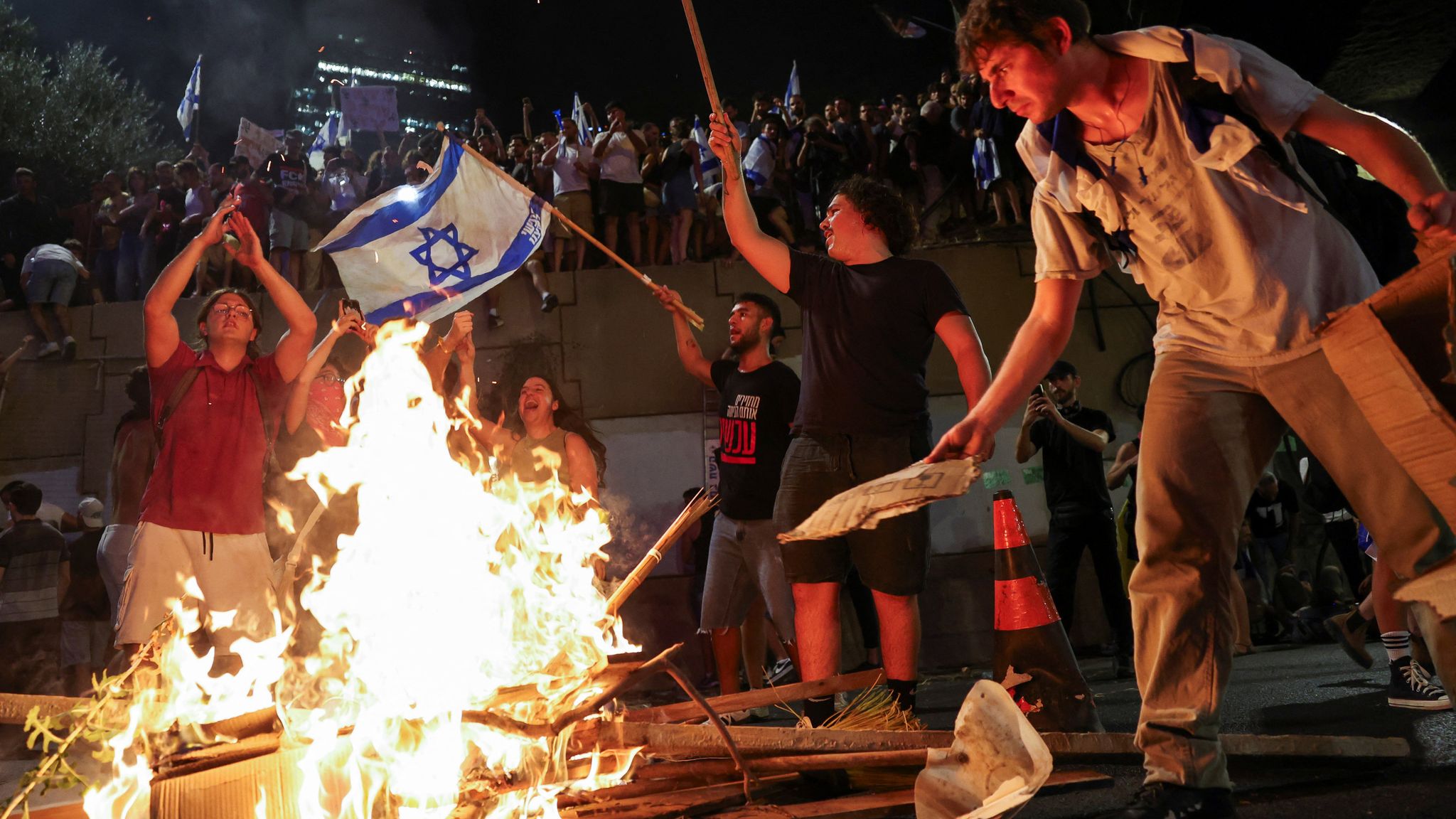
In response to the tragic killing of six hostages held by Hamas in Gaza, widespread protests have erupted across Israel, with hundreds of thousands of citizens demanding stronger actions from Prime Minister Benjamin Netanyahu to secure the release of the remaining hostages. The Israeli public is increasingly frustrated by the government’s inability to negotiate a ceasefire deal with Hamas, which could potentially secure the freedom of around 101 remaining captives. The demonstrations, which have taken place in cities such as Jerusalem and Tel Aviv, are some of the largest seen in recent months, with estimates suggesting up to 500,000 people took to the streets.

Protesters are calling for Netanyahu to take responsibility for the deaths and work towards ending the nearly 11-month war with Gaza. Many have accused the Prime Minister of prolonging the conflict, leading to the deaths of the hostages and further destruction in Gaza. Despite Netanyahu’s vow to bring justice to those responsible for the killings, his leadership is facing intense scrutiny.

In conjunction with the protests, labor leaders have called for a general strike to take place, signaling growing discontent across various sectors of Israeli society. Ben Gurion Airport, the country’s primary international hub, is expected to be affected by the strike, as workers aim to pressure the government into reaching a ceasefire agreement with Hamas.

Picture background

The bodies of the six hostages, identified as Carmel Gat, Hersh Goldberg-Polin, Eden Yerushalmi, Alexander Lobanov, Almog Sarusi, and Ori Danino, were recovered by the Israeli military from a tunnel in Rafah, Gaza. The Israeli health ministry confirmed they had been executed by Hamas militants just days prior to their recovery. This news has only heightened the call for immediate action from the Israeli government.

Meanwhile, in Gaza, the humanitarian crisis continues to deepen as Israeli airstrikes target Hamas strongholds. Amid the violence, a temporary pause in the fighting has been agreed upon to facilitate a polio vaccination campaign for the war-torn region’s children, highlighting the ongoing public health challenges in the territory.

As the conflict escalates, international attention remains focused on securing a ceasefire, with U.S. President Joe Biden expressing both outrage and determination to hold Hamas accountable for the hostages’ deaths. Despite diplomatic efforts led by the U.S., Qatar, and Egypt, negotiations for a comprehensive ceasefire remain stalled due to unresolved disputes between the parties.

The protests in Israel underscore the growing divide between the government and its citizens, many of whom believe that the cost of the ongoing conflict, in both human lives and societal strain, is too high. With calls for change growing louder, the coming days may prove pivotal for Israel’s leadership and its future course in this long-standing conflict.