In August, Pablo González, a Spanish journalist with Russian roots, was transferred from a Polish prison to Moscow as part of a high-profile prisoner swap. His return was marked by a ceremonial welcome from President Vladimir Putin, amidst allegations of espionage. González, known in Russia as Pavel Rubtsov, had been detained in Poland in 2022 under charges of spying, a claim he continues to deny.
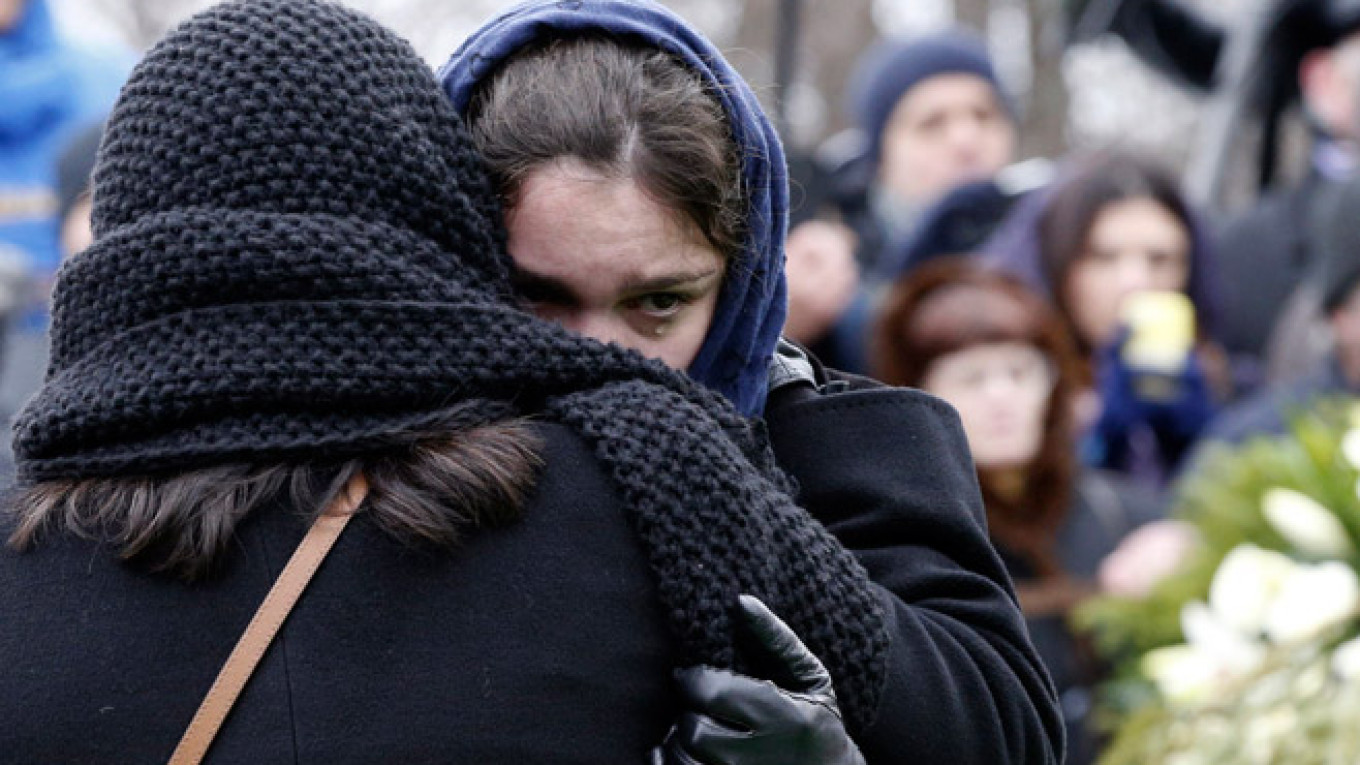
Zhanna Nemtsova, daughter of the murdered Russian opposition leader Boris Nemtsov, has publicly shared her suspicions about González, revealing her concerns that he had been gathering intelligence on her and other activists. Nemtsova, who had previously interacted with González under the guise of a journalist, now asserts that he was indeed a spy, a claim supported by evidence shown to her during the criminal investigation.
González’s arrest in Poland followed his involvement in various international reporting assignments and a Russian defense ministry media trip to Syria. Despite his denial of espionage, Nemtsova and other activists remain convinced of his guilt, based on detailed reports and personal suspicions.
The prisoner swap, which involved exchanging González for Russian dissidents and Western detainees, has stirred controversy, particularly as González was seen celebrating his return in Moscow. His case has raised concerns about the integrity of international reporting and the extent of Russian intelligence operations in Europe.
The implications of González’s activities are being scrutinized, with fears of espionage infiltrating academic and political circles. While Spain has not revoked his citizenship, González’s future in Europe remains uncertain as investigations and diplomatic tensions continue.
Zhanna Nemtsova, now more vigilant about her security, reflects on the personal and political ramifications of this case, emphasizing the need for heightened awareness and caution in international relations.