

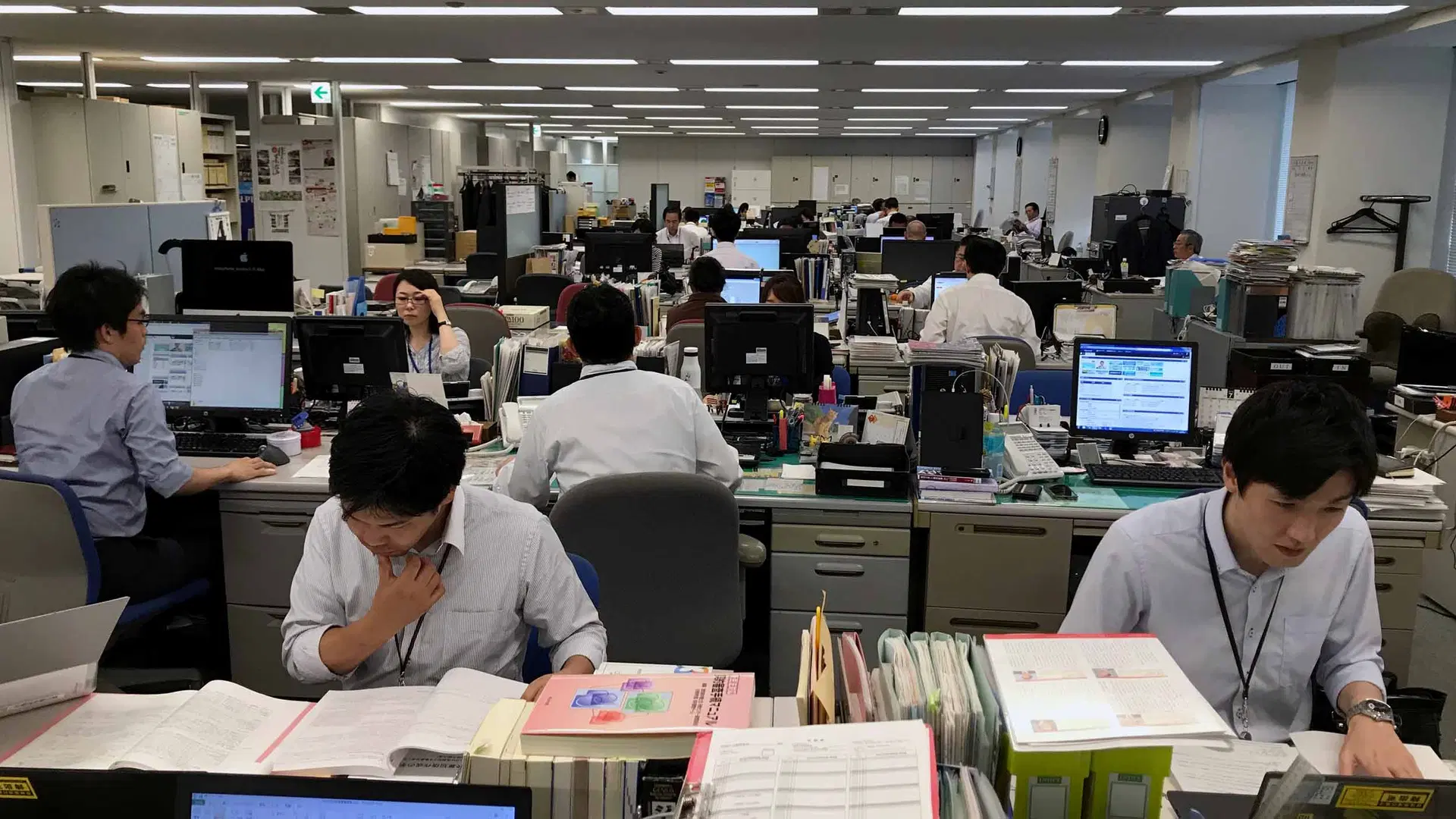
In Japan, a growing number of workers are turning to resignation experts to help them leave their jobs amidst an entrenched culture of overwork and hierarchical pressure. Yuki Watanabe, a former employee at a major Japanese company, is one of many who struggled with intense work hours and health problems due to the country’s demanding work expectations. Despite recognizing the need to resign, Watanabe, like many others, feared the consequences of going against Japan’s top-down workplace norms, where quitting a job can be seen as a profound act of disrespect.
Japan’s notorious work culture, which prizes loyalty and long-term employment, often makes resignations an uphill battle. Workers are frequently met with resistance, harassment, and even bosses who rip up resignation letters in an effort to keep them. This, coupled with the fear of losing future job prospects, traps employees in toxic environments, leading some to hire resignation agencies like Momuri to mediate on their behalf.
Momuri, a firm founded in 2022 in Tokyo, exemplifies this new trend of resignation services, offering employees a way out without having to face their intimidating bosses directly. For a fee, workers can hire the agency to submit their resignation letters, negotiate with employers, and even offer legal referrals in cases of workplace disputes. This service has become especially popular in the wake of the COVID-19 pandemic, as remote work forced many to reconsider their careers and priorities.
Japan’s labor laws theoretically protect workers’ rights to resign, but the social atmosphere in many workplaces makes it difficult for employees to exercise this right. The country is notorious for its “black firms,” companies with grueling work conditions, which have even driven some employees to their deaths through overwork, a phenomenon known as “karoshi.” The government has taken steps to combat these practices, publishing blacklists of unethical employers, yet the pressure on workers remains significant.
Resignation agencies have emerged as a solution, particularly for younger workers, who no longer subscribe to the lifelong loyalty expected by older generations. Today’s youth, empowered by a labor shortage and a shift in values, are more willing to leave jobs that don’t meet their expectations. However, they often prefer a non-confrontational approach, opting for resignation services to avoid direct conflict with their employers.
While resignation agencies like Momuri offer a way out for Japan’s overworked employees, experts like Hiroshi Ono from Hitotsubashi University Business School caution against using such services. He suggests that having a discussion with employers can be beneficial, and burning bridges may harm future opportunities. Even Momuri’s operations manager, Shiori Kawamata, hopes that one day their services will no longer be necessary, though for now, demand shows no signs of slowing.
With Japan’s rigid work culture showing only slow signs of change, resignation agencies provide a crucial support system for workers seeking relief from overwork and workplace harassment. Yet the broader question remains—how can Japan shift its work culture to ensure employees are free to leave toxic environments without fear? Until then, resignation agencies like Momuri will continue to serve as a necessary lifeline for workers across the country.