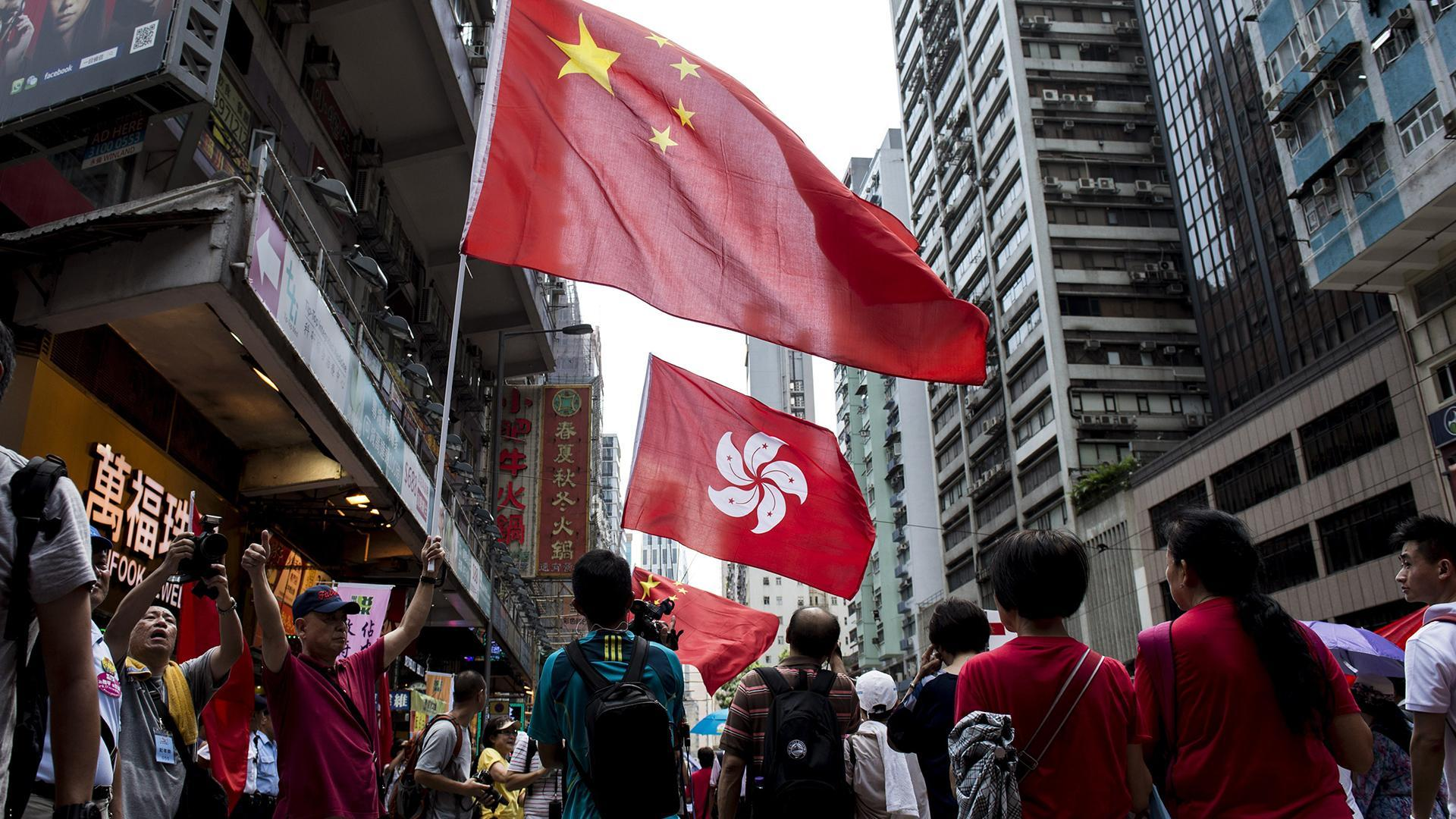
Property stocks in Hong Kong surged on Tuesday following significant announcements by Chinese financial regulators regarding measures aimed at easing the financial strain on households and bolstering the real estate sector. The People’s Bank of China (PBOC) Governor Pan Gongsheng revealed key initiatives during a press conference, including a reduction in mortgage interest rates and a lower down-payment requirement for second homes.

The PBOC’s new policy will lower the interest rates on existing mortgages by 0.5 percentage points and reduce the down-payment ratio for second homes to 15% from the previous 25%. This marks the first time that down payment requirements for first and second homes have been aligned. The central bank expects this move to ease household mortgage payments by approximately 150 billion yuan ($21.25 billion) annually.

Following the announcement, the Hang Seng Mainland Properties Index rose as much as 5%, and real estate developers like China Resources Land, Longfor Group Holdings, and China Overseas Land & Investment experienced significant gains of 4.49%, 4.57%, and 5.41%, respectively.

China’s policymakers have been increasing efforts to support the property market, which has struggled with declining investments and falling demand. However, past measures have had limited impact, with property-related investments falling by more than 10% in the first eight months of this year compared to the previous year.

Alongside the mortgage relief measures, Pan Gongsheng also announced a 50 basis point cut to the reserve requirement ratio (RRR), allowing commercial banks more liquidity to support lending. This move is part of broader efforts to stabilize the property sector and reduce household financial burdens.

While the mortgage rate cuts may alleviate financial pressure on existing homeowners, analysts are cautious about the long-term impact on the housing market. William Wu, an analyst at Daiwa Capital Markets, noted that the cuts may not stimulate new demand for homes and could slow down further reductions in loan prime rates. Bruce Pang, chief economist at JLL, emphasized the need for additional measures to support developers and stimulate property investment and construction activities.

There are also discussions underway about allowing homeowners to renegotiate their mortgage terms with lenders before January next year, potentially offering further relief to struggling households. This could include the option for homeowners to refinance with different banks, a practice that has not been allowed for several years.

Bangladesh Army Chief Pledges Support for Yunus’ Interim Government ‘Come What May’

Bangladesh’s army chief, General Waker-uz-Zaman, has pledged full support for Nobel laureate Muhammad Yunus’ interim government, which took power after the ousting of Prime Minister Sheikh Hasina. Zaman vowed to back the administration “come what may” in order to achieve vital reforms and prepare the country for democratic elections within the next 18 months.

Zaman, who assumed the role of army chief shortly before Hasina’s departure, highlighted the military’s commitment to ensuring the interim government’s success in implementing judicial, police, and financial reforms. These reforms are viewed as essential to ensuring free and fair elections in Bangladesh, a country of 170 million people. Zaman stressed the importance of patience in this transition, estimating a timeline of one to one-and-a-half years for the full restoration of democracy.

Yunus, known globally as the founder of the microcredit movement, has taken charge of the interim government following the resignation of Sheikh Hasina in early August. Hasina stepped down after 15 years in power amidst widespread student-led protests against her government, leading to her fleeing to India. The protests, initially focused on public sector job quotas, escalated into a broader anti-government uprising, resulting in over 1,000 deaths—the bloodiest period in the country’s history.

Despite the Awami League and the Bangladesh Nationalist Party (BNP) calling for elections within three months of the interim government’s formation, Zaman emphasized the need for stability before rushing into elections. He noted that Yunus and the army are collaborating closely, with the military stepping in to maintain law and order as parts of the civil service, especially the police, remain non-functional following Hasina’s exit.

Bangladesh’s military, which has historically played a role in the country’s politics, is undergoing reforms under Zaman’s leadership. He is determined to distance the army from political interference, affirming his commitment to professionalism within the ranks. The military, which is also a significant contributor to UN peacekeeping missions, is reviewing allegations of misconduct by its personnel under the former government, with some already facing punishment.

The interim government has established a commission to investigate the disappearance of up to 600 people since 2009, reportedly abducted by security forces during Hasina’s tenure. Zaman also proposed reforms to change the constitutional framework, placing the military directly under the president instead of the prime minister, to ensure it is never used for political purposes again.


China Unveils Broad Stimulus Measures to Revive Economy

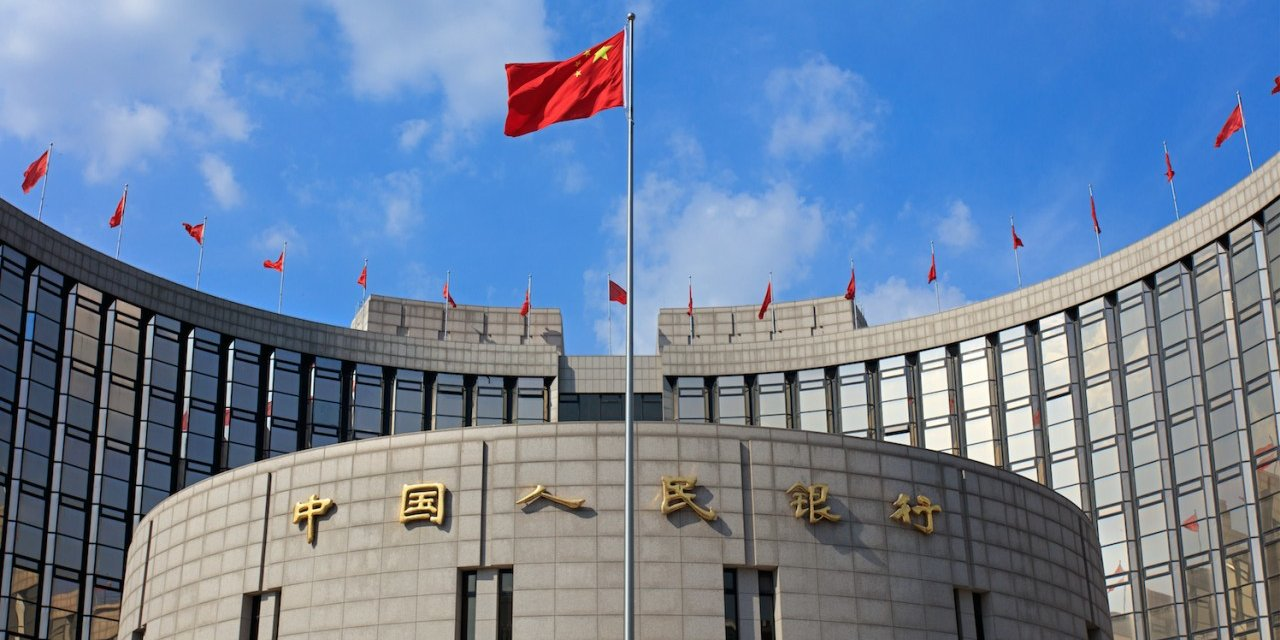
China’s central bank announced wide-ranging monetary stimulus and property market measures on Tuesday, aiming to revive an economy facing deflationary pressures and at risk of missing its growth target for the year. The People’s Bank of China (PBOC) revealed plans to lower borrowing costs, increase liquidity, and ease the burden of mortgage repayments for households, marking the latest attempt to restore confidence in the world’s second-largest economy after months of disappointing economic data.

Stocks and bonds in China rallied as Governor Pan Gongsheng outlined the measures, which include cutting banks’ reserve requirement ratios (RRR) by 50 basis points (bps). This move will free up around 1 trillion yuan ($141.93 billion) for new lending, though credit demand remains weak. The PBOC will also lower the seven-day repo rate by 0.2 percentage points to 1.5%, and reduce the medium-term lending facility rate by 30 basis points. Loan prime rates will also see a 20-25 bps cut.

The property market, a major driver of China’s economy, received further support with a 50 bps reduction in average interest rates for existing mortgages and a reduction in the minimum down payment to 15% for all types of homes. China’s property market has been in decline since its peak in 2021, and the crisis has heavily impacted consumer confidence, with 70% of household savings tied to real estate.

Despite earlier efforts to lower mortgage rates and downpayment requirements, demand for homes remains weak, and prices continue to fall. August’s economic data missed expectations, adding urgency to the stimulus package. Analysts warn, however, that these measures may not be sufficient to fully restore growth unless complemented by stronger fiscal policies.

Local governments have accelerated bond issuance to fund infrastructure projects, and analysts expect further support measures in the coming weeks as China aims to meet its roughly 5% growth target for the year. The recent U.S. Federal Reserve rate cut has provided room for the PBOC to ease its own monetary policies without putting too much pressure on the yuan.

Analysts, including those from investment banks such as Goldman Sachs and UBS, have already downgraded their growth forecasts for 2024, but they see Tuesday’s measures as a positive step towards economic recovery. ING’s Chief Economist for Greater China, Lynn Song, believes there is potential for further easing in the coming months, especially if global central banks continue cutting rates.