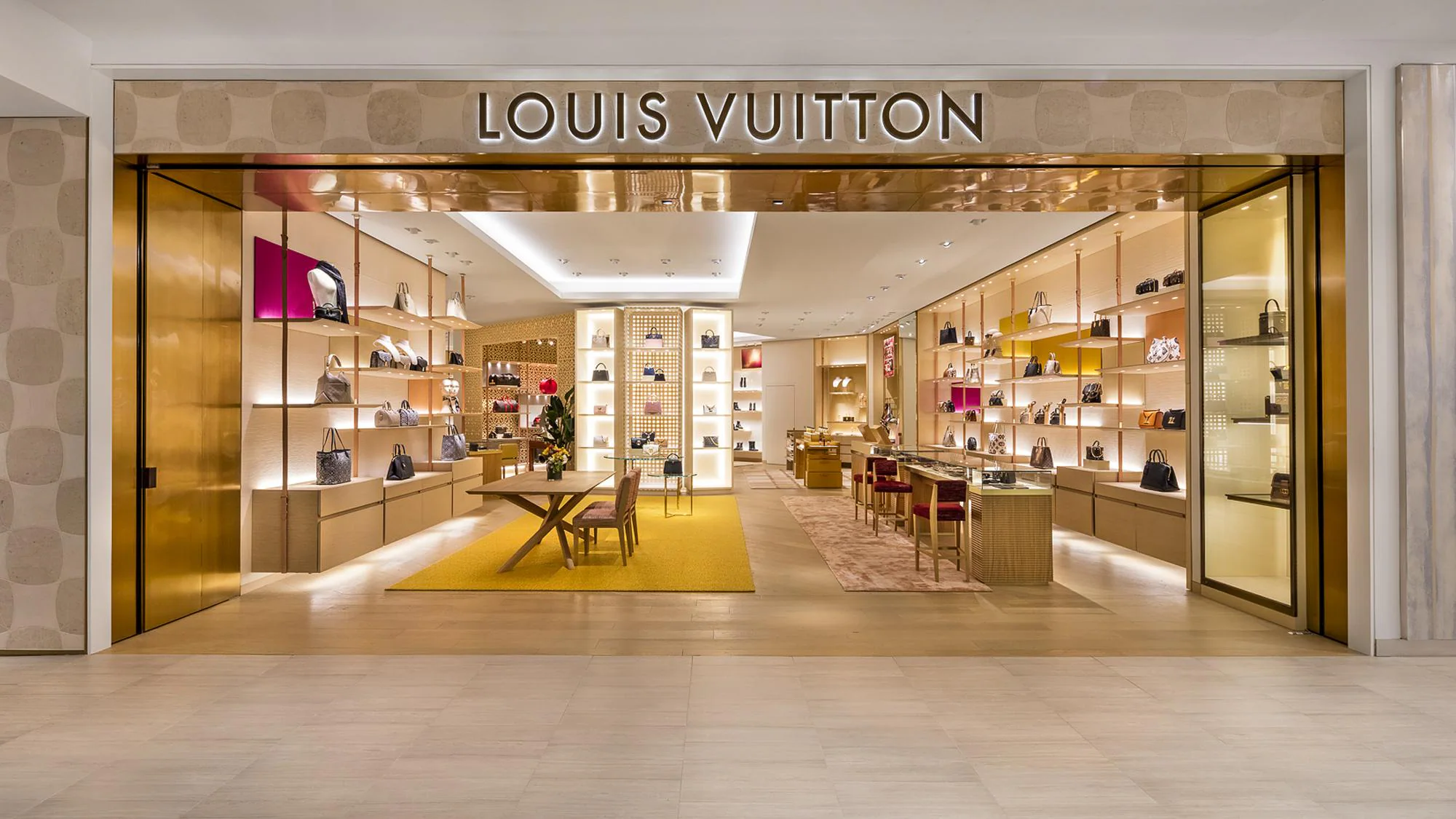
Goodbye Louis Vuitton: China’s Gen Z Embraces ‘Dupe Economy’ as Growth Slows

As China’s economic slowdown takes hold, a growing number of young consumers are opting for affordable dupes over high-end luxury items. This shift is particularly apparent among Gen Z, like Zheng Jiewen, a 23-year-old print model in Guangzhou, whose salary was slashed by half earlier this year. Once a regular buyer of Louis Vuitton and Chanel, Zheng now turns to high-quality replicas, also known as pingti, as the economic downturn has forced her to cut back on luxury spending.

The rising popularity of pingti products is part of a broader trend, with searches for these dupes tripling between 2022 and 2024, according to market research firm Mintel. In an era when China’s economy is stagnating, consumer confidence is at historic lows, and high-quality replicas of branded goods have become more mainstream. Rather than splurging on brands like Louis Vuitton or Lululemon, Chinese consumers are increasingly drawn to dupes that cost a fraction of the price. A pair of Lululemon leggings, for example, costs 750 yuan ($106) on their official site, while nearly identical versions on Chinese e-commerce platforms go for as low as $5.

The consequences of this shift are significant. Luxury brands like Louis Vuitton are facing declining sales, with LVMH, the brand’s parent company, seeing a 10% drop in revenue from its Asia market in the first half of 2024. The impact of the pingti trend is felt not just in reduced consumption but also in broader economic growth. Retail sales in China rose by just 2.1% in recent months, far below expectations.

The lack of consumer confidence stems from multiple factors, including declining wages, rising unemployment, and a property market collapse. For instance, Xinxin, a math teacher in Chongqing, experienced a 20% pay cut due to fiscal issues in her district. Like Zheng, she turned to dupes—choosing a budget-friendly alternative to Estée Lauder’s Advanced Night Repair serum, which saved her hundreds of yuan.

Unemployment among China’s youth reached 18.8% in August 2024, the highest on record, as the country continues to grapple with a deepening economic crisis. The housing sector, once a major driver of economic activity, has cooled dramatically. Real estate prices have fallen by nearly 30% since 2021, with the total wealth lost from this downturn amounting to $18 trillion, according to Barclays economists. This wealth loss has hit Chinese households hard, stifling their spending and dampening hopes of a quick economic recovery.

Nicole Hal, a 33-year-old businesswoman in Guangzhou, shared her frustration with CNN. Despite expecting to earn four million yuan ($570,000) this year with her husband, she has drastically reduced her spending on luxury items, expensive skincare, and dining out. Like many others, her cautious approach reflects a wider trend of reduced consumption, leading to more pessimistic economic data and lower growth forecasts for China.

As Beijing struggles to boost domestic demand, its strategy has shifted toward promoting manufacturing, particularly in the electric vehicle sector. However, this emphasis on exports has triggered a backlash, especially in Europe, where Chinese electric vehicles face potential tariffs. Economists at Goldman Sachs predict that unless China shifts its focus to stimulating domestic consumption, it will continue to face global trade challenges.

The Unspoken Rules of Celebrating Oktoberfest in Munich

Oktoberfest, the legendary Bavarian beer festival, is celebrated globally, but no place embodies the spirit of the event more than its birthplace in Munich. Drawing six million revelers annually, according to Munich’s Department of Labor and Economics, Oktoberfest, or “Wiesn,” is a must-see. Here’s a guide to navigate the festival like a pro.

What to Wear
For many, dressing in traditional Bavarian attire is part of the fun. Women typically wear dirndls, while men opt for lederhosen. Unlike in other parts of the world, visitors are encouraged to wear these outfits, embracing the local culture rather than risking cultural misappropriation. Whether you purchase an affordable costume or rent a high-quality outfit, it’s all part of the experience.
Remember: Lederhosen is plural, so one pair of trousers is a lederhose. These are distinctively Bavarian, not typically worn elsewhere in Germany—except, of course, during Oktoberfest.

Ordering and Tipping
Beer at Oktoberfest is served in large one-liter glasses called mass (not steins as commonly believed). The festival servers are skilled, often carrying up to six mass at a time, each weighing around 12 kg (26 lbs). These hardworking servers are paid based on sales, so tipping generously is customary. To get their attention, look for their name on a clothespin or use the informal address “du,” meaning “you” in German.
When the band plays “Ein Prosit,” a traditional drinking song, make sure to clink glasses, finish your drink, and be ready to order another. Link arms with your neighbors and sway to the music, a practice known as Schunkeln.
A note for women wearing a dirndl: the bow placement is key. Tied on the right means you’re single and ready to mingle.

More Than Beer
While beer takes center stage, Oktoberfest offers plenty of other beverages like wine, Apfelschorle (carbonated apple juice), alcohol-free beer, and soft drinks. Food is also a major part of the celebration. From giant pretzels (brezen) to sausages, schnitzel, and fries, the options are endless and delicious.

Munich Must-Do’s
Beyond the festival, Munich has much to offer. The historic Theresienwiese is close to landmarks like the Sendlinger Tor, Viktualienmarkt, and the famous Hofbräuhaus. For a day trip, Neuschwanstein Castle, Salzburg, and Rothenburg ob der Tauber are all nearby and well worth visiting. After the festivities, consider relaxing at Lake Starnberg, surrounded by the scenic Alps.

Oktoberfest Around the World
For those who can’t make it to Munich, there are plenty of global Oktoberfest celebrations. In Hong Kong, the Marco Polo German Bierfest offers the full Oktoberfest experience with stunning harbor views. In the U.S., Cincinnati hosts a large festival, and in Brazil, the town of Blumenau celebrates with South American flair.
For a less crowded alternative, check out Munich’s Spring Festival held at the same location, offering a similar festive atmosphere on a smaller scale.

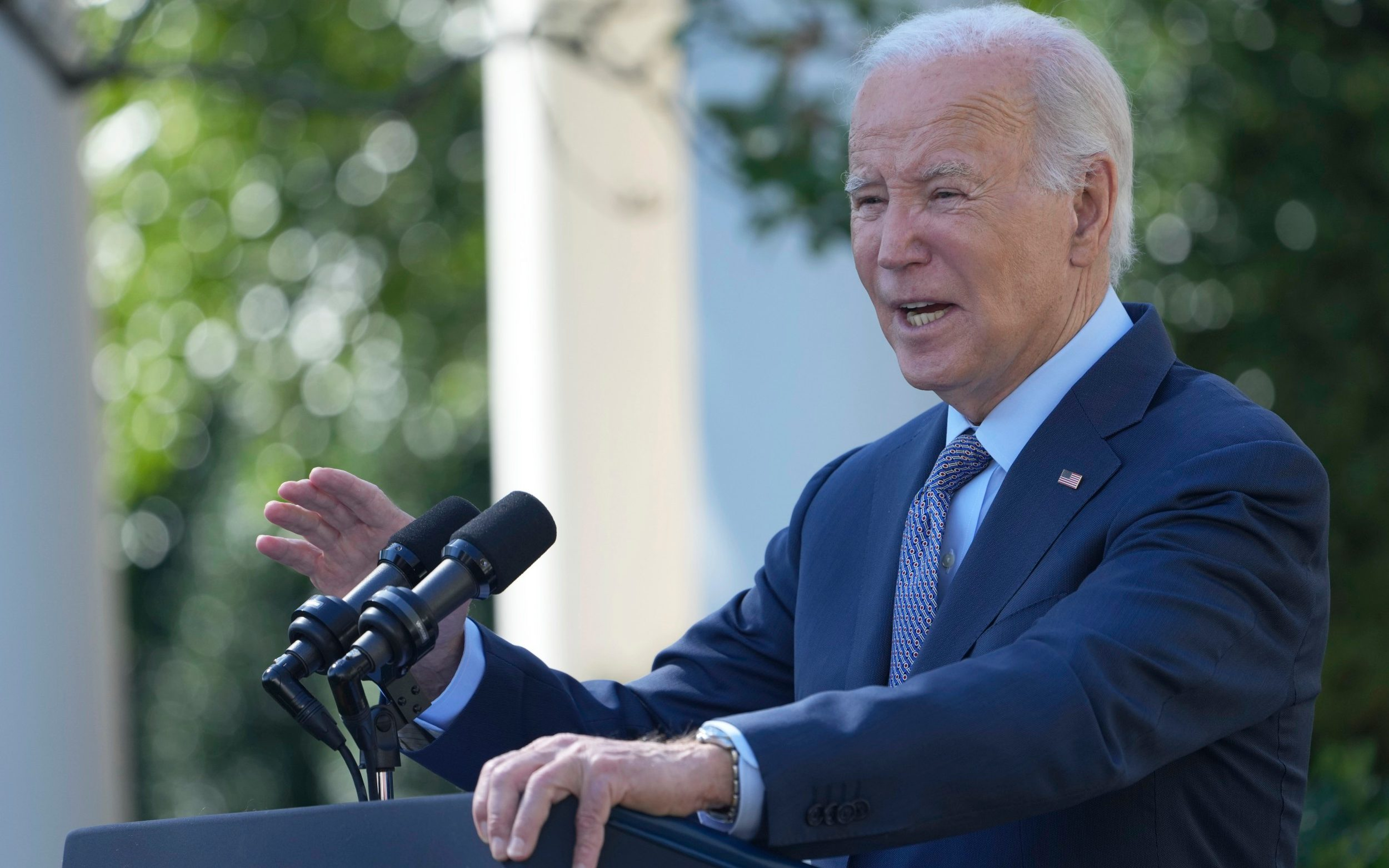
Biden Proposes Ban on Chinese Vehicles Over Software and National Security Concerns

The Biden administration has proposed new regulations that would effectively ban Chinese vehicles from U.S. roads due to concerns over data privacy and national security. Announced by the U.S. Commerce Department, the proposed rules would prevent key Chinese software and hardware from being integrated into connected vehicles, citing risks of surveillance, remote control, and potential foreign manipulation. The regulations would apply to both Chinese-made cars and components from other adversarial countries like Russia.

This move, reported first by Reuters, extends ongoing U.S. restrictions on Chinese imports and comes amid escalating fears about the collection of data by Chinese companies. The administration’s concern is centered around connected vehicles, which are equipped with network hardware enabling internet access, allowing data sharing with external devices. Officials fear that this capability could be exploited for surveillance or even control of vehicles on American roads.

Commerce Secretary Gina Raimondo emphasized the potential risks posed by foreign adversaries having the ability to remotely control vehicles, which could lead to widespread disruptions and safety hazards. “In an extreme situation, a foreign adversary could shut down or take control of all their vehicles operating in the United States all at the same time, causing crashes, blocking roads,” Raimondo said during a briefing.

The proposed regulation would go into effect for software in the 2027 model year and for hardware by 2029. While the rules would apply to all vehicles on U.S. public roads, they would not affect agricultural or mining vehicles used off-road. Chinese automakers could apply for exemptions under “specific authorizations” but would face steep challenges entering or remaining in the U.S. market.

The Commerce Department’s proposal builds on earlier measures, including a 100% tariff on Chinese electric vehicles (EVs) and new restrictions on critical components like EV batteries. The Biden administration has ramped up efforts to curtail Chinese influence in the U.S. automotive industry, despite the limited number of Chinese cars currently imported. Raimondo noted that the administration is taking action early, before Chinese components become more common in U.S. vehicles.

White House National Security Adviser Jake Sullivan underscored the urgency of the issue, stating that the presence of potentially millions of connected vehicles with long lifespans increases the risk of sabotage and disruption. Sullivan also pointed to evidence of Chinese malware being embedded in U.S. infrastructure as a justification for the proposal.

The Chinese Embassy in Washington has pushed back against the plan, urging the U.S. to adhere to international trade rules and warning that China will “firmly defend its lawful rights and interests.” Meanwhile, the Alliance for Automotive Innovation, representing major automakers such as General Motors, Toyota, Volkswagen, and Hyundai, has expressed concern over the time and complexity involved in replacing software and hardware sourced globally, including from China.

The Commerce Department is seeking public input on the proposal over the next 30 days, aiming to finalize the regulation by January 20.