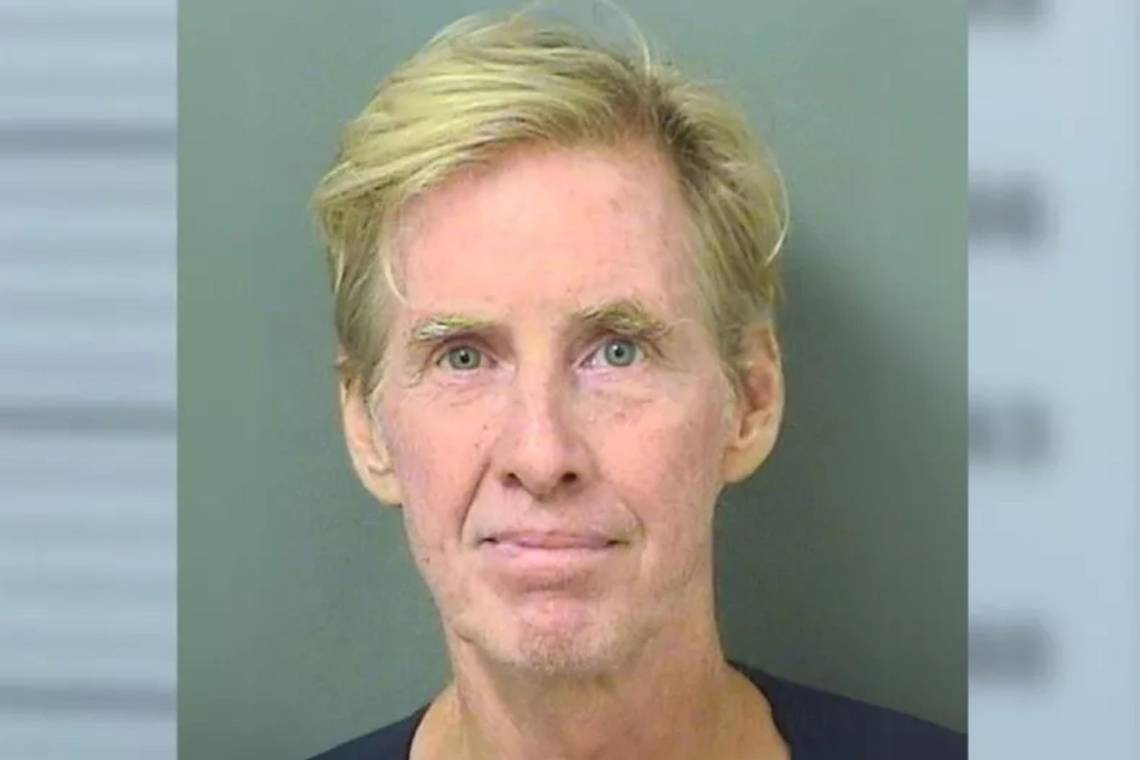
Suspected Gunman Indicted for Attempted Assassination of Donald Trump

Ryan Routh, a 58-year-old man accused of targeting former U.S. President Donald Trump at his Florida golf course, was indicted on Tuesday for attempted assassination of a political candidate. Federal prosecutors revealed that Routh, who had already faced gun-related charges, allegedly aimed a rifle through the fence of Trump’s West Palm Beach golf club on September 15 while Trump was present.

The U.S. Department of Justice emphasized that this act represents a serious threat to the nation’s democracy. “The Justice Department will not tolerate violence that strikes at the heart of our democracy, and we will find and hold accountable those who perpetrate it. This must stop,” stated Attorney General Merrick Garland in response to the indictment. The charge of attempted assassination carries a maximum sentence of life in prison.

The case is being overseen by U.S. District Judge Aileen Cannon, known for her involvement in a previous case regarding Trump’s handling of classified documents after his presidency. Routh, who has yet to enter a plea, remains in jail awaiting trial, following a failed attempt by his defense team to secure bond.

Prosecutors claim that Routh had a premeditated plan to assassinate Trump. According to court filings, he allegedly dropped off a letter to an unidentified person months before the incident, hinting at a possible assassination attempt. Further investigation revealed that Routh had spent considerable time in South Florida, with his cell phone records placing him near both Trump’s Mar-a-Lago residence and the golf course. A handwritten list of Trump’s speaking engagements was also found in his possession.

On the day of the incident, a Secret Service agent on patrol noticed a rifle protruding through the fence and opened fire, causing Routh to flee the scene. He was arrested shortly after, on a highway in Florida.

Initially, Routh was charged with possession of a firearm as a convicted felon and for possessing a firearm with an obliterated serial number. Now, with the indictment on attempted assassination, the stakes of the case have increased dramatically as federal prosecutors prepare to present their case.
China’s Surveillance and Deportation Quotas Trap North Korean Defectors

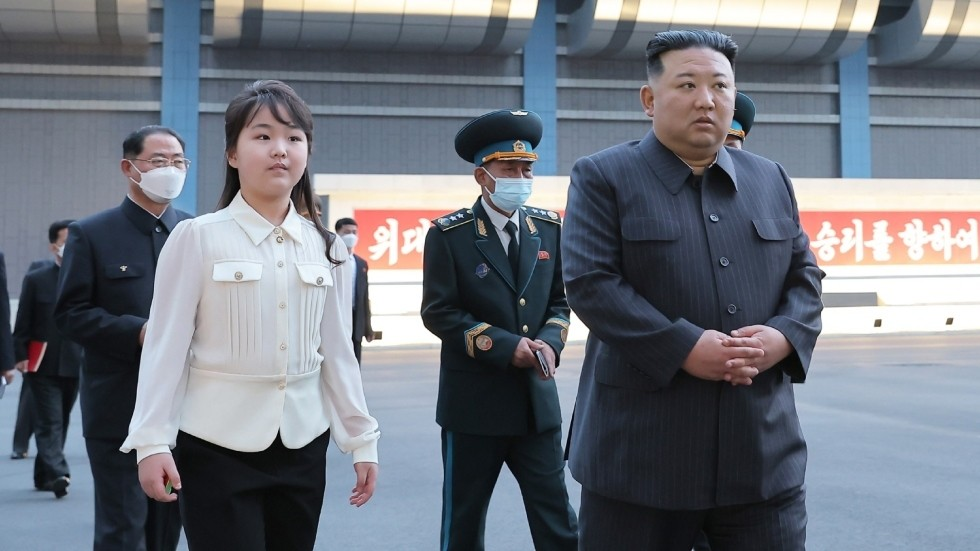
In an effort to curb undocumented migration, China has intensified its border surveillance and introduced strict quotas for identifying and deporting undocumented migrants, focusing primarily on its northeast border with North Korea. New measures include deportation centers, hundreds of facial-recognition cameras, and increased patrols along the 1,400-kilometer border. The crackdown has made it significantly harder for North Korean defectors to evade capture, according to official documents reviewed by Reuters and testimonies from defectors and activists.

Since the COVID-19 pandemic, Chinese authorities have expanded efforts to collect the biometric data of North Koreans living in China, including fingerprints, voice data, and facial scans. This data collection, along with closer monitoring of social media accounts, has intensified in 2023, creating a ‘fishing net’ effect for defectors. Missionary Stephen Kim, who works with defectors, noted that over 90% of the North Koreans currently in China have already registered their personal and biometric data with police.

The increased surveillance appears to be driven by Beijing’s desire to prevent an influx of North Korean defectors that could destabilize both North Korea and its own northeastern region. Roberta Cohen, a human rights expert, explained that China fears mass defections could lead to North Korea’s collapse and reunification under South Korea, potentially increasing U.S. influence in the region. Chinese authorities, however, maintain that they are simply enforcing laws related to illegal immigration and deny the existence of North Korean defectors, labeling them as economic migrants.

China’s new tactics have been particularly effective in Jilin and Liaoning provinces, which border North Korea. In 2024, the Jilin border police’s budget increased to include significant spending on patrol boats, surveillance technology, and deportation infrastructure. Quotas now require each of the 18 border stations to process at least 10 undocumented migrants per month and maintain a deportation success rate of 95%.

These heightened measures have already led to increased deportations. Rights groups estimate that 70% of defectors who attempted to reach South Korea in the past two years have been apprehended, a significant rise from previous years. South Korean authorities have expressed concern over the repatriation of defectors, many of whom face severe punishment or death upon their return to North Korea.

China’s strategic interest in maintaining control over North Korean defectors extends beyond immediate concerns over migration. The control over defectors provides Beijing with diplomatic leverage over Pyongyang, which relies heavily on China for economic and political support. By managing the flow of defectors, China can potentially extract concessions from North Korea while maintaining regional stability.

Despite the severe risks, some defectors have managed to escape China. Shin Ju-ye, a North Korean who fled during the 1990s, described how biometric surveillance during the pandemic trapped many of her fellow defectors. Shin herself avoided registering her details and eventually escaped to South Korea after a perilous journey through Vietnam, Laos, and Thailand. Her story highlights the increasing desperation of those trapped under China’s expanding surveillance system.

Lebanon Appeals to U.S. Amid Rising Israel-Hezbollah Conflict

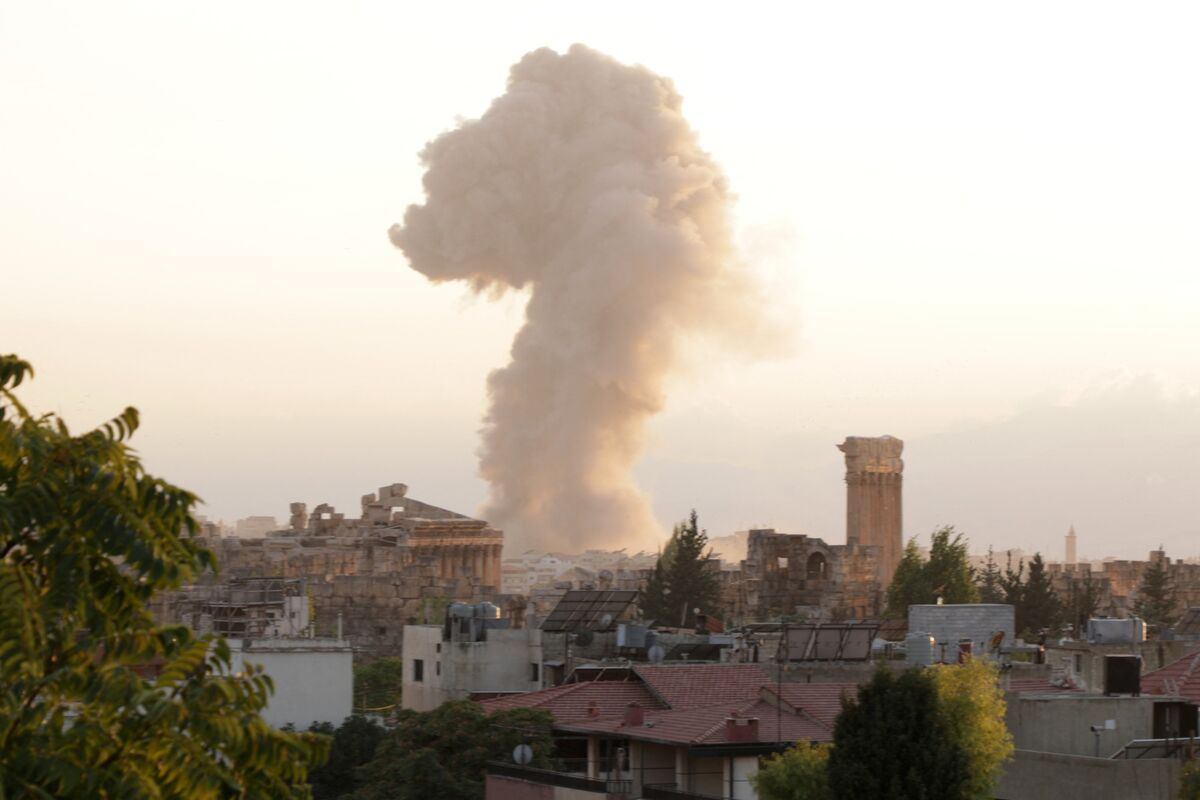
Amid escalating cross-border strikes between Israel and Hezbollah, Lebanon has called on the United States to intervene and stop the fighting, warning that the situation could spiral into full-scale war. On Tuesday, an Israeli airstrike in Beirut killed Hezbollah commander Ibrahim Qubaisi, heightening tensions and sparking fears of regional destabilization. Qubaisi, a key figure in Hezbollah’s missile and rocket force, was targeted amid an ongoing Israeli offensive that has killed over 569 people, including 50 children, and injured 1,835 in Lebanon, according to the Lebanese Health Minister.

The violence follows nearly a year of conflict between Israel and Hamas in Gaza, with fears growing that Hezbollah, an ally of Hamas, could further draw Lebanon into the conflict. The U.N. Security Council is set to meet on Wednesday to address the crisis. U.N. Secretary General Antonio Guterres warned that Lebanon was “at the brink,” stressing that a conflict in Lebanon could have catastrophic consequences similar to Gaza.

U.S. President Joe Biden, speaking at the U.N. General Assembly, called for restraint, noting that “full-scale war is not in anyone’s interest.” However, Lebanese Foreign Minister Abdallah Bou Habib criticized Biden’s remarks, urging stronger U.S. intervention and highlighting that Washington is key to halting the violence due to its close alliance with Israel.

Meanwhile, the humanitarian crisis in Lebanon is worsening. Displaced civilians from southern Lebanon are taking refuge in schools and shelters across Beirut. At a shelter in Bir Hassan, volunteers provided basic supplies for displaced families. Amid the growing toll, half a million people have been displaced, with many civilians struggling under extreme conditions.

Hezbollah and Israel continue to trade strikes. Israeli Defense Minister Yoav Gallant stated that Hezbollah had suffered significant losses, while Hezbollah claimed responsibility for attacks on Israeli military bases and launched drones at Israel’s Atlit naval base. The conflict shows no sign of abating, with diplomatic efforts from the U.S., Qatar, and Egypt failing to secure a ceasefire.

As international pressure mounts, Iranian President Masoud Pezeshkian called for a permanent ceasefire in Gaza and an end to what he described as Israeli “barbarism” in Lebanon. Israel, for its part, continues its air campaign, targeting Hezbollah and other Iranian-aligned groups in Syria. The situation remains volatile, with concerns that continued fighting could engulf the region in broader conflict.