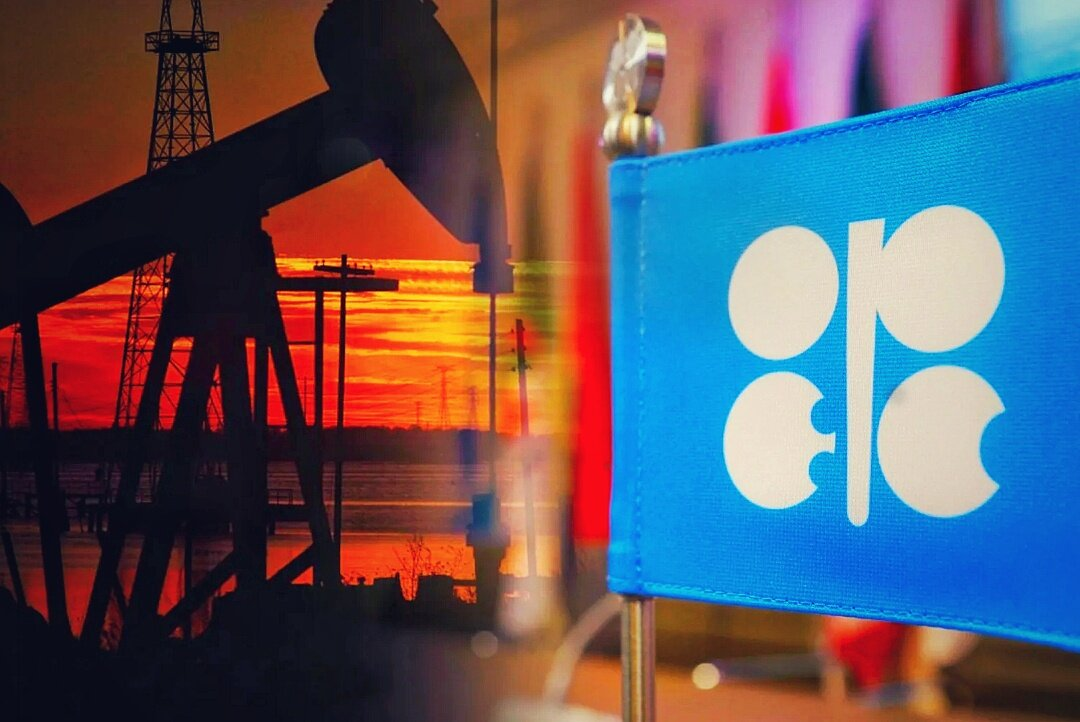
OPEC Bullish on Long-Term Oil Demand Growth, But Many Analysts Disagree

While global consumers benefit from falling oil prices — with Brent crude dipping below $70 per barrel in early September — OPEC+ faces serious challenges. The oil producer alliance, led by Saudi Arabia, delayed production hikes for an additional two months in an attempt to stabilize prices. However, with low demand forecasts and rising supplies from non-OPEC countries, crude prices remain subdued.

This situation has prompted some market observers to ask if the world has reached “peak oil.” Is oil demand growth now on a long-term decline?

OPEC’s latest World Oil Outlook 2024 report dismisses this notion, projecting strong global energy demand growth of 24% by 2050. It forecasts medium-term oil demand to rise to 112.3 million barrels per day by 2029, a 10.1 million barrel increase from 2023. In contrast, the International Energy Agency (IEA) anticipates oil demand to level off at around 106 million barrels per day by the end of the decade, peaking by then.

The divergence in forecasts between OPEC and the IEA has drawn attention, particularly as the latter advocates for a net-zero emissions future. S&P Global Commodity Insights offers a middle ground, projecting peak demand at 109 million barrels per day in 2034, with a gradual decline to below 100 million barrels per day by 2050.

Despite these differing long-term projections, analysts agree that oil demand will decline in developed economies while rising in emerging markets, especially India.

For the near-to-medium term, analysts remain bearish on oil demand and prices, even after OPEC+ announced extended production cuts into December. Dave Ernsberger from S&P Global Commodity Insights commented that the two-month extension has done little to convince market skeptics of a price rebound.

The key issue, Ernsberger argues, is the transition to a “post-demand growth” era. While oil will remain essential, growth in demand is expected to plateau, driven in part by the rise of alternative energy sources like biofuels in the maritime industry.

External factors, particularly in China, are also posing challenges. As the world’s largest oil importer, China’s shift toward electrification and renewable energy is dampening long-term oil demand prospects. Li-Chen Sim, a non-resident scholar at the Middle East Institute, highlights China’s efforts to reduce its dependence on oil through electric vehicle adoption and renewable energy expansion. Despite China’s slowing economic growth of 3% to 5% annually, the country is structurally reducing oil consumption as part of its energy policy transformation.

In the near term, OPEC+ is expected to restore some production by December. However, internal issues such as some member countries exceeding their quotas, and external factors like increasing production from non-OPEC+ countries (e.g., the U.S., Brazil, and Canada), are keeping prices suppressed.

Looking ahead, many analysts believe that the decline of the oil era, if it happens, will be driven by shifting demand rather than supply shortages. As Sheikh Ahmed Zaki Yamani, a former Saudi oil minister, famously said in 2000, “The Stone Age came to an end not for a lack of stones, and the Oil Age will end, but not for a lack of oil.”
Asia-Pacific Markets Mostly Rise as Investors Weigh China Stimulus Measures

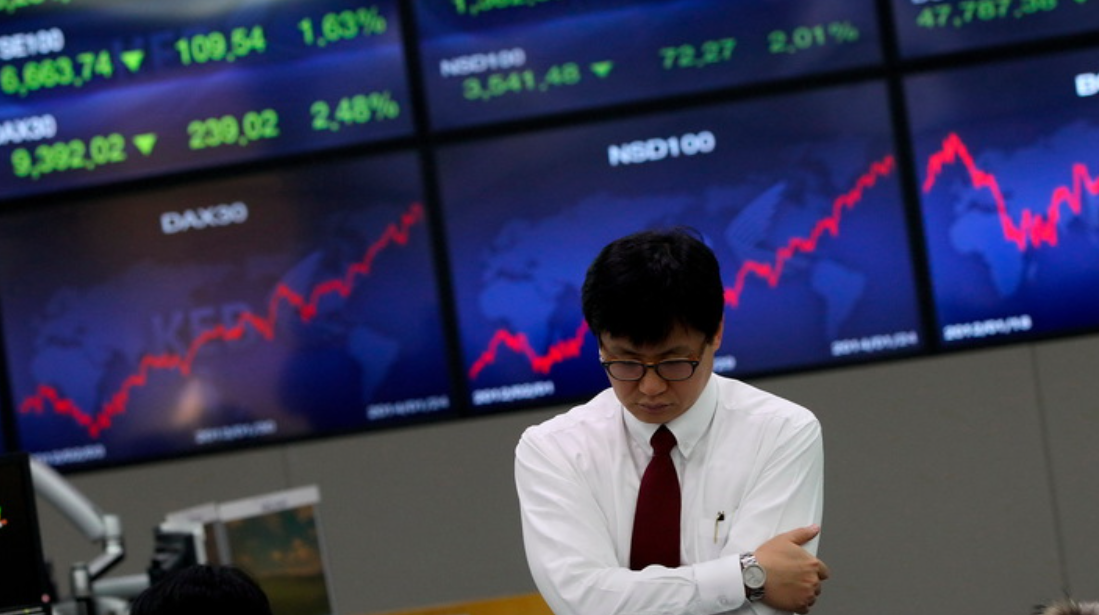
Asia-Pacific markets saw mixed performances on Wednesday, with Hong Kong’s Hang Seng Index extending its gains by 2.2%, driven by investor enthusiasm for China’s newly announced stimulus measures. The Hang Seng rally was supported by strong performances in the energy and basic materials sectors, with the Hang Seng Mainland Properties Index rising 3.6%.

Chinese markets have been reacting positively to the People’s Bank of China’s (PBOC) recent economic support measures. On Tuesday, the Hang Seng Index experienced its best day in seven months, while mainland China’s CSI 300 Index saw its largest one-day gain in over four years. By Wednesday, the CSI 300 continued its upward trend, rising by 1.73%.

The PBOC announced another rate cut, reducing the medium-term lending facility (MLF) rate from 2.3% to 2%. This marked the second rate cut in three months, following a previous reduction from 2.5% to 2.3% in July. In response, the offshore yuan briefly strengthened to 6.995 against the U.S. dollar, breaking the 7.00 level for the first time since May 2023.

Investors are also closely monitoring Australia’s inflation data. The country’s consumer price index rose by 2.7% year-on-year in August, in line with economists’ expectations, and easing from July’s 3.5% increase. Australia’s S&P/ASX 200 Index edged up slightly, recovering from two days of losses.

Elsewhere in the region, Japan’s Nikkei 225 rose 0.32%, while the broader Topix Index gained 0.11%, reversing earlier losses. South Korea’s Kospi was up 0.4%, with the Kosdaq rising 0.43%. South Korea also unveiled its new “Korea Value Up Index,” set to start trading next week. The index will feature 100 companies, with IT and industrial stocks making up over 40%.

In the U.S., markets also had a positive day on Tuesday. The S&P 500 gained 0.25%, closing at a record 5,732.93, while the Dow Jones Industrial Average rose 0.2%, reaching a new high of 42,208.22. The Nasdaq Composite added 0.56%, with Nvidia leading the charge, climbing nearly 4%. This came after a regulatory filing indicated that Nvidia CEO Jensen Huang had concluded his recent stock sales.

Chinese Yuan Reaches 16-Month High Against US Dollar Amid PBOC Stimulus Measures

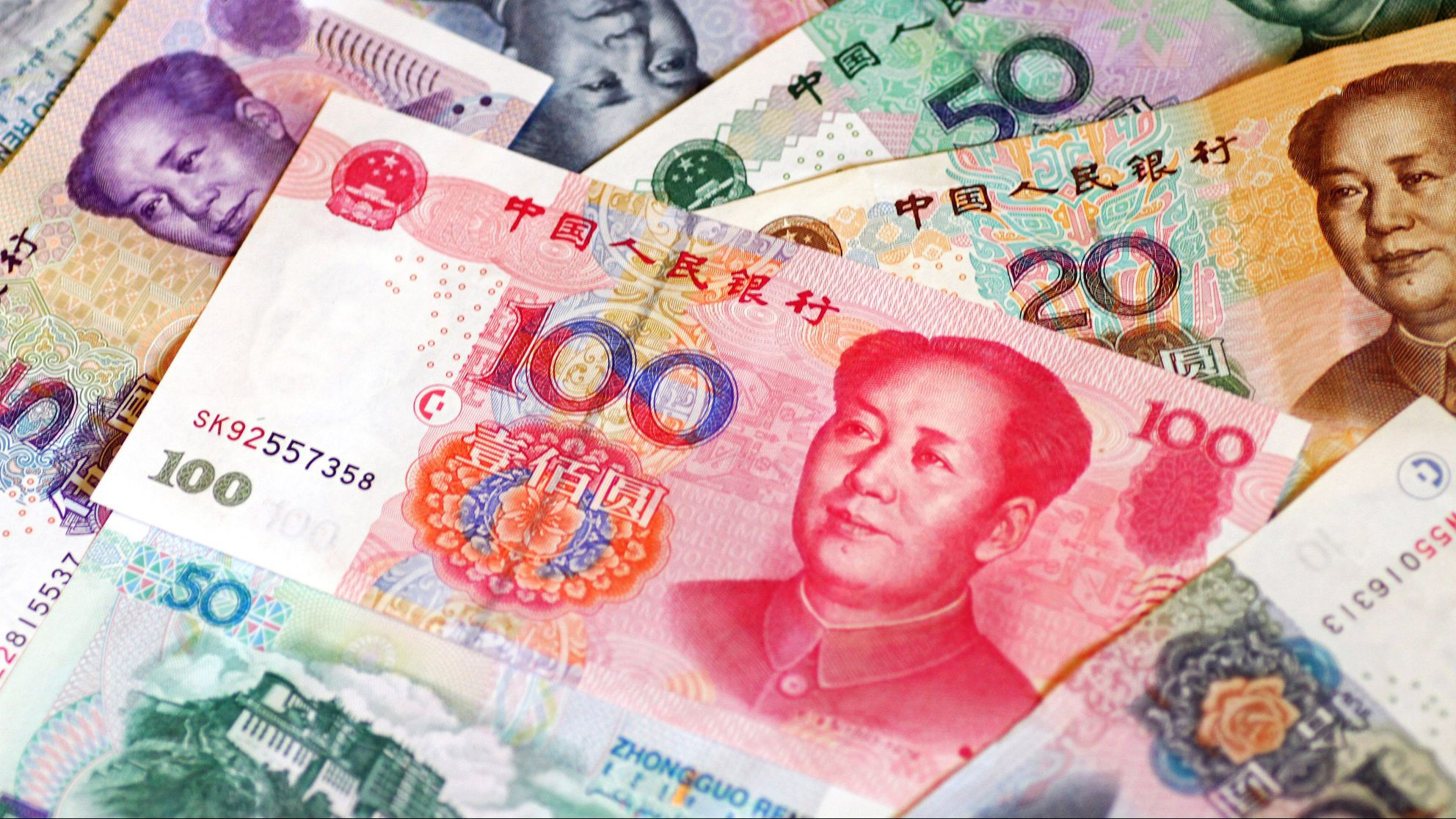
China’s yuan surged to its highest level in over 16 months on Wednesday, boosted by a series of stimulus measures introduced by the People’s Bank of China (PBOC) to bolster the slowing economy. The offshore yuan briefly appreciated to 6.9946 per dollar, a level not seen since May 2023. Similarly, the onshore yuan traded at 7.0319 against the greenback, marking its strongest performance since last May.

While the yuan’s rise is seen as a positive outcome of the PBOC’s policies, analysts caution that a stronger currency could hurt China’s export sector. Wei Liang Chang, FX and credit strategist at DBS, warned that policymakers must be careful not to allow the renminbi’s appreciation to weigh on the fragile economy. “Weak growth and low inflation in China should put pressure on the RMB going forward,” noted Edmund Goh, head of China fixed income at abrdn.

Ben Emons, founder of Fed Watch Advisors, added that rapid yuan strengthening could add deflationary pressure to China’s exports, which are already under strain. Unlike the U.S. dollar or Japanese yen, the Chinese yuan operates within a controlled exchange rate system. Onshore yuan trades within a 2% range around the midpoint set by the PBOC, while offshore yuan—traded mainly in Hong Kong, Singapore, and New York—faces fewer restrictions, allowing for greater market influence.

Despite the upward momentum, some experts expect the offshore yuan (USDCNH) to dip below 7.0 in the coming months. Zerlina Zeng, head of Asia Credit Strategy at CreditSights, predicts that China’s pro-growth stance and potential easing from the Federal Reserve could lead to further yuan appreciation.

Tuesday’s announcement by the PBOC included key moves such as cutting the reserve requirement ratio (RRR) by 50 basis points and lowering the 7-day repo rate by 0.2 percentage points. PBOC Governor Pan Gongsheng described these actions as necessary to alleviate the “clogged” monetary transmission channel, hindered by the property sector’s drag on bank balance sheets and a resulting “crisis” in consumer confidence.

Following the central bank’s stimulus, China’s bond market saw increased demand, with 10-year and 30-year bond yields hitting record lows. Stronger bond demand generally strengthens a country’s currency, and Chinese bonds rallied accordingly. Yields on 10-year bonds rose by 5 basis points to 2.074%, while 30-year bond yields reached 2.182%.

Chinese equities also responded favorably. The Hang Seng Index in Hong Kong posted its best performance in seven months, while the CSI 300 Index on the mainland saw its largest one-day gain in over four years.