
Coca-Cola to Discontinue ‘Spiced’ Flavor Just Six Months After Launch

Coca-Cola is discontinuing its new Spiced flavor just six months after its debut, marking an abrupt end to the company’s latest attempt to engage younger drinkers. Despite promoting Spiced as a permanent addition to its lineup, the beverage failed to gain traction. Coca-Cola cited its strategy of continually assessing customer preferences, stating that Spiced will be phased out to make way for a new flavor in 2025.

The specific reasons for discontinuing Spiced were not provided, but poor awareness and consumer confusion—many mistook it for a spicy drink—likely played a role in its underwhelming performance. Introduced in February, Spiced blended traditional Coca-Cola with raspberry notes and was part of a broader effort to cater to Gen-Z’s craving for bold, complex flavors. However, Spiced may have been overshadowed by the company’s experimental Creations line, which features limited-time offerings like “Dreamworld” and “Starlight” flavored Cokes.

While Spiced was intended to be a permanent offering, its failure highlights the challenges of appealing to modern consumers who are increasingly opting for healthier alternatives, such as sparkling water and hydration drinks. Coca-Cola has responded to these shifts by expanding its Topo Chico water and BodyArmor hydration brands.

In addition to discontinuing Spiced, Coca-Cola confirmed it is ending production of other flavors, including Cherry Vanilla and Diet Coke with Splenda, as part of its broader effort to streamline its beverage portfolio. This follows the company’s decision to phase out over 200 drinks in recent years, including longtime favorites like Tab and Odwalla. The company’s focus is now shifting towards healthier beverage options as consumer preferences continue to evolve.
 

Canadian Michael Kovrig Describes ‘Psychological’ Torture During 1,000 Days of Chinese Detention

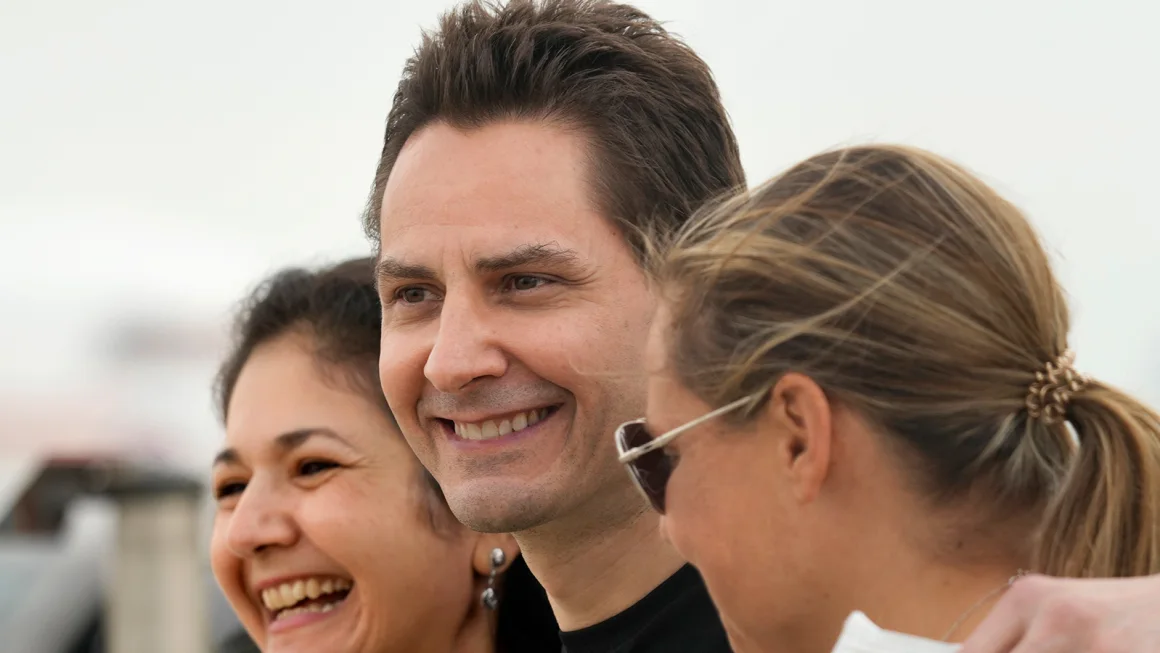
Michael Kovrig, one of two Canadian men detained in China for more than 1,000 days on espionage charges, has opened up about the harrowing psychological torture he endured while in captivity. Kovrig, a former diplomat, spent six months in solitary confinement under relentless interrogation, which he described as the most grueling experience of his life.

Kovrig and fellow Canadian Michael Spavor were arrested in 2018, at the height of a diplomatic dispute between Beijing and Ottawa. Their detention came shortly after Canadian authorities arrested Meng Wanzhou, Huawei’s CFO, in Vancouver on U.S. fraud charges. Beijing has consistently denied that the arrests of the two Canadians were linked to Meng’s case.

Kovrig recalled the day of his arrest, describing how Chinese authorities seized him as he walked home with his pregnant partner. He was blindfolded, handcuffed, and taken to a padded cell, where he was held in isolation under constant fluorescent lights for six months. His days were marked by hours of interrogation, limited food, and a concerted effort by his captors to break his spirit.

“It was psychologically, absolutely, the most grueling, painful thing I’ve ever been through,” Kovrig told. During his captivity, he was subjected to up to nine hours of daily interrogation and was frequently locked in a chair for extended periods.

Despite the torment, Kovrig endured, and he was eventually released in September 2021 after nearly three years in detention, following a diplomatic agreement between the U.S., Canada, and China. Upon his return to Canada, Kovrig was reunited with his family, including his daughter, who was born while he was in prison. He described the moment as “the most fantastic, heartwarming feeling you can imagine.”

Chinese authorities maintain that Kovrig was involved in illegal activities and have rejected accusations of mistreatment. Kovrig’s account, however, sheds light on the psychological tactics used during his prolonged detention.

Thailand’s King Signs Historic Same-Sex Marriage Bill into Law

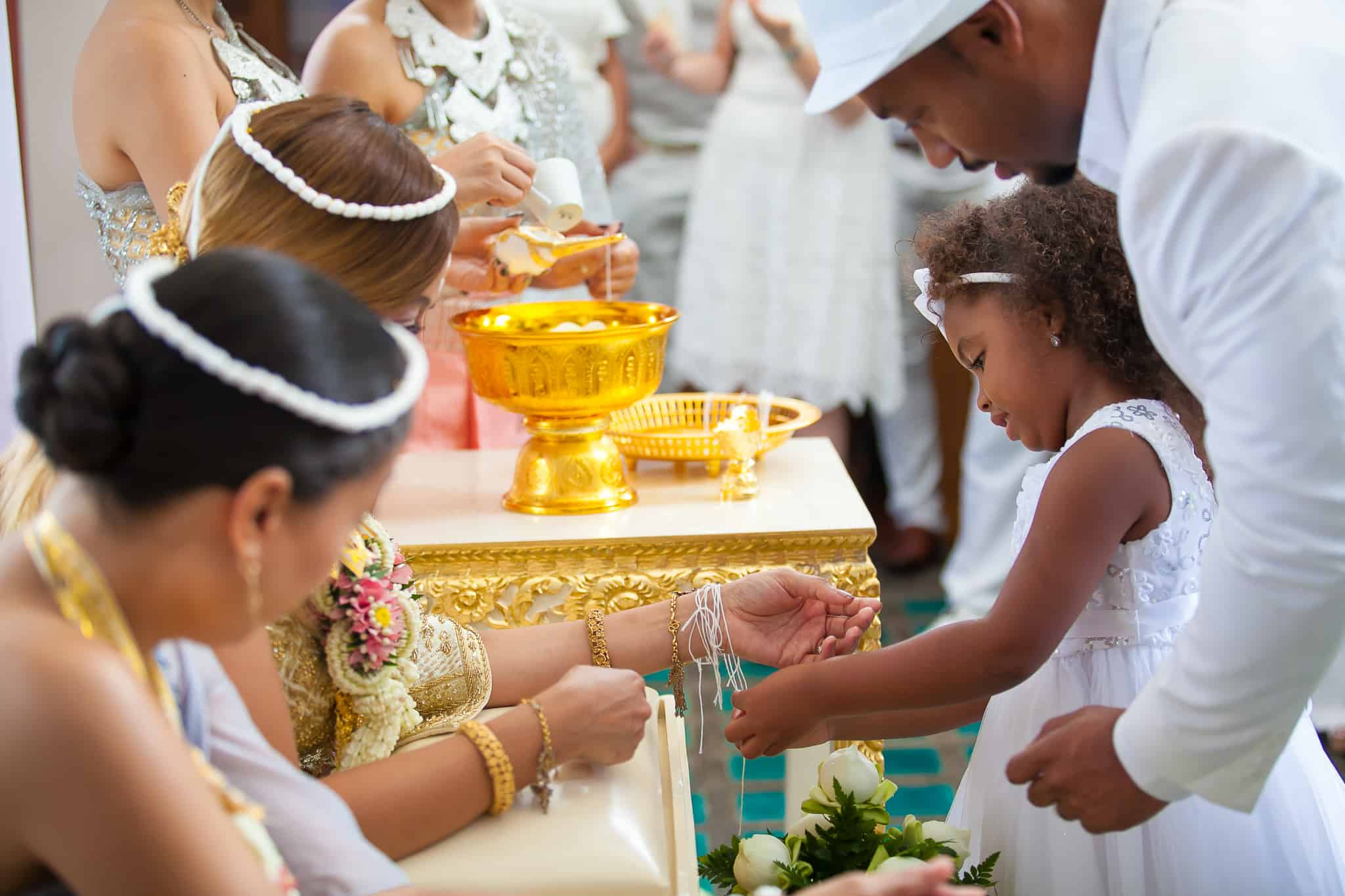
Thailand has officially legalized same-sex marriage, becoming the third nation in Asia to do so after Taiwan and Nepal. On Tuesday, the landmark marriage equality bill was signed into law by King Maha Vajiralongkorn and published in the Royal Gazette. The law will take effect in 120 days, allowing LGBTQ+ couples to register their marriages starting in January next year.

This groundbreaking legislation grants full legal, financial, and medical rights to same-sex couples, offering the same protections and benefits as heterosexual marriages. The bill passed both the House of Representatives and the Senate with little opposition in April and June, respectively.

“Congratulations to everyone’s love,” Prime Minister Paetongtarn Shinawatra celebrated on X, adding the hashtag #LoveWins.

Although Thailand is known for its general acceptance and inclusivity, efforts to pass a marriage equality law had been met with resistance for decades. Conservative values are deeply rooted in Thai society, and the LGBTQ+ community still faces discrimination in various aspects of daily life. Additionally, the country’s government and state agencies, historically conservative, were slow to accept changes in gender equality.

However, this year marks a turning point, as the government, led by the Pheu Thai party, prioritized marriage equality. The new law amends Thailand’s Civil and Commercial Code, replacing gender-specific language like “men and women” with more inclusive terms such as “individual.”

Bangkok Deputy Governor Sanon Wangsrangboon announced that city officials are preparing to register same-sex marriages immediately after the law takes effect. Bangkok Pride organizers also plan to hold a wedding event on the first day the law is enacted, giving couples the chance to officially register their marriages.

The passage of this bill coincides with broader efforts to embrace LGBTQ+ rights, highlighted by Thailand’s vibrant annual Pride parade in June, where thousands celebrated in the heart of Bangkok.