
Why Japan’s Workaholics May Not Embrace a Four-Day Workweek

Japan has been promoting the adoption of a four-day workweek, but its deep-rooted work culture poses significant challenges to this initiative. The government has been pushing for a “work style reform” campaign, aiming to promote flexible work schedules and limit overtime hours. Despite these efforts, only 8% of companies in Japan allow employees to take three or more days off per week, according to the Ministry of Health, Labor, and Welfare.

Cultural and social pressures play a major role in Japan’s work ethic. Tim Craig, a professor and expert on Japanese culture, explained that many Japanese see work as a positive aspect of life and feel social pressure to work longer hours. Colleagues who leave early may face judgment, and others may be forced to pick up the slack, making early departures socially awkward. This sense of loyalty and community within the workplace fosters longer, though not necessarily efficient, working hours.

The impact of Japan’s work culture on health has been widely documented, with the health ministry reporting an increase in cases of karoshi—death from overwork. In 2022, 2,968 people died from overwork-related suicide, up from 1,935 in 2021. Reports also highlighted that 10.1% of men and 4.2% of women work over 60 hours a week, with the phenomenon not being exclusive to Japan.

Despite the slow progress, some companies like Microsoft Japan and Panasonic have introduced a four-day workweek. However, adoption remains low, with only about 150 of Panasonic’s 63,000 eligible employees opting in. Experts, such as Hiroshi Ono from Hitotsubashi University, believe the change will take time, as Japanese workers and traditional companies are not accustomed to flexible work arrangements.

SMBC, a major brokerage firm, introduced the four-day workweek in 2020 but limited its availability to employees aged 40 and above, primarily for family care or career development. The option is also restricted to those in their fourth year of employment, reflecting the cautious approach many companies are taking toward the initiative.

While adoption rates remain slim, the government’s efforts to push work-life balance are making headway. Companies are now more aware of the health risks associated with overwork, and policies limiting excessive overtime have been more strictly enforced. Though slow, the shift toward flexible work schedules could eventually bring about broader change in Japan’s work culture.

 

India Rules Out Joining RCEP, Cites Concerns Over China’s Trade Practices

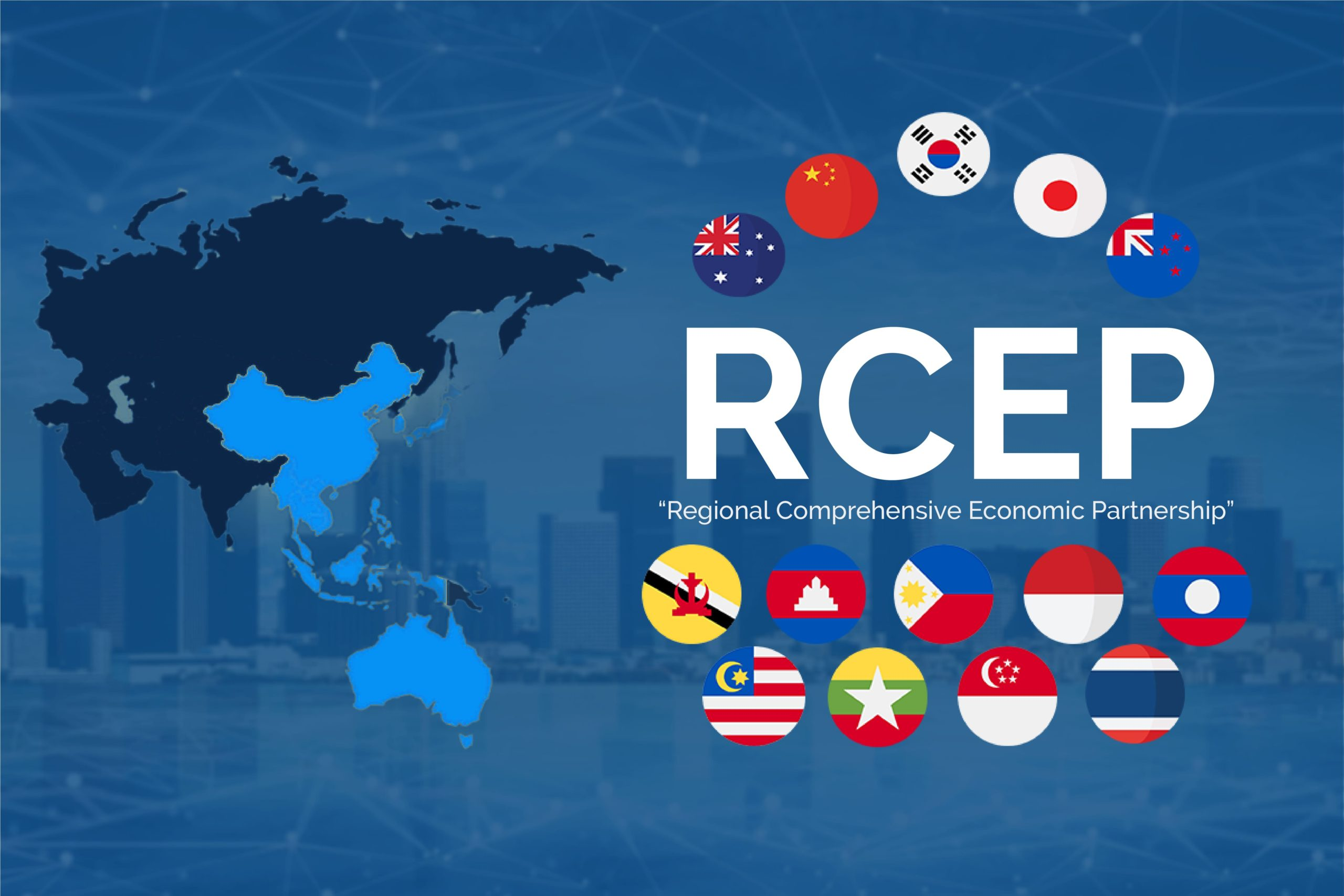
India’s Minister of Commerce and Industry, Piyush Goyal, has ruled out the country joining the Regional Comprehensive Economic Partnership (RCEP), the world’s largest trade deal, citing concerns over China’s trade practices. In an interview with CNBC, Goyal emphasized that it is not in India’s best interest to engage in a free trade agreement with China, which he described as a “non-transparent economy” with “very opaque” trade policies.

RCEP, which includes 15 Asia-Pacific nations, was signed in 2020 and came into force in 2022. India initially participated in the negotiations but withdrew in 2019 due to unresolved “core interest” issues. Goyal explained that the trade deal did not serve the interests of India’s farmers and small industries and was essentially a free trade agreement with China. He also accused China of exploiting World Trade Organization policies to flood markets with cheap goods, often of substandard quality.

China has been exporting large quantities of goods, from solar panels to steel, as its economy has slowed, leading to a surge of cheap exports in global markets. Goyal argued that India cannot compete against such non-transparent practices, which differ fundamentally from those of democratic nations.

India’s Semiconductor Ambitions
In addition to discussing trade, Goyal outlined India’s ambitions to become a hub for semiconductor manufacturing, positioning itself as a “Taiwan Plus One” country. India aims to capitalize on the growing demand for semiconductors, projected to reach $100 billion by 2030, by attracting foreign investment and building a robust ecosystem for chip manufacturing.

Prime Minister Narendra Modi has already inaugurated three semiconductor plants, and India has plans to expand its semiconductor industry further. Goyal highlighted India’s advantages, including its large population, democratic governance, and adherence to the rule of law, making it an attractive alternative for companies looking to diversify away from Taiwan.

India’s strategy involves forming partnerships with major semiconductor-producing nations like the U.S. and offering incentives, such as a $10 billion program for foreign companies willing to invest in the country. Goyal believes India’s size, youthful population, and stable legal framework make it a “compulsive case” for investment, as businesses seek to reduce their reliance on any single region for chip production.

Calls for China to Stimulate Growth Intensify Amid Economic Challenges

Economists are increasingly advocating for China to implement stimulus measures to boost its economic growth, with calls coming from within the country. Liu Shijin, a former deputy head of China’s Development Research Center, has proposed that China issue at least 10 trillion yuan ($1.42 trillion) in ultra-long government bonds over the next year or two to invest in human capital. In a presentation at Renmin University’s China Macroeconomy Forum, Liu emphasized that China should avoid copying the stimulus strategies of developed nations, such as cutting interest rates, as it has not yet reached that level of economic deceleration.

China’s recovery following the COVID-19 pandemic has been slower than expected, with ongoing challenges such as a real estate slump and low consumer confidence. Manufacturing growth has also decelerated, and major financial institutions like Goldman Sachs have lowered their 2024 growth forecasts for China. Goldman Sachs cut its growth estimate to 4.7%, citing weaker-than-expected data and the delayed impact of fiscal policies.

Despite Beijing’s efforts to address economic concerns, such as targeted subsidies for consumer goods, the effects have been limited. Retail sales in August saw minimal growth, rising only 2.1% year-on-year, one of the slowest rates since the post-pandemic recovery. Meanwhile, the ongoing real estate slump, which once accounted for over a quarter of the Chinese economy, remains a significant drag on growth.

Economist Xu Gao of Bank of China International highlighted the real estate market as a key issue, pointing out that consumer demand exists, but concerns over property developers failing to complete pre-sold units have deterred homebuyers. Xu urged the government to take more robust measures, including bailing out property owners, to stabilize the housing market.

While China’s leadership has prioritized advanced manufacturing and technological development in the face of U.S. restrictions, experts argue that the country needs to focus on fiscal reforms to address immediate economic challenges. Former People’s Bank of China governor Yi Gang recently called for proactive fiscal policy to combat deflationary pressure. However, Yi’s influence on current economic policy is limited, as noted by Gabriel Wildau, managing director at consulting firm Teneo.

China’s economic data from the first half of 2024 showed 5% growth, but local governments are facing fiscal constraints, limiting the effectiveness of infrastructure investment. Ting Lu, Nomura’s Chief China Economist, warned of potential secondary shocks to the economy, suggesting that fiscal policies and reforms should take precedence over monetary policies. Lu also advocated for direct government intervention to stabilize the property market and support local governments struggling under tight financial conditions.

Despite these challenges, some officials remain optimistic. Former vice finance minister Zhu Guangyao expressed confidence that China could achieve its 2024 growth target of around 5%, with long-term GDP growth projected to remain between 4% and 5% annually over the next decade.