UN Adopts ‘Pact for the Future’ to Strengthen Global Cooperation

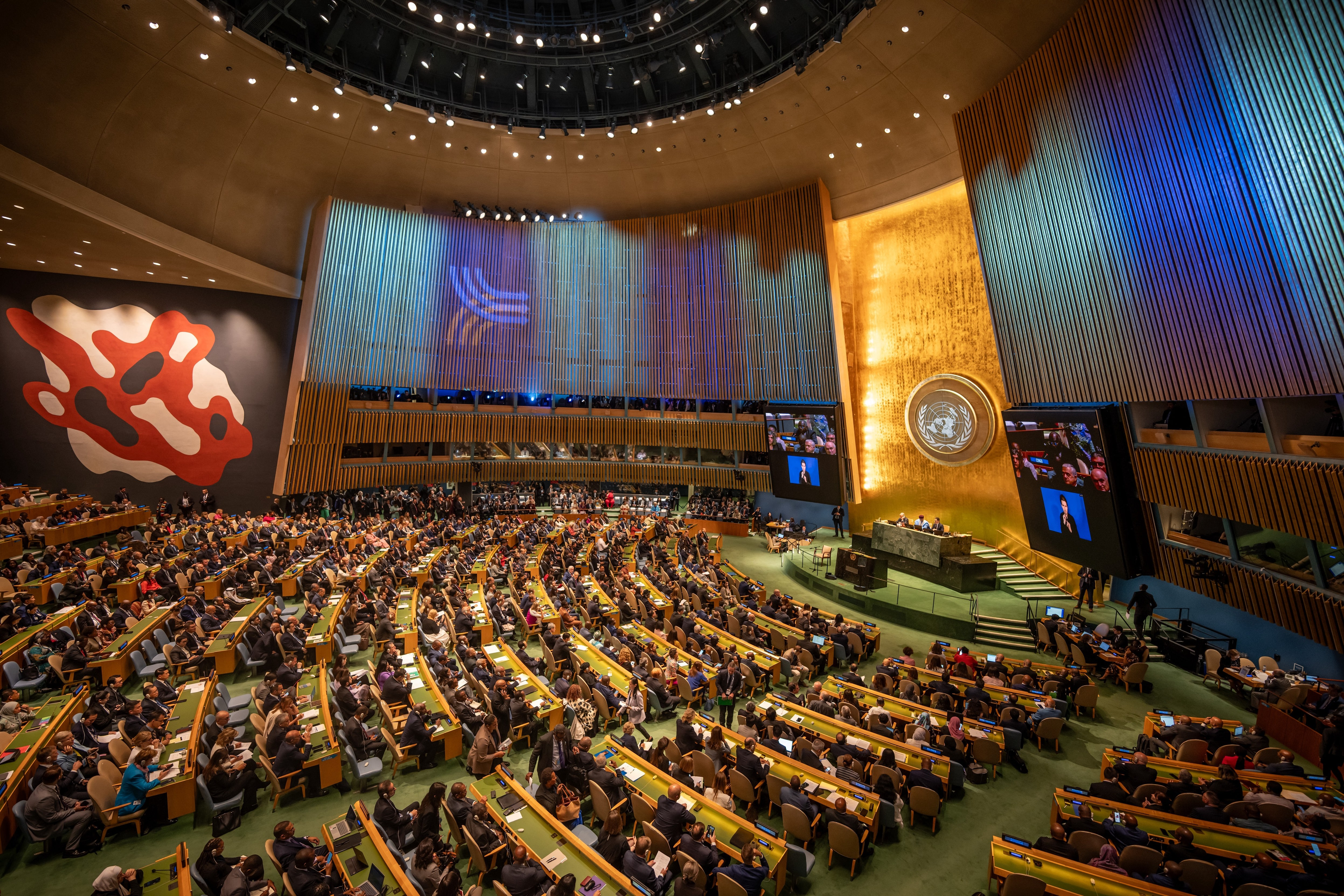
The United Nations General Assembly adopted a historic “Pact for the Future” on Sunday, marking a significant milestone toward enhanced global cooperation. U.N. Secretary-General Antonio Guterres hailed the agreement as a “step-change towards more effective, inclusive, networked multilateralism,” aimed at addressing the world’s most pressing challenges. The pact, adopted without a vote at the start of the two-day Summit of the Future, is the result of nine months of intense negotiations.

Guterres emphasized the urgency of the pact, stating, “We are here to bring multilateralism back from the brink.” He has long advocated for the summit and the agreement, which encompasses key themes such as peace and security, global governance, climate change, digital cooperation, human rights, gender equality, youth, and future generations. The pact includes 56 broad actions that nations have committed to implementing.

Why is it important?

The “Pact for the Future” is a timely response to mounting global crises that demand stronger multilateralism and U.N. reform. It focuses on reinforcing the multilateral system, with the United Nations and its Charter at its core, ensuring that international institutions remain fit for purpose in a rapidly changing world. The pact also includes a framework for responsible and sustainable digital cooperation, reflecting the increasing importance of technology governance.

Key Quotes from the Pact for the Future:

“We recognize that the multilateral system and its institutions, with the United Nations and its Charter at the centre, must be strengthened to keep pace with a changing world. They must be fit for the present and the future – effective and capable, prepared for the future, just, democratic, equitable and representative of today’s world, inclusive, interconnected and financially stable.

“Today, we pledge a new beginning in multilateralism. The actions in this Pact aim to ensure that the United Nations and other key multilateral institutions can deliver a better future for people and planet, enabling us to fulfil our existing commitments while rising to new and emerging challenges and opportunities.”

Context:

Global challenges such as ongoing wars in Ukraine, Gaza, and Sudan, insufficient climate change mitigation efforts, growing national debt issues, and rapid technological advancements without adequate governance have underscored the need for U.N. reform and a reimagined global cooperation framework.

Despite widespread support for the pact, Russia’s Deputy Foreign Affairs Minister Sergey Vershinin criticized the negotiations and the adoption of the agreement. Russia’s attempt to include an amendment—backed by countries like North Korea, Syria, Nicaragua, Belarus, and Iran—failed. The amendment sought to explicitly state that “the United Nations and its system shall not intervene in matters which are essentially within the domestic jurisdiction of any state.”
Sri Lankans Elect Marxist-Leaning Anura Kumara Dissanayake as President to Tackle Economic Crisis

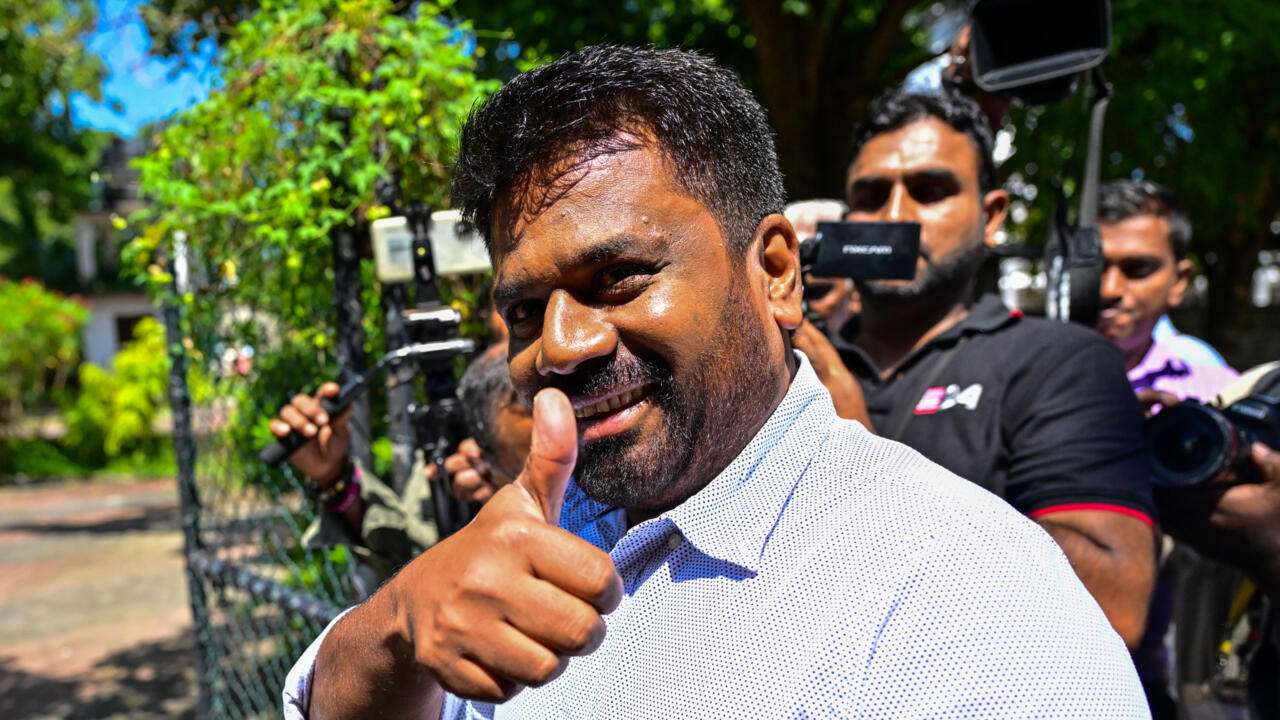
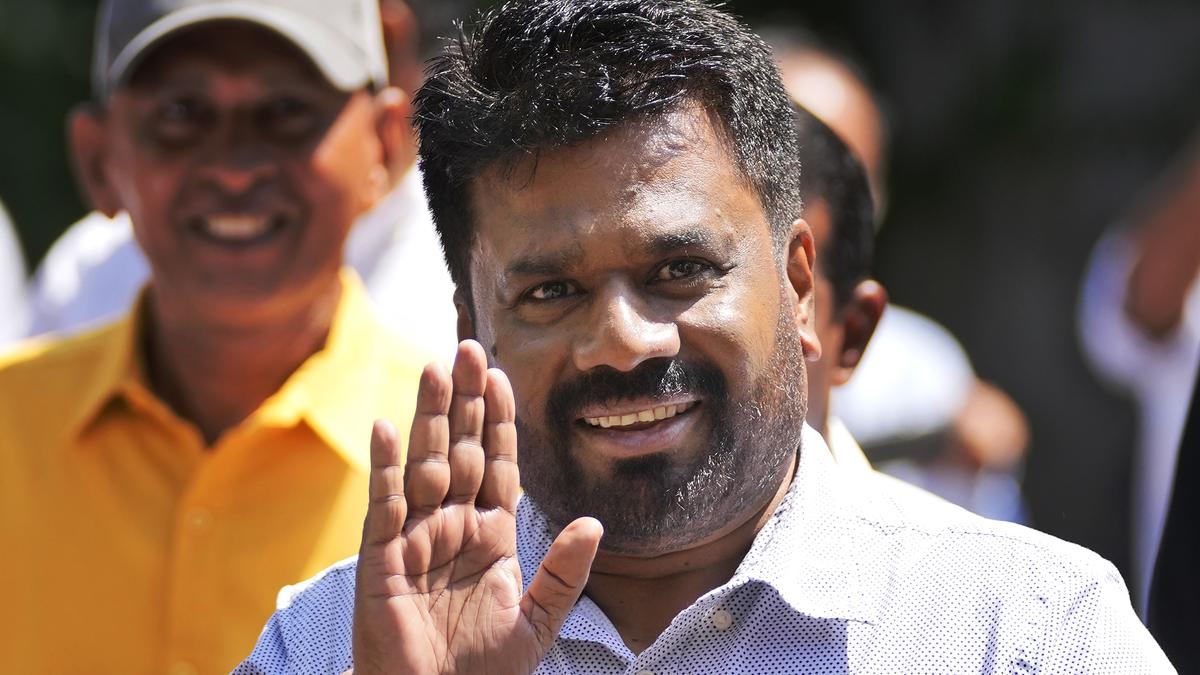
On Sunday, Sri Lankans elected Marxist-leaning politician Anura Kumara Dissanayake as their new president, placing their trust in his pledge to combat corruption and revitalize the economy following the nation’s worst financial crisis in decades. Dissanayake, 55, who lacks the political pedigree of some of his opponents, led throughout the vote count, ousting incumbent President Ranil Wickremesinghe and opposition leader Sajith Premadasa.

“We believe that we can turn this country around, build a stable government, and move forward. For me, this is not just a position; it’s a responsibility,” Dissanayake said after his victory, which was confirmed after a second tally of votes. He garnered 42.3% of the votes, or 5.6 million ballots, a significant surge compared to the 3% he received in the 2019 election. Premadasa finished second with 32.8%, while Wickremesinghe came in third with 17%.

This election was a referendum on Wickremesinghe, who led Sri Lanka through its fragile economic recovery. However, his austerity measures, a cornerstone of the recovery tied to a $2.9 billion International Monetary Fund (IMF) bailout, angered many voters. Wickremesinghe conceded defeat graciously, stating, “Mr. President, here I hand over to you with much love the dear child called Sri Lanka, whom we both love very dearly.”

The election marked the first time in Sri Lanka’s history that a second tally of votes determined the winner, after no candidate secured the mandatory 50% of votes in the first round. Voters cast three preferential votes, and if no candidate wins outright, a second count between the top two candidates decides the outcome. About 75% of Sri Lanka’s 17 million eligible voters participated in the election.

Picture background

The election comes in the wake of a severe economic crisis that left Sri Lanka unable to import essential goods like fuel and medicine in 2022, prompting mass protests and the resignation of then-President Gotabaya Rajapaksa. Dissanayake campaigned as a candidate of change, pledging to dissolve parliament within 45 days and seek a fresh mandate in general elections to implement his policies.

“The election result clearly shows the uprising of 2022 is not over,” said Pradeep Peiris, a political scientist at the University of Colombo. “People have voted in line with aspirations for different political practices and institutions. AKD [as Dissanayake is popularly known] reflects these aspirations, and people have rallied around him.”

Dissanayake’s manifesto, which includes slashing taxes, has concerned some investors, as it could affect the IMF’s fiscal targets and a planned $25 billion debt restructuring. However, he assured voters during his campaign that all changes would be made in consultation with the IMF and that Sri Lanka would remain committed to repaying its debt.

Sri Lanka’s economy has shown signs of recovery, with growth expected this year after three years of contraction, and inflation falling from a peak of 70% to just 0.5%. Despite this, millions of Sri Lankans remain in poverty, and the high cost of living remains a critical issue for many voters. Dissanayake, representing the National People’s Power alliance and his Janatha Vimukthi Peremuna (JVP) party, ran on promises of anti-corruption reforms and increased support for the poor, further boosting his appeal.

His new government must ensure that Sri Lanka stays on track with the IMF program until 2027, to stabilize the economy, attract investors, repay its debts, and lift millions of citizens out of poverty.

“Bad management has been the root cause of this country’s downfall. We strongly believe that if we have a good manager to lead, we can be successful in the future,” said Janak Dias, a 55-year-old real estate businessman.

Kamala Harris Gains Ground Over Donald Trump in Latest Polls

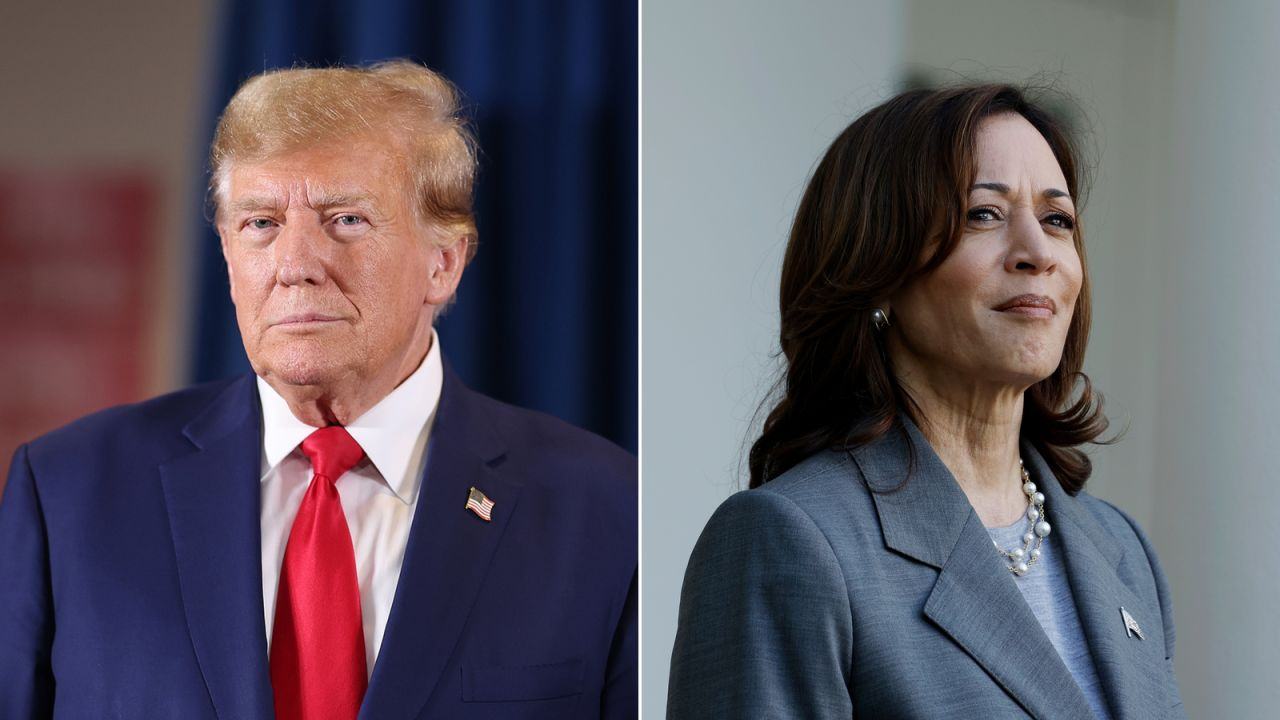
U.S. Vice President Kamala Harris is leading Republican rival Donald Trump by 5 percentage points in an NBC News poll released on Sunday, as voters show increasing favorability toward her since she became the Democratic presidential nominee. According to the survey, 48% of 1,000 registered voters now view Harris positively, compared to 32% in July, marking the largest improvement in politician ratings since President George W. Bush’s favorability surged after the September 11, 2001, attacks.

In contrast, 40% of respondents expressed positive views of Trump, up slightly from 38% in July. The NBC poll, conducted from September 13 to 17, carries a margin of error of 3 percentage points.

A separate CBS News poll also shows Harris leading Trump, though by a narrower margin of 4 percentage points (52% to 48%) among likely voters. The CBS poll, conducted from September 18 to 20, has a margin of error of plus or minus 2 percentage points.

These results align with other recent national polls, including one by Reuters/Ipsos, which indicate a close contest as the November 5 election approaches. However, while national polls offer insight into voter sentiment, the state-by-state Electoral College ultimately decides the presidency, with key battleground states likely playing a decisive role.

Trump, 78, is making his third bid for the White House after losing to Joe Biden in 2020. He continues to falsely claim widespread voter fraud and faces multiple federal and state criminal charges related to his efforts to overturn the 2020 election results. Harris, 59, is a former U.S. senator and prosecutor who currently serves as vice president under Biden. If elected, she would become the first female president in the nation’s history.

According to Amy Walter, publisher and editor-in-chief of the nonpartisan Cook Political Report, Harris has successfully shifted the narrative of the race. “She’s been able to change this from a race that was a referendum on Joe Biden to a race that is a referendum on Donald Trump,” Walter told NBC’s “Meet the Press.”

The CBS poll also found Harris gaining 2 percentage points from a previous 50-50 tie in August, buoyed by her strong performance in the September 10 debate and improving economic conditions.