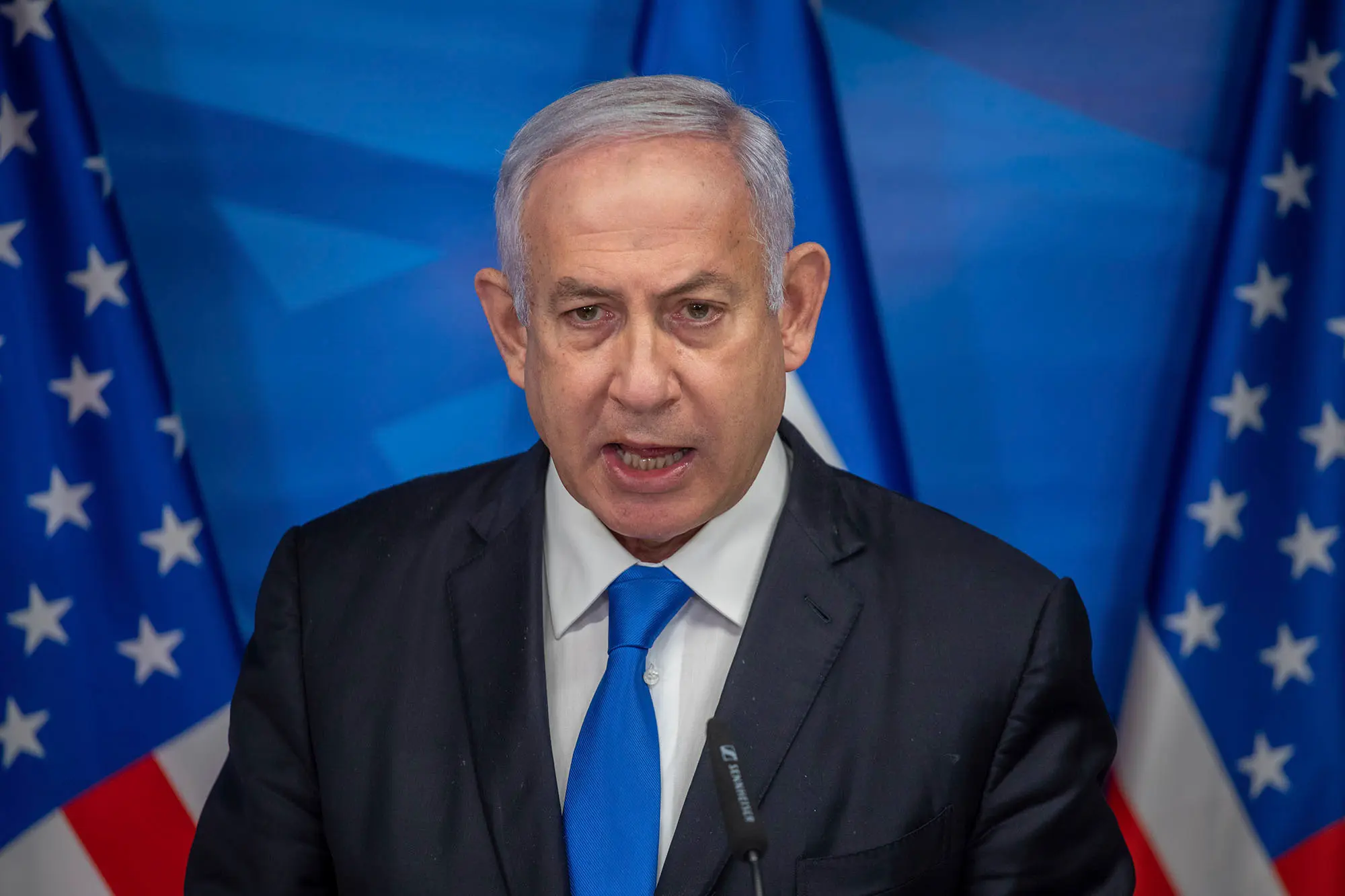
Israeli PM Netanyahu Says Nasrallah’s Death Is Not Enough to End Middle East Conflict

Israeli Prime Minister Benjamin Netanyahu praised the Israeli Defense Forces (IDF) for killing Hezbollah leader Hassan Nasrallah in an airstrike but emphasized that his death alone will not be enough to resolve the ongoing conflict in the Middle East. Speaking on Saturday, Netanyahu acknowledged Israel’s significant achievements against Hezbollah but reiterated the need for further efforts.

“We have some great achievements, but we haven’t completed the task at hand yet,” Netanyahu said. He added that the devastating blows inflicted by the IDF on Hezbollah would not be enough to bring lasting peace.

Nasrallah, who led Hezbollah for over 30 years, was killed in a targeted airstrike on Friday in Beirut, Lebanon. Hezbollah confirmed his death in a statement, honoring him as a “martyr” and acknowledging his role in shaping the group’s powerful military and political presence in the region. The airstrike also claimed the life of Ali Karki, Hezbollah’s commander of the southern front.

The death of Nasrallah is seen as a monumental blow to Hezbollah, a group backed by Iran that has long been a formidable force in the region. Lebanese political analyst Ronnie Chatah commented, “This is, by far, the deepest psychological blow to this organization since its inception. Hezbollah cannot be the same without Hassan Nasrallah.”

U.S. President Joe Biden weighed in on Nasrallah’s death, calling it “a measure of justice for his many victims, including thousands of Americans, Israelis, and Lebanese civilians.” Biden also reiterated his support for Israel while advocating for a ceasefire and further de-escalation of tensions in the region.

Nasrallah’s assassination is expected to have significant political and military consequences, both locally and regionally. Firas Maksad, a senior fellow at the Middle East Institute, remarked that this development would likely lead to further polarization within Lebanon and heighten tensions between Israel and Iran. “Nasrallah’s killing is emblematic of a head-on confrontation between Israel and Iran over the future of Lebanon and the Levant,” he said.

As the conflict continues to unfold, Israel’s leaders are preparing for potential retaliatory actions from Iran, although some analysts believe this could present an opportunity for a ceasefire in Gaza.
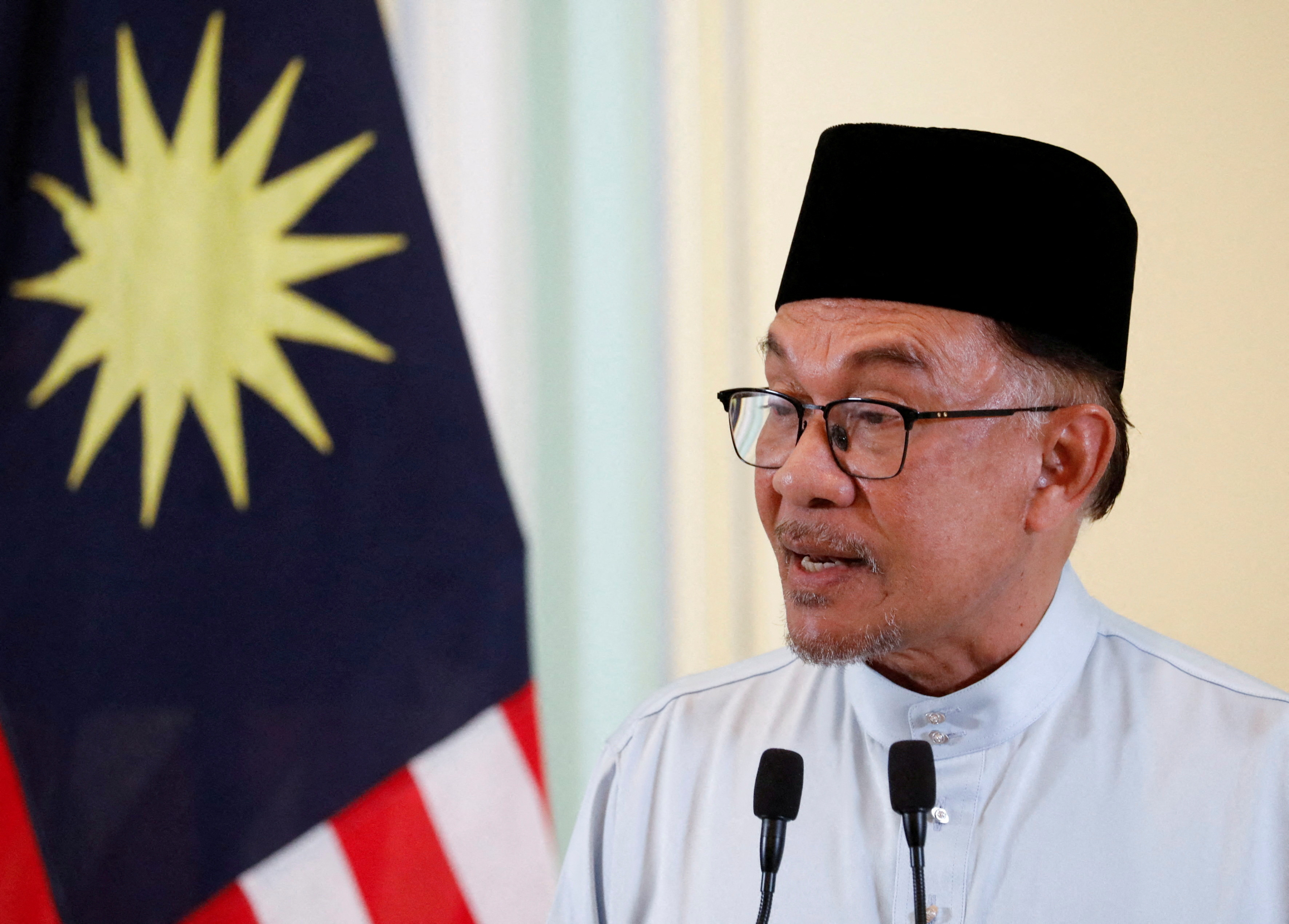
Malaysia’s PM Anwar Ibrahim Intensifies Anti-Corruption Efforts as Country Courts Investment

As Malaysia approaches the second anniversary of Prime Minister Anwar Ibrahim’s leadership, his battle against corruption remains at the forefront of his administration’s agenda. Anwar has been unwavering in his determination to address corruption, viewing it as a major obstacle to securing foreign direct investment (FDI) and boosting investor confidence.

“We have to save the country. To my mind, the major problem is poor governance and endemic corruption,” Anwar stated in an interview JP Ong. He emphasized that transparent processes and a strong commitment to eradicating corruption are essential for instilling confidence among both domestic and foreign investors. “Without that trust [and] confidence, nobody will invest in a big way,” he added.

While acknowledging progress in the fight against corruption, Anwar stressed that the mission is far from over. He described corruption in Malaysia as “almost systemic” and vowed to pursue his anti-corruption campaign with “full force.”

Despite ongoing efforts, Malaysia’s FDI inflows dropped to 40.4 billion Malaysian ringgit ($9.7 billion) in 2023, a decrease from 48.1 billion ringgit in 2021. Furthermore, the country lost an estimated 277 billion ringgit in economic output due to corruption between 2018 and 2023. When asked if the government was being too aggressive in its crackdown, Anwar expressed frustration: “Damn it … I would just go after them without mercy.” However, he clarified that he must balance his actions with coalition discussions to ensure a thoughtful, effective approach.

Anwar refrained from addressing specific corruption cases during the interview, but the shadow of the infamous 1Malaysia Development Berhad (1MDB) scandal, which saw former Prime Minister Najib Razak convicted of embezzlement, looms large in Malaysia’s fight for good governance.

In May 2024, Malaysia launched a new national anti-corruption strategy, aiming to elevate the country’s standing in Transparency International’s Corruption Perception Index. Currently ranked 57th, Malaysia aspires to break into the top 25 over the next decade.

While the country’s economy expanded by 5.1% in the first half of 2024, growth has slowed compared to the 8.7% surge seen in 2022. Nonetheless, Malaysia is moving forward with ambitious plans to attract investment, including the development of two special economic zones: the Johor-Singapore Special Economic Zone and the Forest City special financial zone. The latter aims to transform Iskandar Puteri into a thriving business district, offering incentives such as a zero-percent tax rate for family offices, which the government hopes will draw significant investment.


Hurricane Helene Leaves Over 90 Dead, Widespread Destruction Across Southeastern U.S.

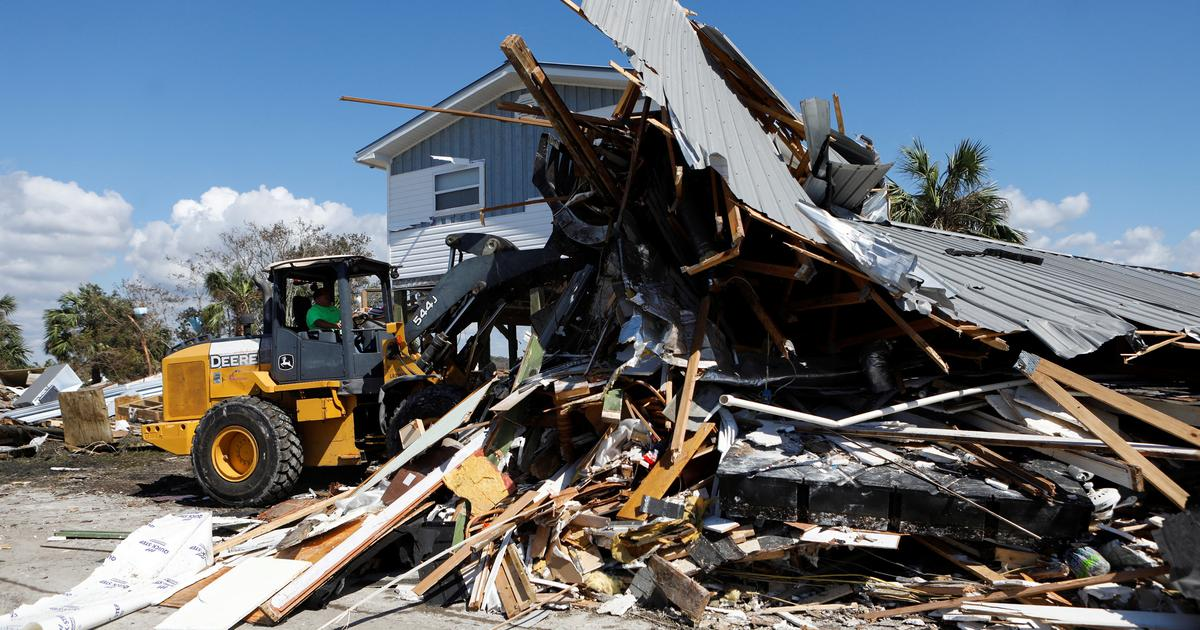
The Southeastern United States is facing a massive cleanup and recovery operation after Hurricane Helene ravaged the region, leaving at least 90 people dead and causing widespread damage. The storm, which brought powerful winds, torrential rain, and destructive storm surges, impacted states from Florida to Virginia, knocking out power for millions, washing away roads and bridges, and causing severe flooding.

As of Sunday, officials in North Carolina, South Carolina, Georgia, Florida, Tennessee, and Virginia confirmed 90 fatalities, with fears that more bodies could be discovered as search and rescue efforts continue. Buncombe County in North Carolina was hit particularly hard, with 30 confirmed deaths. County Manager Avril Pinder has requested emergency food and water, as parts of Asheville remain submerged. North Carolina Governor Roy Cooper described the event as a catastrophe of “historic proportions,” with many in western North Carolina claiming they’ve never experienced such destruction.

Across the region, around 2.7 million people were left without power, though that number had decreased by 40% from Friday’s peak. Major infrastructure damage has delayed recovery efforts, and in Flat Rock, North Carolina, residents queued for hours for gas amidst widespread blackouts.

In South Carolina, 25 deaths were reported, Georgia had 17, and Florida confirmed 11 fatalities. President Joe Biden plans to visit the devastated areas later in the week to offer federal recovery assistance after declaring major disasters in several states. He referred to the damage as “stunning,” pledging long-term support.

Hurricane Helene first made landfall on Florida’s Gulf Coast late Thursday, causing extensive damage. Coastal areas, including Horseshoe Beach, saw entire homes destroyed. Charlene Huggins, a resident of Horseshoe Beach, returned to the remains of her family’s home, which had housed five generations. “It just breaks your heart,” she said, holding a treasured family heirloom.

Further along the coast in Steinhatchee, an eight to 10-foot storm surge pushed mobile homes from their foundations, with some areas experiencing surges up to 15 feet. Residents of the small fishing community Spring Warrior Fish Camp were still waiting for emergency aid as they began to sift through the wreckage. David Hall, a local hotel owner, expressed the isolation many feel, saying, “No one thinks of us back here.”

In neighboring Keaton Beach, Kristin Macqueen helped friends salvage what they could after their home was destroyed. “It’s complete devastation,” she said. “Houses have just been ripped off their slabs.”

Republican presidential candidate Donald Trump plans to visit Valdosta, Georgia, to assess the damage and assist with relief efforts.