China’s Factory and Service Sector Activity Declines in September

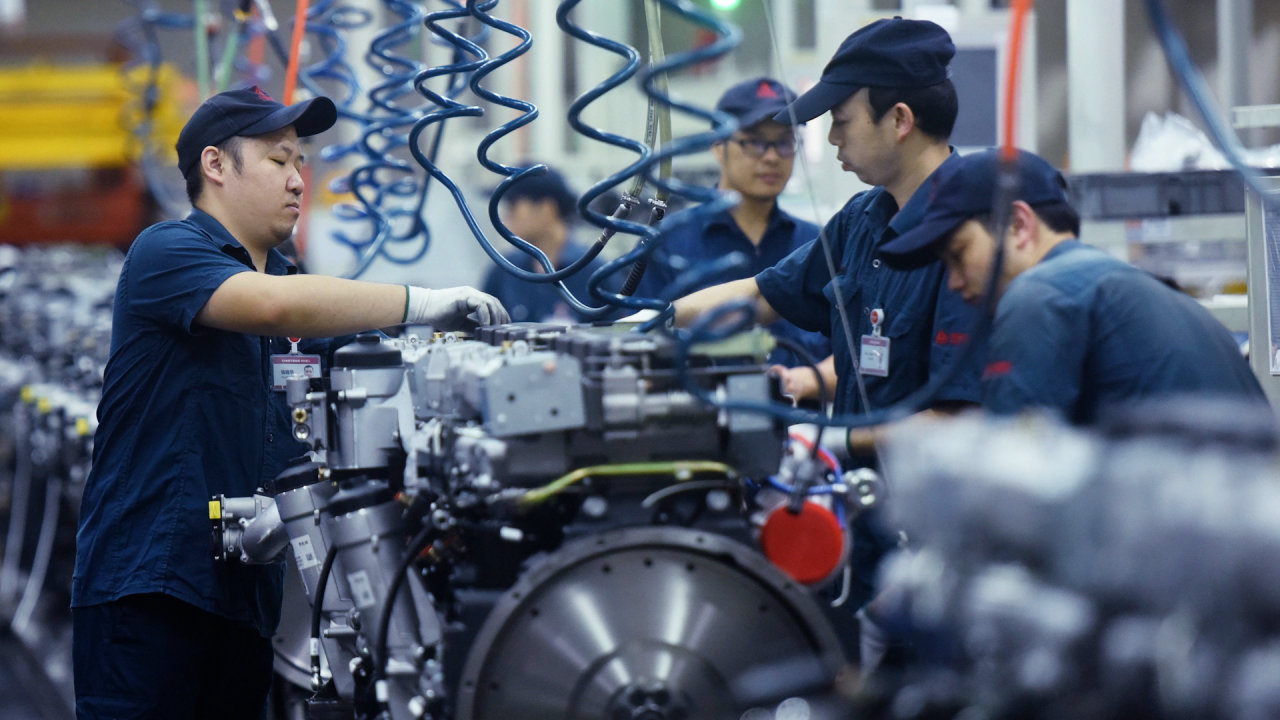
China’s factory activity contracted for the fifth consecutive month in September, and the services sector experienced a sharp slowdown, signaling that more aggressive stimulus measures may be required for Beijing to meet its 2024 growth target. The National Bureau of Statistics (NBS) reported a rise in the Purchasing Managers’ Index (PMI) to 49.8, slightly higher than August’s 49.1, but still below the 50-point threshold that separates growth from contraction. The reading, however, was the highest in five months and exceeded forecasts.

Despite the slight improvement, paired with a weak private-sector Caixin survey and sluggish service PMIs, the data highlighted continued struggles in China’s manufacturing and consumer sectors. Policymakers have acknowledged the emergence of “new problems” in the economy, pushing for more robust stimulus.

Last week, Chinese authorities launched their most significant stimulus package since the COVID-19 pandemic, leading to a rally in the stock market. The rally continued into Monday as share markets extended their gains. While some positive signs emerged in manufacturing, economists are skeptical about whether recent policy announcements, including loosened property curbs in major cities, will be enough to spur recovery.

Zhiwei Zhang, chief economist at Pinpoint Asset Management, emphasized that while these policies may benefit cities with limited real estate markets, the macroeconomic challenges will require stronger fiscal measures. The central bank, along with the top financial regulator, introduced additional measures on Sunday night to aid the housing market, including plans to reduce mortgage rates on existing home loans by the end of October.

The services sector also showed signs of weakness, with the official services PMI dipping to 49.9 in September, marking its first contraction since December 2022. The Caixin services PMI similarly reflected a slowdown in the sector. Zhao Qinghe, an NBS statistician, attributed this decline to the end of the summer travel season and extreme weather conditions like typhoons in some areas.

In contrast, the official construction PMI saw a slight increase, rising to 50.7 from 50.6 in August. To further support growth, China plans to raise 1 trillion yuan through special bonds to boost consumer goods subsidies and business equipment upgrades. Additionally, another 1 trillion yuan in special debt issuance is planned to help local governments manage their debt.

Efforts to stabilize the property market have also been a focus, with major cities like Shanghai and Shenzhen set to ease home purchase restrictions in the coming weeks. Guangzhou has already lifted all purchase restrictions as of Sunday.

With China’s Golden Week holiday approaching, analysts are now watching for signs of increased consumer spending, particularly in property sales and consumption, which could provide insight into the effectiveness of recent stimulus efforts.

 

Three Palestinian Leaders Killed in Israeli Strike in Beirut

On Monday, a Palestinian militant group reported that three of its senior leaders were killed in an Israeli airstrike targeting Beirut, marking the first attack within the city limits amid escalating tensions in the region. The Popular Front for the Liberation of Palestine (PFLP) confirmed that the strike occurred in the Kola district of Lebanon’s capital, hitting the upper floor of an apartment building. While Israel’s military did not immediately comment, witnesses described the destruction.

The incident is part of a wider escalation, with Israel launching a series of airstrikes against Hezbollah in Lebanon and the Houthi militia in Yemen. Israel’s actions have sparked fears of a broader regional conflict involving Iran and the United States, Israel’s main ally. Sunday saw intense airstrikes across Lebanon, with authorities reporting over 100 casualties from the strikes.

The conflict has already led to widespread displacement, with Lebanon’s Health Ministry reporting more than 1,000 deaths and 6,000 injuries in recent weeks. Displaced families are seeking refuge in various parts of Beirut, including its waterfront. The situation has drawn international concern, with U.S. President Joe Biden urging for diplomacy to avoid an all-out war in the Middle East, while reaffirming U.S. military presence in the region.


When to Recline and How to Share Armrests: Rules for Avoiding Mid-Flight Disputes

Flying can be a cramped and stressful experience, with common grievances such as seat recline conflicts, armrest hogging, and navigating toilet trips. As millions of people fly each year, these mid-flight frustrations are far from rare, sometimes even escalating into heated disputes.

Reclining Your Seat
Reclining seats can cause frustration, especially on long-haul flights. Research shows that 40% of UK passengers are annoyed by it, while only 25% of Americans find it unacceptable. The issue stems from tight seating arrangements on planes, often making passengers blame each other instead of the airlines. Etiquette experts suggest reclining seats slowly and avoiding doing so during meal service or when the person behind is using their tray or a laptop. If in doubt, simply ask the passenger behind you before reclining.

Armrest Etiquette
Armrest hogging is another common annoyance, especially for those stuck in the middle seat. Some flight attendants suggest a strategy of reclaiming the space when the other passenger reaches for a drink. Etiquette professionals encourage passengers to think of armrests as “elbow rests” and share them, rather than claiming the entire armrest.

Toilet Trips
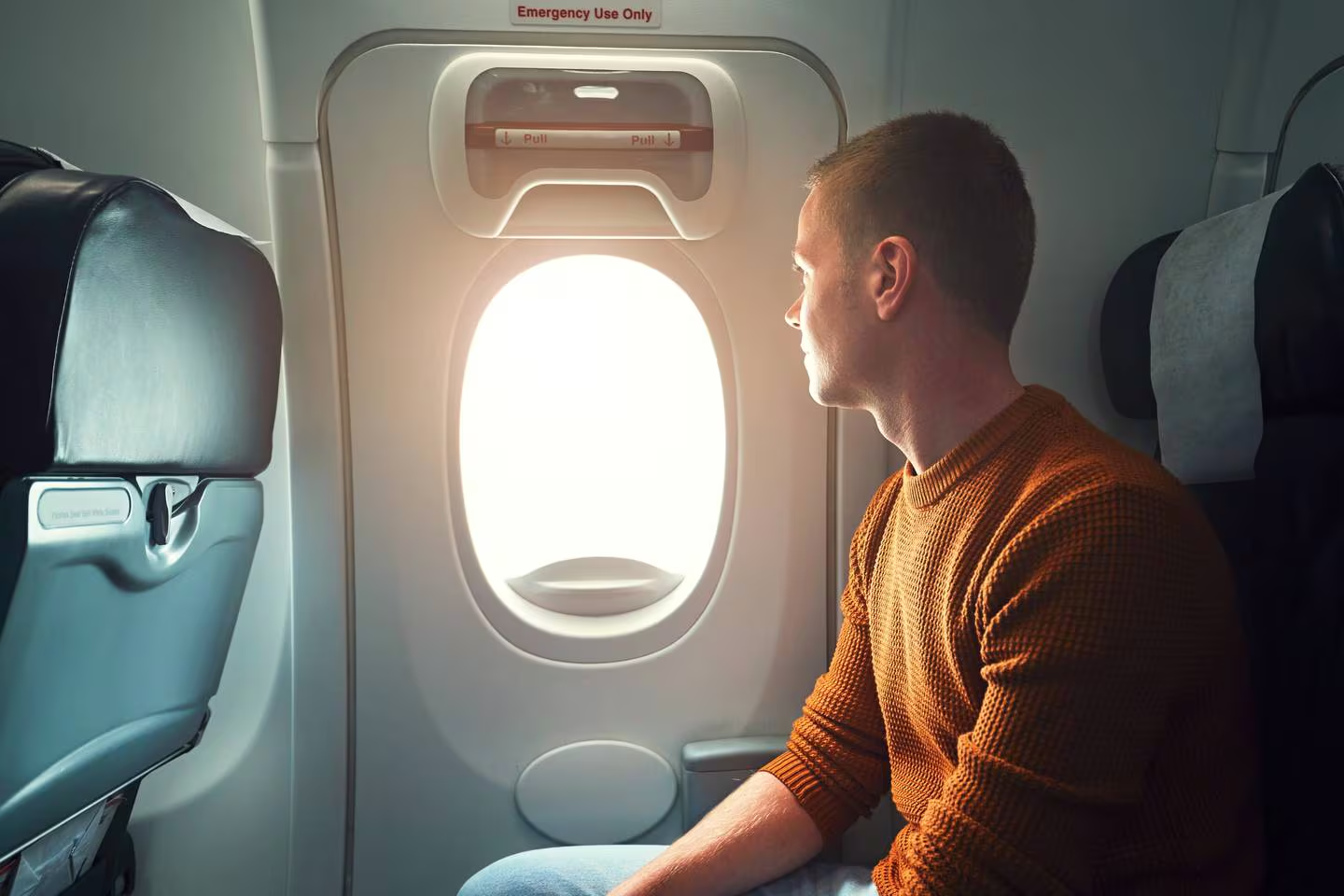
For those seated by the window, needing to go to the toilet can be tricky, especially if the person in the aisle seat is asleep. The solution is simple: gently wake them up or let them know you need to pass. In cases where language barriers exist, a polite gesture or smile often suffices. Drinking alcohol before or during a flight can increase toilet visits, and on busy flights, this can lead to long queues.

Standing After Landing
Many passengers feel the need to stand as soon as the plane lands, even though they are not getting off right away. While stretching your legs is fine, standing prematurely is unnecessary. It takes time for ground crew to prepare the plane for disembarkation, and baggage claim will still require patience.

General Courtesy
To make air travel more pleasant, passengers are encouraged to be considerate of others. From using headphones with electronic devices to keeping feet covered, simple acts of courtesy can help avoid unnecessary tension. Flight etiquette is all about ensuring that everyone has a comfortable journey, so being mindful of others goes a long way.