
Michigan Arab-Americans Voice Opposition to Kamala Harris’ Gaza Stance

In Dearborn, Michigan, a hub for Arab-Americans and home to the first Arab-majority city in the U.S., growing discontent is mounting toward Vice President Kamala Harris over her stance on the Gaza conflict. At the Sahara Restaurant, where Arabic news channels air footage of the ongoing war, many community members, like business owner Sam Hammoud, have voiced their frustration with the Biden administration’s Middle East policy. Hammoud, like many others, feels a personal connection to the conflict, with many calling for a ceasefire that has yet to come.

The Arab-American community, which played a key role in helping Joe Biden secure Michigan in 2020, has warned the Democratic Party not to take their support for granted. Many of these voters now find themselves uncommitted, torn between their long-standing loyalty to the Democratic Party and their dissatisfaction with Harris’ unwavering support for U.S. weapons policies and ties to Israel.

Prominent figures like Soujoud Hamade, president of the Michigan Chapter of the Arab American Bar Association, have openly switched allegiances, with Hamade now supporting Green Party candidate Jill Stein. A poll from the Council on American-Islamic Relations indicates a significant shift in Muslim voters, with 40% backing Stein, while Harris struggles with just 12% support in Michigan. This community, once a reliable Democratic bloc, is increasingly distancing itself due to Harris’ refusal to condemn policies contributing to violence in Gaza.

Adding to the frustration is Harris’ endorsement from former Vice President Dick Cheney, known for his role in the Iraq War, which left deep scars within the Arab-American community. For many like Dr. Maisa Hider-Beidoun, a lifelong Democrat and pharmacy owner, this endorsement is emblematic of how far the party has shifted. The community feels they are in a “moral dilemma” — balancing their identity as law-abiding, tax-paying Americans with the devastation affecting their families in the Middle East, exacerbated by U.S. foreign policy.

Despite Harris’ slight shift in tone, expressing more empathy than President Biden on the humanitarian crisis in Gaza, many Arab-American voters feel that these words are hollow without corresponding actions. The “Uncommitted Movement” within Michigan continues to challenge the Biden-Harris administration, warning that while they oppose Trump, they cannot back a candidate who has contributed to the conflict in Gaza.

Faye Nemer, CEO of the Middle East North American Arab Chamber of Commerce, reflects the community’s anguish. As someone who fled Lebanon due to political violence, she now struggles with the Gaza situation through the lens of her own experiences and the displacement of more than a million people. Many Arab-American voters like Nemer remain undecided or are considering third-party candidates.

Arab-Americans, numbering around 3.5 million in the U.S., represent a critical demographic in swing states like Michigan and Wisconsin. With the 2024 election on the horizon, this community is signaling to Democrats that their votes are no longer guaranteed, and the party must take meaningful steps to address their concerns about U.S. involvement in the Middle East if they hope to retain their support.

Georgia Election Board Mandates Hand-Counting of Ballots Amid Legal Warnings from GOP Officials

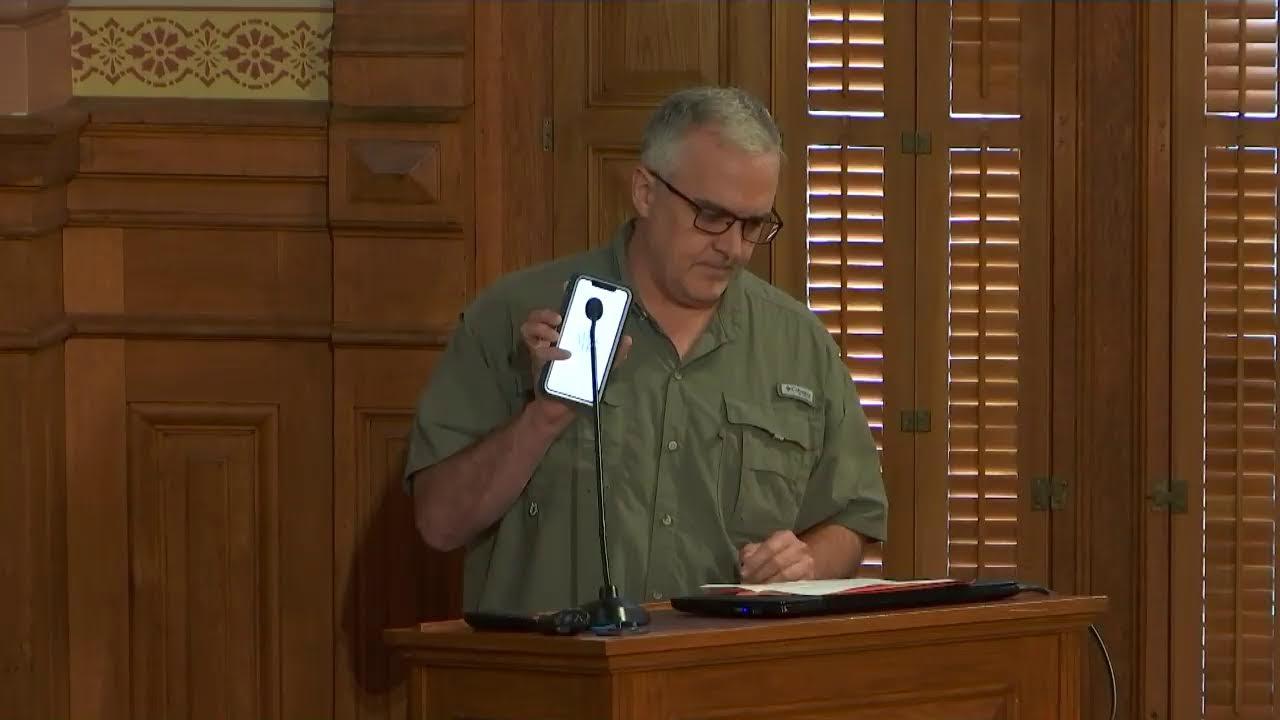
The Georgia State Election Board has passed a controversial new rule requiring counties to hand-count ballots cast at polling places on Election Day, despite opposition from bipartisan election officials and warnings from key Republican state officials. The decision was approved in a 3-2 vote, with allies of former President Donald Trump supporting the measure, while a Democratic and GOP-appointed independent member opposed it.

The hand-counting rule mandates that the total number of ballots be counted by hand to ensure they match those tallied by voting machines. However, the rule stops short of requiring hand counts for individual candidate votes, which are still to be processed by machines. Georgia Attorney General Chris Carr, a Republican, had previously warned that the move could be unlawful, noting that state law does not allow local election workers to hand-count ballots before votes are officially tallied.

Carr’s office also cautioned the board that implementing these changes so close to the election—early voting begins October 15—might lead to legal challenges. Georgia Secretary of State Brad Raffensperger echoed these concerns, criticizing the timing of the rule changes, calling it “too late in the cycle” to introduce new procedures.

The rule’s proponents, like State Election Board member Janelle King, defended the changes, arguing they were necessary to address public mistrust in the electoral process. Critics, however, see this as part of a broader effort by Republicans allied with Trump to cast doubt on election results, particularly in battleground states like Georgia. The rule change comes after a GOP-led state legislature removed the secretary of state’s position from the election board in the wake of Trump’s failed efforts to overturn the 2020 election results in Georgia.

Nonpartisan experts and local election officials have expressed concerns that hand-counting could slow the election process, adding unnecessary burdens on county offices already struggling with limited resources. Despite this, the board also passed another rule granting poll-watchers greater access to vote-counting areas, a move similarly criticized as overstepping statutory authority.

With early voting set to begin in just weeks, many election officials fear these changes could lead to delays and confusion during the critical 2024 presidential election. As the new rules come under scrutiny, legal challenges seem likely, especially given warnings from the state attorney general’s office that they may be overturned in court due to their lack of legal basis.


Scientists Uncover Alarming Signs Beneath the Doomsday Glacier, Foretelling Global Disaster

Scientists studying Antarctica’s Thwaites Glacier, often referred to as the “Doomsday Glacier,” have uncovered troubling signs that it is melting at an accelerating pace and may be on a path of irreversible collapse. This could have devastating implications for global sea levels. The glacier holds enough ice to raise sea levels by over 2 feet, but its collapse could trigger a much larger increase, potentially up to 10 feet, due to its role as a barrier for the vast Antarctic Ice Sheet. Such a rise in sea levels would threaten coastal communities worldwide, from Miami to the Pacific Islands.

Over the past six years, researchers from the International Thwaites Glacier Collaboration (ITGC) have used cutting-edge technology, including underwater robots like Icefin, to study the glacier’s vulnerabilities. Their findings, described as “grim,” suggest that the glacier is melting faster than previously understood, with warm ocean waters eroding the ice through deep cracks and formations. These mechanisms are contributing to rapid ice loss and could lead to the glacier’s collapse within 200 years.

Though there are some positive signs — like a lower-than-expected risk of towering ice cliffs collapsing rapidly into the ocean — the overall outlook remains dire. The research also revealed that Thwaites began retreating as early as the 1940s, possibly triggered by a strong El Niño event. Despite progress in understanding the glacier, scientists are still unsure if its retreat is now unstoppable, with many fearing that the glacier’s collapse could be inevitable even if humanity reduces carbon emissions.

The study’s conclusion: urgent action is needed, but the future of Thwaites and its global impact remains uncertain.