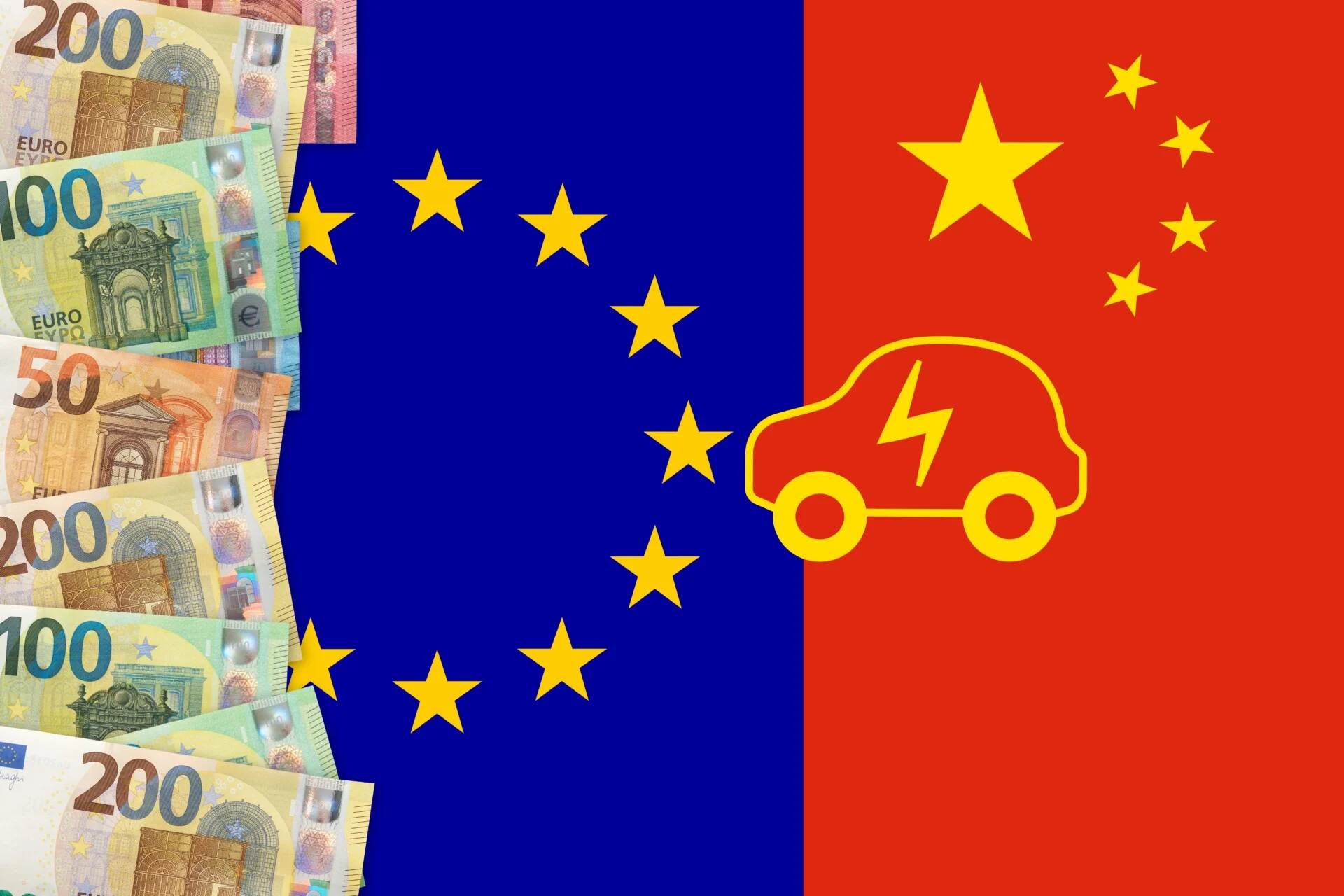
EU Tariffs Unlikely to Deter Chinese EV Makers from Expanding in Europe

Despite the European Union’s new tariffs on Chinese electric vehicles (EVs), Chinese automakers remain well-positioned to expand in the European market. Recent revisions have slightly reduced the tariffs, with BYD seeing a cut to 17% from 17.4%, Geely to 19.3% from 19.9%, and SAIC from 37.6% to 36.3%.

Research by Rhodium suggests that tariffs would need to be as high as 50% to make Europe unattractive to Chinese EV exporters, and potentially even higher for vertically integrated manufacturers like BYD. At their current levels, these tariffs will not significantly hinder Chinese EV manufacturers from entering the European market. Joseph McCabe, president and CEO of AutoForecast Solutions, noted that while the tariffs introduce hurdles, they do not act as barriers, given the strong interconnections between European and Chinese original equipment manufacturers (OEMs).

In contrast to the EU, North America has taken a more aggressive stance, with the U.S. imposing a 100% tariff on Chinese EVs, followed by a similar move from Canada. McCabe highlighted that the EU is attempting to balance promoting domestic production without severely impacting its interconnected Chinese operations.

Chinese automakers, particularly BYD, are also targeting the European market with competitively priced models. In May, BYD announced its Dolphin model, priced at under $21,550—significantly cheaper than Tesla’s China-imported Model 3, which faces a 9% tariff and sells for $44,480 in the UK. Even with the EU’s 17% tariff, the Dolphin remains about $23,270 cheaper than Tesla’s Model 3.

To compete, Volkswagen plans to release a low-cost electric vehicle priced similarly to BYD’s offerings by 2027. However, McCabe noted that new, innovative EV players are often valued more for their potential than short-term financial performance, which is the focus for legacy manufacturers like Volkswagen.

William Ma, CIO of GROW Investment Group, pointed out that tariffs would need to rise to 300% to significantly impact Chinese EV makers, which is unlikely. The risk of retaliatory tariffs from China also complicates the EU’s approach, especially given ongoing tensions over perceived unfair subsidies for Chinese EV manufacturers.

Ma suggested that geopolitical factors and sanctions could persist for another year or two, making the situation difficult to resolve in the short term.
 

Qualcomm Explores Potential Acquisition of Intel Amid Industry Shifts

Qualcomm has recently approached Intel about the possibility of a takeover, according to a source familiar with the situation. The deal, still in its early stages, could mark a significant shift in the semiconductor industry but faces multiple challenges. Qualcomm CEO Cristiano Amon is said to be personally involved in discussions, which have yet to result in a formal offer.

Earlier reports suggested Qualcomm was particularly interested in Intel’s PC design unit but was also evaluating the broader portfolio of the five-decade-old company. Despite the ongoing talks, the complexity of such a deal—given Intel’s scale and position—could face regulatory scrutiny from antitrust authorities in the U.S., Europe, and China.

Intel, which has seen its stock drop by nearly 60% this year, is currently undergoing a restructuring under CEO Pat Gelsinger, who aims to focus on AI processors and the chip contract manufacturing business. Intel has been attempting to regain its competitive edge in the wake of losing market share to rivals like TSMC, Nvidia, and AMD.

If Qualcomm proceeds, the deal would likely be the largest in the tech sector since Broadcom’s attempt to acquire Qualcomm for $142 billion in 2018—a bid blocked by then-President Donald Trump due to national security concerns. Financing the acquisition remains unclear, though Qualcomm holds $13 billion in cash, and Intel’s current market value stands at $122 billion, including its debt. Qualcomm, which outsources its chip production to manufacturers like TSMC, has no history of operating a chip factory, raising questions about how it would manage Intel’s extensive manufacturing operations.

Intel declined to comment on the potential deal, and Qualcomm has not yet responded to requests for comments.


Ukraine Bans Official Use of Telegram Over Russian Spying Concerns

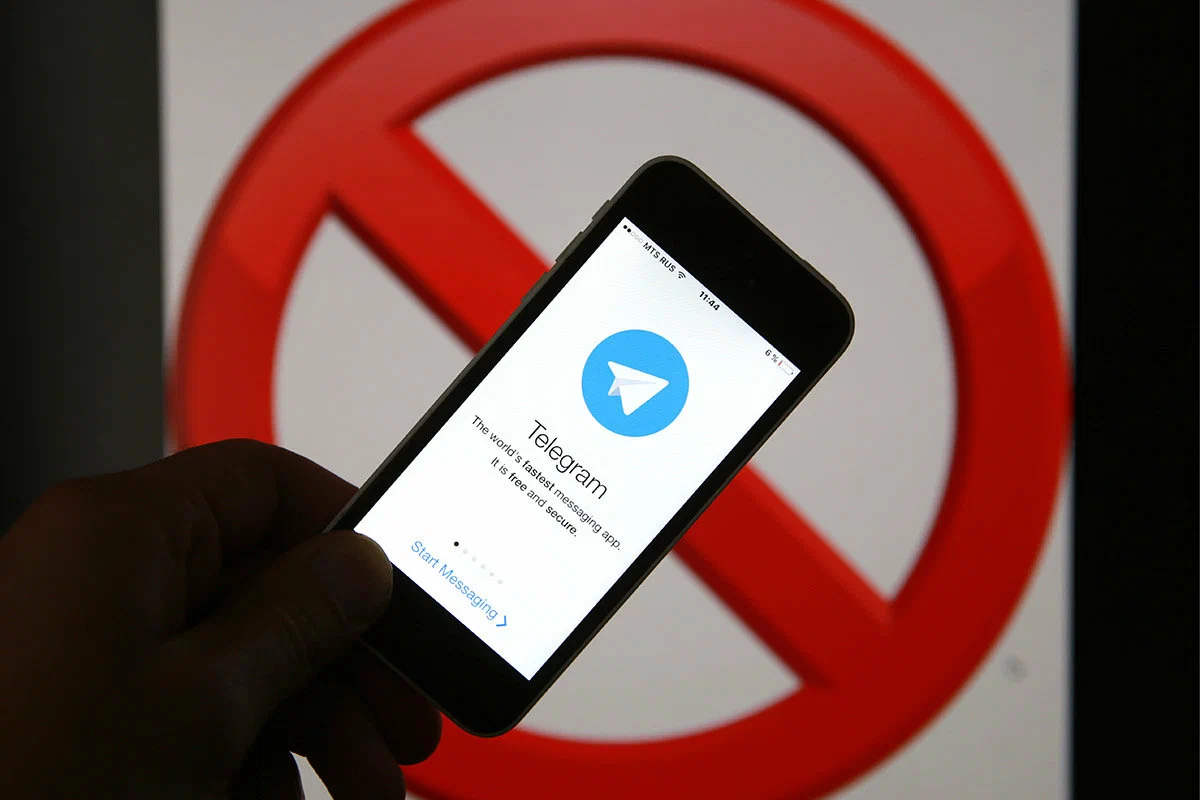
Ukraine has banned the use of the Telegram messaging app on official devices belonging to government officials, military personnel, and critical workers, citing fears that Russia could be using the platform to spy on messages and users. This decision was announced by Ukraine’s National Security and Defence Council on Friday, following a presentation by Kyrylo Budanov, head of Ukraine’s military intelligence agency, GUR, who provided evidence of Russian special services’ ability to intercept communications via the app.

Andriy Kovalenko, the head of the security council’s disinformation center, clarified that the restrictions only apply to official devices and do not extend to personal phones. Despite Telegram’s widespread use in both Ukraine and Russia, security officials have repeatedly raised concerns over its safety during the ongoing war.

Telegram, founded by Russian-born Pavel Durov, has been a significant communication tool since the start of the Russian invasion in February 2022. However, Ukraine’s security authorities believe that Russia’s special services can access Telegram messages, including deleted ones, as well as users’ personal data.

In response, Telegram issued a statement denying any cooperation with Russia or any other country, asserting that it had never provided access to any user data or messages. Telegram also reiterated that deleted messages are permanently erased and cannot be retrieved. They attributed any leaked messages to compromised devices, such as those infected with malware or seized by authorities.

While the Ukrainian government is restricting Telegram on official devices, the platform remains highly popular among Ukrainians. A survey found that 75% of Ukrainians use Telegram for communication, with 72% regarding it as a key source of information.