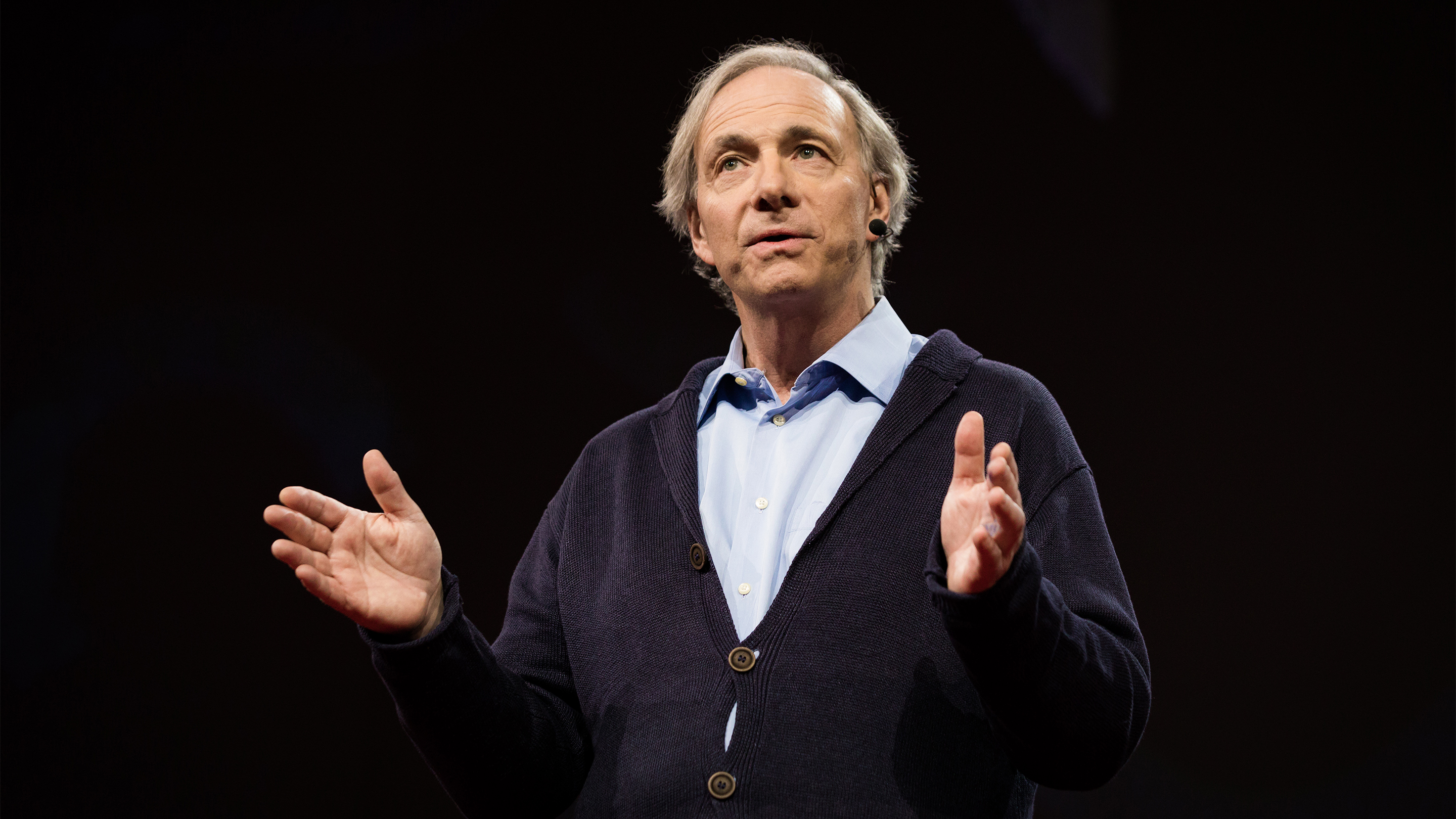
Ray Dalio Names the Top Five Forces Shaping the Global Economy

Billionaire investor and founder of Bridgewater Associates, Ray Dalio, highlighted the five key forces driving the global economy at the Milken Institute’s Asia Summit in Singapore. Dalio explained that these factors are interconnected and often follow cyclical patterns. His remarks came ahead of the U.S. Federal Reserve’s interest rate decision.

  1. Debt, Money, and the Economic Cycle:
    Dalio expressed concerns about how the U.S. will manage its growing debt, particularly in light of rising interest rates. He questioned what the Fed’s upcoming rate changes will mean for the economy and how the nation’s $1.158 trillion in debt payments for the year will be handled. “What happens to all the debt? How will that be dealt with?” he asked.
  2. Internal Order and Disorder:
    Dalio noted the increasing internal political polarization in the U.S., driven by widening wealth and value gaps. These divisions, he said, could lead to disorder, especially as the 2024 elections approach. Dalio remarked that the country’s political landscape could challenge the orderly transition of power.
  3. Great Power Conflicts:
    Geopolitical tensions, especially between the U.S. and China, ranked high on Dalio’s list. He pointed to issues such as territorial disputes and trade tensions as ongoing concerns. However, Dalio emphasized that the threat of mutually assured destruction could prevent a full-scale war, though the disorder remains.
  4. ‘Acts of Nature’:
    Historically, Dalio said, natural disasters such as droughts, floods, and pandemics have had a more significant impact on societies than wars. He pointed out that the climate crisis could increase economic instability, with the World Economic Forum estimating a 12% global GDP loss for every 1°C rise in temperature.
  5. Technology:
    Finally, Dalio emphasized the transformative power of technology, predicting it will be crucial for productivity and global competitiveness. He suggested that whoever wins the technology race will also dominate militarily. However, he noted that technology benefits a small segment of the population, furthering inequality.

Dalio concluded that the global economy faces more downside risks than upside potential due to these factors.

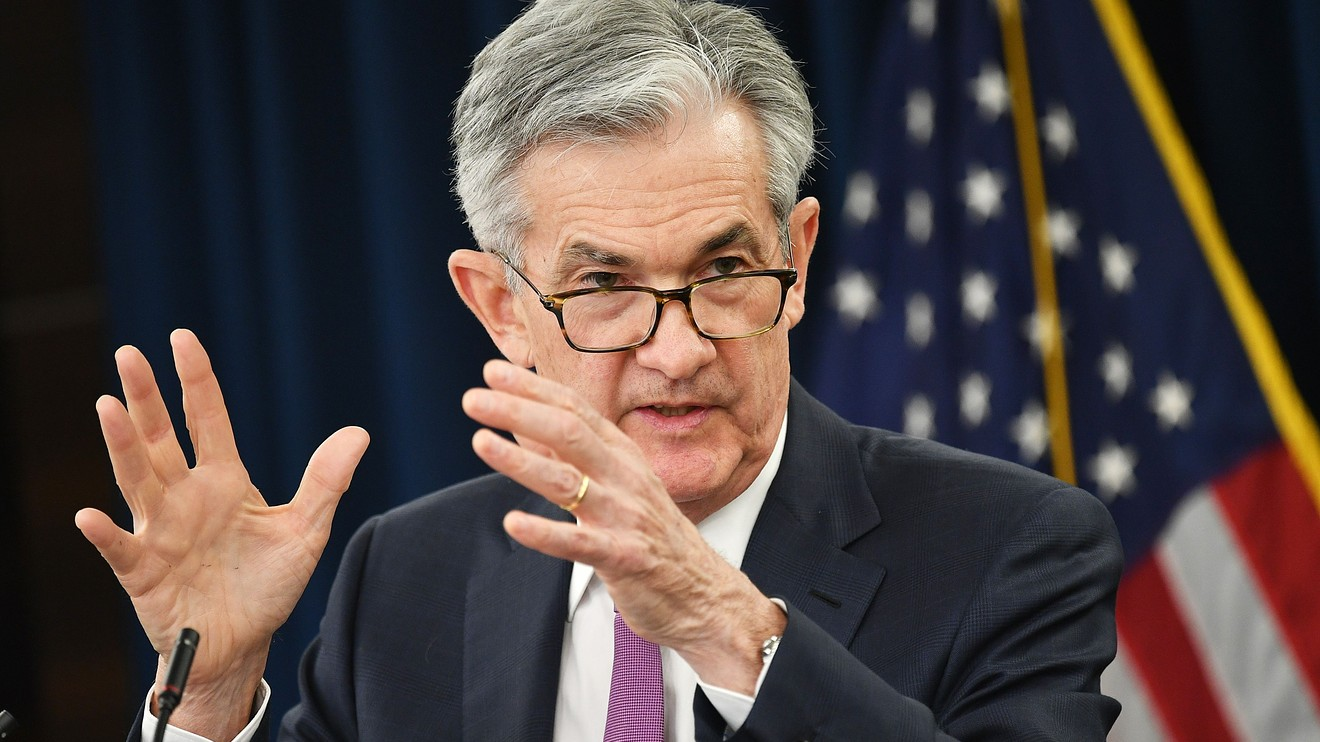
UK Inflation Holds Steady in August, Meeting Expectations

Inflation in the U.K. remained stable in August, according to data released by the Office for National Statistics (ONS) on Wednesday, aligning with predictions from analysts. The headline consumer price index (CPI) remained at 2.2%, the same as July’s figure and in line with forecasts from a Reuters poll. This steady reading follows 2% CPI rates in both May and June, matching the Bank of England’s (BoE) target.

Following the news, the British pound rose slightly by 0.18%, trading at $1.3183 early Wednesday morning.

Services Inflation Rises:
One area of particular interest to the BoE is services inflation, which increased from 5.2% in July to 5.6% in August. The rise in this category is closely watched as it reflects domestic price pressures. Core inflation, which excludes volatile items like energy, food, alcohol, and tobacco, also rose, hitting 3.6%, up from 3.3% in July.

According to the ONS, the largest upward pressure on prices came from higher airfares, which increased significantly compared to last year. However, motor fuel prices, along with hotel and restaurant costs, saw notable declines.

Monetary Policy Outlook:
The BoE is scheduled to meet on Thursday for its next monetary policy decision. While there were earlier bets of a second consecutive 25 basis point rate cut, these predictions have since been revised downward, with traders now placing the probability at 28%.

Richard Carter, head of fixed interest research at Quilter Cheviot, noted that while recent economic data pointed to stagnation in the U.K.’s output and a slowdown in wage growth, the stickiness of core inflation complicates the BoE’s decision-making process. Carter suggested that the BoE might adopt a more cautious approach compared to the U.S. Federal Reserve, which has maintained a more aggressive stance.

Ruth Gregory, deputy chief U.K. economist at Capital Economics, shared similar concerns about the rise in services inflation, predicting that upward pressure on prices could persist, especially with potential increases in utility costs on the horizon. Gregory expects the BoE to hold off on further rate cuts until November, with additional cuts likely to be spaced out until mid-2025.

Economic Planning and Inflation Management:
Ahead of the U.K.’s Autumn Statement, set for October 30, the new Labour government will present its budget plans. Chief Secretary to the Treasury, Darren Jones, acknowledged that while inflation is becoming more manageable, substantial efforts are still needed to address deeper economic challenges.


What a U.S. Federal Reserve Rate Cut Could Mean for the Global Economy

The U.S. Federal Reserve is widely expected to implement its first interest rate cut since the Covid-19 pandemic. Although anticipated, global investors are bracing for significant impacts, as the Fed’s decisions ripple through international markets.

Many central banks, including those in the eurozone, U.K., and Canada, have already cut rates, responding to sluggish growth and declining inflation. However, analysts have speculated that further rate cuts might be limited without the Fed moving in tandem, given its significant global influence.

Global Impact of Fed Rate Cut:
A key concern tied to a Fed rate cut involves the effect on global currencies. Higher interest rates typically attract more foreign investment, strengthening the local currency. In the current cycle, countries like Japan and Turkey have experienced currency devaluation due to low interest rates, while the U.S. dollar surged in 2022, driven by aggressive Fed rate hikes. A weaker currency can trigger inflation by increasing the cost of imports, complicating inflation management for some central banks.

Beyond currencies, the Fed’s decisions directly impact the U.S. economy, particularly with growing concerns about a softening labor market and potential recession. This, in turn, affects global asset prices. Gold, which has seen record highs, is influenced by both inflation fears and market uncertainty. Commodities such as oil, often priced in U.S. dollars, may see demand rise following a rate cut due to lower borrowing costs stimulating economic activity.

Emerging markets, heavily influenced by U.S. monetary policy, are especially vulnerable. Interest rate cuts in the U.S. lower the cost of borrowing dollars, which eases liquidity for global companies. However, lower U.S. yields may also redirect investments to other markets, making them relatively more attractive.

Uncertainty Surrounding the Fed’s Next Move:
While investors are confident about an upcoming rate cut, uncertainty lingers over how deep the cut will be and how quickly the Fed will proceed with additional reductions. Market speculations suggest the first cut could range from 25 to 50 basis points, but concerns about economic growth have pushed many to favor a more significant reduction. Historically, large rate cuts have signaled deeper economic challenges, as seen during the 2007 financial crisis and the tech bubble in the early 2000s.

Some analysts caution that while a rate cut may relieve market stress in the short term, it could foreshadow longer-term economic struggles. However, others argue that the current economic data remains inconclusive, allowing equities to hold steady until more definitive economic trends emerge.