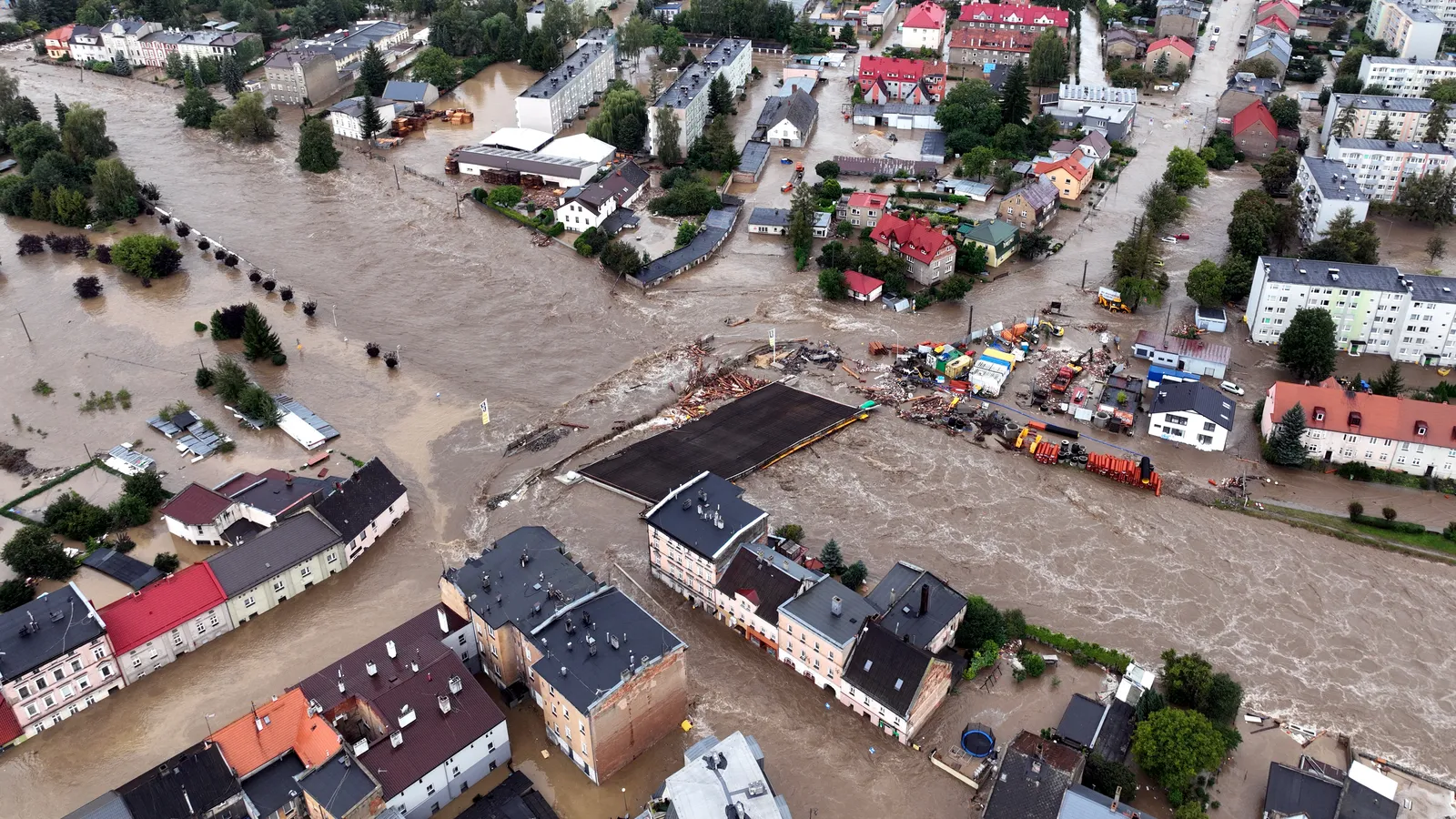
Central Europe Races Against Time as Floods Threaten More Areas

Emergency crews and volunteers worked tirelessly through the night in the Polish city of Wroclaw, preparing defenses against looming floodwaters. As the region braces for the worst flooding in two decades, Hungary has also taken drastic measures, opening a dam to relieve pressure as Prime Minister Viktor Orban warned of a “crucial period” ahead.

The floods, which have wreaked havoc from Romania to Poland, have caused widespread destruction, inundating towns, destroying infrastructure, and submerging vehicles. The financial toll from the damage is expected to run into billions of dollars.

Polish Prime Minister Donald Tusk addressed the crisis in Wroclaw, noting the urgent need for updates from the hardest-hit areas, such as Lewin Brzeski, where residents waded through waist-high water or sought refuge on rooftops. Meanwhile, in Hungary, authorities opened a dam in the northwest to divert the Lajta river’s waters into emergency reservoirs, sacrificing agricultural land to protect urban centers like Mosonmagyarovar. The Danube River, swollen from heavy rains, is expected to crest in Budapest later this week, potentially reaching over 8.5 meters.

Prime Minister Orban emphasized the gravity of the situation across Central Europe, with many areas experiencing the severe effects of torrential rainfall. Drone footage from northern Hungary captured the village of Venek submerged under floodwaters, a stark reminder of the increasing threats posed by climate change.

In the Czech Republic, water levels have started to recede, though several rivers in southern Bohemia are still peaking. Cleanup efforts are underway in the worst-hit areas, including sections of the critical railway line between Prague and Ostrava, part of the Vienna-Warsaw route, which remains out of service.

Czech Finance Minister Zbynek Stanjura announced plans to amend the national budget to provide flood relief, estimating potential costs to be as high as $4 billion, although the full scope of the damage is still unclear.
 

Exploitation of Migrant Workers Behind the ‘Made in Italy’ Luxury Label

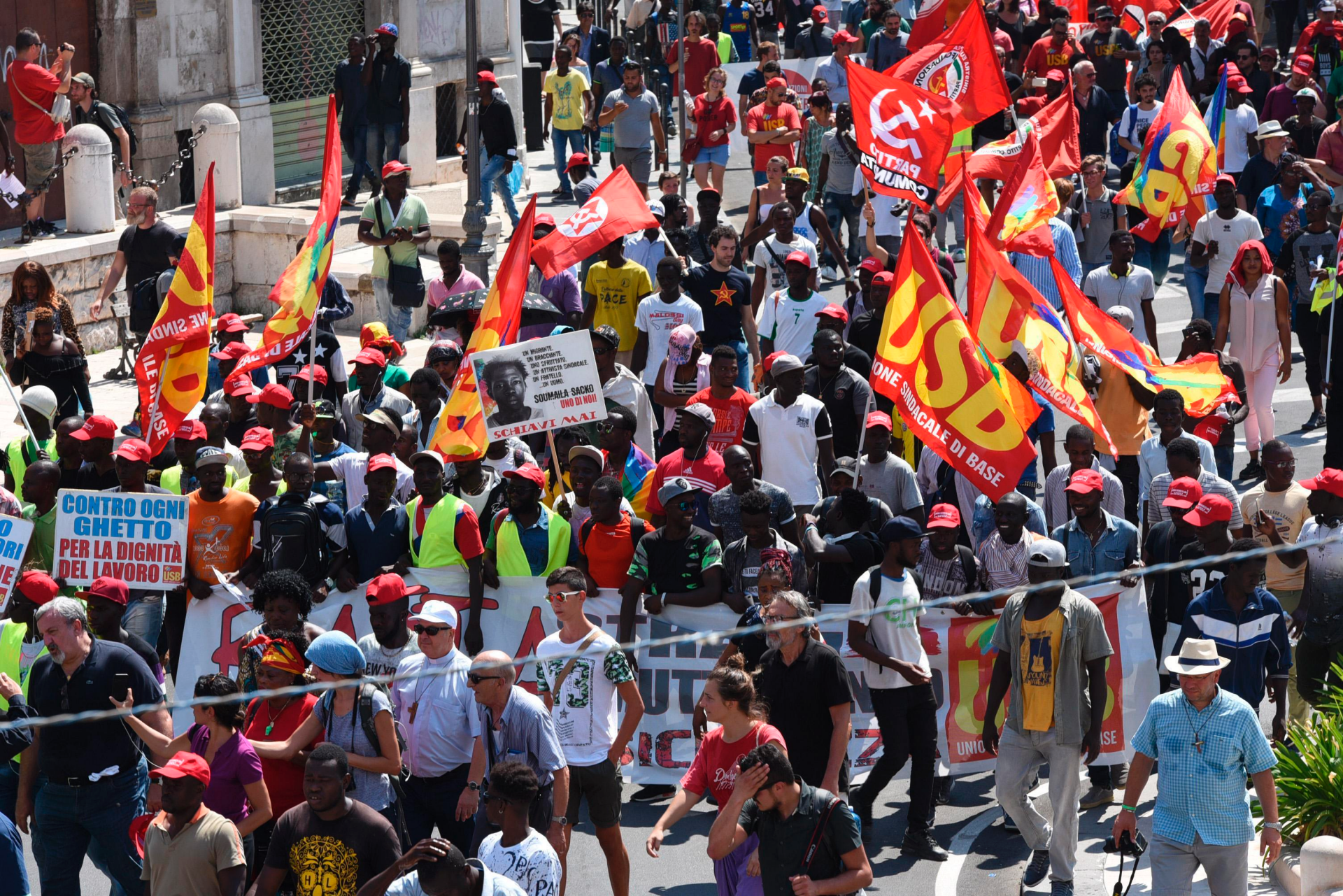
Migrant workers in Italy, primarily in the country’s famed luxury leather and fashion industries, have been subjected to sweatshop-like conditions while crafting high-end products. Recent protests, including a demonstration in Geneva by migrant laborers and union officials, highlighted these abuses, specifically targeting Montblanc, whose parent company Richemont allegedly cut ties with a Tuscany-based supplier, Z Production, due to improved worker conditions and rising costs.

Z Production, employing mostly undocumented migrant workers from countries like Pakistan, China, and Bangladesh, had been producing leather accessories for luxury brands, including Montblanc. Workers reported long shifts and harsh conditions, with one employee, Zain Ali, stating that they were treated “like slaves.” While Montblanc justified the termination of its contract with Z Production due to failure to meet its supplier standards, workers and unions contend that the decision was influenced by the contractor’s move to implement legal working hours and conditions.

This issue is not isolated. Investigations this year exposed poor labor practices in 16 workshops near Milan, producing for luxury brands such as Dior, Giorgio Armani, and Alviero Martini. Prosecutors found instances of undocumented labor, illegal subcontracting, and exploitation in these workshops, which functioned as part of an opaque supply chain designed to maximize profit at the expense of labor rights.

Migrant workers in Tuscany, a key leather-making region, described similar conditions. Abbas, a Pakistani migrant, recounted standing for 14 hours straight, suffering from severe pain, and receiving minimal pay for his work in a leather accessory factory. Workers, employed without contracts, often toiled for long hours without the necessary skills, contributing to products for major luxury brands.

Court documents reveal that luxury brands outsource production to contractors, who in turn subcontract the actual work to other workshops. This setup allows brands to maintain distance from labor violations, despite the prevalence of illegal practices within these subcontracted workshops. The Milan court has placed several of these companies, including Giorgio Armani Operations and Manufactures Dior, under judicial administration for a year to address labor violations.

Despite public commitments by brands like Dior and Armani to strengthen their supply chain oversight, industry experts warn that the sheer size of the luxury supply chain, involving thousands of suppliers and subcontractors, makes comprehensive monitoring nearly impossible. The pressure to keep production costs low, while maintaining high profit margins, incentivizes exploitative practices.

While raids and inspections by Italian authorities have forced some contractors to improve conditions, others have shifted production to less scrutinized areas of the country, such as Veneto and Campania, to avoid enforcement actions. The exploitation of workers, underpayment, and unsafe working conditions remain widespread, tarnishing the reputation of the ‘Made in Italy’ label and exposing the luxury sector’s reliance on cheap labor.


Mossad Operation Plants Explosives in Hezbollah Pagers, Sources Say

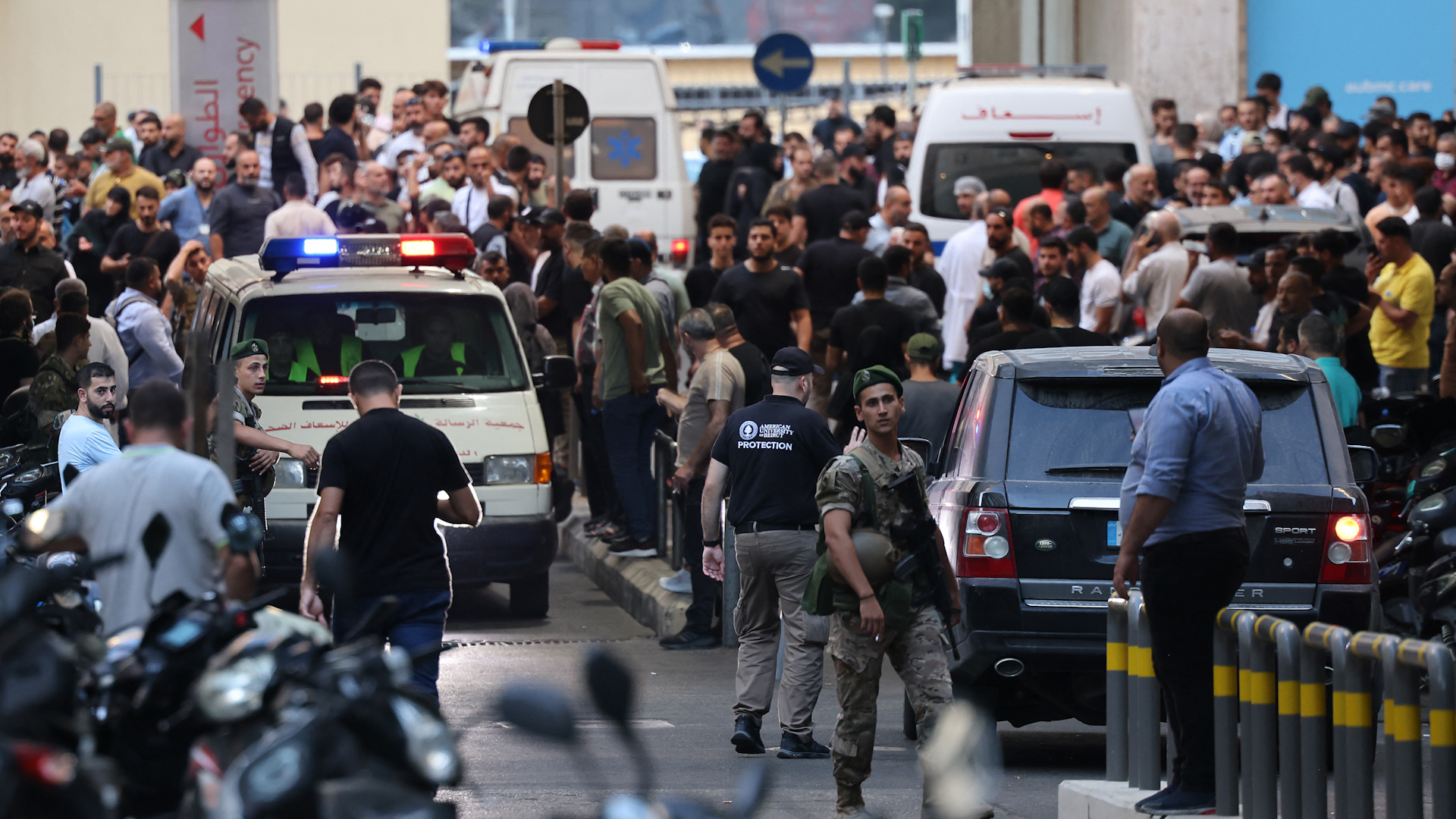
Israel’s Mossad spy agency reportedly infiltrated Hezbollah’s communication systems by planting explosives in 5,000 pagers ordered by the Lebanese group. According to a senior Lebanese security source and another individual, the operation, which had been in place for months, culminated in detonations on Tuesday, resulting in nine deaths and nearly 3,000 injuries, including Hezbollah members and Iran’s envoy to Beirut.

The pagers, which were sourced from Taiwan-based company Gold Apollo, were manufactured by BAC under a brand license, according to company officials. While the devices were supposedly designed for secure communication, Israeli intelligence allegedly modified them during production to include explosive material triggered by a coded message, making detection difficult for Hezbollah.

The attack represents a significant security breach for Hezbollah, which has historically used pagers as a low-tech communication method to evade Israeli tracking. Mossad’s infiltration into this system marks one of Hezbollah’s largest counterintelligence failures, leaving the group reeling. This comes amid increasing tensions between Israel and Hezbollah following the outbreak of the Gaza conflict.

Hezbollah, which vowed retaliation, has been engaged in cross-border warfare with Israel, escalating fears of a broader regional conflict involving Iran and the United States. Despite this, experts see the pager blasts as a sign of Israel’s intelligence capabilities rather than an indication of an imminent ground offensive. However, the attack showcases Israel’s deep penetration into Hezbollah’s operations, further straining the already precarious situation along the northern border.