
Report: WhatsApp Working on Phone Contact Sync Toggle for Linked Devices
WhatsApp Users Could Soon Manage Contacts Synced from Linked Devices Devamını Oku

WhatsApp Users Could Soon Manage Contacts Synced from Linked Devices Devamını Oku
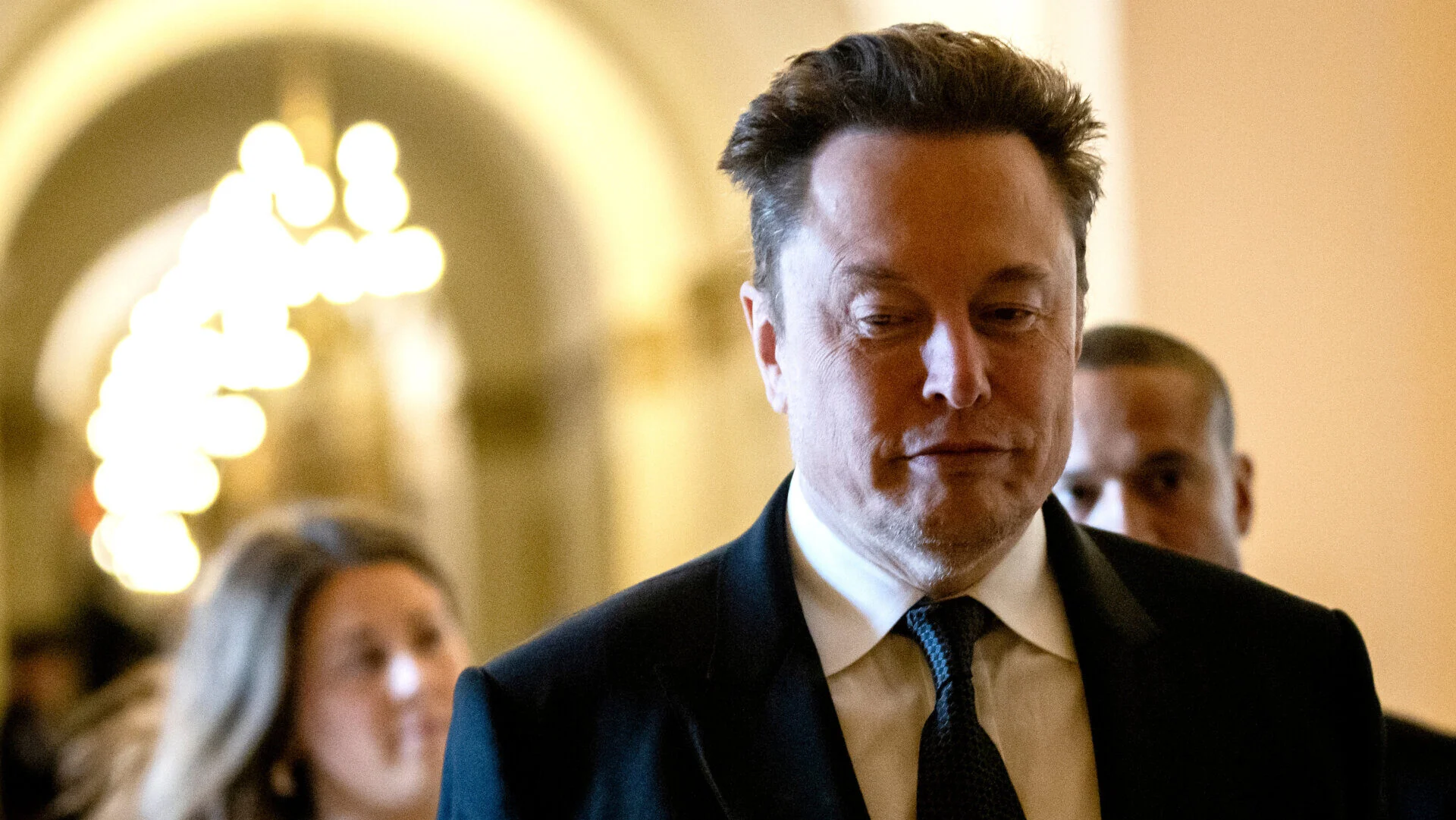
The U.S. Secret Service has acknowledged its awareness of a now-deleted social media post by Elon Musk, in which he suggested that “no one is even trying” to assassinate President Joe Biden or Vice-President Kamala Harris. The post, shared on X (formerly Twitter), was later removed by Musk, who claimed it was intended as a joke.
The controversial post came shortly after an alleged assassination attempt on former President Donald Trump at his golf course in Florida. Musk, a known ally of Trump, has recently expressed support for the former president, even stating that Trump plans to enlist him to lead a “government efficiency commission” if re-elected.
The post, which included a raised eyebrow emoji, sparked outrage from many X users, who accused Musk of inciting violence against the current president and vice president. The White House condemned the remark, calling the rhetoric “irresponsible” and emphasizing that violence should never be encouraged or joked about. “There should be no place for political violence or for any violence ever in our country,” the statement added.
The Secret Service, while not commenting on specific cases, affirmed that it investigates all threats against its protectees. In response to the backlash, Musk explained that what might have been humorous in a personal context didn’t translate well on social media. He tweeted, “Turns out that jokes are way less funny if people don’t know the context and the delivery is in plain text.”
Musk’s post is part of a broader pattern of controversial remarks, as he continues to voice criticism of Biden and Harris while showing public support for Trump. His endorsement of Trump followed a separate assassination attempt on the former president in July, during a rally in Butler, Pennsylvania, where Trump was injured and an attendee was killed.
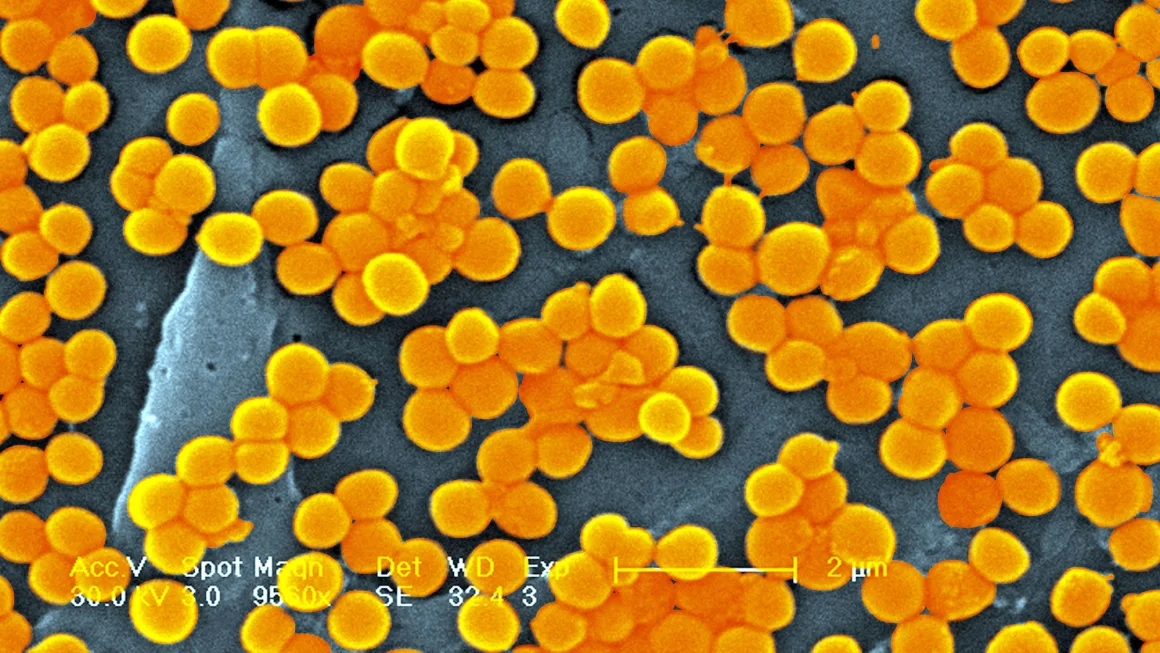
A new study published in The Lancet predicts that antimicrobial resistance (AMR) could cause the deaths of nearly 40 million people by 2050, with the number of deaths rising by 70% from current levels. The research highlights a growing global health crisis in which bacteria and fungi are becoming resistant to medications designed to treat infections.
AMR occurs when pathogens, such as bacteria, adapt and become resistant to the antibiotics used to eliminate them. The World Health Organization has identified AMR as a top global health threat, attributing its rise to the misuse of antibiotics in humans, animals, and plants.
The study, led by Dr. Chris Murray of the Institute for Health Metrics and Evaluation, estimates that between 2025 and 2050, there could be over 39 million deaths directly linked to AMR. Data for the study spans from 1990 to 2021 and includes over 500 million individual records, covering infections from 22 pathogens and 84 pathogen-drug combinations across 204 countries.
While deaths from AMR among children under five have declined, largely due to vaccines and improved sanitation, fatalities in adults over 70 have risen dramatically by 80%. The most notable increase has been in deaths related to methicillin-resistant Staphylococcus aureus (MRSA), with numbers nearly doubling from 57,200 in 1990 to 130,000 in 2021.
If current trends persist, the study estimates that by 2050, annual global deaths attributable to AMR could reach 1.9 million, with total deaths associated with the crisis potentially hitting 8.2 million. Regions such as South Asia, Latin America, and sub-Saharan Africa are expected to be the hardest hit due to limited access to healthcare.
However, there is hope. By improving healthcare quality and access to antibiotics, the study projects that up to 92 million deaths could be avoided by 2050. Additionally, the development of new antimicrobial drugs could save another 11 million lives.
Dr. Steffanie Strathdee, a researcher not involved in the study but who has firsthand experience with the effects of AMR, emphasized the potential of bacteriophage therapy—an alternative treatment that uses viruses to target antibiotic-resistant bacteria—as a promising tool in the fight against superbugs.