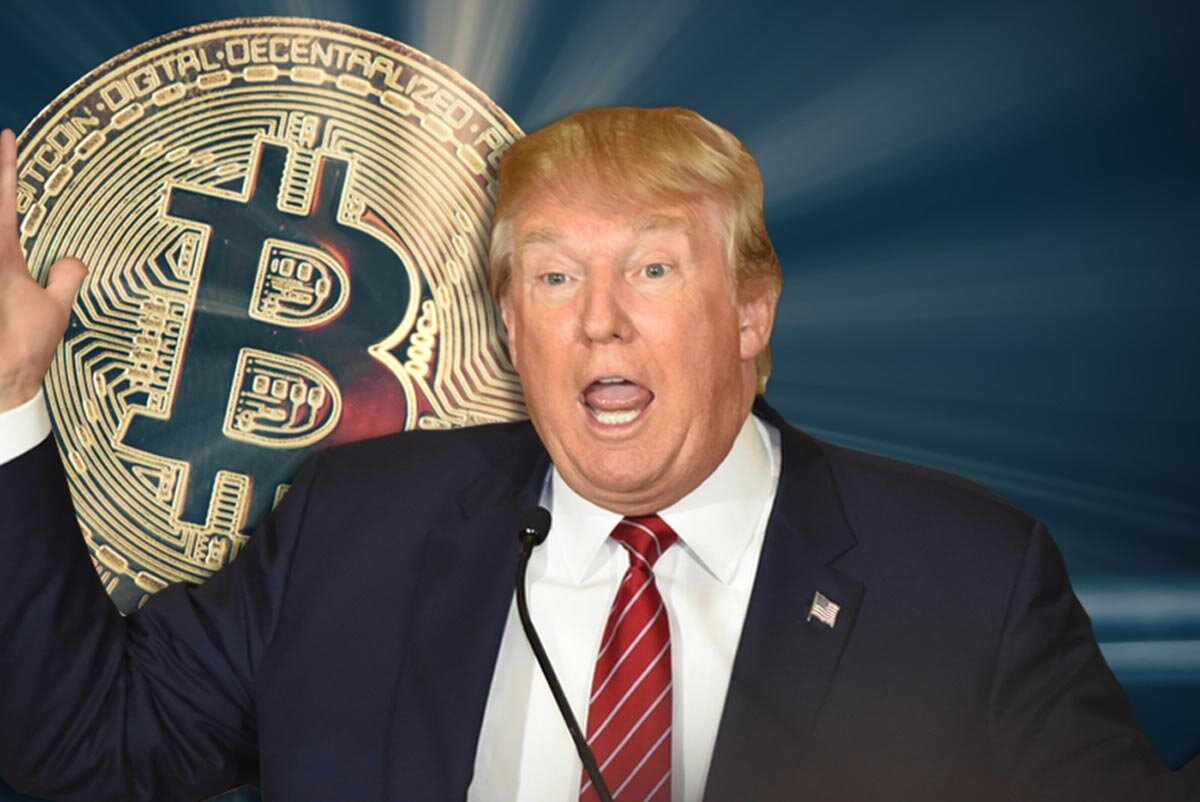
New Details of Trump Family Crypto Project Released, Including Who Can Buy In

During a two-hour event on X (formerly Twitter), former President Donald Trump and his team finally shared key details about their new crypto project, World Liberty Financial. This venture, heavily promoted by the Trump family, aims to function as a crypto banking platform where the public can borrow, lend, and invest in digital currency. It will also feature its own cryptocurrency, WLFI.

According to founder Zak Folkman, the project’s token distribution will allot 20% of the tokens to the founding team, including the Trump family, while 17% will be reserved for user rewards. The remaining 63% of tokens will be made available for public purchase, with no pre-sales or early buy-ins. Folkman clarified that the token sale will comply with the Securities and Exchange Commission’s Regulation D, which allows companies to raise capital without registering securities under certain conditions.

Trump touched on his evolving views on cryptocurrency, sharing that he was initially uninterested but became more involved after witnessing the success of his NFT sales. “Crypto is one of those things we have to do,” Trump said, emphasizing its inevitability.

The project also includes prominent figures like Trump’s long-time friend Steve Witkoff, whose son introduced the Trumps to crypto entrepreneurs Chase Herro and Zak Folkman. Witkoff, now a key figure in World Liberty Financial, highlighted the project’s focus on decentralized finance, aiming to offer credit to underserved populations.

The Trump family, including Donald Jr., Eric, and Barron Trump, hold roles within the project but do not directly own or manage it. While Trump’s connection to the crypto sector has grown, industry figures worry that his own crypto ventures could complicate his broader relationship with the sector, especially if World Liberty Financial struggles to meet expectations.

Further details about the platform and its launch timelines were sparse, with the team urging supporters to stay tuned to official social media for updates and to beware of scams.
 

India’s Central Bank Chief Plays Down Fears of a Deposit Crunch

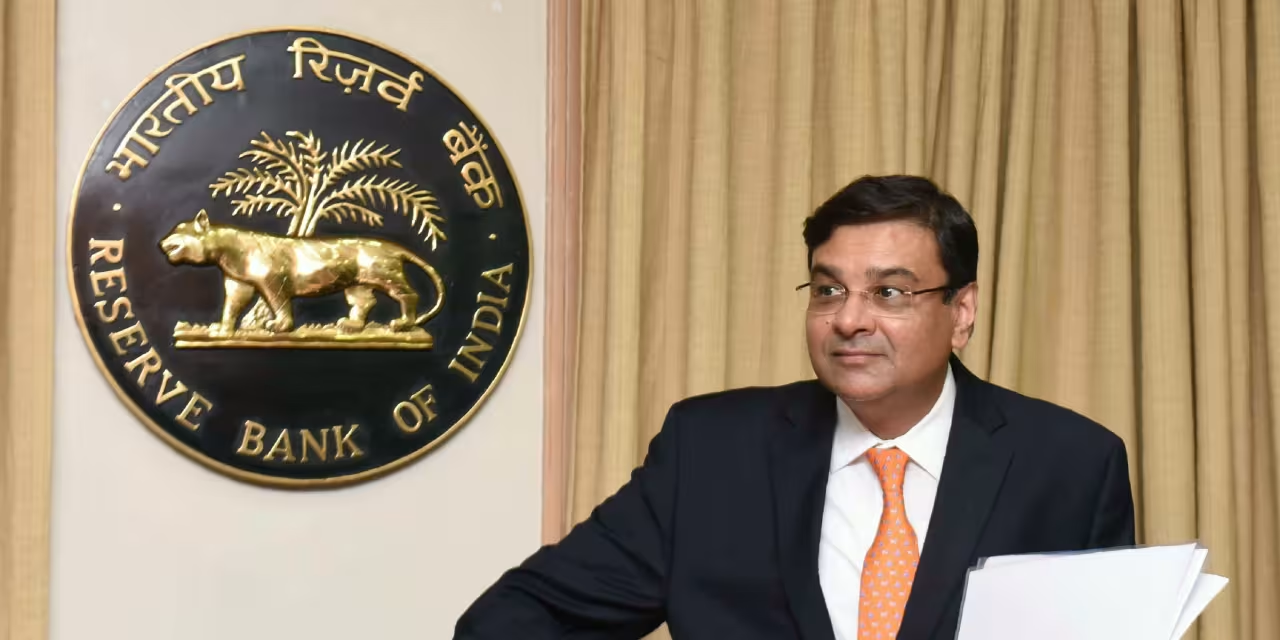
Despite concerns about India’s financial sector amidst strong stock market performance and solid bank balance sheets, Reserve Bank of India (RBI) Governor Shaktikanta Das has downplayed fears of a deposit shortage. Das acknowledged the current gap between loan and deposit growth but indicated that it isn’t an immediate cause for alarm. However, he cautioned that if the disparity persists, it could hinder banks’ ability to maintain their lending activities.

As of August, loan growth stood at 13.6%, while deposit growth lagged behind at 10.8%, a gap of 350 to 400 basis points. “If this continues, the banks’ ability to lend will be affected,” Das said. This imbalance poses a risk to banks’ net interest margins, which could, in turn, impact share prices—particularly concerning for global institutional investors holding shares in Indian banks. Prolonged disparity between loan and deposit growth could also lead to liquidity concerns if banks struggle to meet withdrawal demands.

Das suggested that some of the funds loaned out might still remain within the banking system but acknowledged the possibility of money flowing into riskier investments like debt funds or equities. “If people are going into the capital markets, it is their decision,” Das said, clarifying that the central bank does not regulate such individual choices.

Despite these challenges, Das expressed optimism, noting that many Indian banks are already working on strategies to enhance deposit growth. He revealed that banks are developing new products aimed at attracting deposits, which could help mitigate potential issues.

Ashish Gupta, Chief Investment Officer at Axis Mutual Fund, echoed these sentiments but predicted a slowdown in banks’ earnings growth due to the credit-deposit gap. He expects slower deposit growth in the coming years and noted that any future interest rate cuts by the RBI could further squeeze profit margins for banks.

India’s economic growth also showed signs of cooling, with GDP growth slowing to 6.7% in the second quarter from 8.2% the previous year. This has intensified pressure on the central bank to consider rate cuts. Markets are anticipating a likely rate cut at the RBI’s December meeting, with some uncertainty surrounding the upcoming October meeting. Das highlighted the presence of new members in the Monetary Policy Committee (MPC) and mentioned that the October rate decision would be determined by current growth and inflation dynamics.

While emphasizing that India’s growth story remains robust, Das reiterated the need to monitor inflation trends closely before making any decisions on rate cuts.


Boeing Freezes Hiring and Weighs Furloughs Amid Ongoing Worker Strike

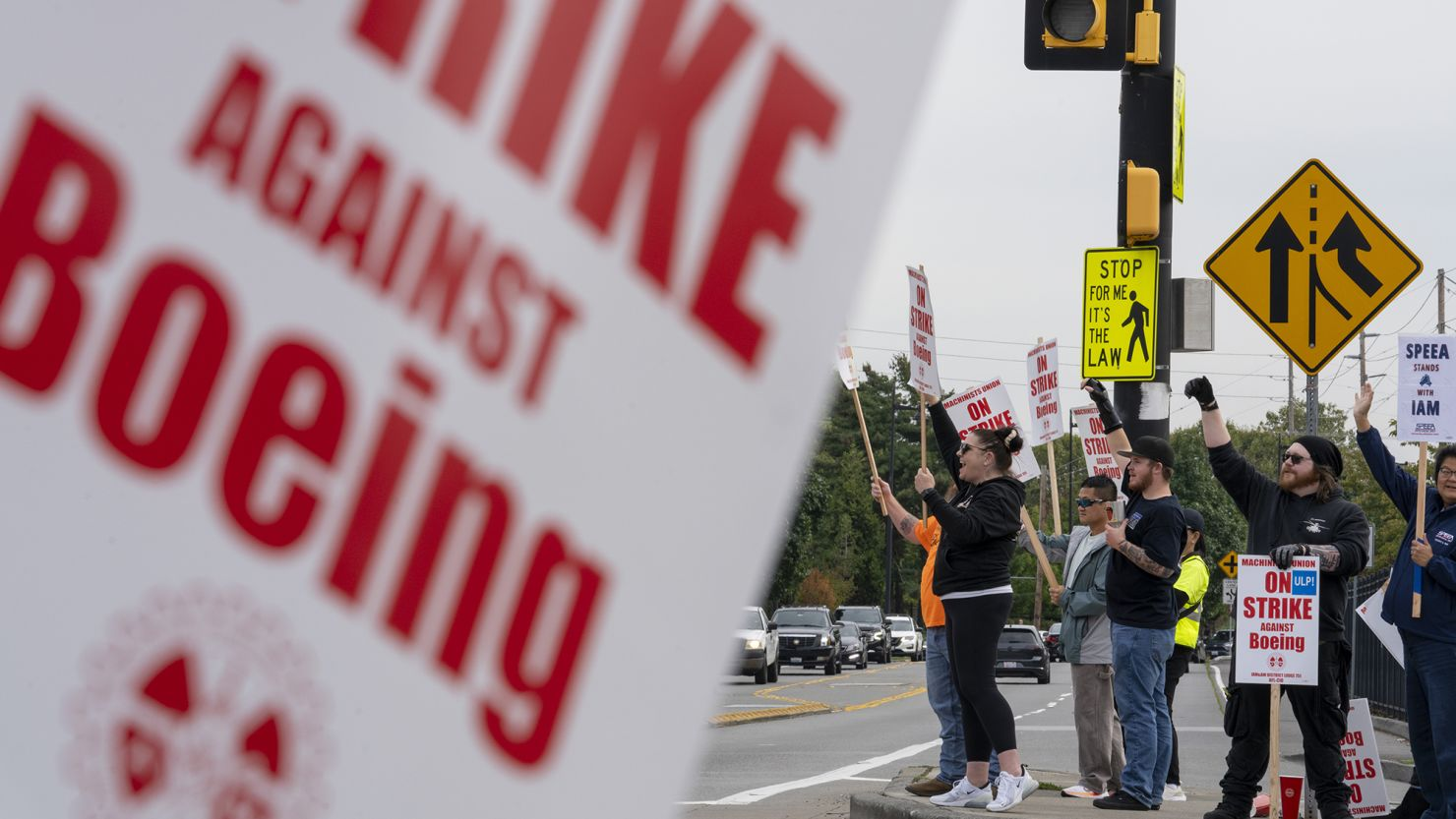
Boeing is freezing hiring and considering temporary furloughs to reduce costs as a strike by more than 30,000 workers entered its fourth day on Monday. The strike, which halted production of Boeing’s 737 series, comes at a critical time when the company was aiming to ramp up its assembly lines. The strike received overwhelming support from union members, with 96% voting in favor, surprising both Boeing and union leaders.

In response, Boeing’s Chief Financial Officer, Brian West, warned that the strike threatens Boeing’s recovery and that immediate actions are needed to preserve cash flow and secure the company’s future. In a letter to employees, West announced that Boeing would halt the issuance of most supplier purchase orders for its 737, 767, and 777 programs. This decision could disrupt an already fragile supply chain still recovering from the COVID-19 pandemic, sending shockwaves through the industry. Smaller suppliers are expected to lay off workers, creating a vicious cycle of departures and further delays.

The strike adds to Boeing’s ongoing challenges, including a safety crisis involving its 737 MAX, which has been plagued by technical issues and a $60 billion debt burden. S&P Global Ratings warned that while a short strike could be manageable, a prolonged one would strain the company’s finances.

Equity analysts estimate that Boeing may lose $102 million in daily revenue, potentially totaling over $3 billion if the strike continues for several weeks. Union leaders rejected Boeing’s offer of a 25% wage increase over four years, citing the removal of an annual performance bonus. The union initially sought a 40% wage hike and is pushing for the reinstatement of a defined-benefit pension plan, although they acknowledge this may serve as leverage for negotiating better pay and benefits.

Negotiations between Boeing, the union, and federal mediators are set to resume on Tuesday, but union members remain resolute. Many are prepared for an extended strike, drawing comparisons to previous strikes in 2008 and 2005, which lasted 57 and 28 days, respectively.

Workers on the picket lines are expressing frustration over stagnant wages while Boeing executives receive hefty bonuses. Some workers, like Chris Ginn, say they live paycheck to paycheck and are determined to hold out for a better deal, even if it means enduring weeks without a salary. The union is providing $250 weekly strike pay to help sustain its members during the work stoppage.