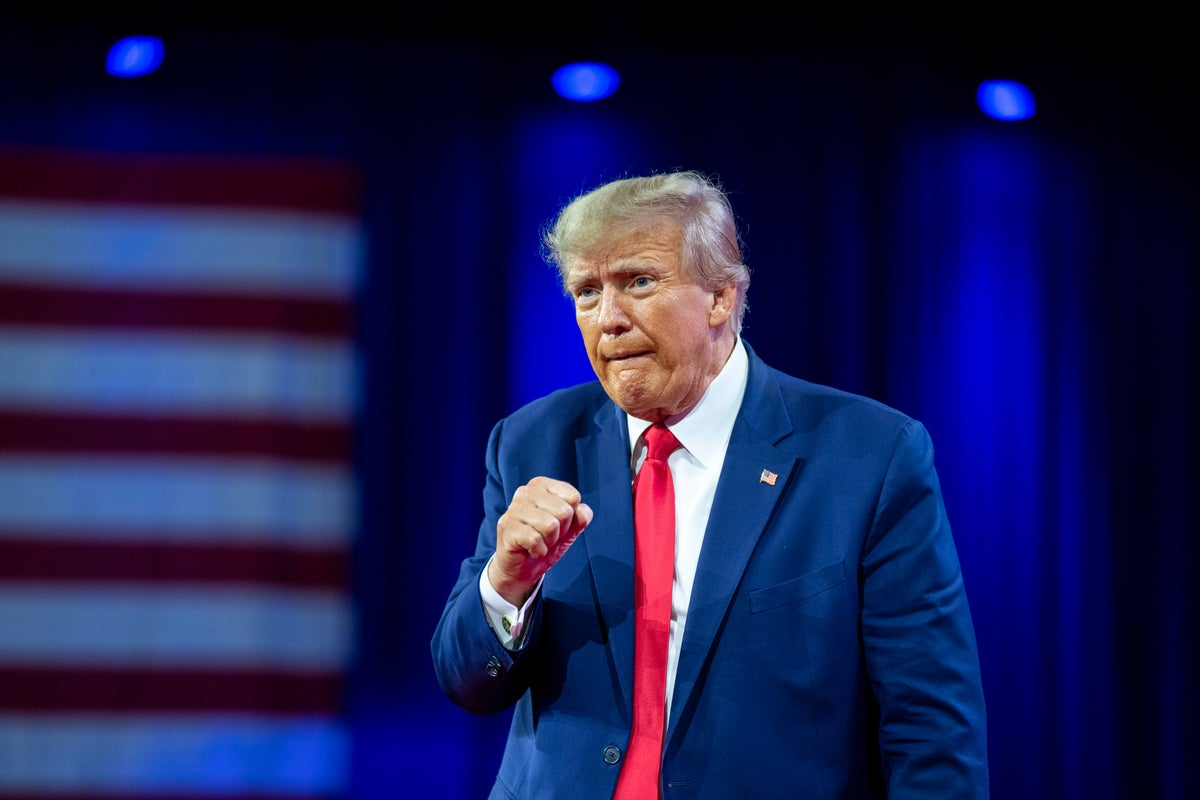
Trump Campaigns in Deep Blue States, Eyes Fundraising and Media Attention

Former President Donald Trump is making unexpected campaign stops in solidly Democratic states as the 2024 election approaches, with rallies planned in California’s Coachella Valley and New York’s Madison Square Garden. While these states are unlikely to sway in his favor, Trump’s team sees potential in rallying Republican voters and boosting fundraising efforts.

Challenging Conventional Campaign Strategy

Trump’s pivot to blue states highlights a strategy that diverges from the traditional focus on swing states. Despite losing California by a significant margin in the 2020 election, he recently claimed to have more support than Vice President Kamala Harris in the state, asserting on a local radio show, “If they had an honest election in California, I think I’d win it in a landslide.”

Republicans acknowledge that winning these states outright is improbable, but they see value in mobilizing local Republican bases, particularly in light of the states’ vast populations, which house a significant number of GOP donors. Trump emphasized this sentiment, stating, “We have a lot of support in California, and I felt I owed it to them,” during a recent interview.

Highlighting Democratic Failures

The rallies provide Trump a platform to criticize the leadership of Democratic officials, such as Harris, who previously held prominent roles in California politics. Trump’s communications director, Steven Cheung, expressed that the Coachella rally aims to expose Harris’ “failing record” and showcase Trump’s proposed solutions.

The former president’s appearances in blue states are designed not only to galvanize local support but also to generate media coverage, which his campaign believes is crucial for maintaining momentum as the election nears. According to a senior Trump adviser, “The location of his rallies matters less in this nationalized media environment. The bigger the rally, the more attention it will get.”

Opposition from Local Officials

Trump’s Coachella rally was met with criticism from local officials, including Coachella Mayor Steven Hernandez, who denounced Trump’s record on issues such as immigration and LGBTQ rights, stating that his views do not represent the values of the community. Hernandez remarked, “We don’t know why Trump is visiting near Coachella, but we know he wasn’t invited by the people who live here.”

Despite this, Trump remains undeterred, believing that large crowds at his rallies signify broad national support. His strategy includes questioning the legitimacy of election outcomes if Harris wins, as he maintains a narrative of being “too big to rig.”

Upcoming Blue State Events

In addition to his Coachella rally, Trump plans to visit Illinois for an event co-sponsored by Bloomberg News and the Economic Club of Chicago, and will make a highly publicized stop at Madison Square Garden on October 27. These events are part of a broader effort to engage voters who may feel disconnected from traditional political processes.

Trump’s team has also employed unconventional campaign tactics, such as appearances on popular podcasts and streaming platforms to reach younger and less engaged demographics. Harris has adopted a similar approach, making her own appearances on various media outlets.

Criticism and Skepticism

While Trump expresses confidence in his chances in blue states, Democratic leaders remain skeptical. Colorado Senator Michael Bennet dismissed Trump’s claims, asserting that there is “no way he’s going to win the state of Colorado” and labeling his campaign efforts there as a “complete waste of his time.”

However, Trump’s strategy appears focused on leveraging issues like crime and immigration, where he believes he can resonate with voters dissatisfied with Democratic governance. During his recent rally in Colorado, he suggested extreme measures, such as expedited deportation of undocumented gang members and the death penalty for those who commit violent crimes against citizens.

Conclusion

As Trump continues his campaign through Democratic strongholds, his rallies aim to energize his base, capitalize on media attention, and critique the policies of his opponents. While the effectiveness of this strategy remains to be seen, it underscores a calculated effort to redefine engagement in the lead-up to the 2024 election.
China’s Car Sales Rebound in September, Driven by Subsidies for EVs

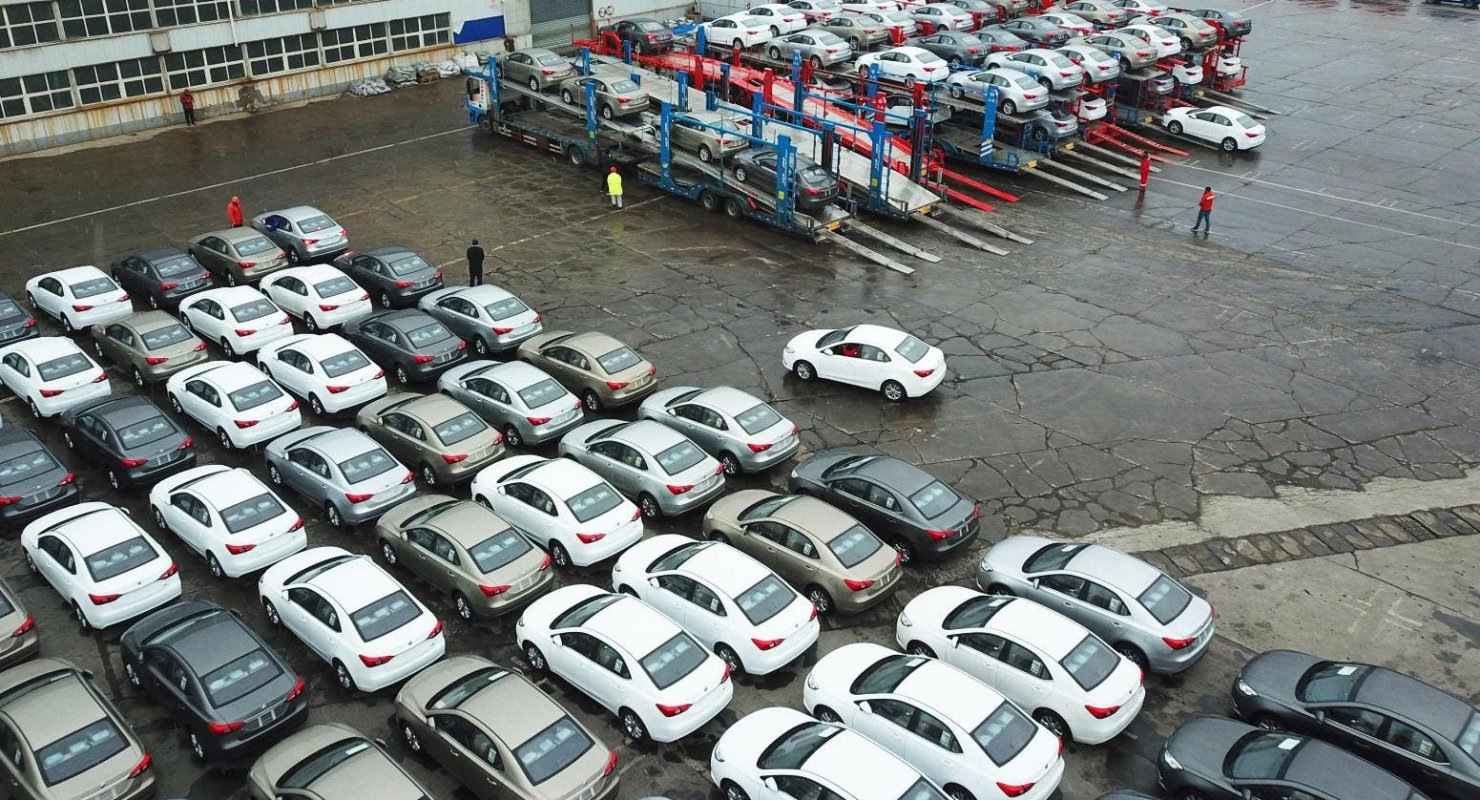
After five consecutive months of decline, China’s passenger vehicle sales rebounded in September, posting a 4.3% year-on-year increase. The uptick was largely fueled by a government subsidy program aimed at encouraging the trade-in of older vehicles, part of a broader economic stimulus package. The world’s largest automotive market saw sales rise to 2.13 million vehicles, up from 2.04 million in the same period last year, with electric vehicles (EVs) and plug-in hybrids driving the growth.

Surge in Electric Vehicle Sales

While sales of gasoline-powered cars continued to decline, the rise in new energy vehicles (NEVs)—which include both electric and plug-in hybrid models—was striking. NEV sales jumped 50.9%, accounting for 52.8% of total car sales in China. September marked the third consecutive month where sales of battery-powered cars outpaced traditional gasoline vehicles. In total, 1.12 million EVs and plug-in hybrids were sold in September alone, bringing the total for the first nine months of the year to 7.13 million.

Tesla, a major player in China’s EV market, saw its sales surge by 66% year-on-year, selling over 72,000 vehicles in China during September. Chinese EV makers, such as BYD and Xpeng, also experienced record-breaking sales, further solidifying their position in the market.

Government Subsidies: A Key Driver

China’s government played a significant role in boosting NEV sales through the expansion of its subsidy program in July 2024. Under the program, consumers who scrap older vehicles and replace them with EVs can receive a subsidy of over $2,800, double the amount introduced in April. For those opting for more fuel-efficient combustion vehicles, the subsidy is $2,100. By late September, 1.1 million consumers had already registered to take advantage of the trade-in incentives.

Cui Dongshu, the secretary-general of the China Passenger Car Association (CPCA), anticipates a strong fourth quarter for the auto market, spurred by these subsidies and increased support from local governments.

Challenges in the Broader Market

Despite the rise in passenger vehicle sales, data from the Chinese Association of Automobile Manufacturers (CAAM) painted a more mixed picture. Overall vehicle sales in China, including commercial vehicles, dropped by 1.7% in September compared to the previous year. The commercial vehicle segment, in particular, saw a sharp decline, with wholesale exports plunging by 23.5%.

This downturn in commercial vehicle sales highlights ongoing challenges in China’s automotive sector, as well as the broader economic struggles the country is facing. In response, the Chinese government has introduced a series of economic measures, including interest rate cuts and liquidity injections, in an effort to reignite growth.

Export Growth Amid Global Backlash

China’s car exports remain a bright spot for the industry, growing by 22% in September and bringing the total number of vehicles exported in the first nine months of the year to 3.55 million. This growth comes despite rising political opposition in key export markets. Last year, China overtook Japan to become the world’s largest vehicle exporter.

However, international scrutiny of China’s automotive dominance is intensifying. In September, the European Union (EU) voted to impose tariffs of up to 45% on Chinese-made EVs, citing concerns over past subsidies that have allegedly given Chinese automakers an unfair advantage. Germany, an EU member with strong ties to the automotive industry, opposed the move, while China has expressed its hope to resolve the dispute through negotiations that would establish minimum sales prices for Chinese EVs in Europe.

The United States and Canada have already taken more drastic measures, imposing tariffs of 100% on Chinese-made EVs, effectively blocking them from these markets.

Looking Ahead

As China moves into the final quarter of 2024, its automotive market is poised for further growth, thanks to ongoing government support and consumer demand for EVs. The country’s focus on bolstering its EV industry—seen as a critical element of its economic strategy—has reshaped the global automotive landscape. However, the long-term outlook for China’s auto industry remains uncertain, particularly as international trade tensions and questions about the sustainability of stimulus measures persist.

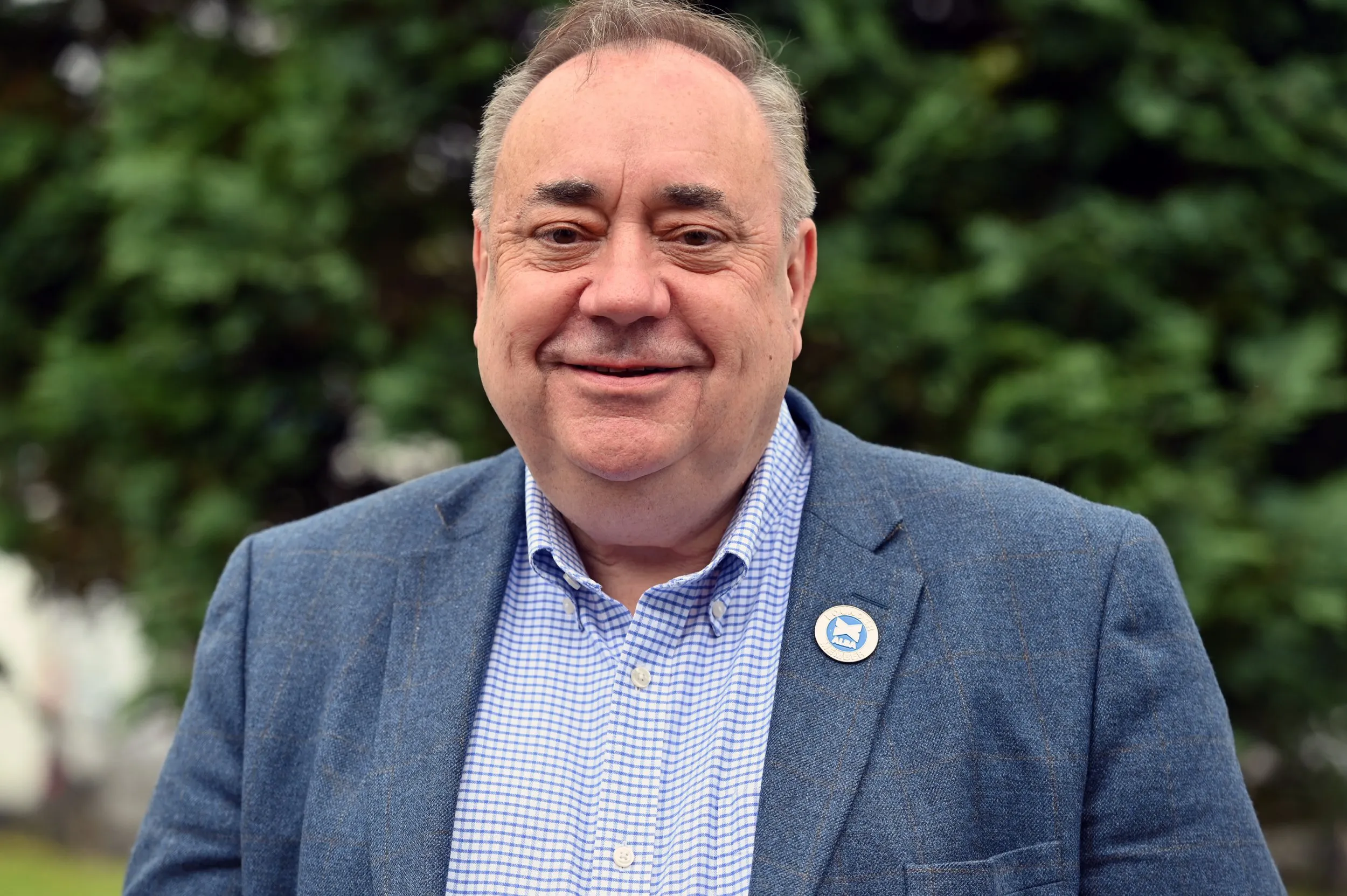
Alex Salmond, Former Scottish First Minister and Independence Champion, Dies at 69

Alex Salmond, the influential Scottish politician who led Scotland to the brink of independence and served as First Minister for seven years, has passed away at the age of 69. Salmond was a key figure in Scottish and UK politics, helping to shape the Scottish National Party (SNP) and boost support for Scottish independence.

Salmond passed away on Saturday after reportedly collapsing following a speech in North Macedonia. He leaves behind a political legacy marked by his passionate advocacy for Scottish sovereignty and a deep commitment to his country’s culture and history.

A Key Architect of Scottish Independence Movement

Salmond’s career was defined by his dedication to Scottish independence. He served as First Minister of Scotland from 2007 to 2014, during which time he spearheaded the campaign for the 2014 Scottish independence referendum. Although Scotland ultimately voted 55% to 45% to remain part of the United Kingdom, Salmond’s efforts galvanized a new era of Scottish politics and brought the independence movement to the forefront of British political discourse.

Salmond’s leadership helped turn the SNP from a relatively minor political force into the dominant party in Holyrood, Scotland’s devolved parliament. His ability to connect with voters and effectively debate the case for independence made him a towering figure in Scottish politics.

Political Tributes

Following the news of Salmond’s death, tributes poured in from across the political spectrum. UK Prime Minister Keir Starmer praised Salmond as a monumental figure in Scottish and British politics, stating, “He leaves behind a lasting legacy. He cared deeply about Scotland’s heritage, history, and culture, as well as the communities he represented.”

Salmond’s achievements in transforming Scottish politics were also acknowledged by colleagues and rivals alike, many of whom highlighted his skill as a debater and strategist.

A Tumultuous End to His Career

Salmond’s later years were marred by controversy. In 2020, he faced allegations of sexual assault, including an attempted rape charge, stemming from his time as First Minister. After a highly publicized trial, Salmond was cleared of all charges. Despite being acquitted, the allegations and the trial took a toll on his public image and strained his relationship with his former political ally and successor, Nicola Sturgeon.

In 2021, Salmond launched the Alba Party, an effort to further the cause of Scottish independence. However, the party failed to gain significant electoral traction. His later career also saw him court controversy for hosting a talk show on RT, a Russian state-sponsored television network, which drew criticism during times of heightened tensions between the West and Russia.

Personal Life and Early Career

Born in Linlithgow in 1954, Salmond joined the SNP as a student and was part of a socialist faction that sought to radicalize the party’s direction in the early 1980s. After being temporarily expelled from the SNP in 1982, Salmond was quickly reinstated and rose through the ranks of the party. He served two separate terms as SNP leader—from 1990 to 2000, and from 2004 to 2014—leaving an indelible mark on the party and Scottish politics.

Before fully entering politics, Salmond worked as an economist at both the Scottish government’s agriculture department and the Royal Bank of Scotland. His deep knowledge of economic issues would later inform much of his political strategy, particularly in advocating for the financial viability of an independent Scotland.

Salmond is survived by his wife, Moira McGlashan, whom he married in 1981.